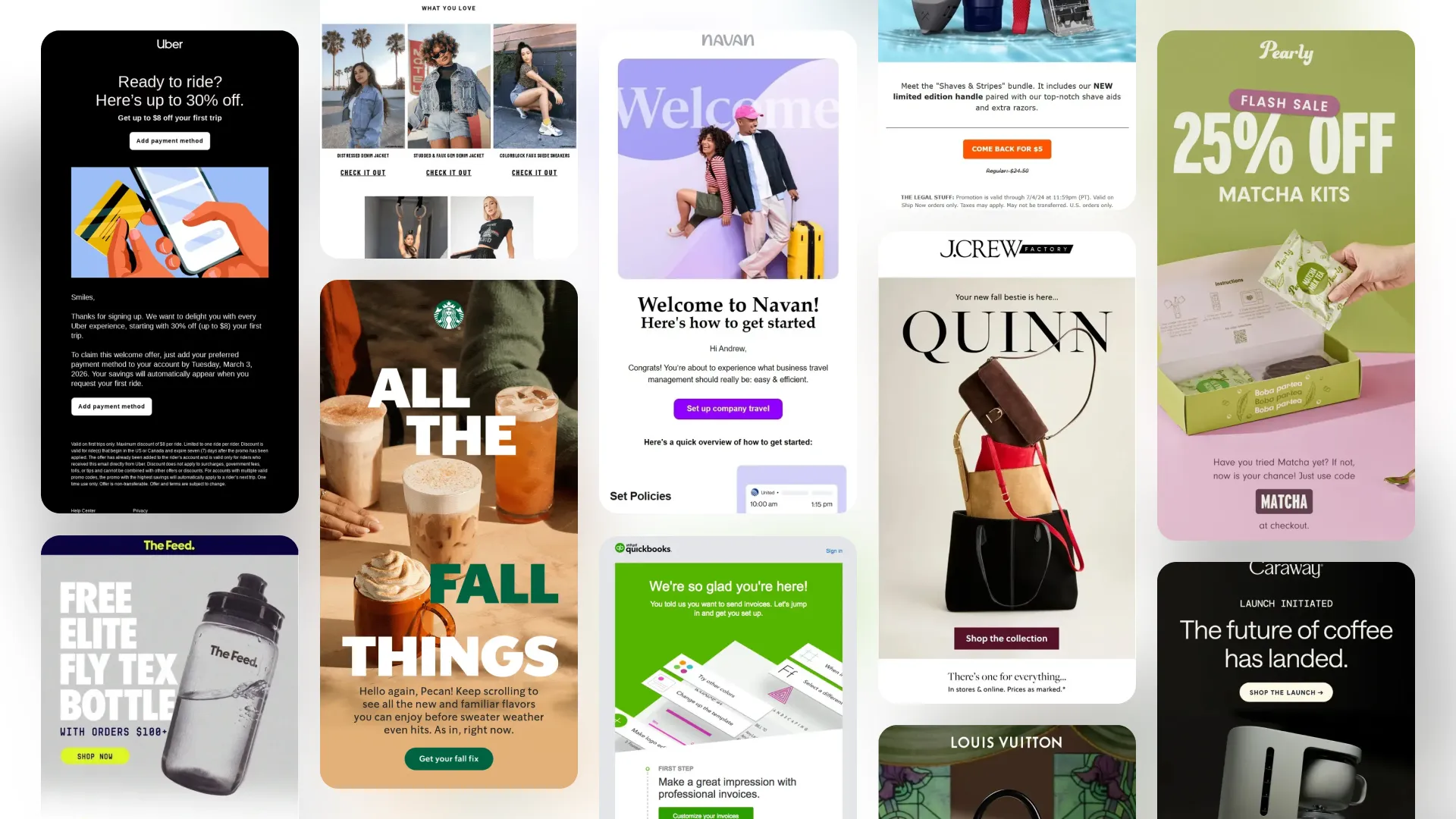
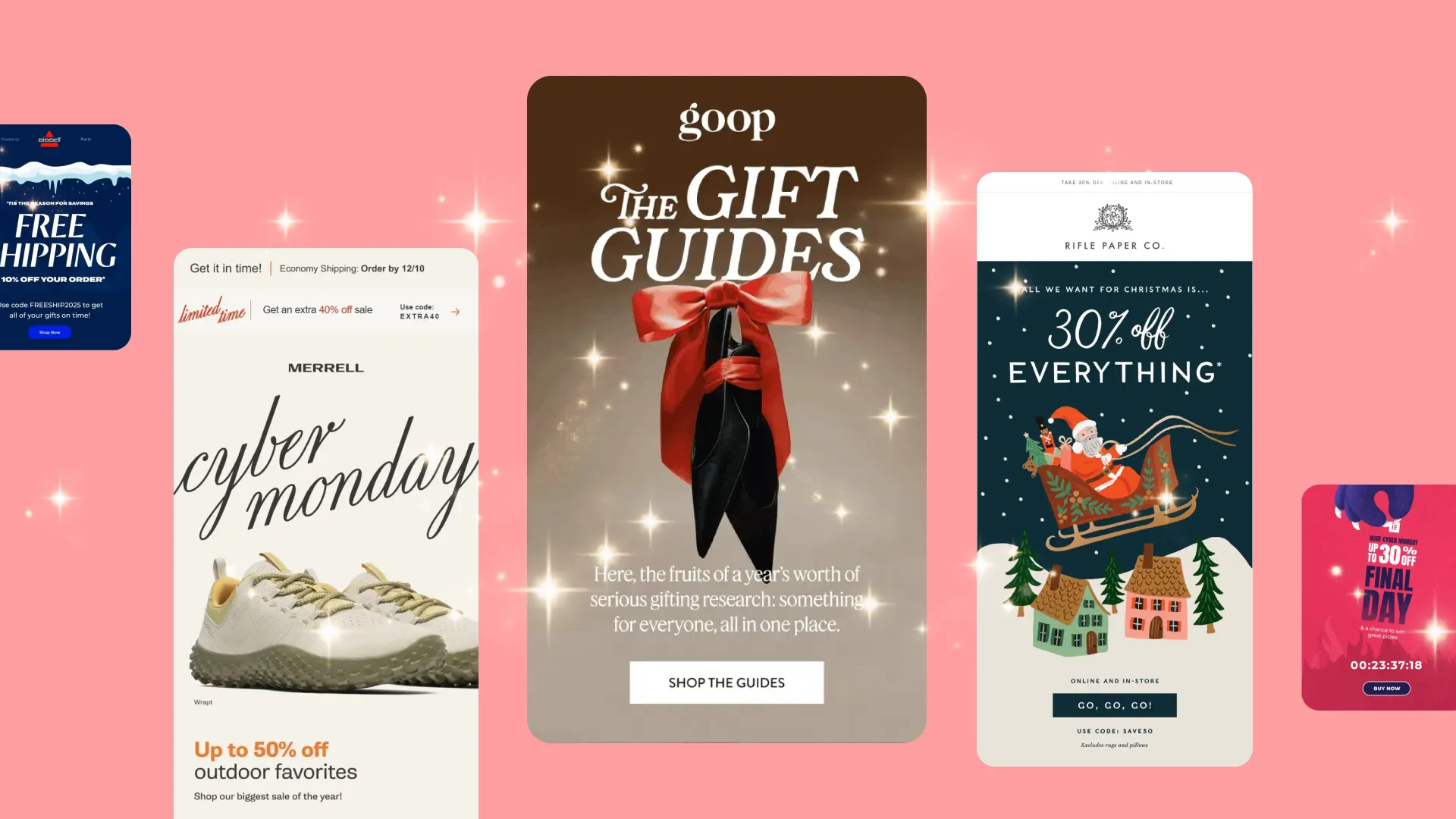
100+ Product Launch Email Examples to Turn Hype Into Sales


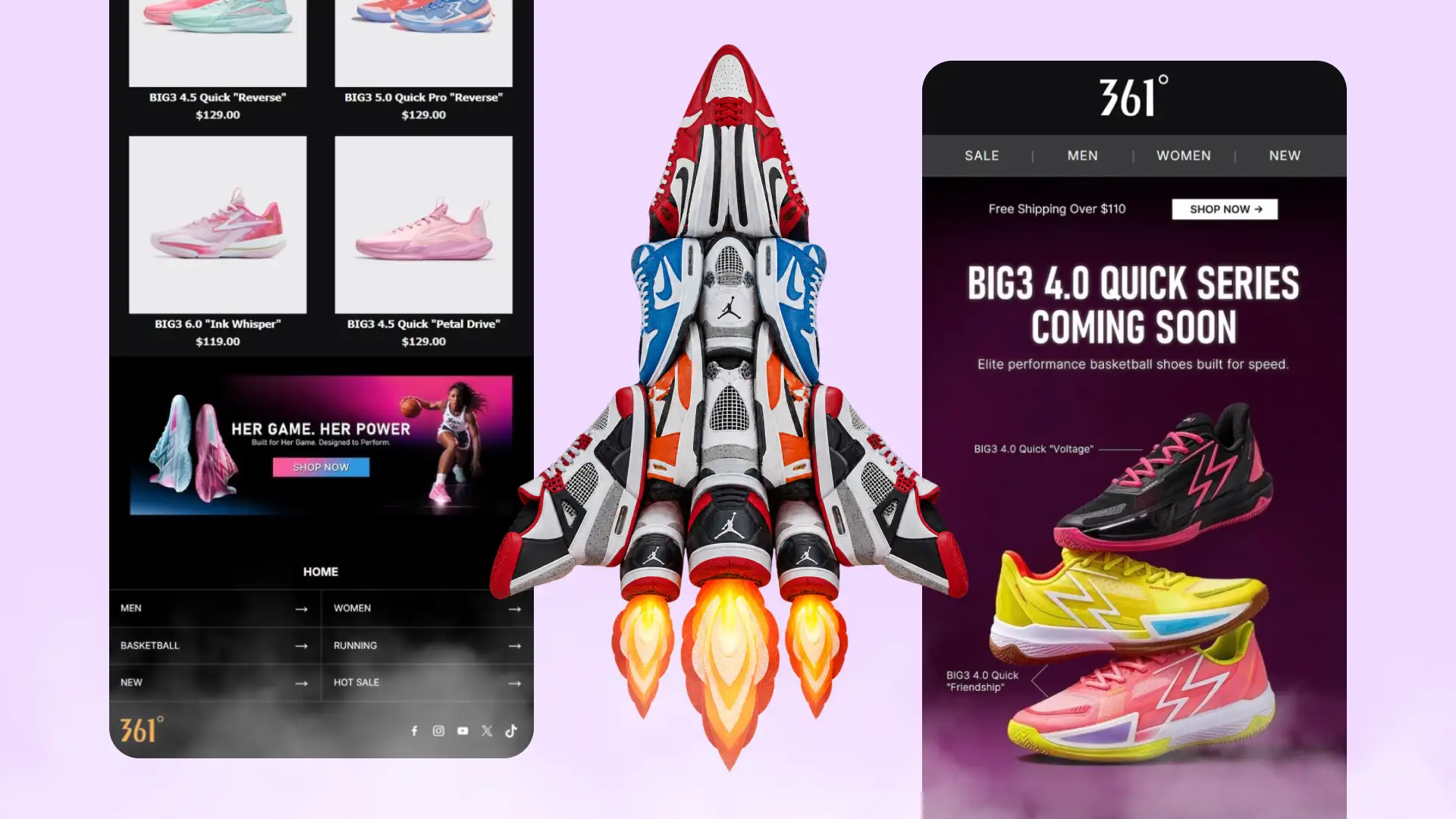
Launching a new product is one of those moments when every email matters. A good product launch campaign builds anticipation, gives subscribers a reason to care, creates urgency, and keeps the momentum going after launch day.
In this collection, we’ve gathered 100+ product launch email examples covering everything from teaser campaigns and early access to product drops, pre-orders, launch offers, and follow-up emails.
Use them for inspiration when planning your next launch, building an email sequence, or simply looking for a better way to introduce something new.
Quick links:
→ Pre-Launch and Teaser Email Examples
→ Early Access and Pre-Order Email Examples
→ Product Launch Announcement Email Examples
→ Product Launch Offer Email Examples
→ Product Launch Follow-Up and Reminder Email Examples
Product Launch Email Sequence Examples
How to Write a Product Launch Email
Product Launch Email Subject Line Ideas
Pre-Launch and Teaser Email Examples
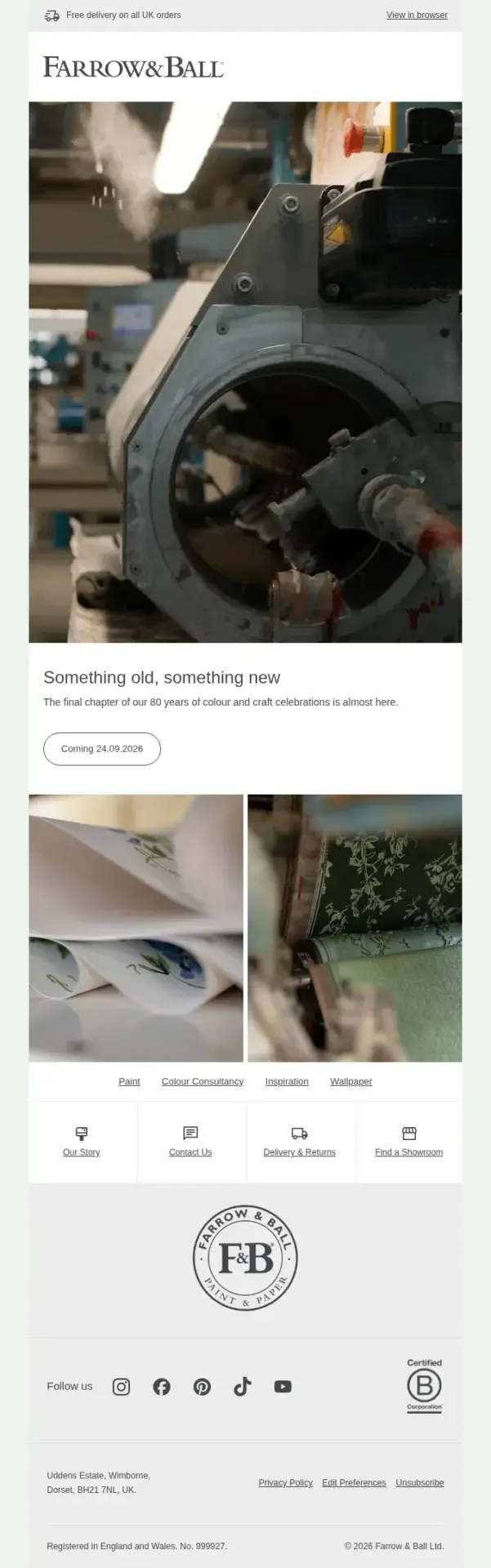
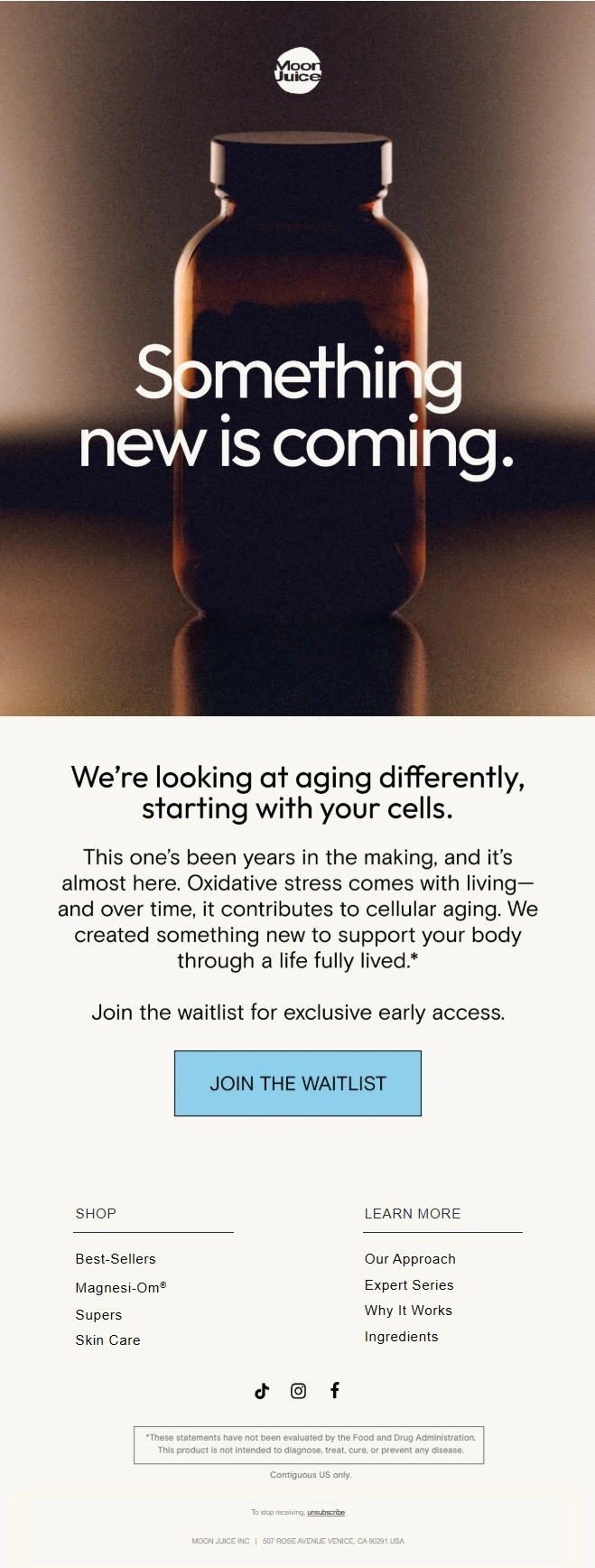
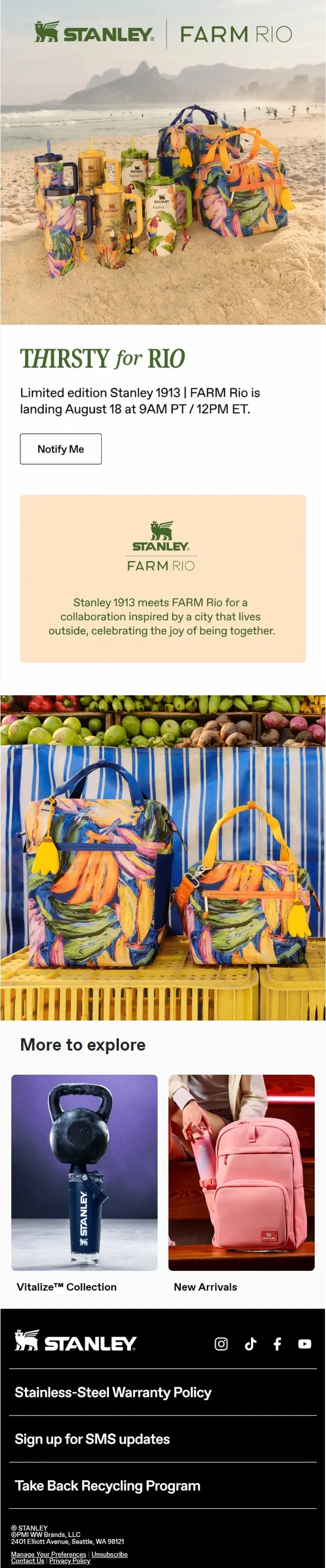
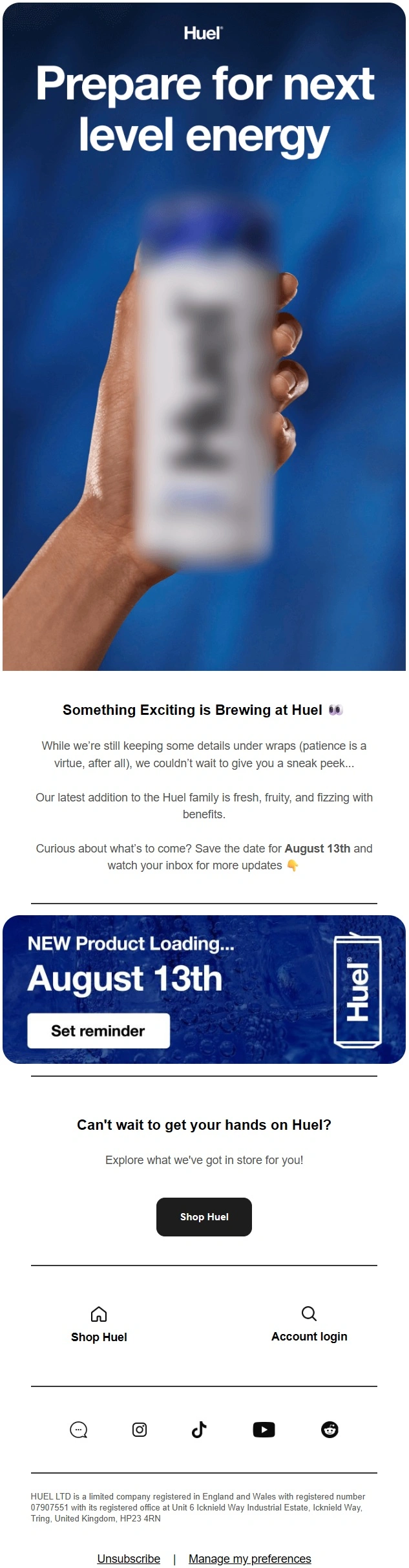
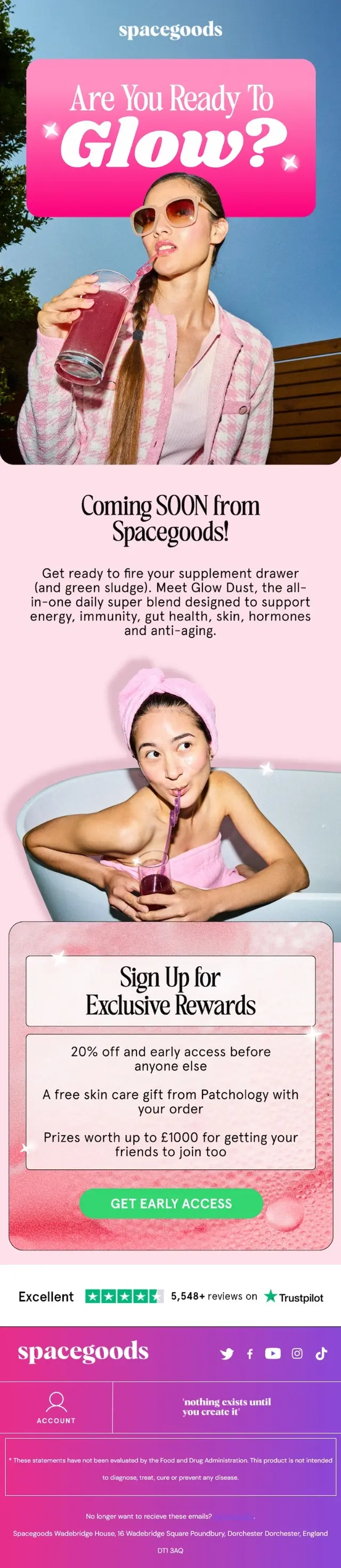
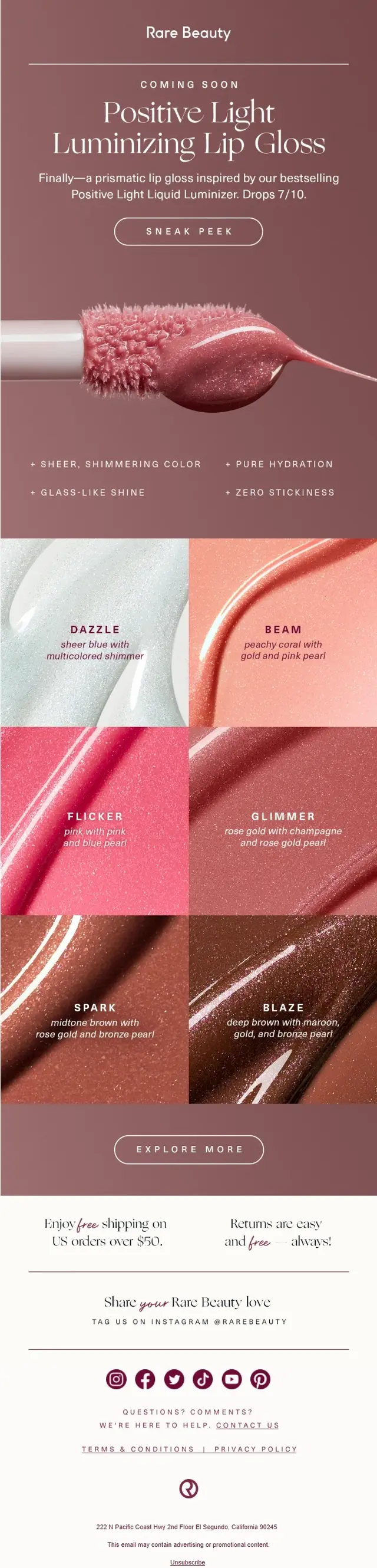
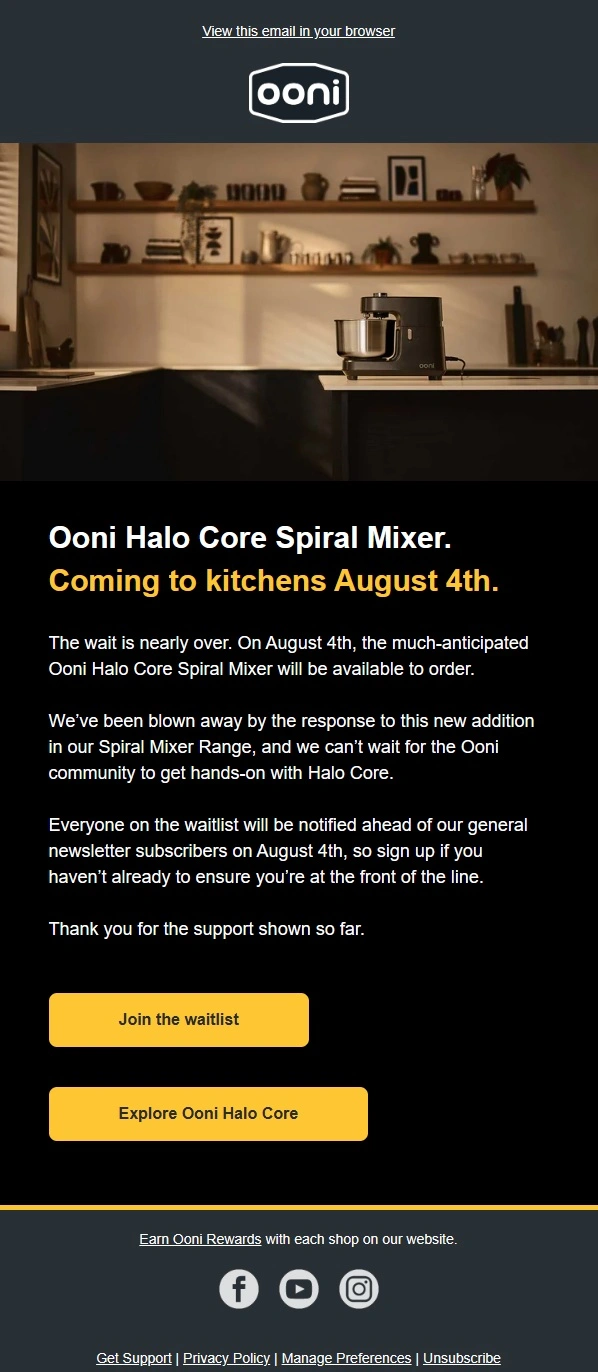
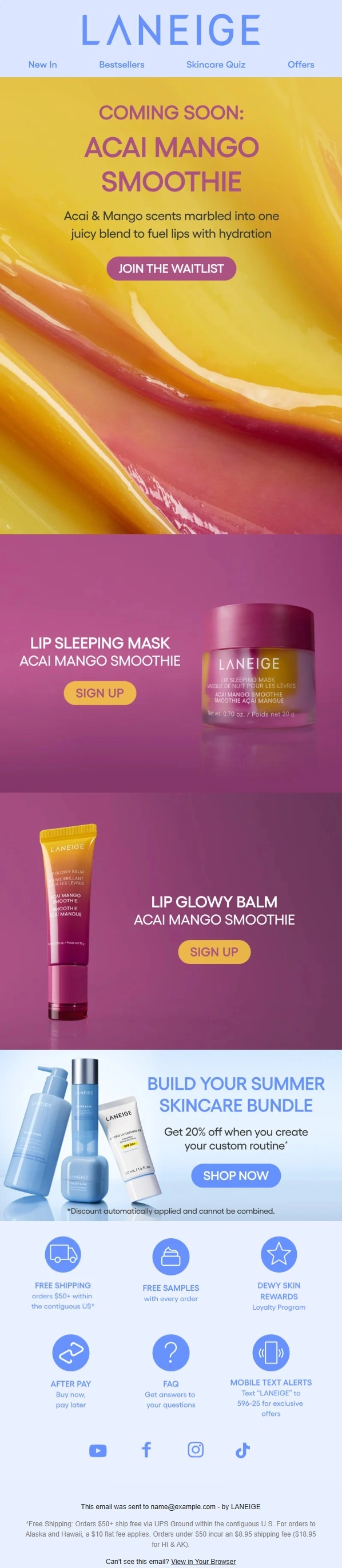
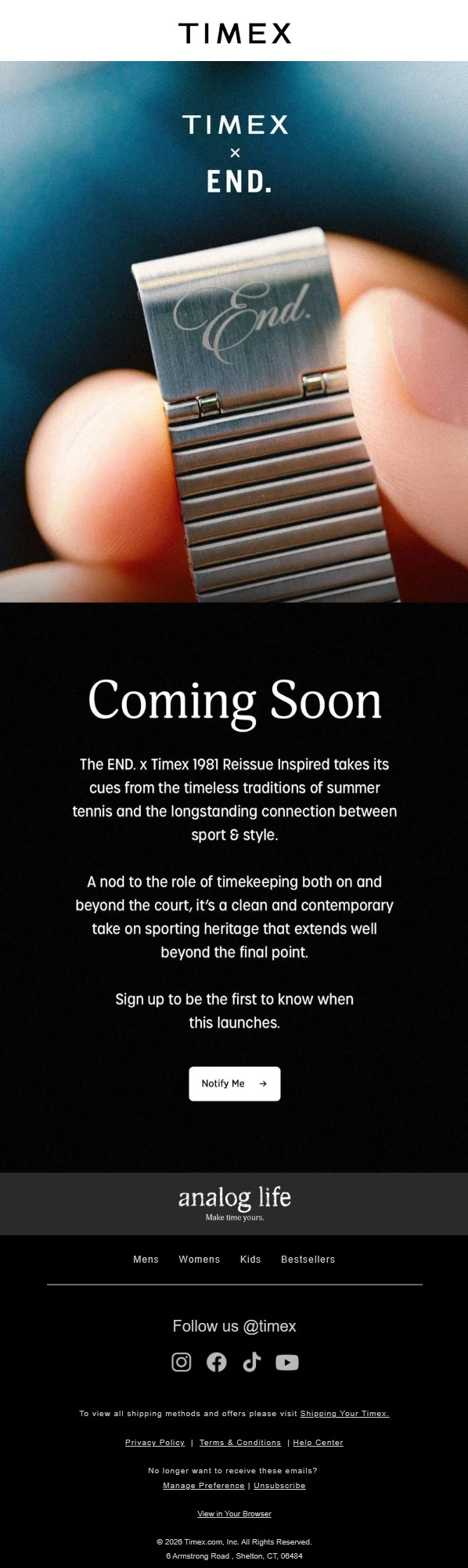
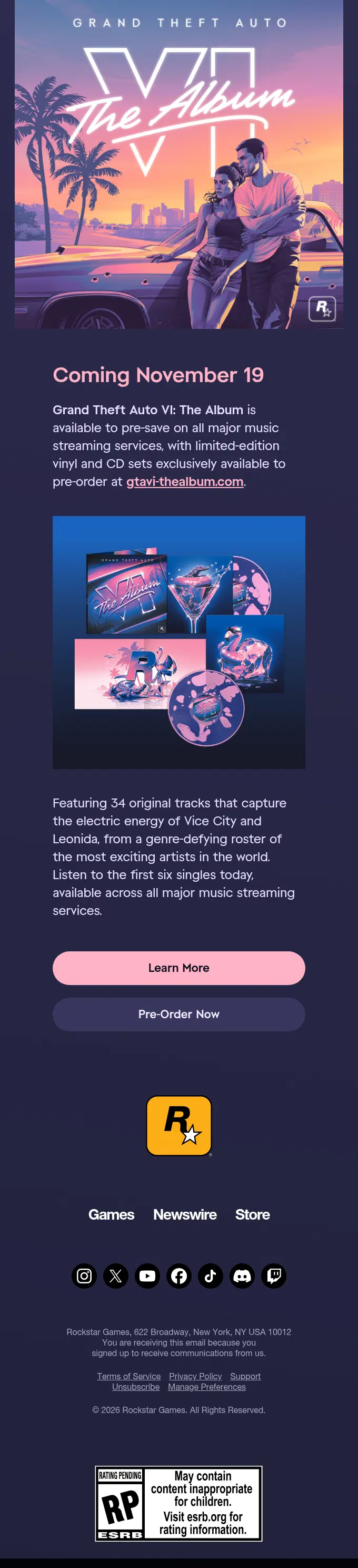
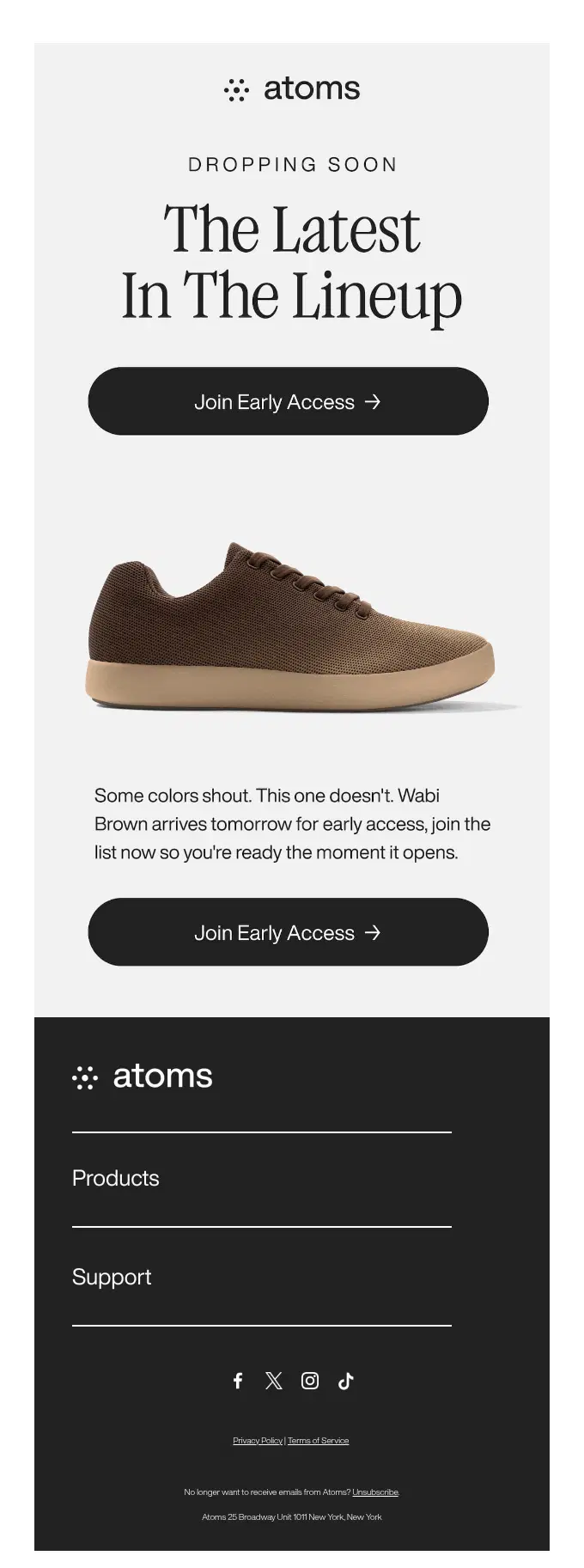
These emails are designed to build curiosity before the product is officially revealed. The examples include coming-soon announcements, sneak peeks, countdowns, save-the-date messages, waitlist invitations, and other campaigns that create anticipation without giving everything away at once.







Early Access and Pre-Order Email Examples
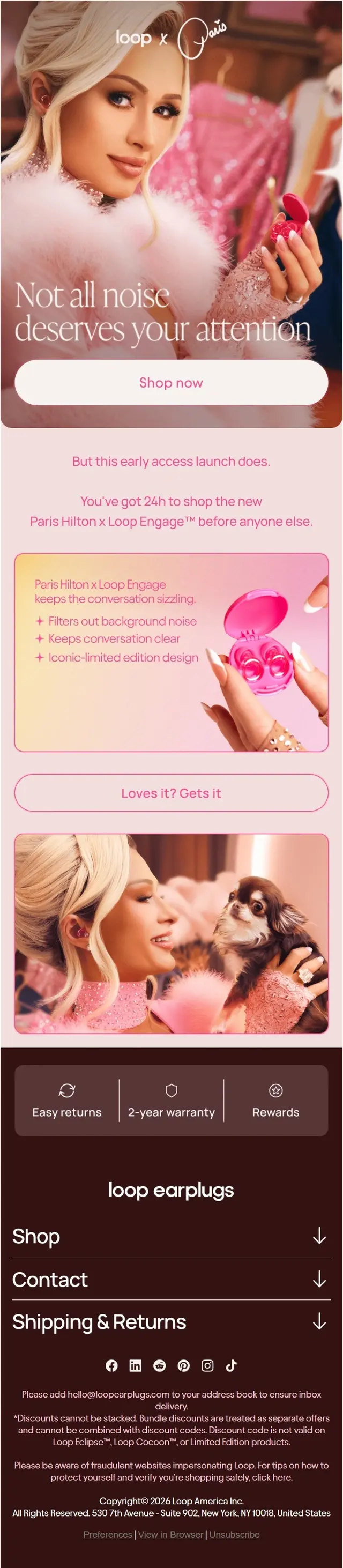
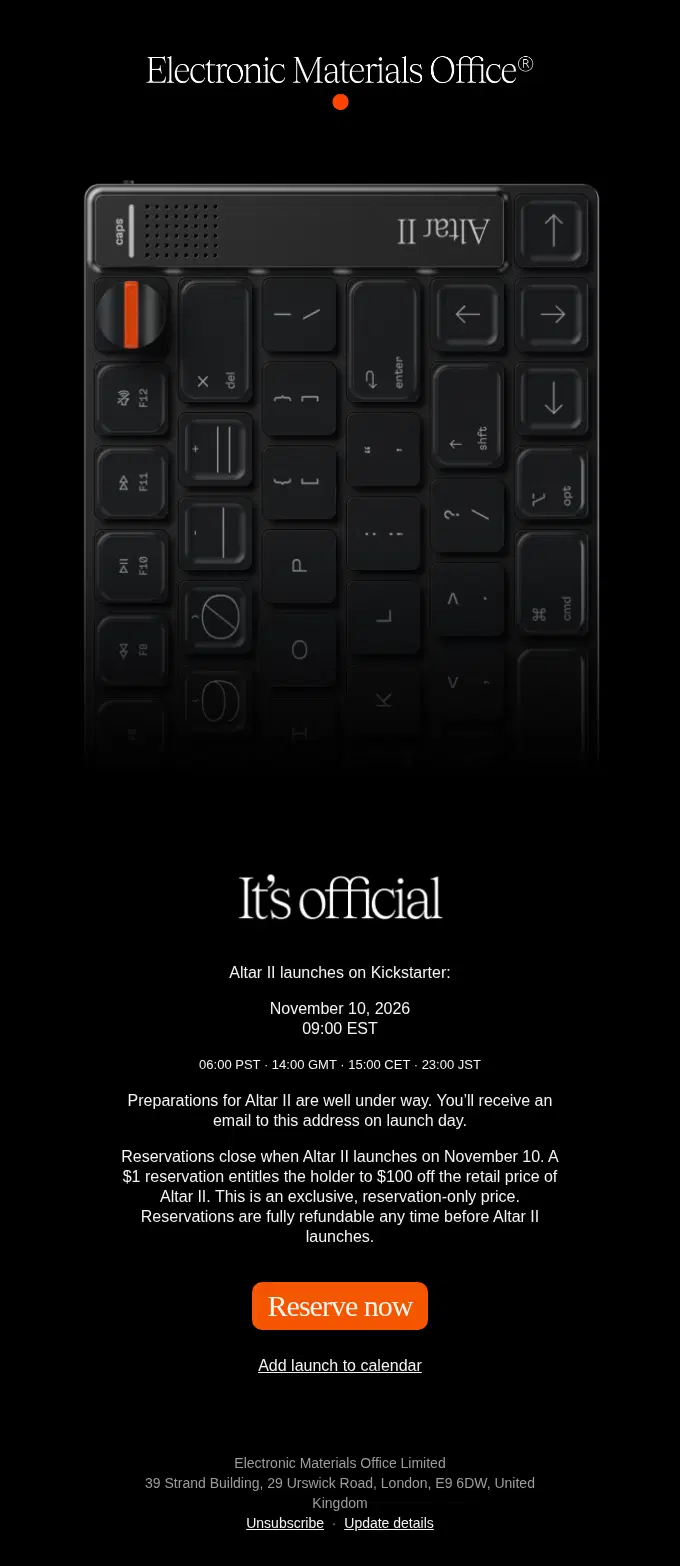
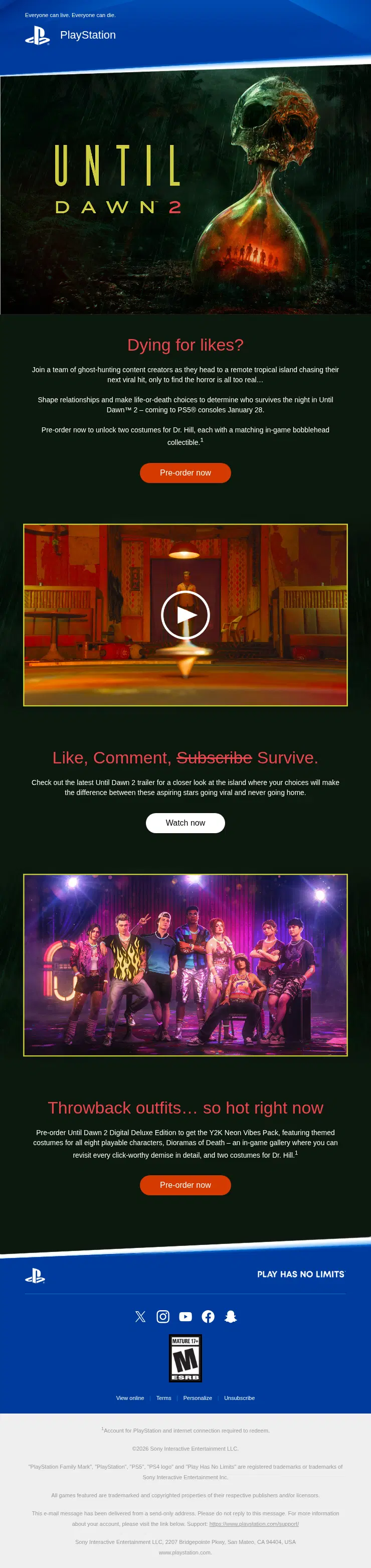
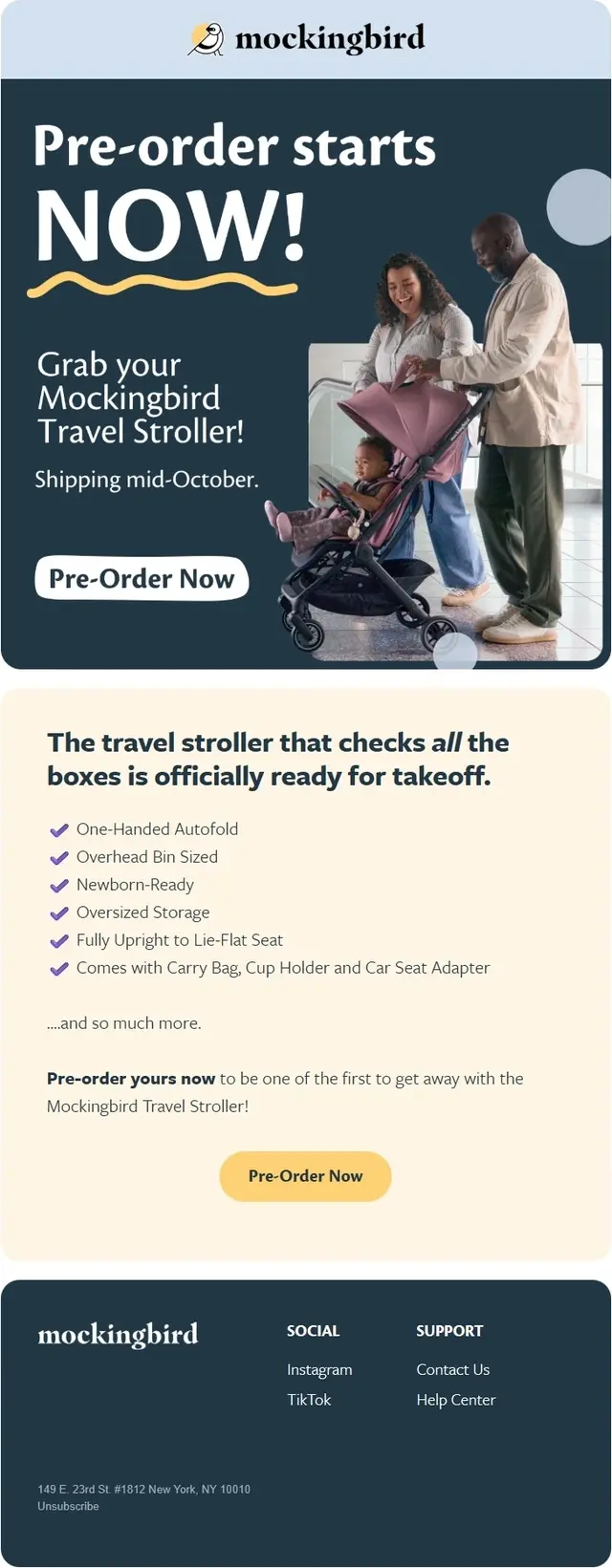
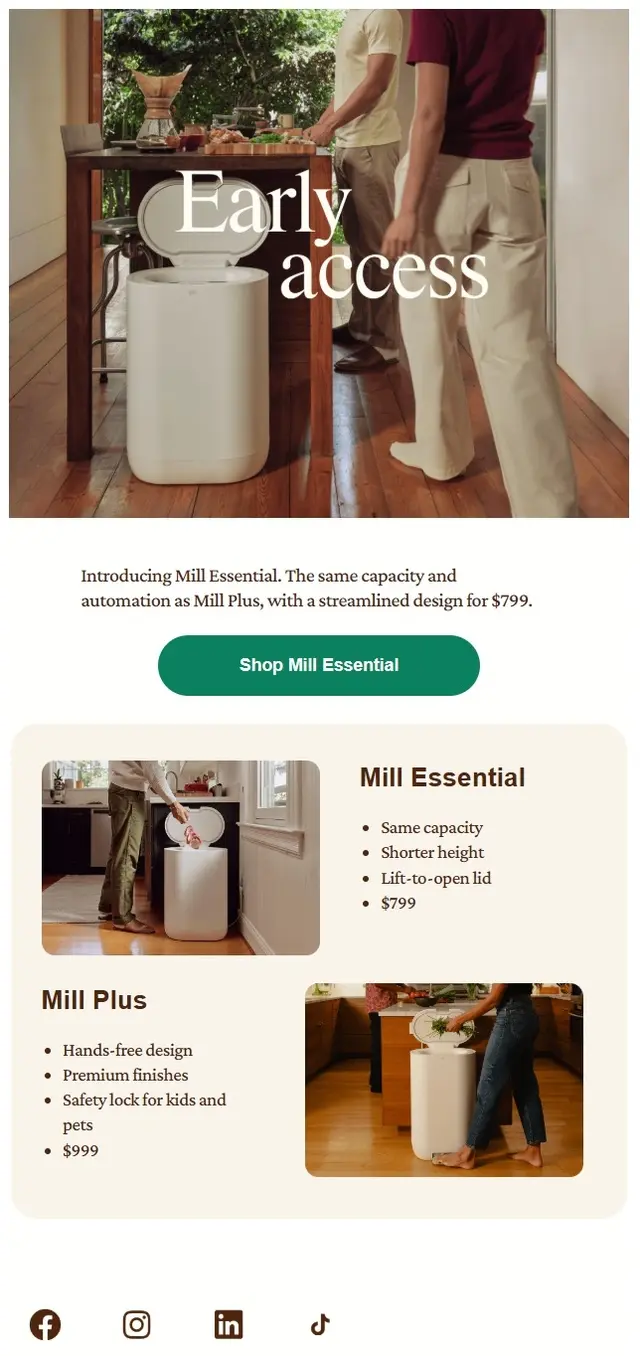
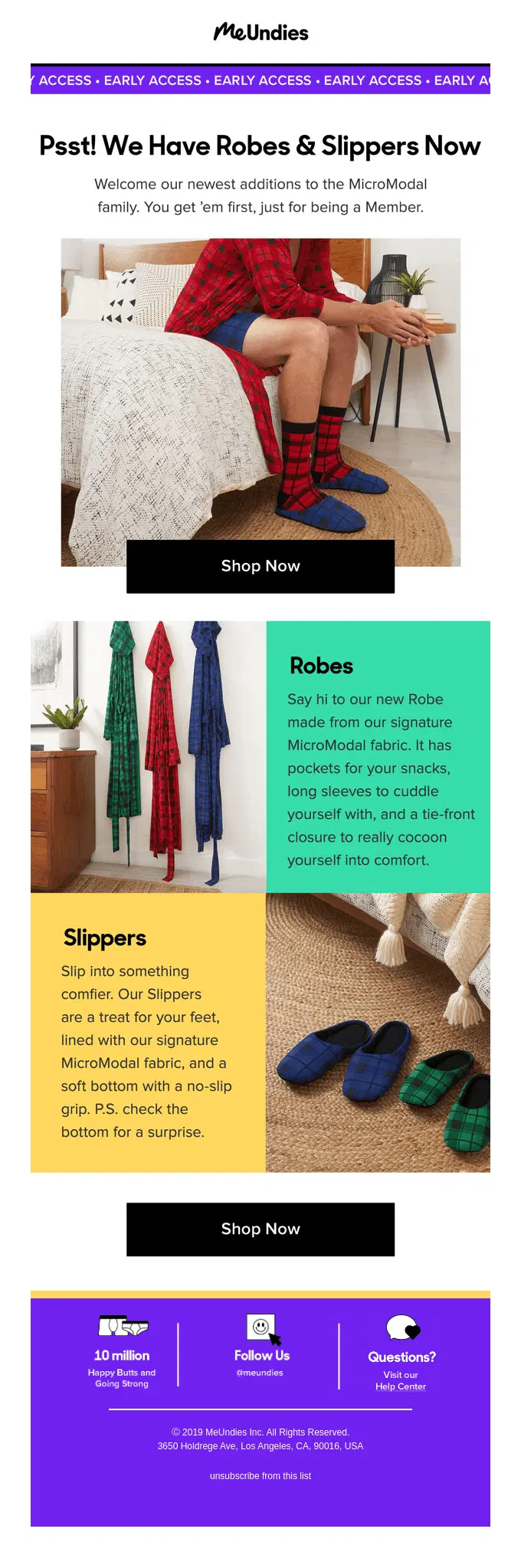
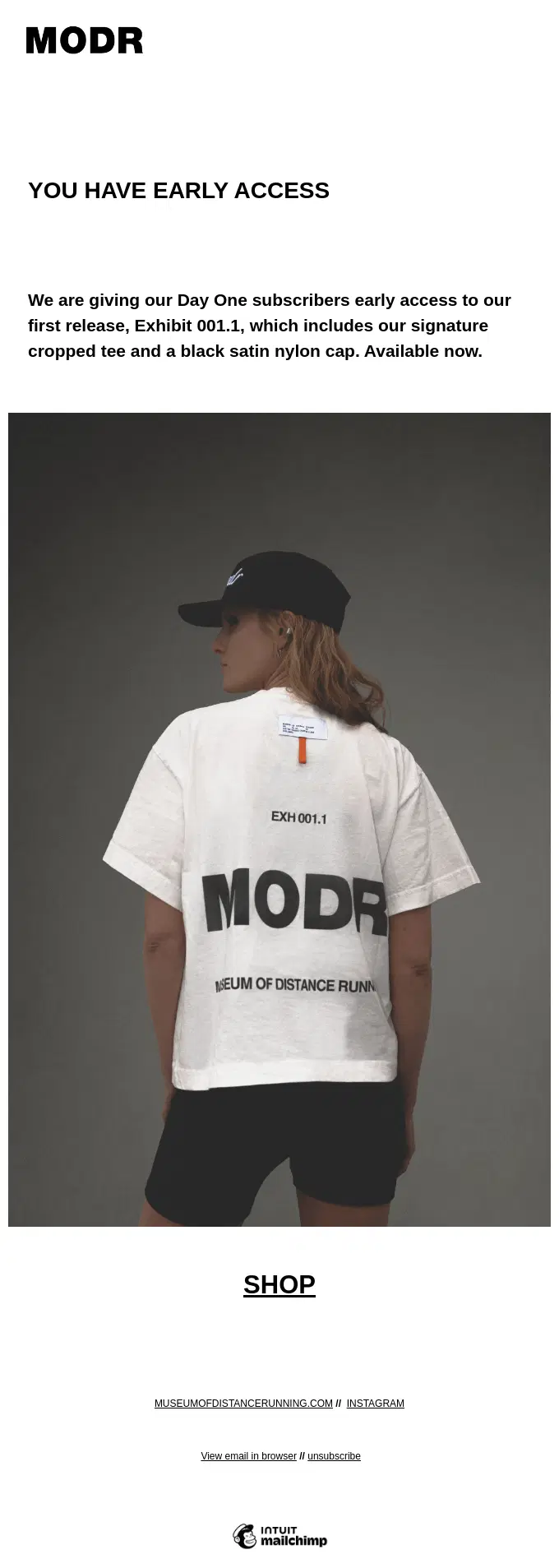
These examples turn anticipation into early action. You’ll find VIP access emails, subscriber-first launches, beta invitations, pre-order announcements, reservation campaigns, and other messages that give selected audiences a chance to get the product before the wider release.







Product Launch Announcement Email Examples
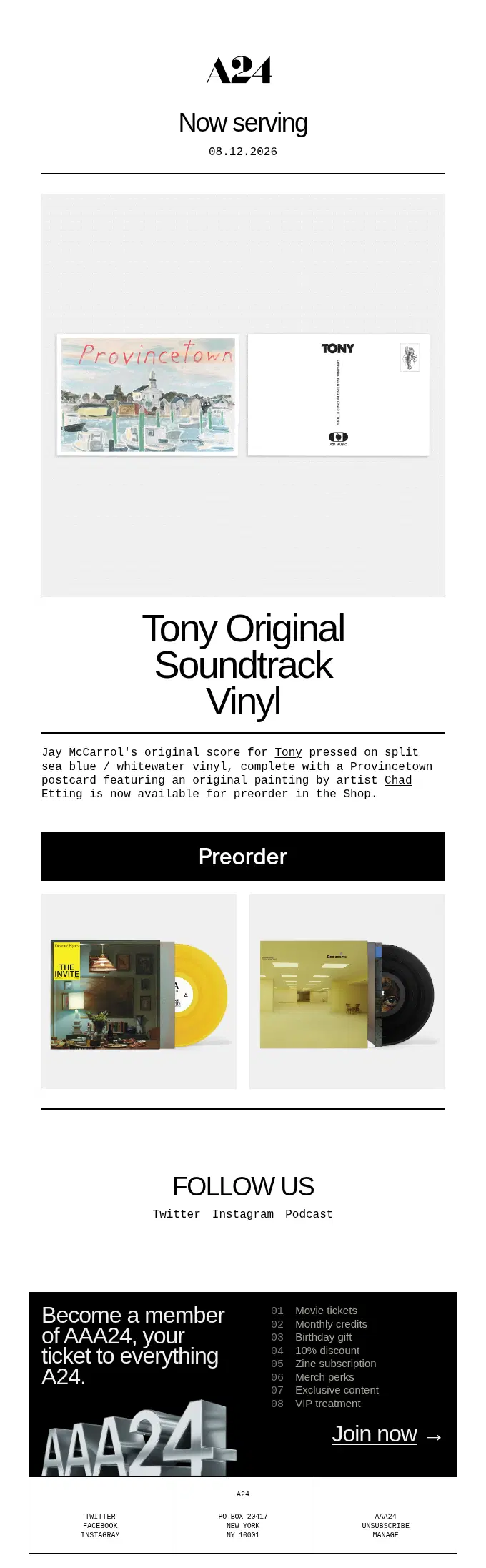
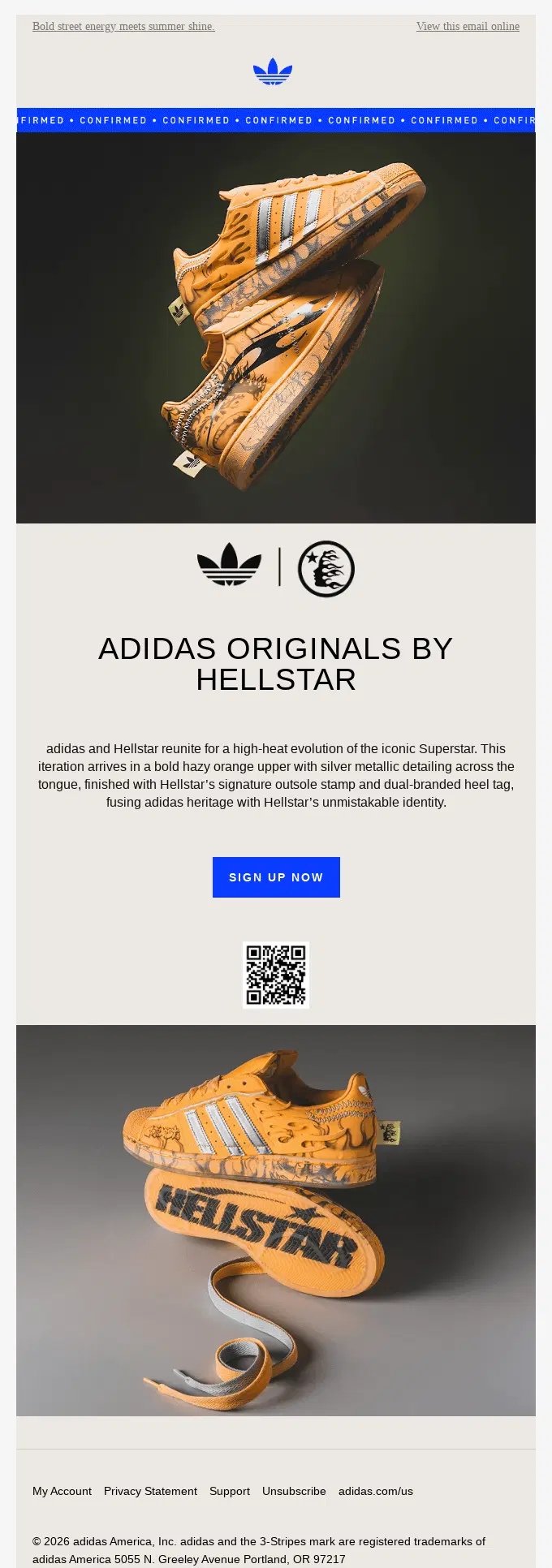
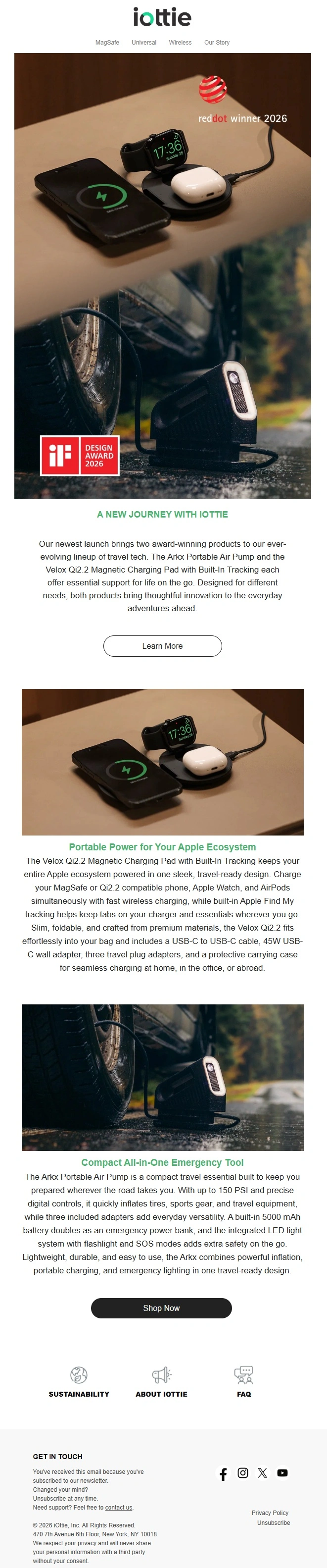
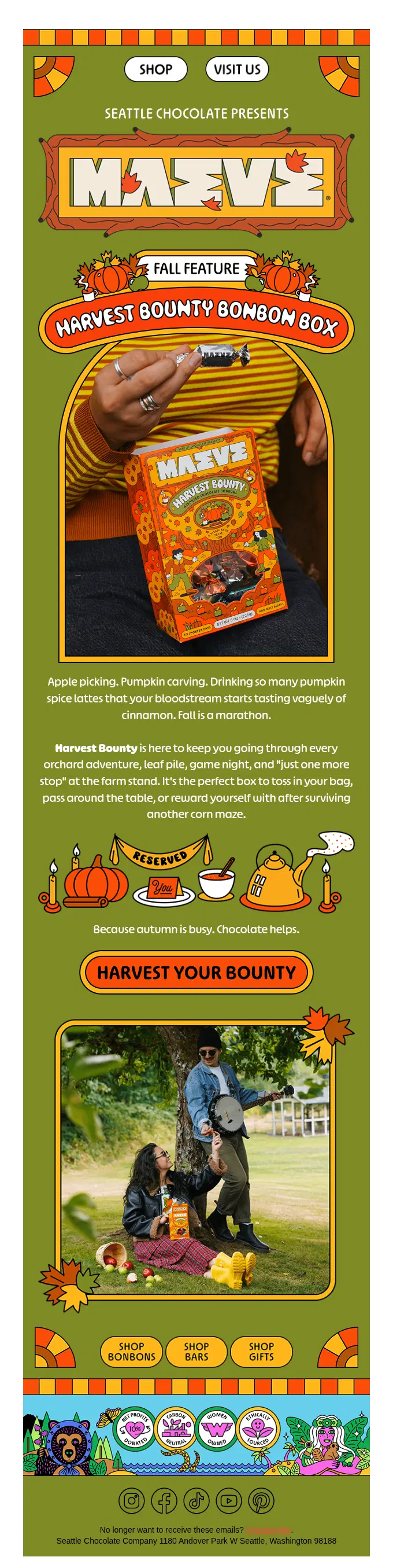
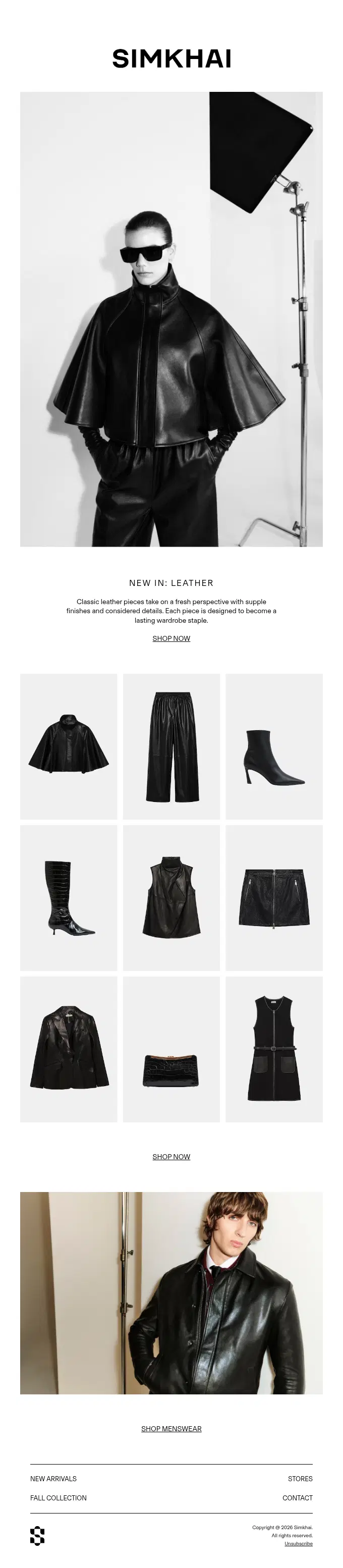
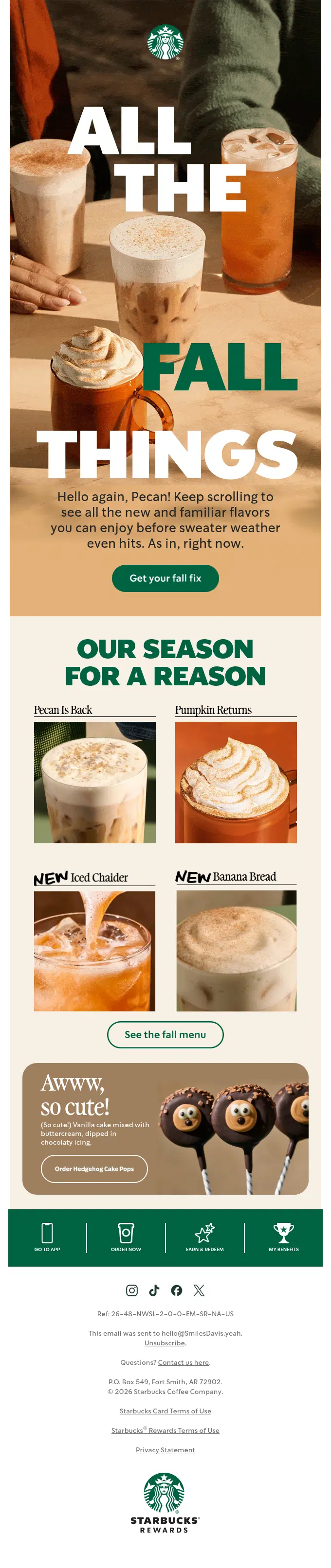
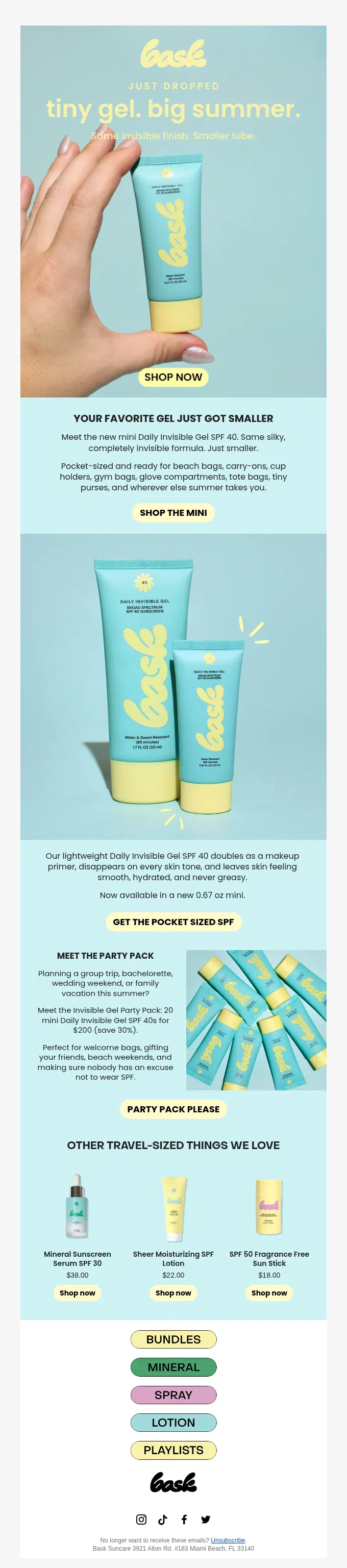
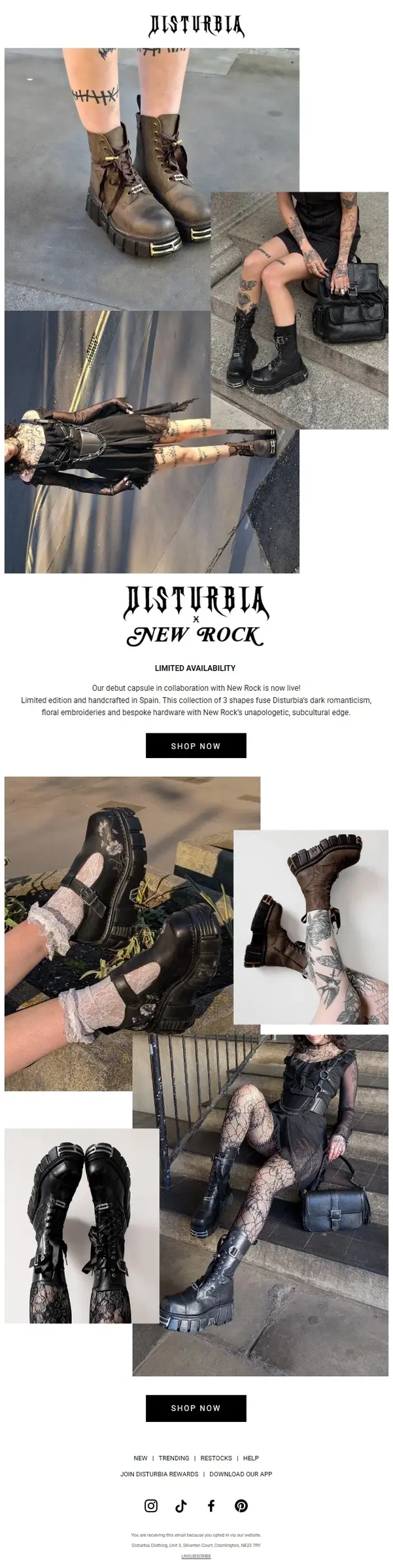
This is where the main reveal happens. The examples include launch-day announcements, “introducing” emails, new product reveals, collection launches, product drops, collaborations, and digital product releases that show subscribers what’s new and why it’s worth their attention.











Product Launch Offer Email Examples
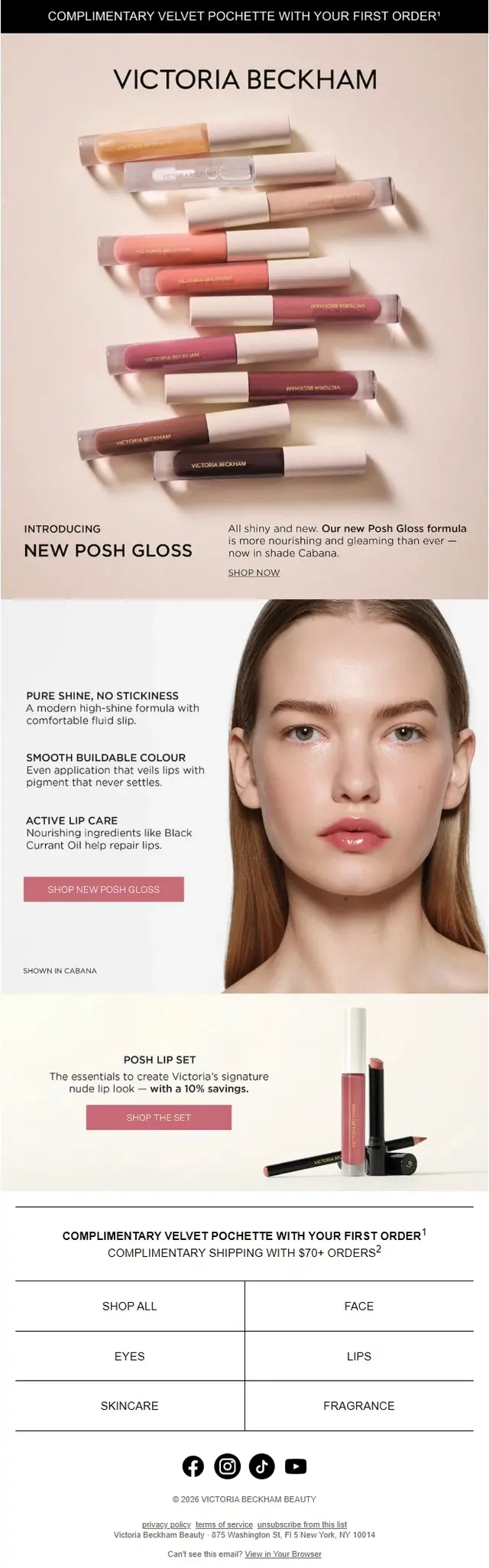
These emails add an extra incentive to the launch. The examples include introductory discounts, limited-time launch pricing, bundles, gifts with purchase, subscriber-only deals, and other offers designed to turn product interest into immediate action.



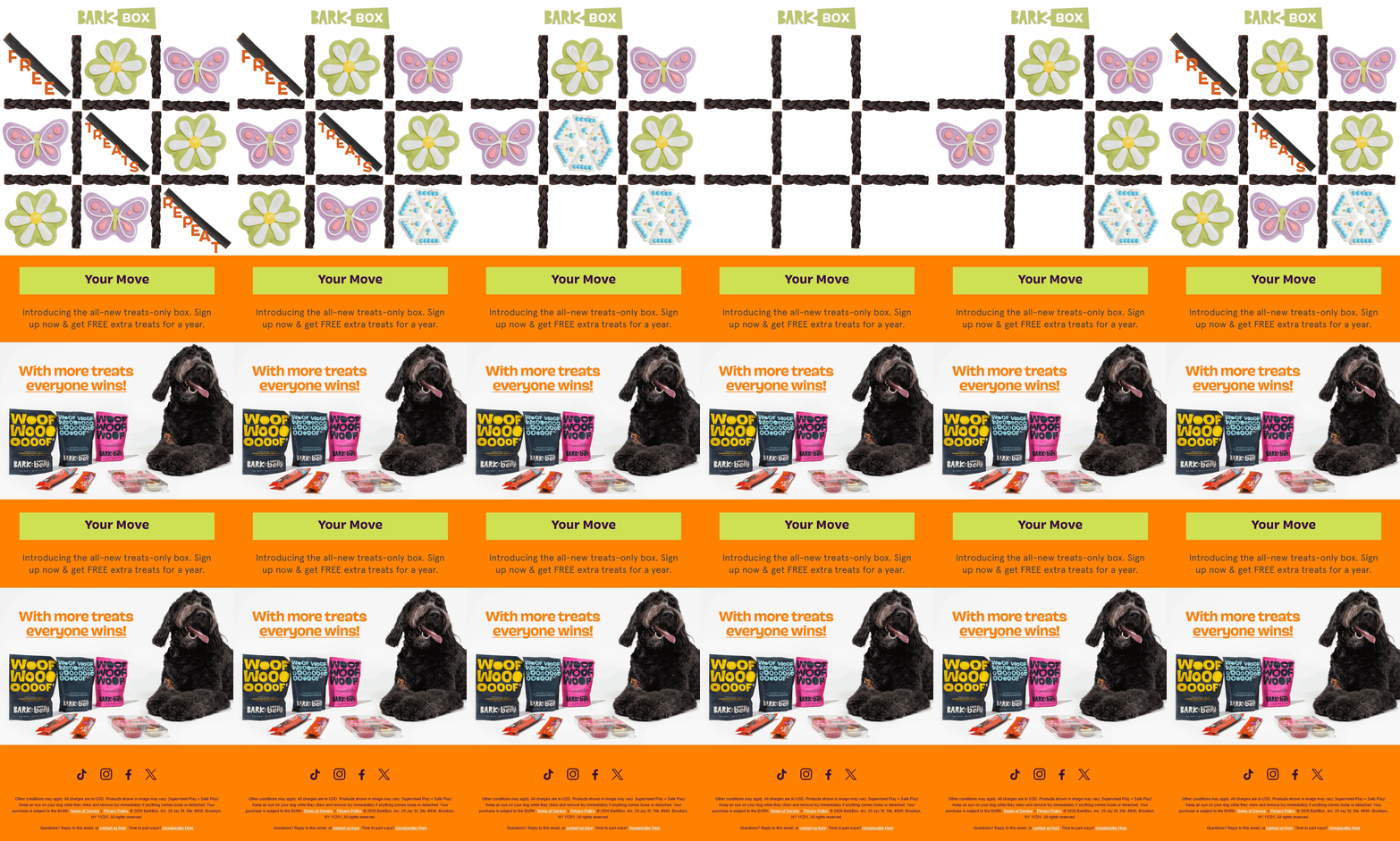







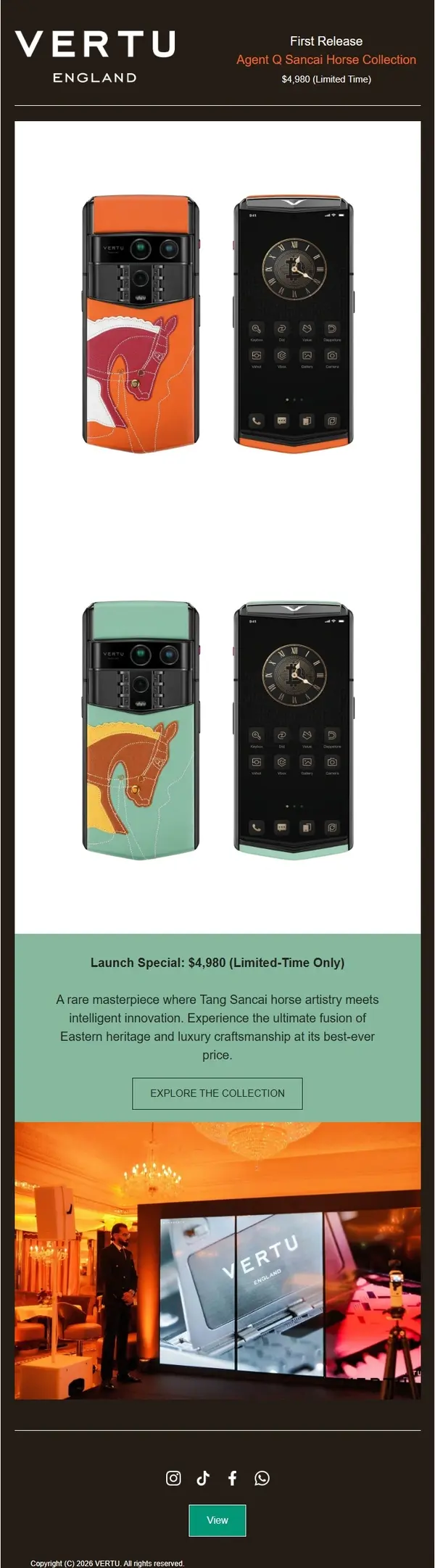



Have a product launch coming up?
We can design and code the email to match your brand and campaign.
Product Launch Follow-Up and Reminder Email Examples
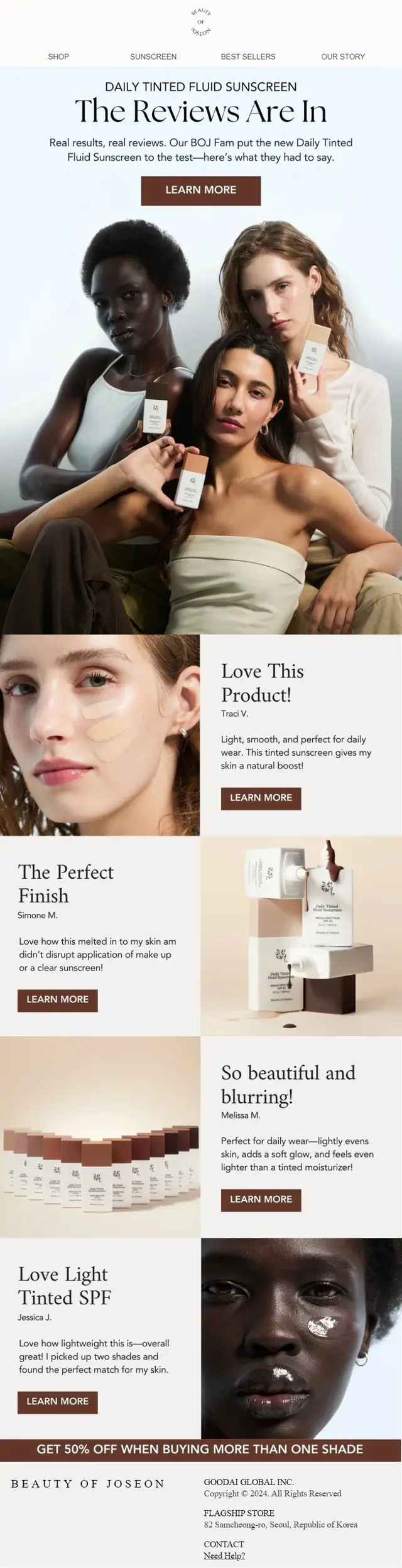
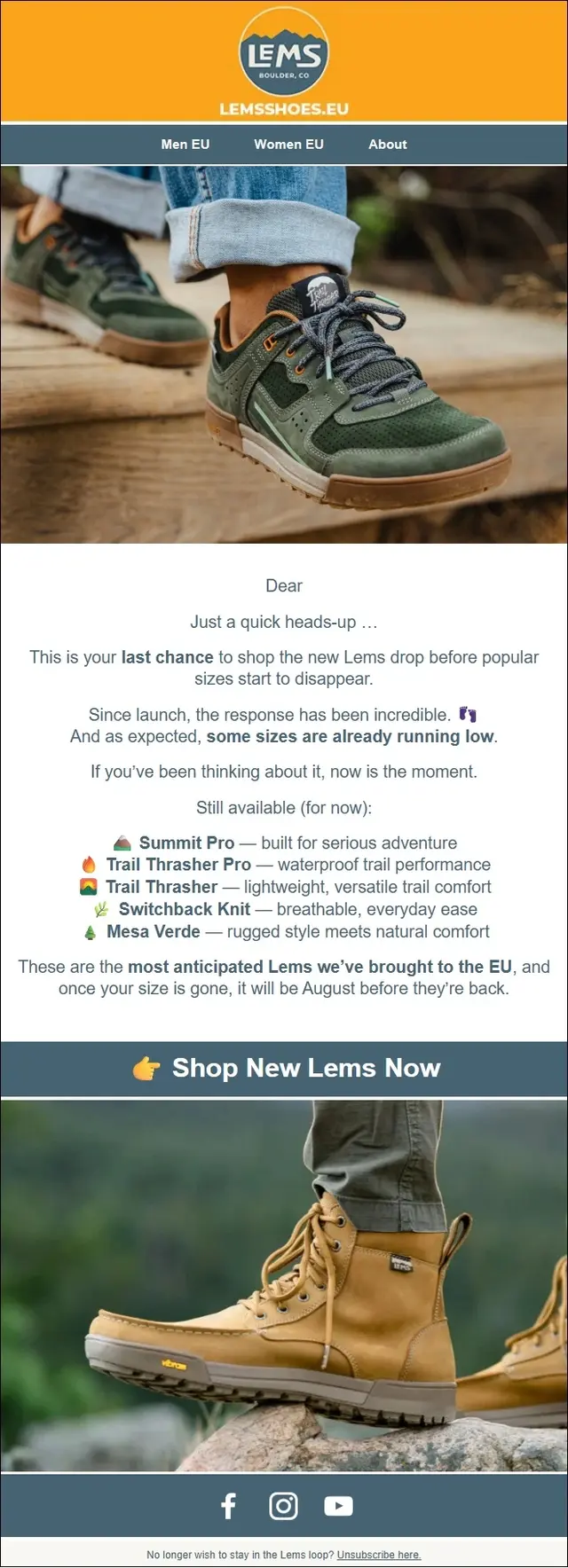
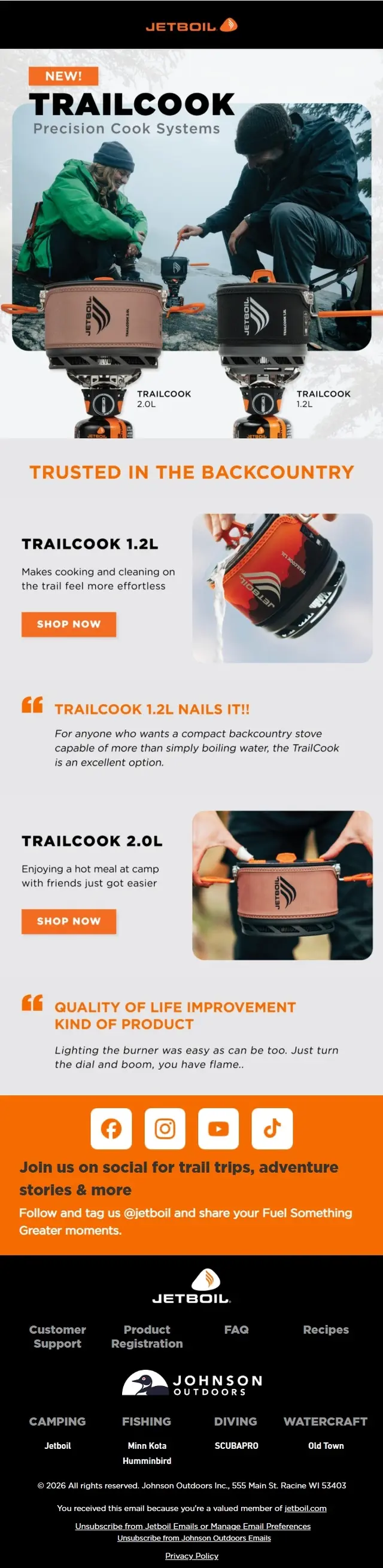
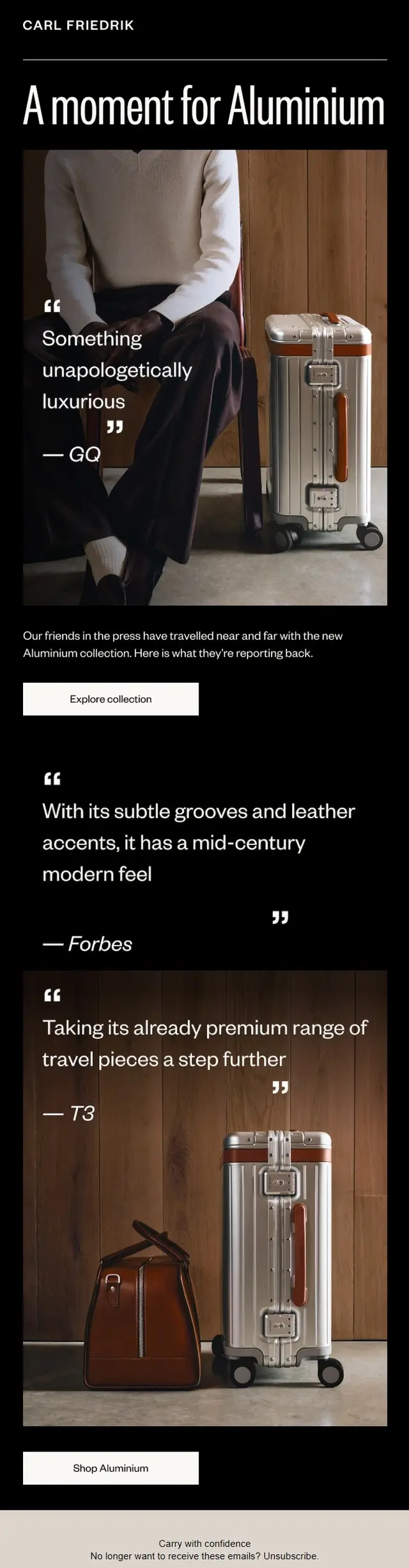
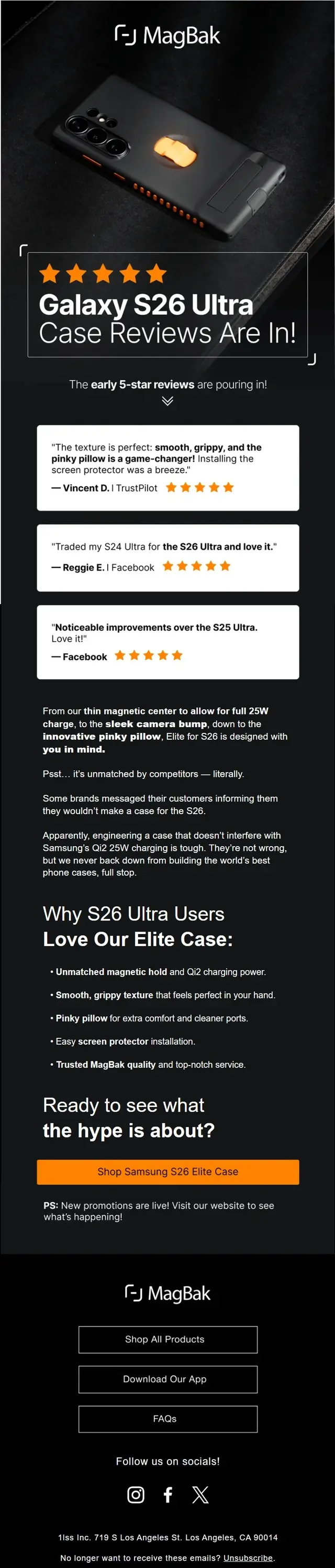
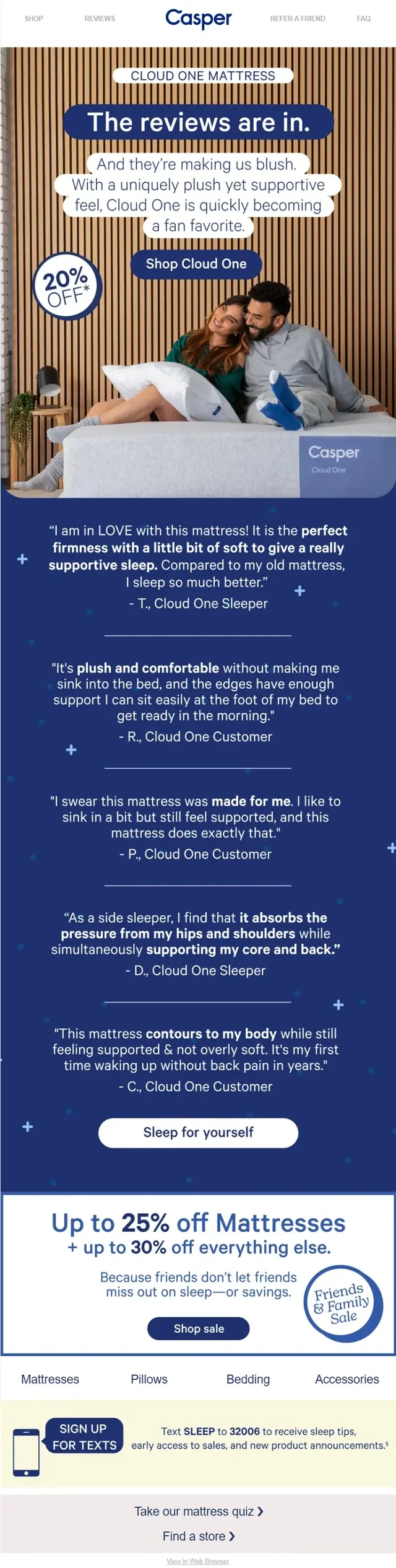
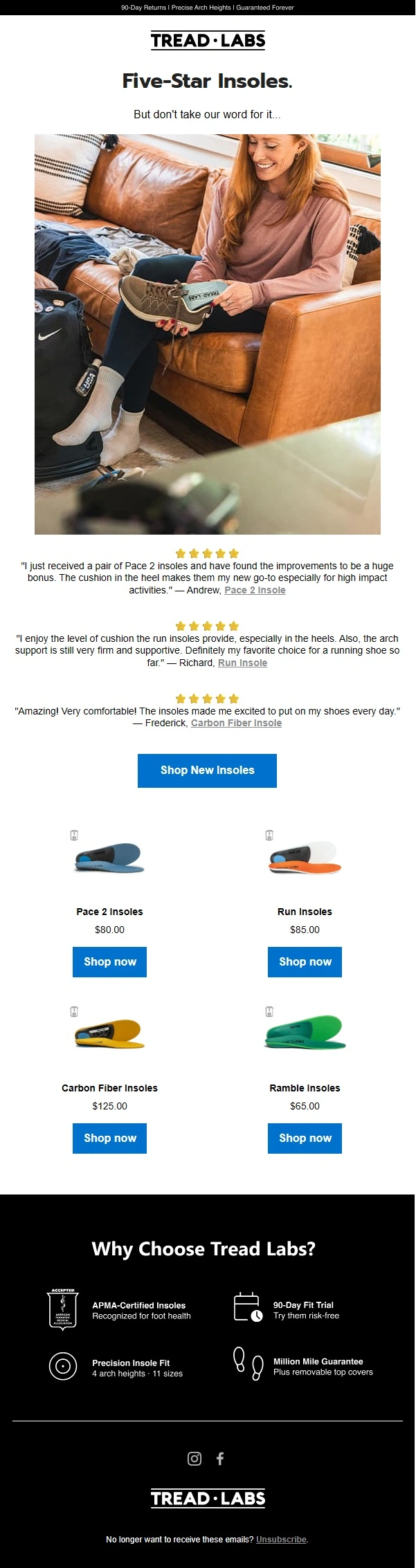
Not every subscriber converts from the first announcement. These examples include feature-focused follow-ups, product education, use cases, reviews, social proof, stock reminders, offer reminders, and final-call emails that keep the launch moving after the initial reveal.

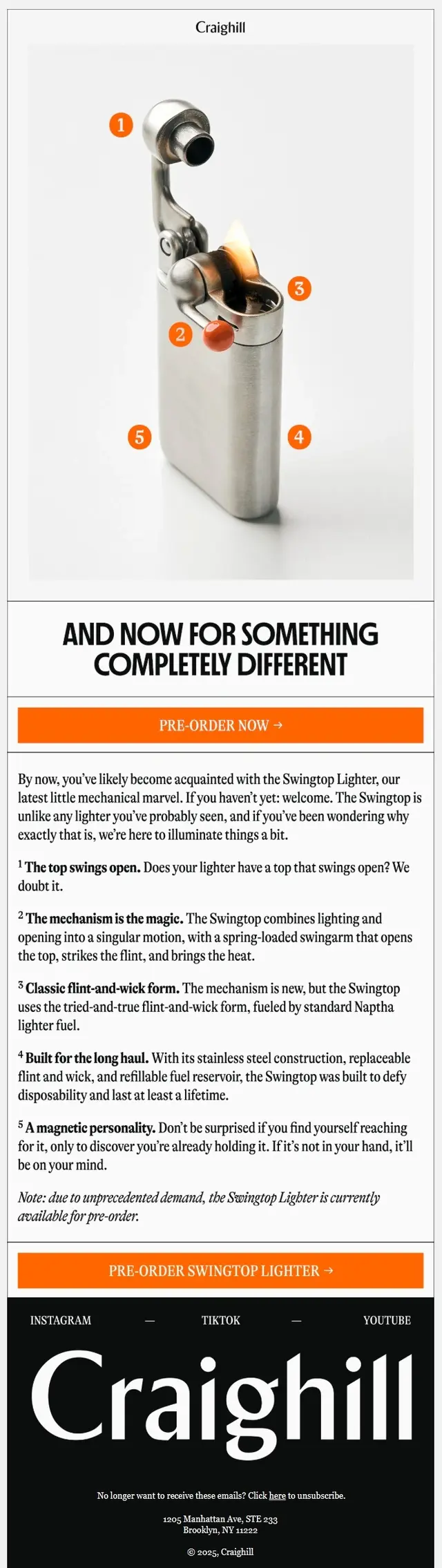


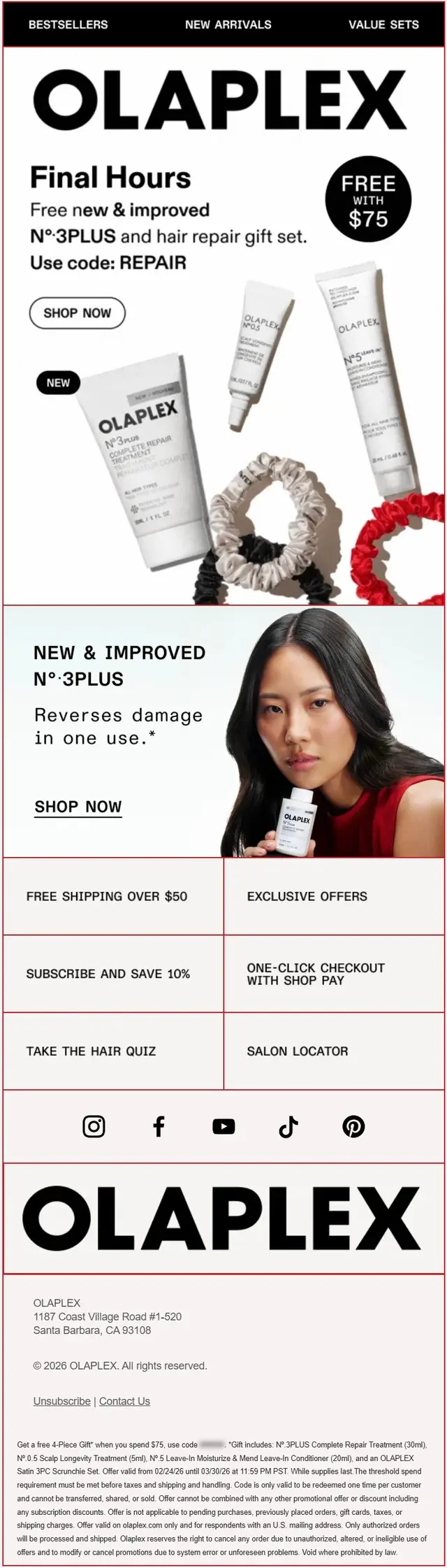




Product Launch Email Sequence Examples
A successful product launch often takes more than one email. This section features complete launch sequences that move from teasers and early access to the main announcement, follow-ups, offers, reminders, and final calls, showing how the individual emails work together as one campaign.
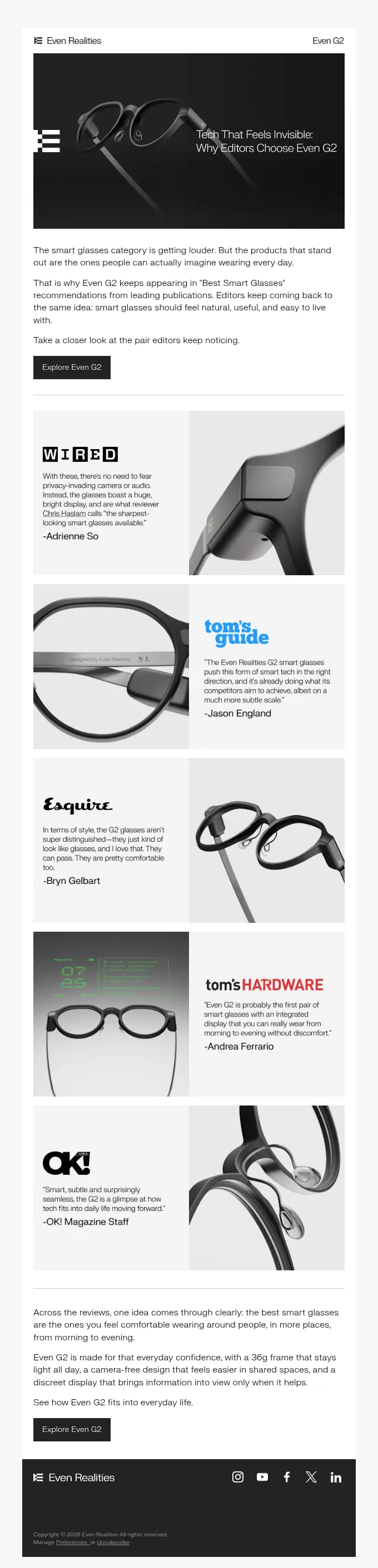
OUPES 2-Step Product Launch Email Sequence
OUPES starts the launch with a conversion-focused email built around pre-orders, free gifts, bundles, and a giveaway. The follow-up shifts from promotion to product education, comparing the new Guardian 6000 V2 with the previous model to help subscribers understand the differences and choose the right option.


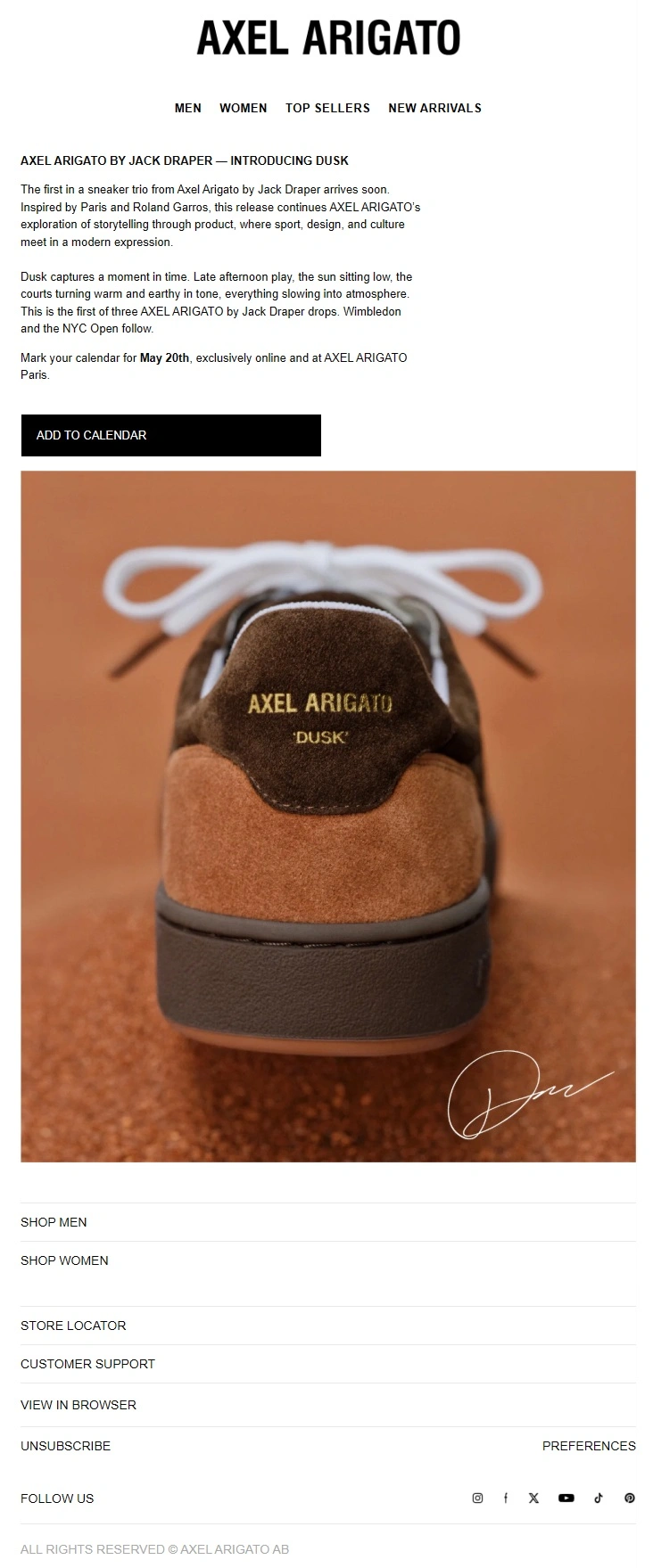
Axel Arigato 2-Step Product Launch Email Sequence
Axel Arigato starts with a teaser that introduces the upcoming Jack Draper collaboration, reveals the Dusk name, and encourages subscribers to save the launch date. The second email delivers the full product reveal with detailed imagery, design inspiration, collaboration storytelling, and a clear path to shop the new sneaker.
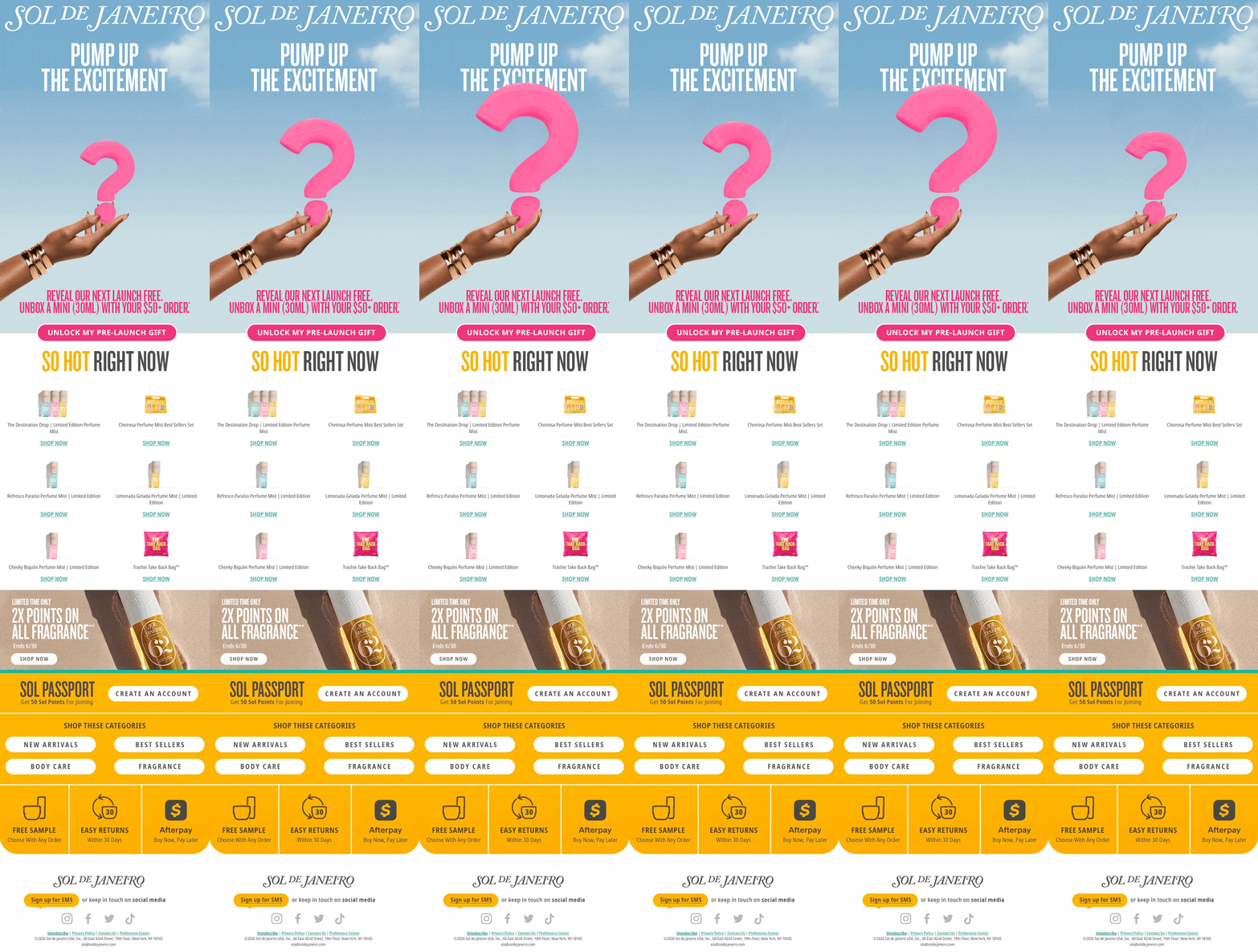
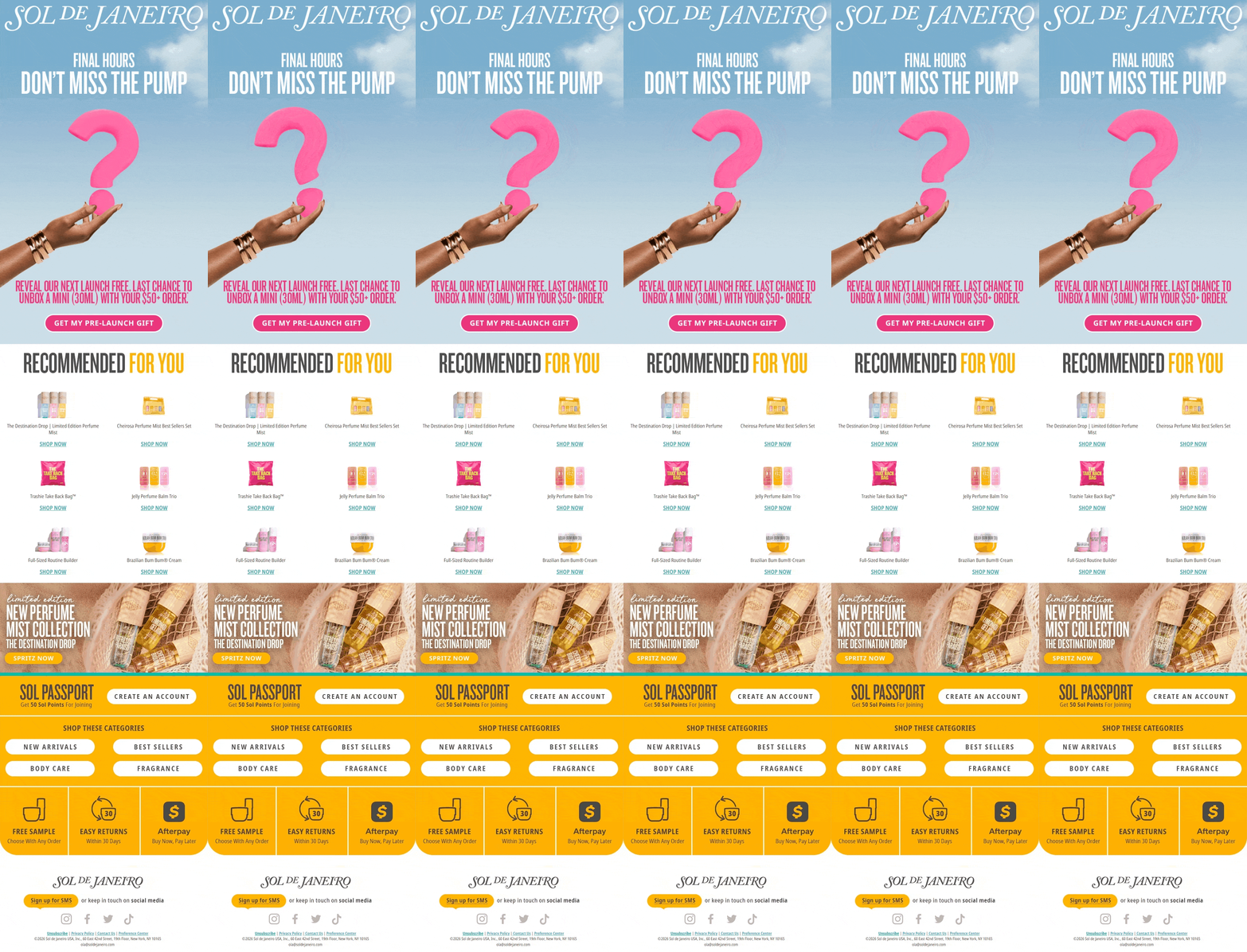
Sol de Janeiro 4-Step Product Launch Teaser Sequence
Sol de Janeiro builds anticipation for an unrevealed product through a four-email pre-launch campaign centered on mystery, hints, and a free mini incentive. The sequence gradually reveals more clues while repeatedly encouraging shoppers to unlock the secret launch with a qualifying order, ending with a final-hours reminder before the reveal.


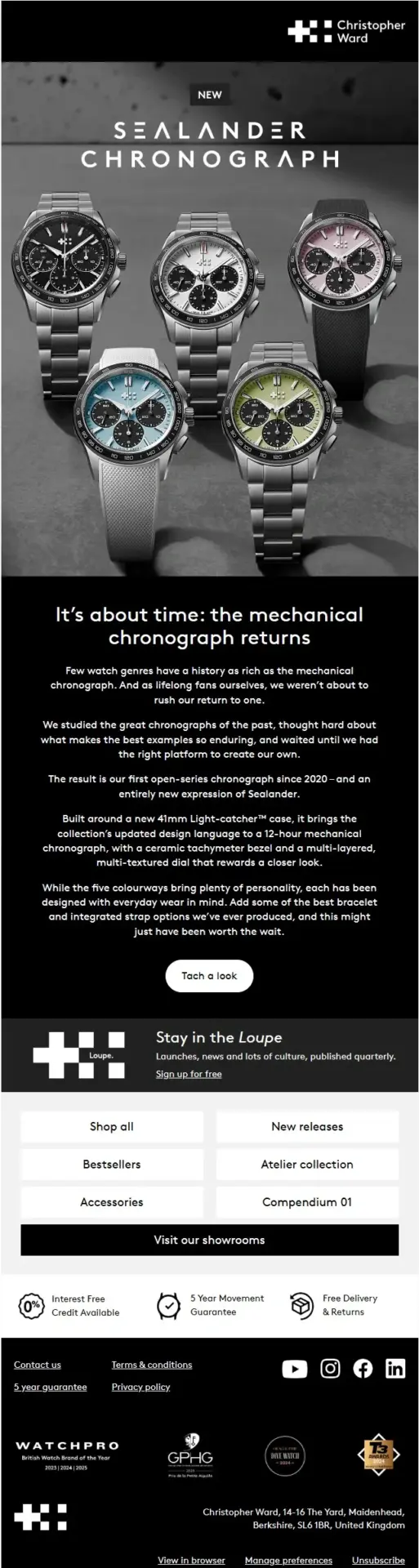
Christopher Ward 2-Step Product Launch Email Sequence
Christopher Ward opens with a full reveal of the new C63 Sealander Chronograph, explaining its design, mechanical movement, and range of colorways. The follow-up shifts to validation, bringing together expert reviews and press coverage to build confidence in the newly launched collection.

Ferris Wheel Press 4-Step Product Launch Email Sequence
Ferris Wheel Press begins by previewing its upcoming FerriTales releases and announcing the launch date. Loyalty members then receive 24-hour priority access with exclusive bonus gifts, followed by a broader public launch offer. The sequence ends with a last-chance reminder that adds urgency around the same launch incentive before it expires.




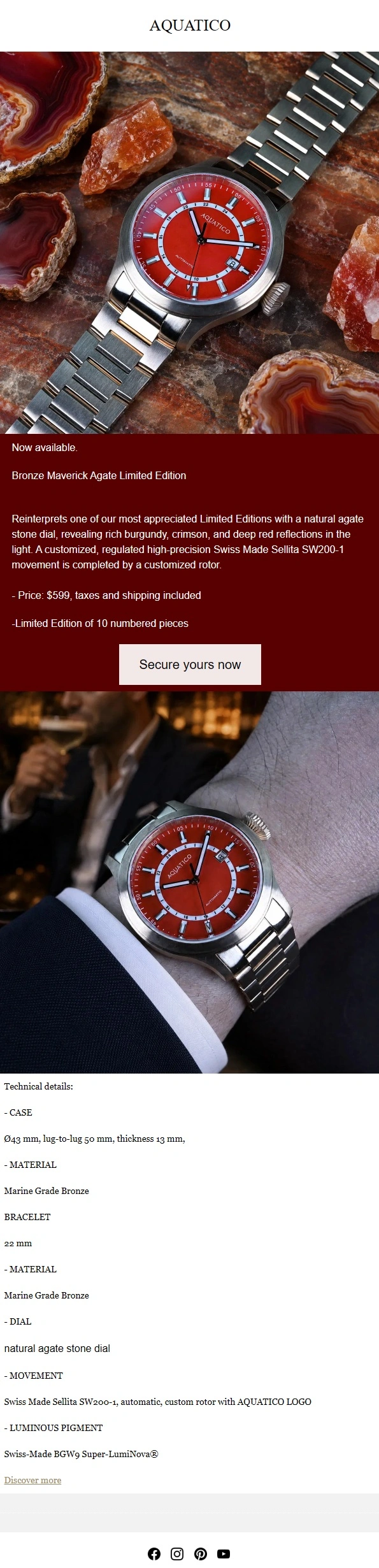
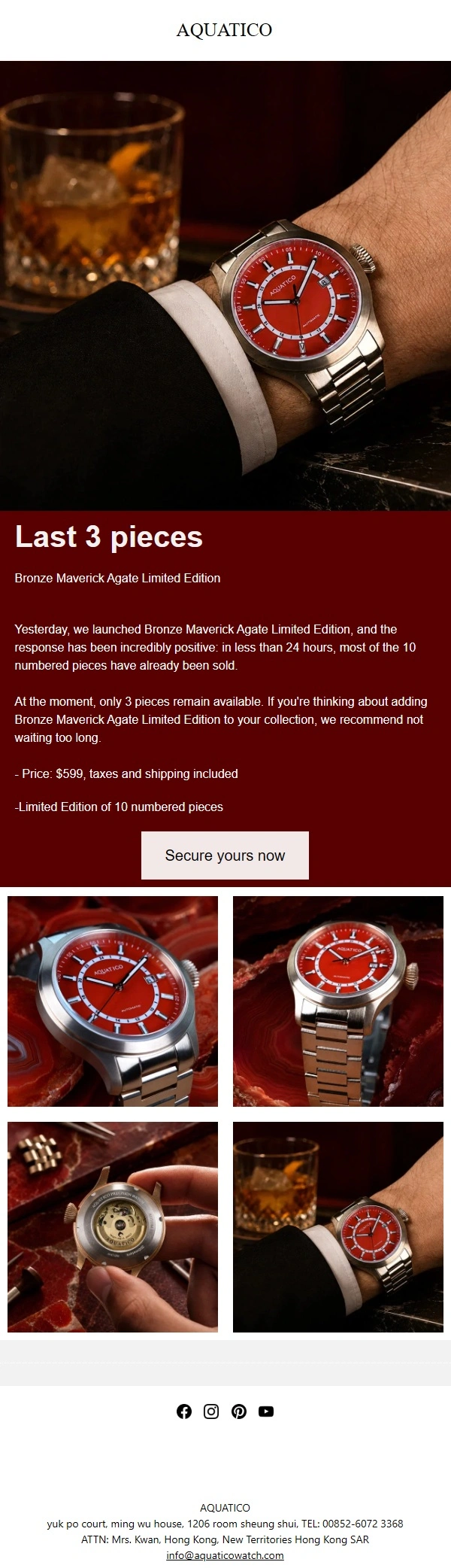
Aquatico 2-Step Product Launch Email Sequence
Aquatico opens with a detailed reveal of the Bronze Maverick Agate Limited Edition, emphasizing its natural stone dial, craftsmanship, and extremely limited production. The follow-up arrives the next day with a low-stock update, using strong early demand and only three remaining pieces to add urgency to the launch.
How to Write a Product Launch Email
A strong product launch email makes the new product easy to understand and gives subscribers a clear reason to care. Start with the main announcement or benefit, show the product prominently, explain what makes it different, and guide the reader toward one clear next step.
Keep the message focused on what the product means for the customer rather than listing every feature. Supporting details, visuals, social proof, and urgency can help, but they should reinforce the main launch message rather than compete with it.
What to Include in a Product Launch Email
- A clear announcement or launch hook
- The main customer benefit
- Product visuals or a quick demonstration
- Key features or differentiators
- One primary call to action
- Relevant launch details, such as availability, pricing, or deadlines
Product Launch Email Subject Line Ideas
A good product launch subject line should make the timing and value of the email clear without trying to say everything at once. The best angle depends on where the subscriber is in the launch journey — teaser, early access, launch day, offer, or follow-up.
| Subject line angle | Best for | Examples |
|---|---|---|
|
Coming soon / teaser |
Building curiosity before the reveal |
Something new is coming / Meet what’s next / A new launch is almost here / Save the date |
|
Sneak peek |
Showing part of the product before launch |
Your first look 👀 / A sneak peek at what’s coming / See it before everyone else |
|
Waitlist |
Capturing intent before launch |
Join the waitlist / Be first in line / Get notified when it drops |
|
Early access |
VIP, member, or subscriber-first launches |
Early access starts now / You get first access / Shop before everyone else |
|
Pre-order |
Products available to reserve before release |
Pre-order starts now / Reserve yours today / Be one of the first to get it |
|
Launch day |
Main product reveal |
It’s here / Meet our newest launch / Introducing [Product Name] / Just dropped |
|
Launch offer |
Discounts, gifts, bundles, or launch pricing |
Launch offer: 20% off / Meet the new [Product] + a free gift / Special launch pricing ends soon |
|
Feature-led |
Products that need explanation or education |
Meet the [Product] built for [benefit] / A better way to [job to be done] / Why we made [Product Name] |
|
Social proof |
Post-launch follow-ups |
The reviews are in / See what people are saying / Already a customer favorite |
|
Scarcity |
Limited editions or low stock |
Selling fast / Only a few left / Almost gone / Limited release, limited stock |
|
Reminder |
Re-engaging subscribers after launch |
Still thinking about it? / In case you missed it / A closer look at our newest launch |
|
Last chance |
Closing a launch offer or pre-order window |
Final hours / Last chance to shop the launch / Launch offer ends tonight |
A few formulas also work especially well because they are easy to adapt:
Introducing [Product Name]: [main benefit]
Meet [Product Name], made for [use case]
[Product Name] is here
Get early access to [Product Name]
Last chance: [launch offer or incentive]
The reviews are in for [Product Name]
Product Launch Email Best Practices
A strong product launch campaign is rarely built around a single announcement. The best launches create momentum across several emails, giving subscribers different reasons to pay attention before, during, and after launch day.
Build Anticipation Before the Launch
Use teaser emails, sneak peeks, waitlists, or countdowns to create interest before the product becomes available. You do not need to reveal everything at once—a product detail, key benefit, launch date, or intriguing visual can be enough to build curiosity.
Give Early Access a Real Benefit
If you offer early access, make it feel genuinely exclusive. Give subscribers a meaningful head start, limited availability, special pricing, or another benefit that rewards them for being on your list.
Lead With What Makes the Product Different
Launch emails should quickly answer one question: why should someone care about this product? Focus on the strongest benefit, use case, innovation, or point of difference instead of overwhelming readers with every feature.
Use More Than One Launch Email
Not everyone will see or act on the first announcement. Follow the initial launch with emails that approach the product from different angles, such as features, comparisons, demonstrations, reviews, use cases, offers, or FAQs.
Add an Offer Only When It Supports the Launch
Discounts, gifts, bundles, and introductory pricing can help drive early purchases, but the offer should not completely overshadow the product. Subscribers should still understand what is launching and why it is worth buying.
Use Social Proof After Launch
Once reviews, customer feedback, press coverage, or early results start coming in, use them. Social proof can give interested subscribers the extra reassurance they need before making a purchase.
Create Urgency With Something Real
Launch deadlines, pre-order windows, limited editions, expiring gifts, and low stock can all create urgency. Be specific about what is ending or running out instead of relying on vague “act fast” messaging.
Keep the Campaign Visually Consistent
Teasers, launch-day emails, and follow-ups should feel like parts of the same campaign. Repeating key colors, imagery, typography, product photography, or campaign language makes the launch easier to recognize across the inbox.
Match the CTA to the Stage of the Launch
A teaser might use “Join the Waitlist” or “Notify Me,” while early access calls for “Shop Early Access” and launch day might use “Shop Now.” Follow-up emails can shift toward “See the Reviews,” “Compare Models,” or “Last Chance” depending on the message.
Test More Than the Subject Line
Subject lines matter, but so do hero messaging, product imagery, CTA wording, offer presentation, and send timing. Testing different parts of the campaign can reveal which launch angles actually move subscribers from curiosity to action.
Frequently Asked Questions
How do you build an email list before a product launch?
Start collecting interested subscribers before the launch through a dedicated landing page, waitlist, early-access signup, or relevant lead magnet. Give people a clear reason to join, such as first access, launch updates, exclusive pricing, or a limited bonus. Keep the signup focused on the upcoming product so the audience you build is genuinely interested in the release.
What is an internal product launch email?
An internal product launch email announces a new product, feature, or release to employees or internal teams before or alongside the public launch. It typically explains what is launching, why it matters, who it is for, key dates, positioning, and any actions employees need to take. Sales, support, marketing, and customer-facing teams may also receive additional product details or talking points.
How do you tease a new product launch via email?
Reveal enough to create curiosity without giving away the entire launch. You might show part of the product, hint at a key benefit, share behind-the-scenes imagery, introduce a countdown, or reveal the launch date. A waitlist or “Notify Me” CTA gives interested subscribers a useful next step while anticipation builds.
Can product launch emails be used for SaaS or software products?
Yes. SaaS and software launches can use the same basic campaign stages as physical product launches, including teasers, early access, launch announcements, product education, and follow-ups. The main difference is usually the content: software launch emails often focus more heavily on features, use cases, demonstrations, onboarding, and how the new product changes the user’s workflow.
When should you start sending product launch emails?
Start before launch day rather than waiting until the product is available. A simple campaign can begin several days or a few weeks in advance with a teaser, waitlist, or early-access email, followed by the main launch announcement and post-launch reminders. The exact timing depends on the product, audience, and how much education or anticipation the launch requires.
Ready for the Next Launch?
A product launch rarely comes down to one email. The teaser, the reveal, the follow-up, the reminder — each one has a job to do, and they work best when they feel like part of the same story.
MailBakery can help you design and code product launch emails that fit your brand and campaign, whether you need one standout email or a full sequence for the whole launch.