32 Event Email Examples (Invitations, Announcements, Reminders & More)


Most event emails have a simple job. Get people to register, attend, engage, or come back.
The challenge is that every stage of the event journey requires a different type of message. An invitation email needs to create excitement. A reminder email needs to drive action. A follow-up email needs to keep the conversation going after the event ends.
The best event email examples understand exactly what the audience needs at each moment.
In this collection, you’ll find event invitation emails, announcements, reminders, confirmations, follow-ups, and promotional campaigns from brands that know how to turn inbox messages into attendance, engagement, and results.
Quick links:
Event Invitation Email Examples
Event Announcement Email Examples
Event Registration Confirmation Email Examples
Event Follow-Up Email Examples
Event Promotion Email Examples
Types of Event Emails
Different emails support different stages of the attendee journey, from generating registrations to maintaining engagement after the event. The table below summarizes the most common types of event emails, their purpose, and when to send them.
| Event Email Type | Purpose | When to Send |
|---|---|---|
|
Event Invitation Email |
Invites recipients to register or RSVP for an upcoming event. |
When registration opens or several weeks before the event. |
|
Event Announcement Email |
Introduces a new event and shares key details such as date, location, speakers, or agenda. |
As soon as the event is officially announced. |
|
Event Reminder Email |
Reminds registered attendees about the event and encourages attendance. |
A few weeks, days, or hours before the event. |
|
Event Confirmation Email |
Confirms a successful registration and provides important event information. |
Immediately after registration or ticket purchase. |
|
Event Follow-Up Email |
Continues the conversation after the event by sharing resources, recordings, surveys, or next steps. |
Within 24–72 hours after the event ends. |
|
Event Promotional Email |
Creates urgency and drives registrations through special offers, deadlines, speaker announcements, or exclusive benefits. |
Throughout the promotion period leading up to the event. |
Together, these email types help event organizers guide attendees through every stage of the event lifecycle, from initial awareness to post-event engagement. In the examples below, we’ve grouped event emails into these six categories to make it easier to find inspiration for your specific campaign goals.
Event Invitation Email Examples
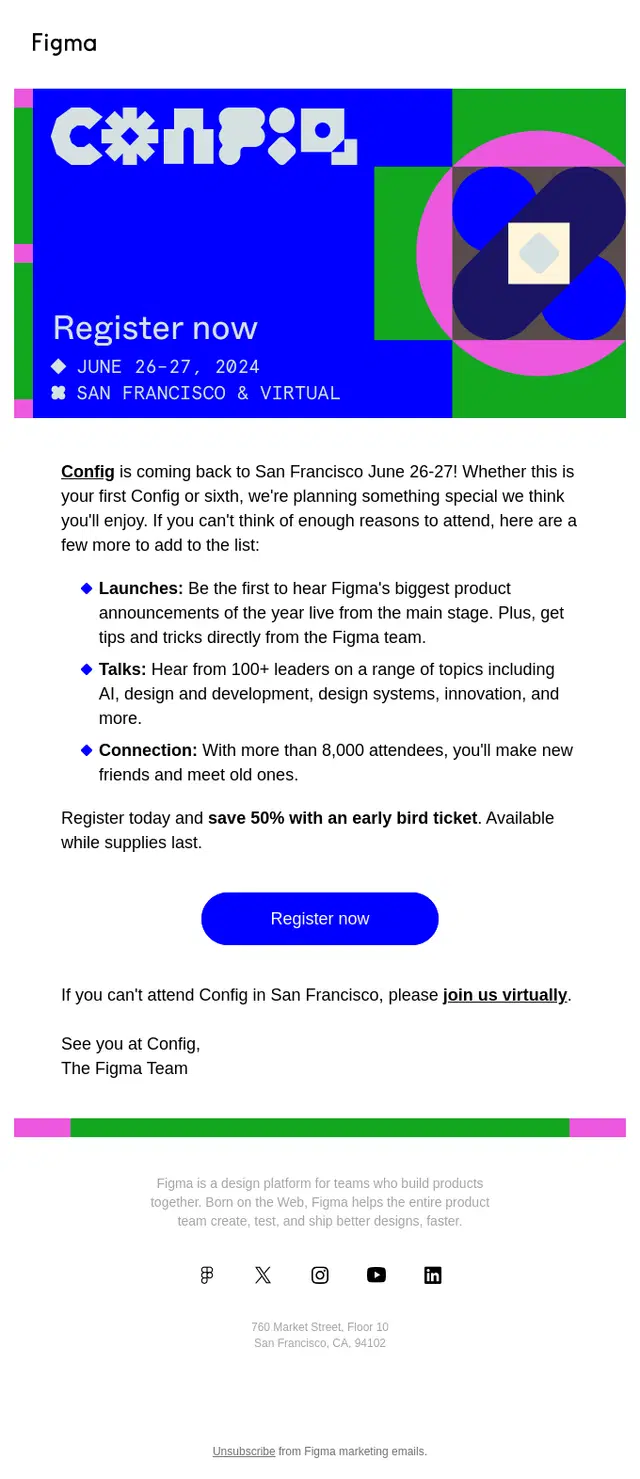
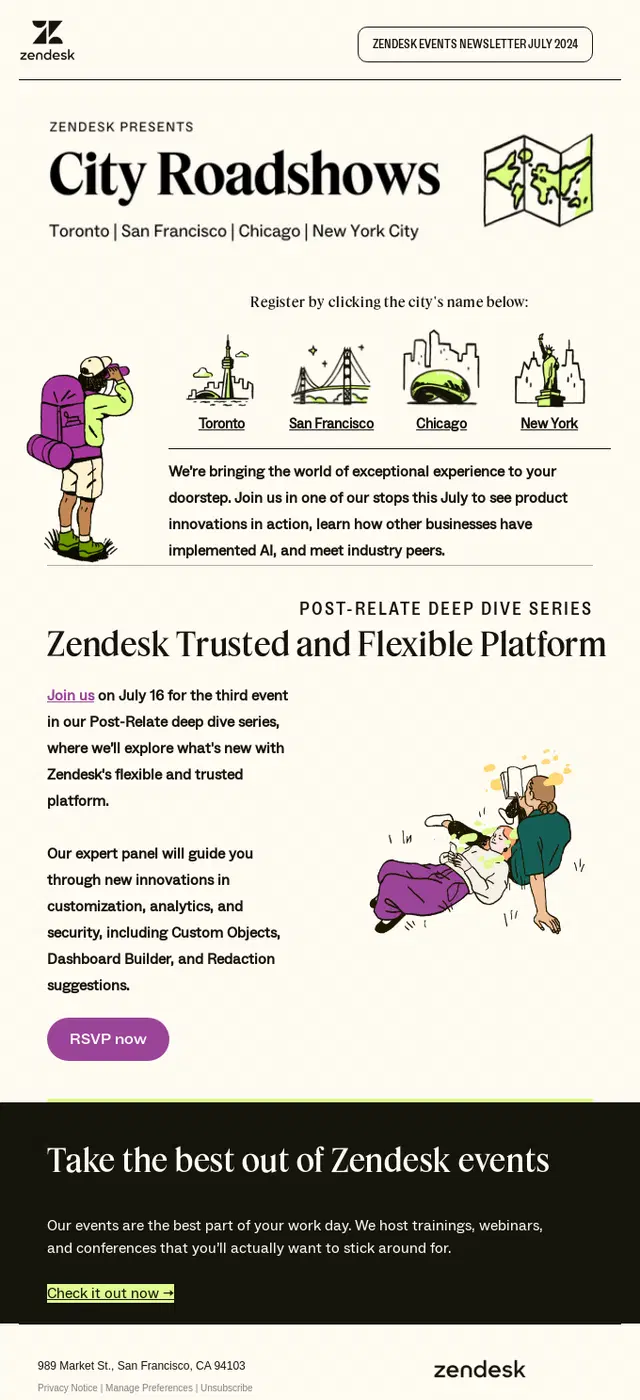
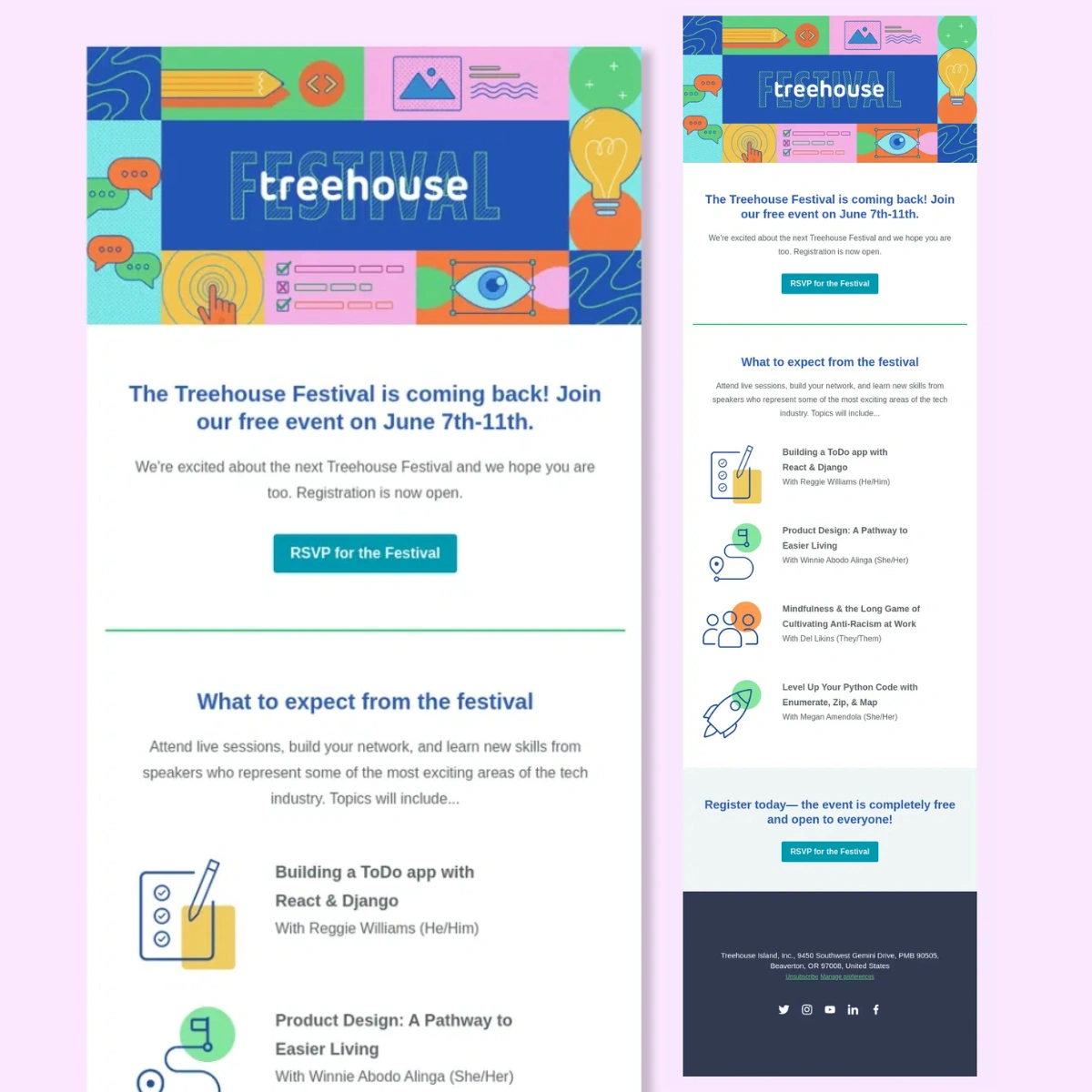
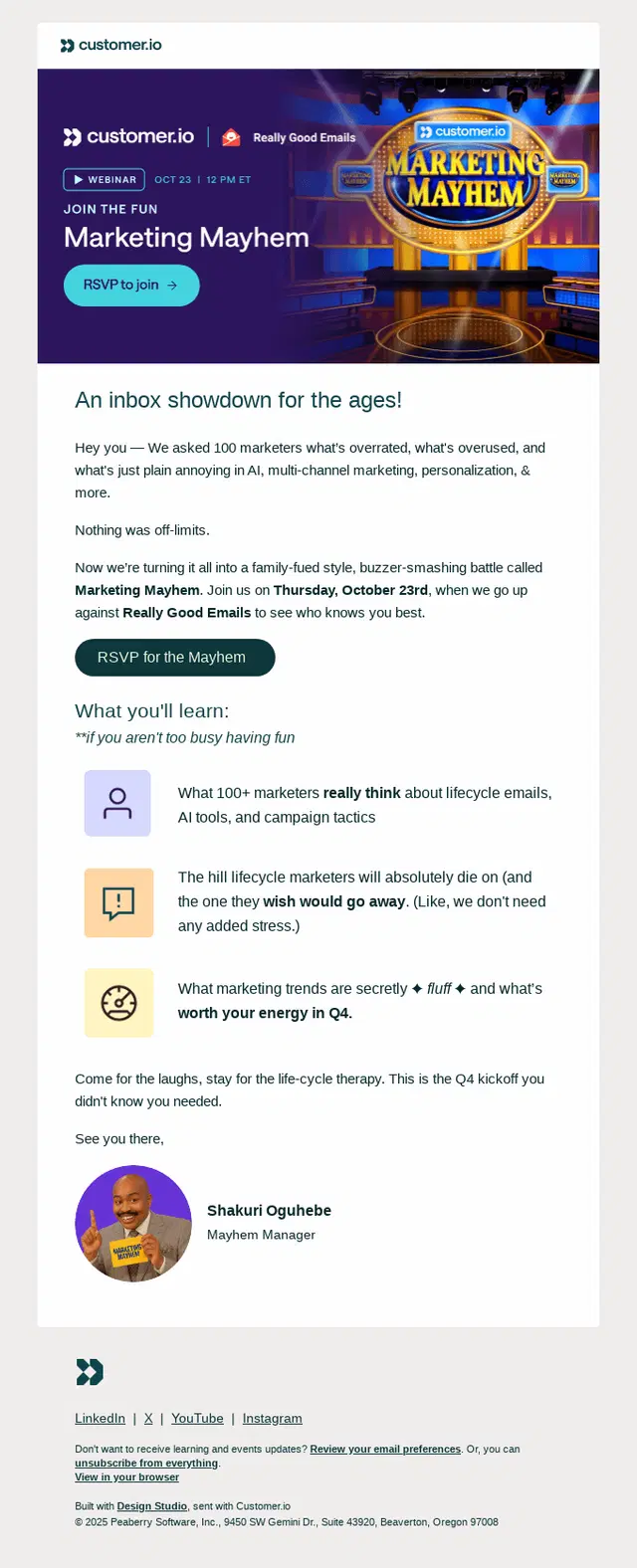
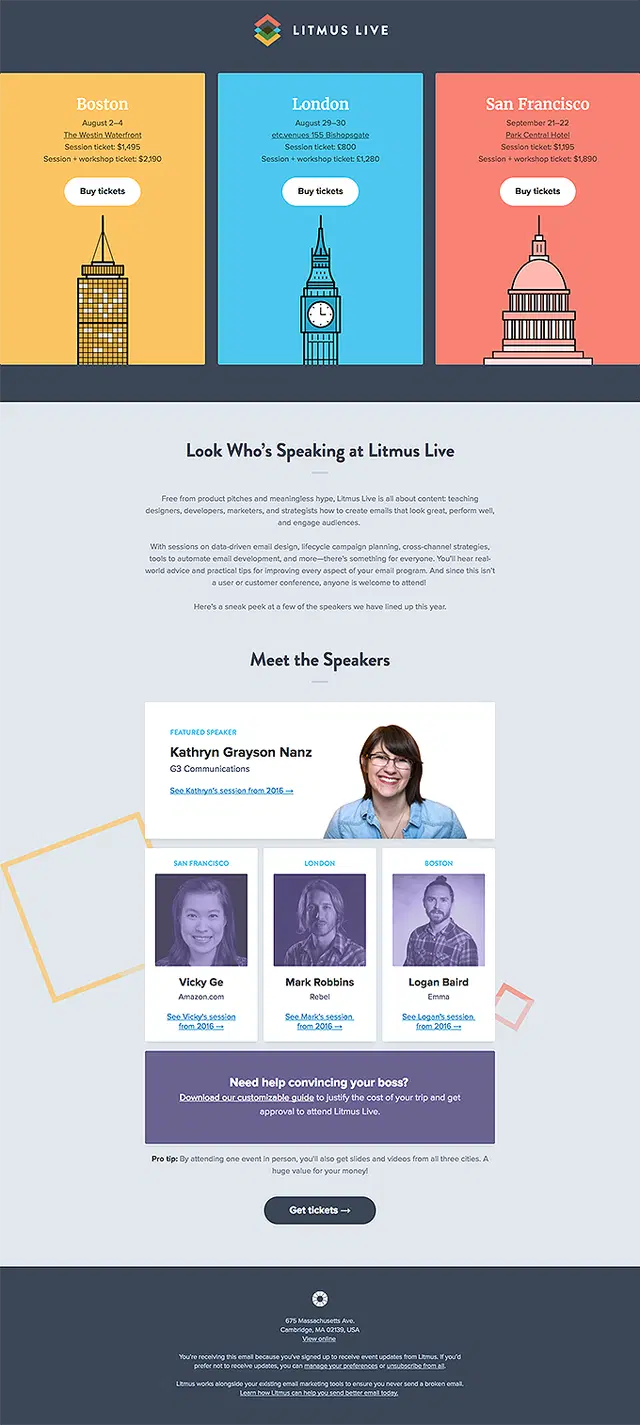
Event invitation emails are responsible for generating the initial registration or RSVP. Their job is to create enough interest and excitement to convince recipients that the event is worth attending.
The strongest event invitation emails make the value of attending immediately clear. Whether the event is a webinar, conference, product launch, networking event, or community gathering, successful invitations answer three questions quickly:
- What is the event?
- Why should I attend?
- How do I register?
The examples below show different approaches brands use to attract attention, communicate value, and drive registrations.

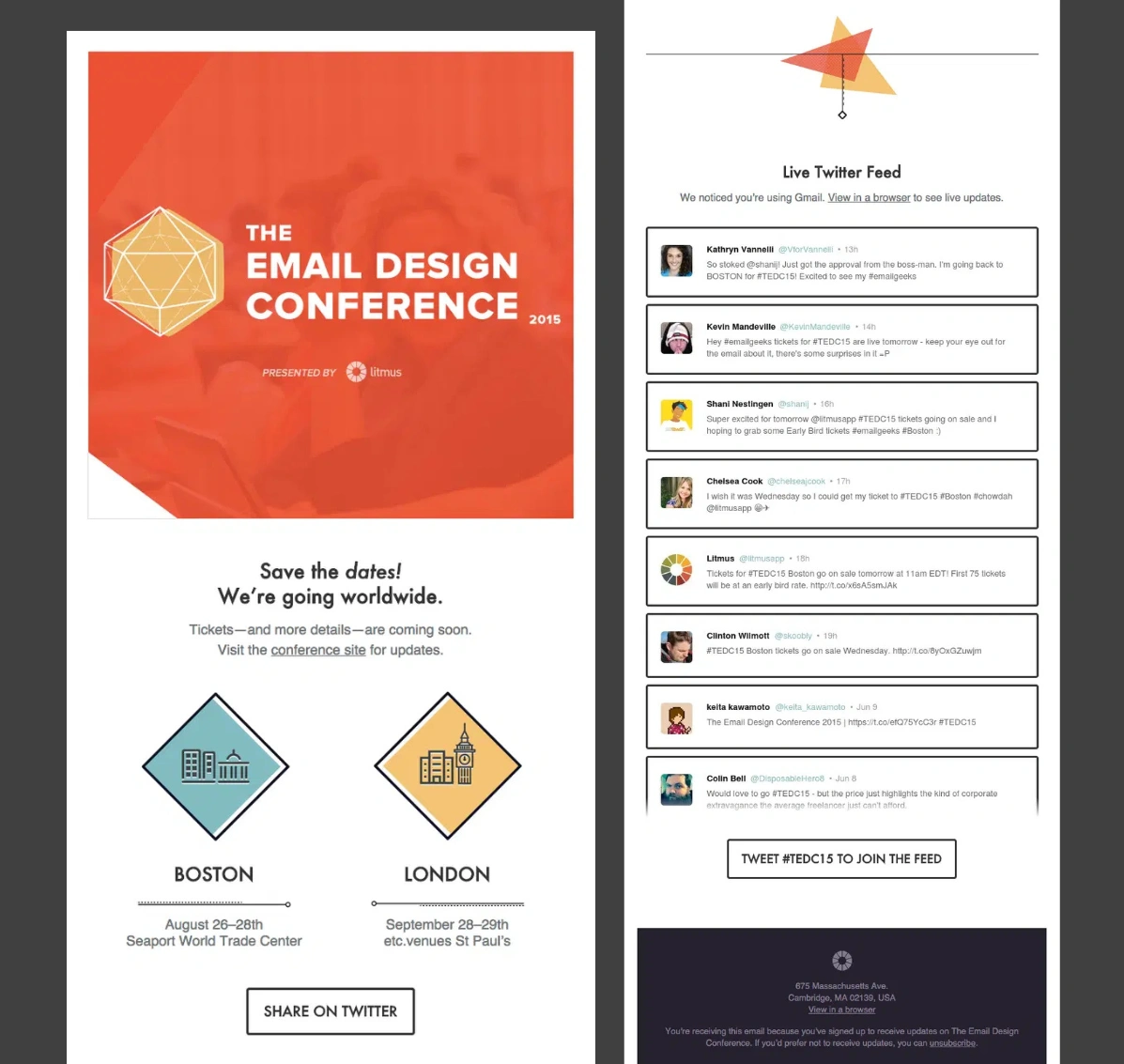
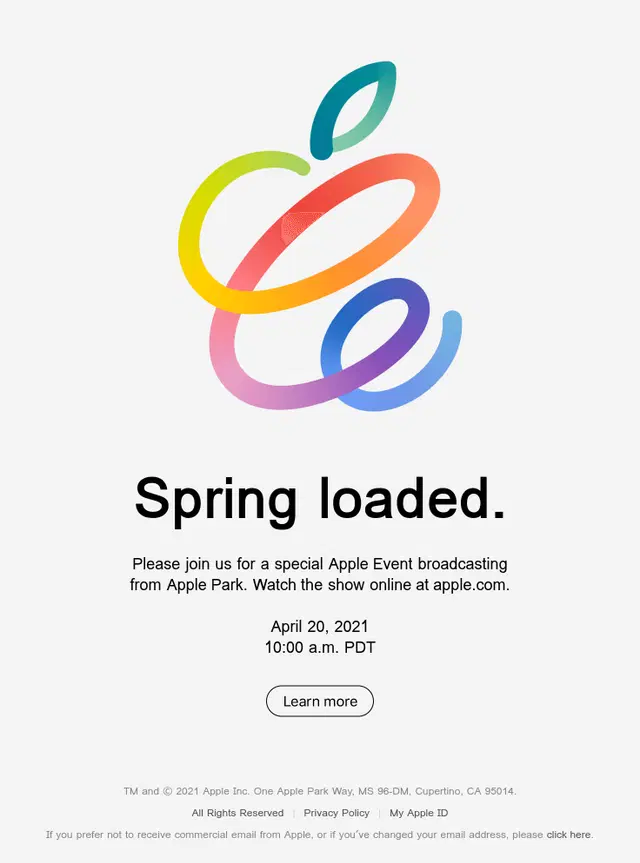
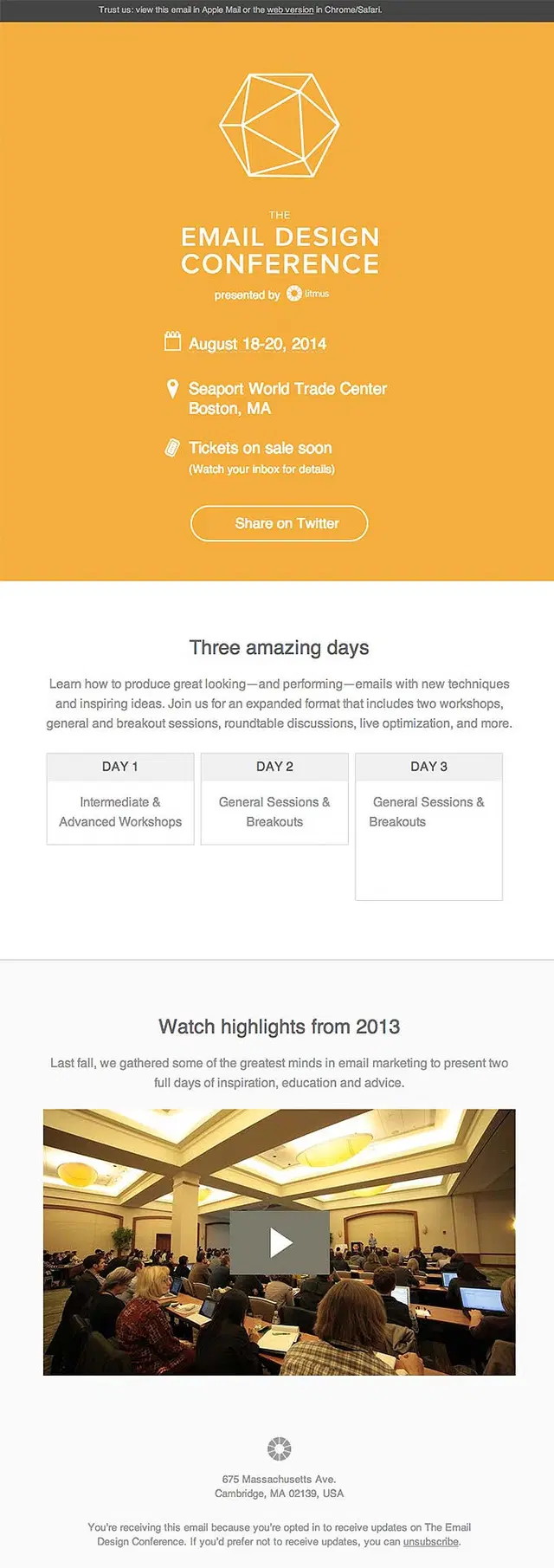
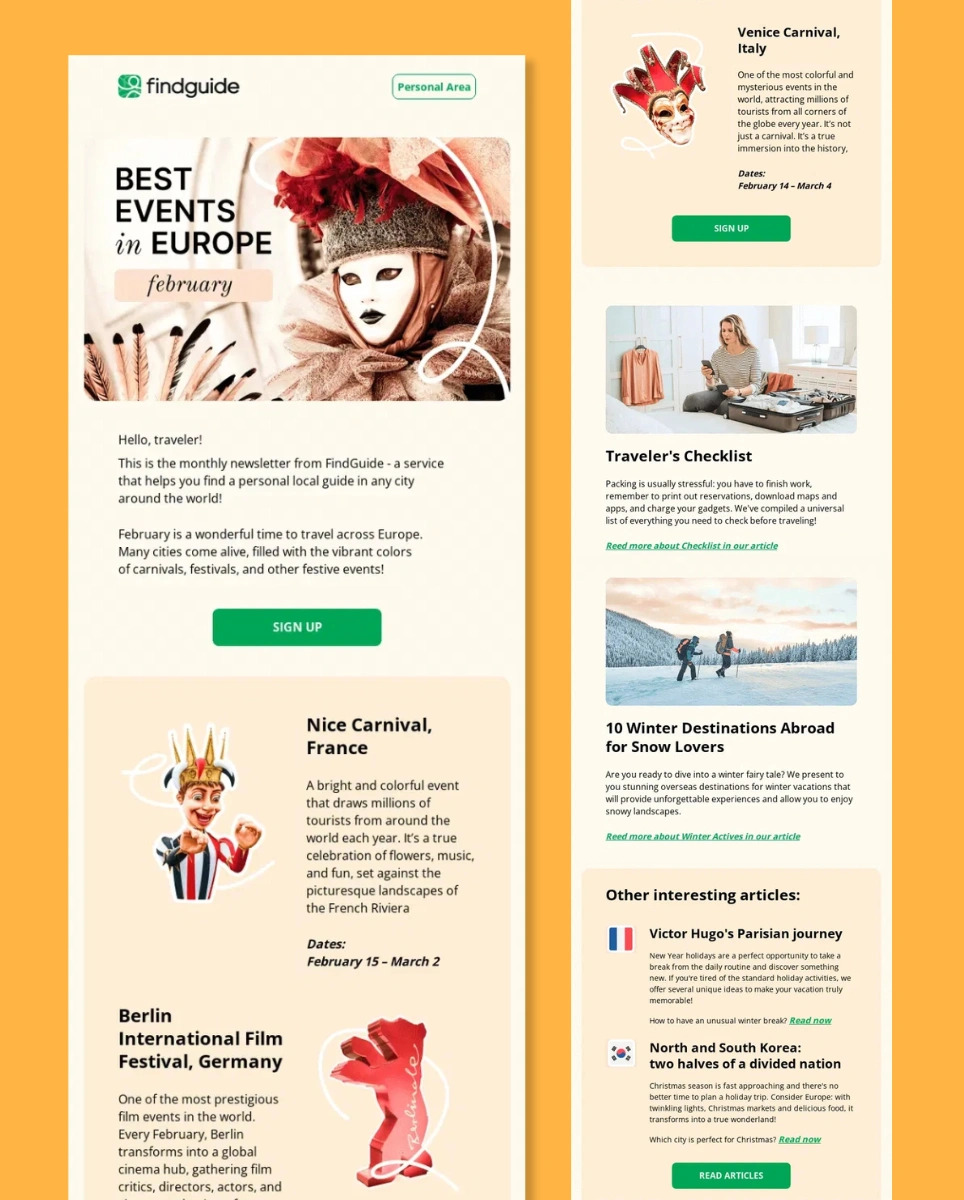
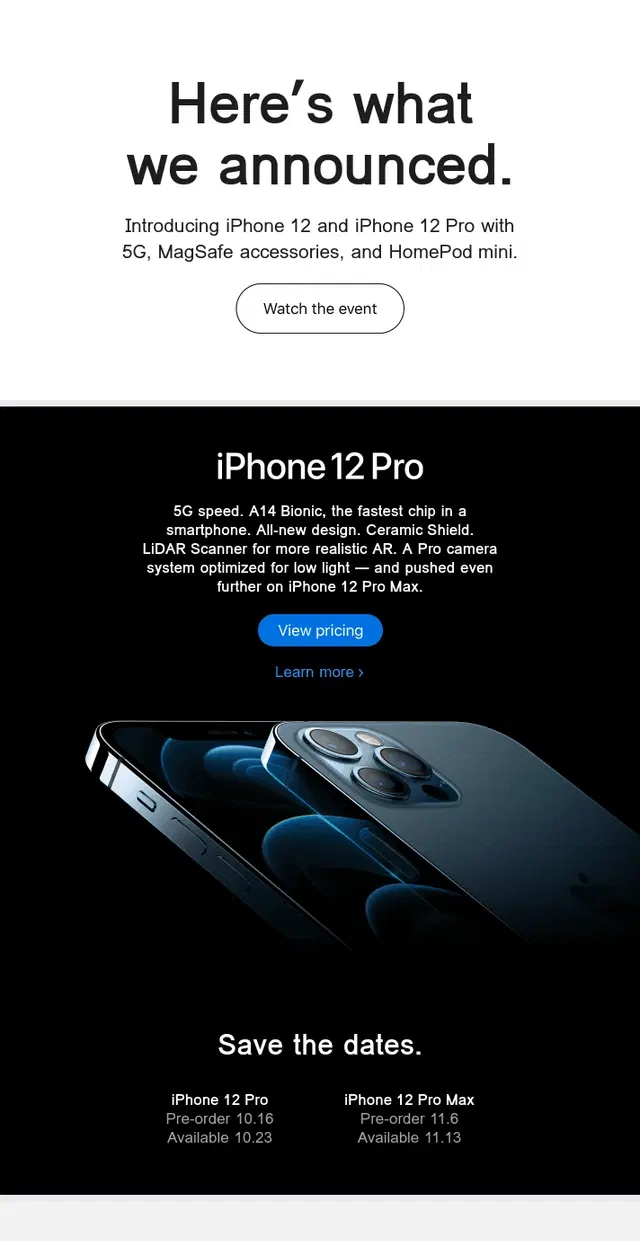
Event Announcement Email Examples
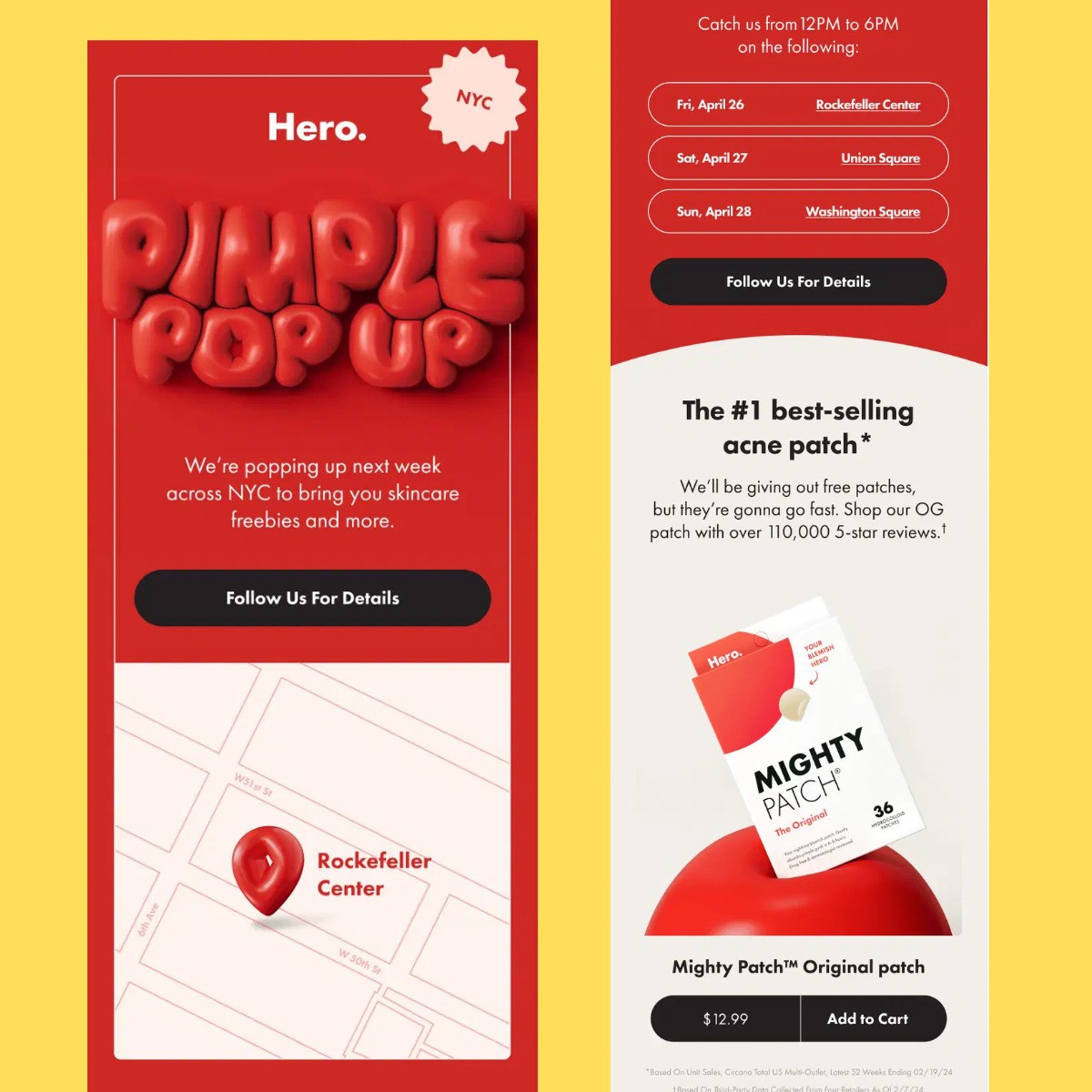
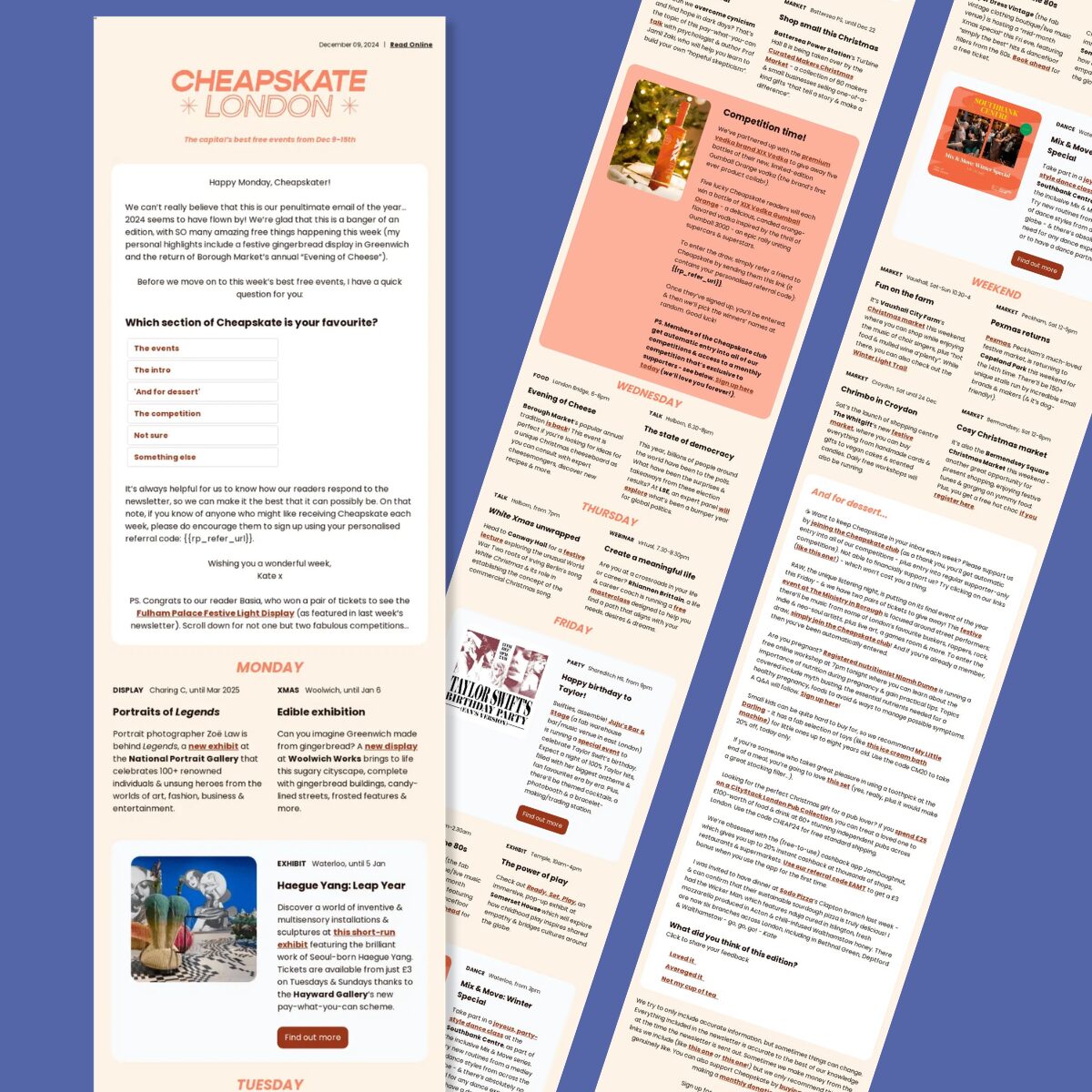
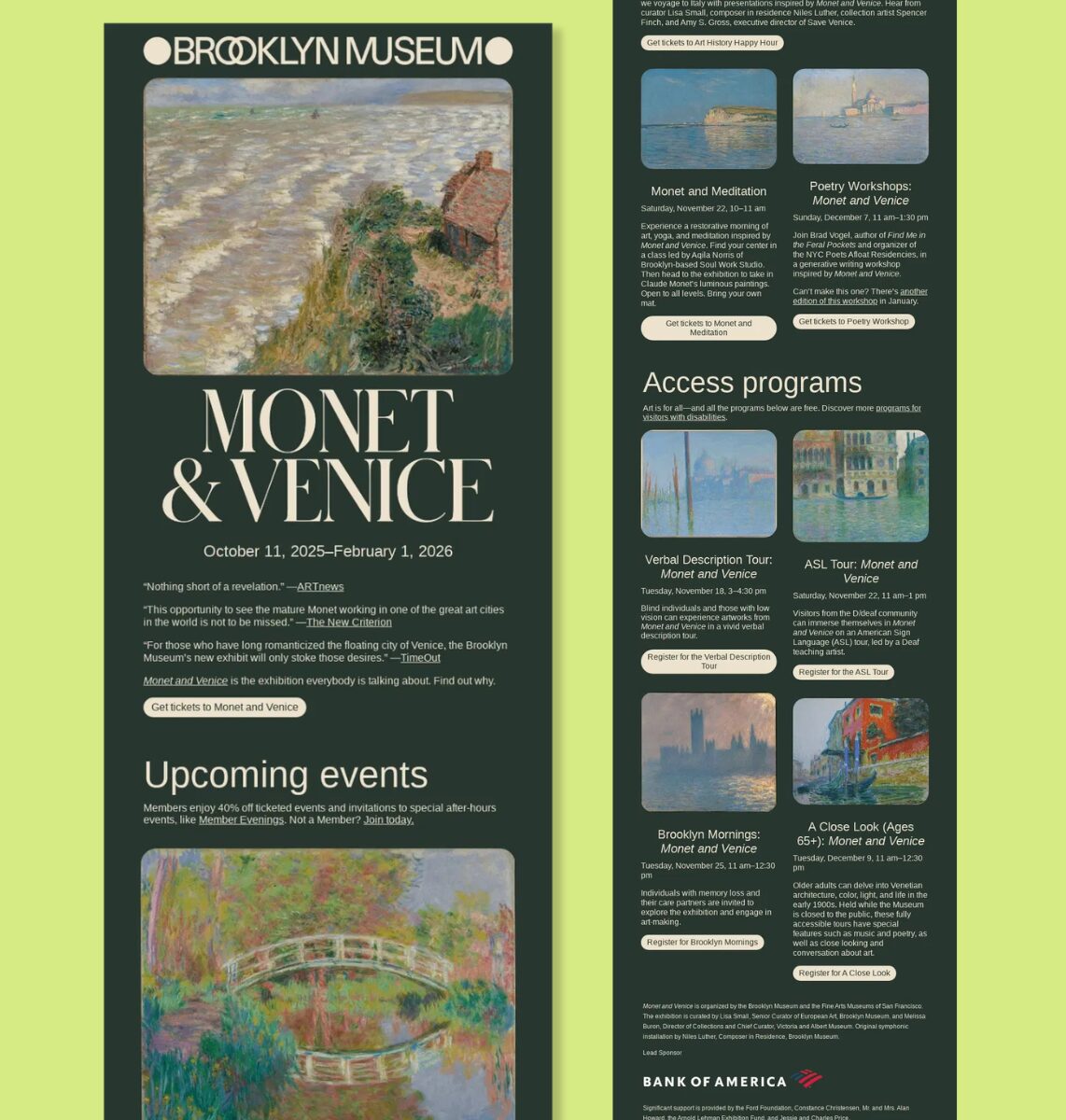
Event announcement emails introduce the event before the main registration push begins. They are used to share the news, set expectations, and give the audience enough context to remember the date or watch for more details.
A good announcement email should make the event easy to understand at a glance. It usually highlights the event name, date, theme, location, or headline attraction, while keeping the message focused on awareness rather than overexplaining every detail.

Event Reminder Email Examples
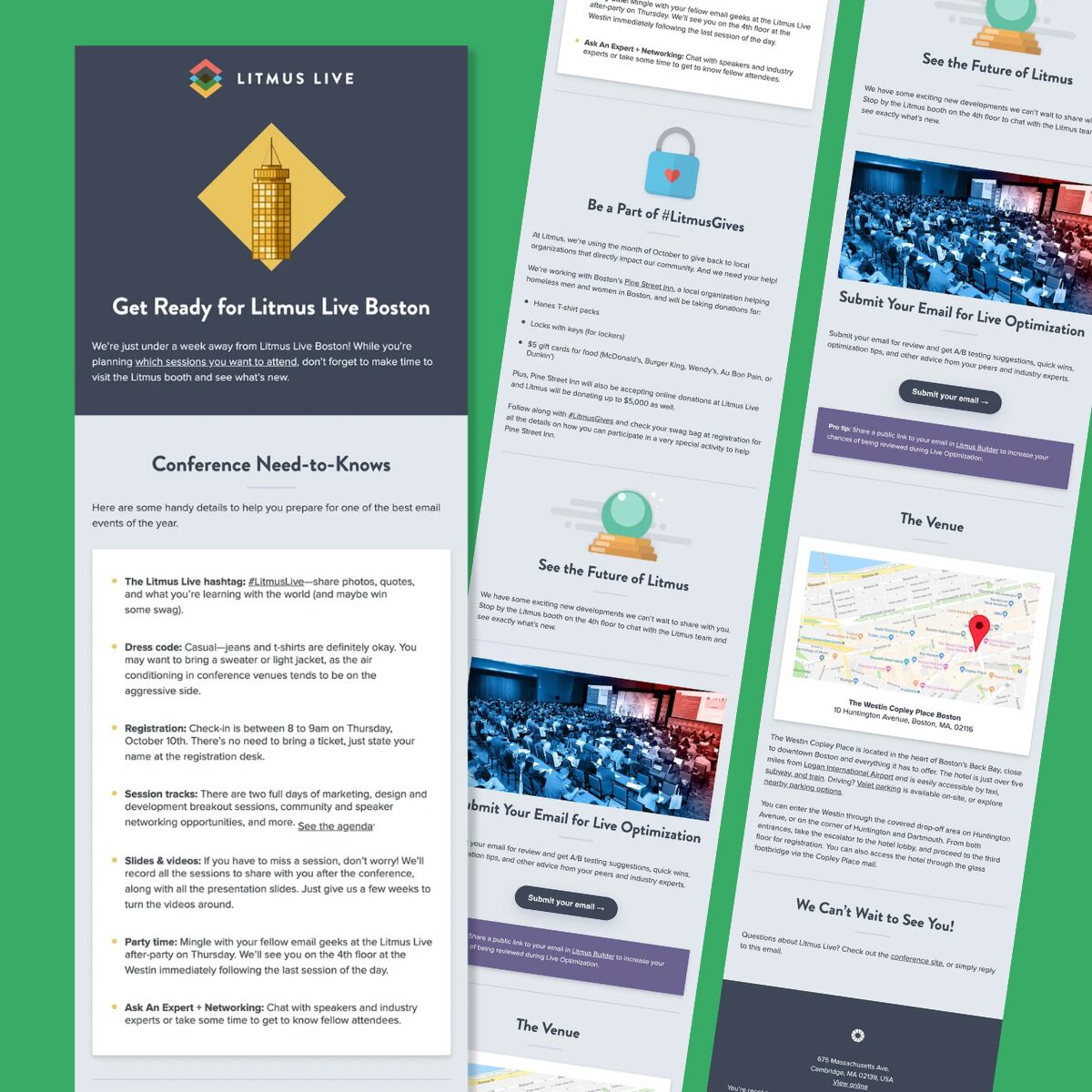
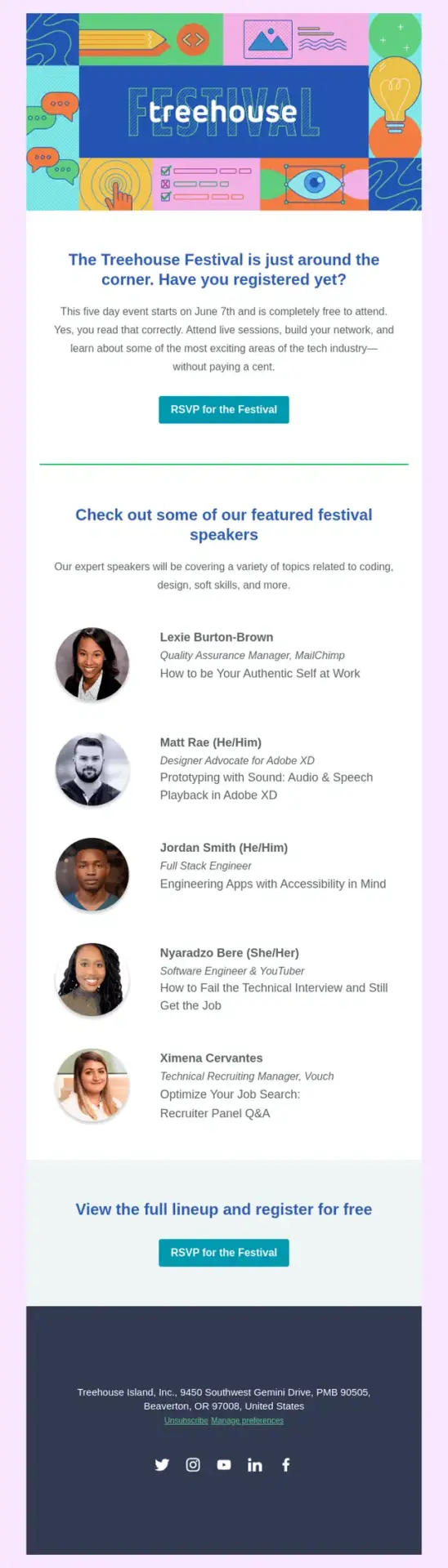
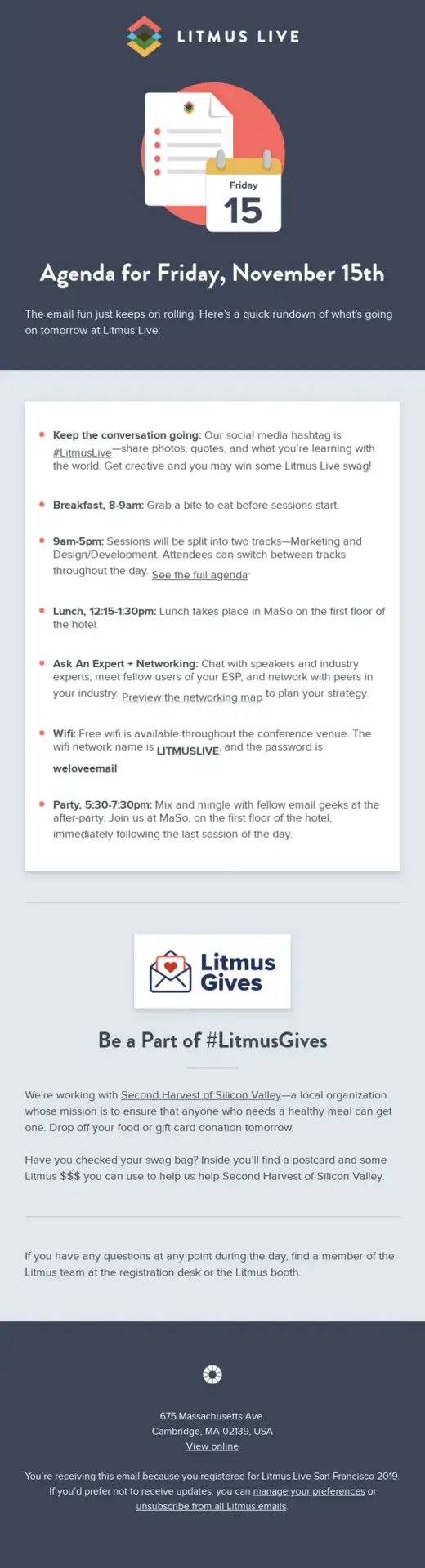
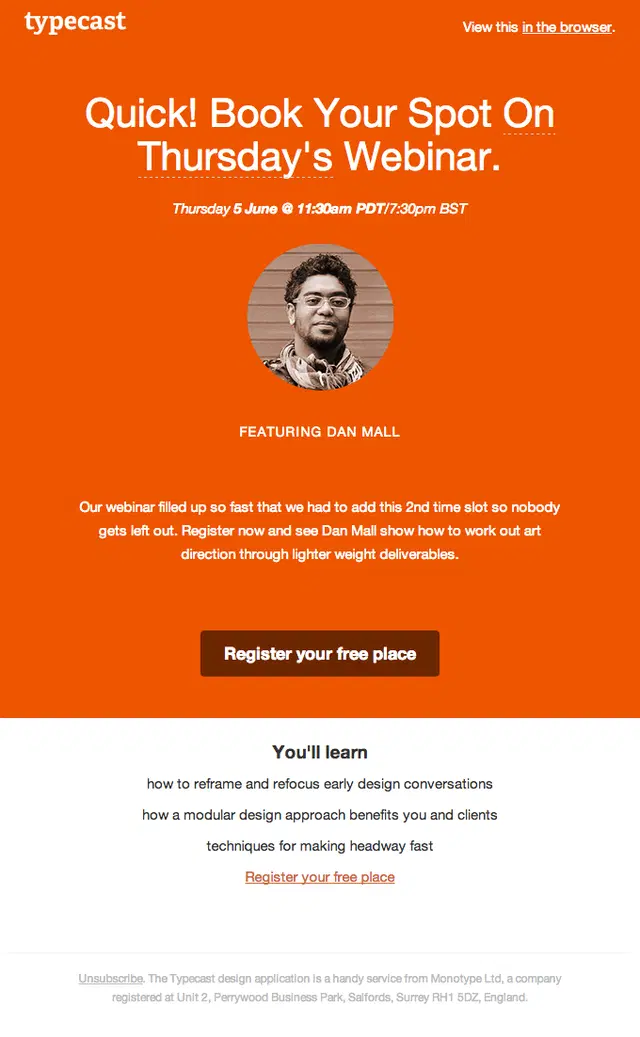
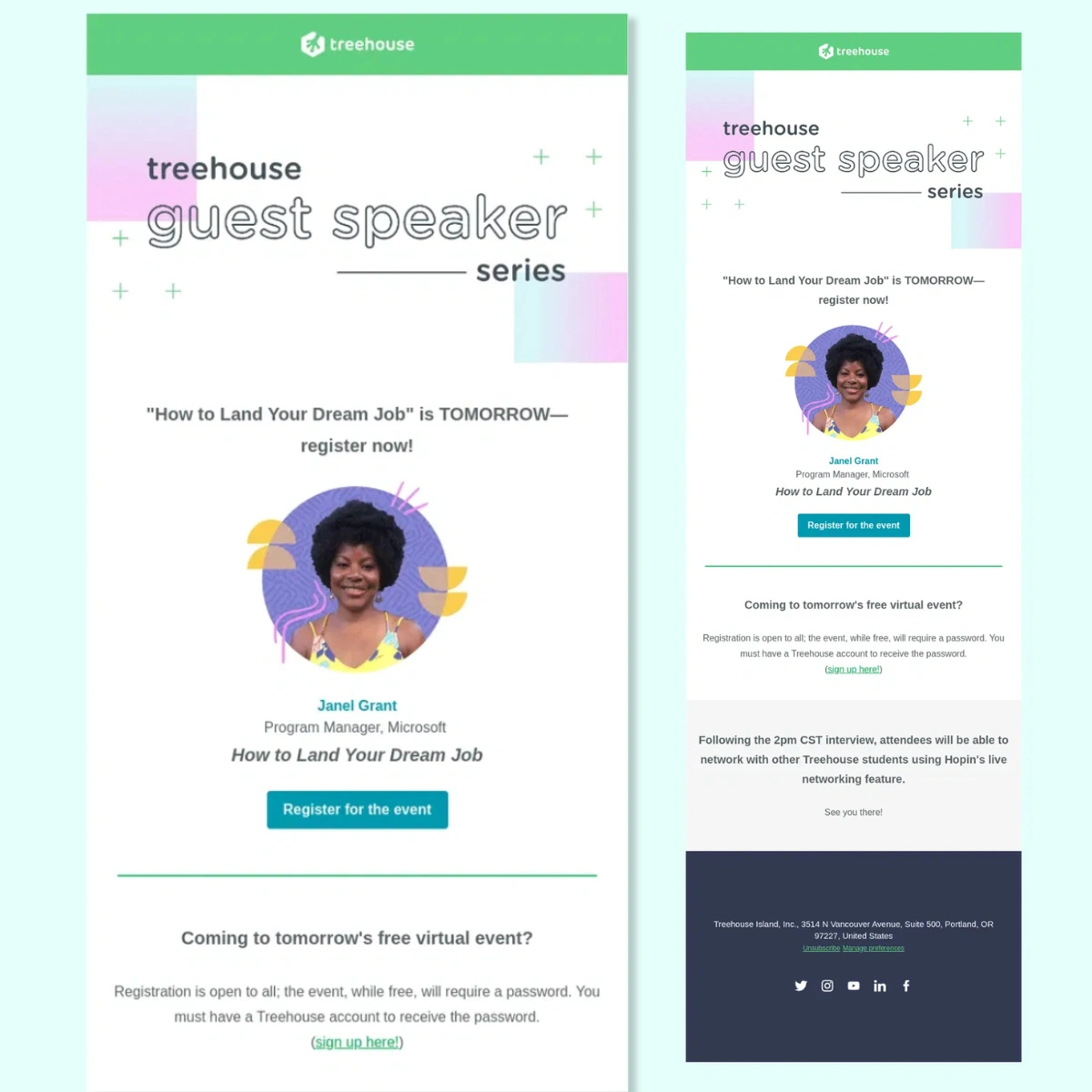
Event reminder emails help keep registered attendees engaged as the event gets closer. They reduce no-shows by bringing the event back into focus and making the next step easy to follow.
Strong reminders usually include the date, time, joining details, agenda highlights, speaker information, or a clear CTA. Depending on timing, they can also create urgency for people who have not registered yet.

Event Promotional Email Examples
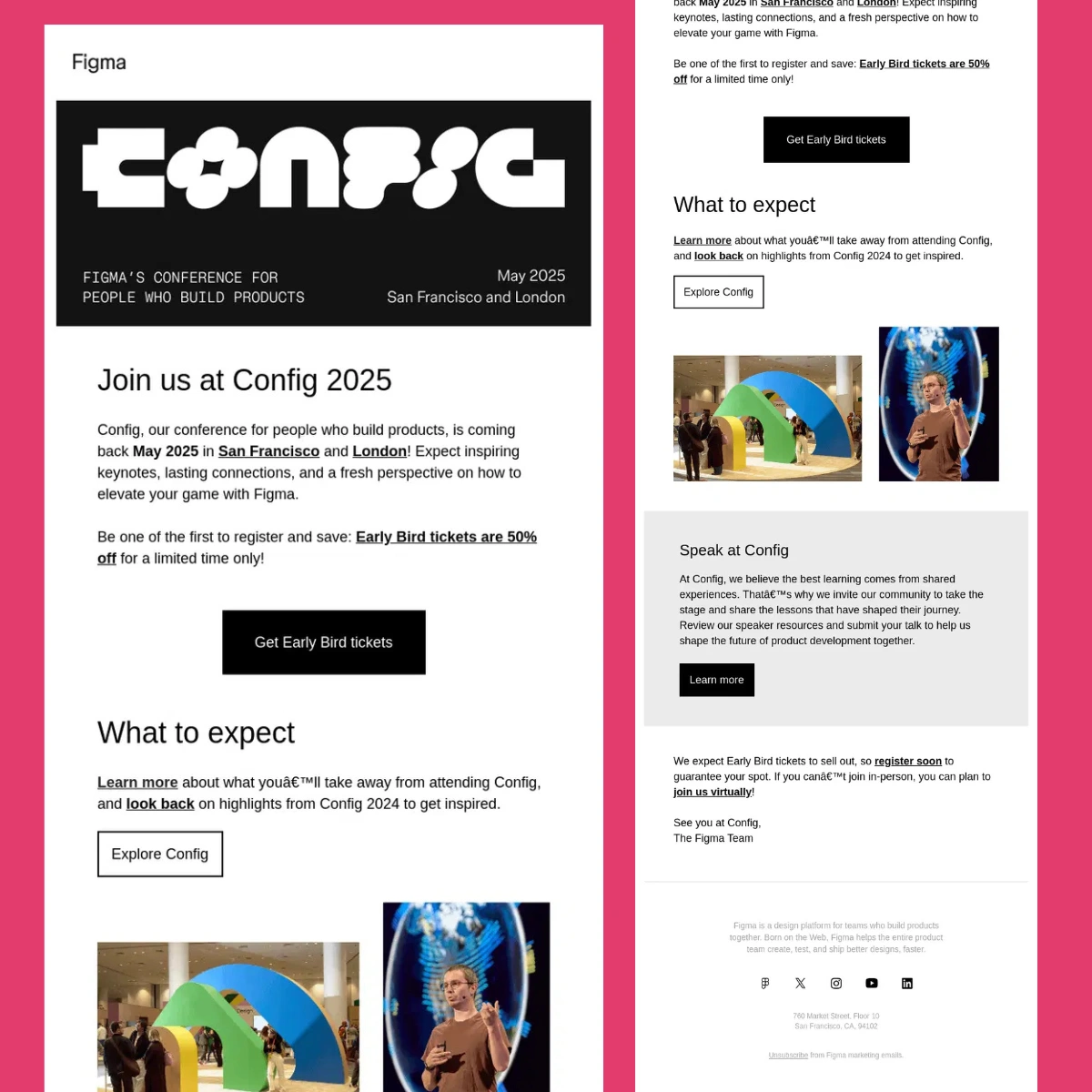
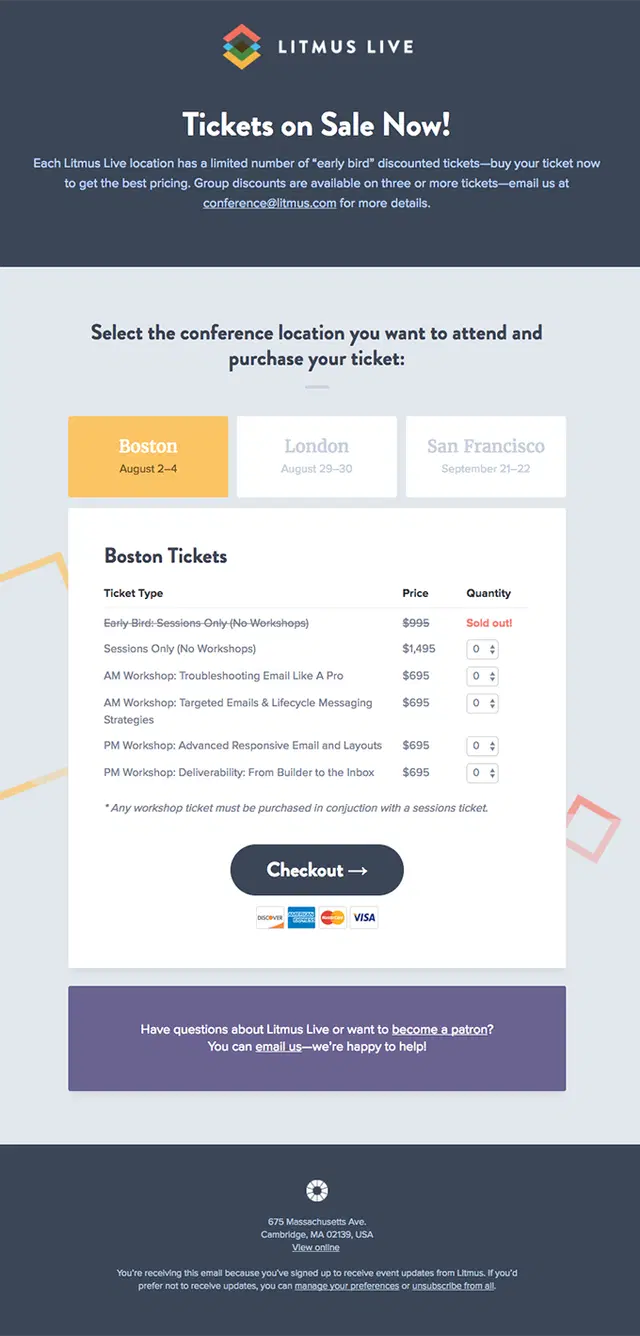
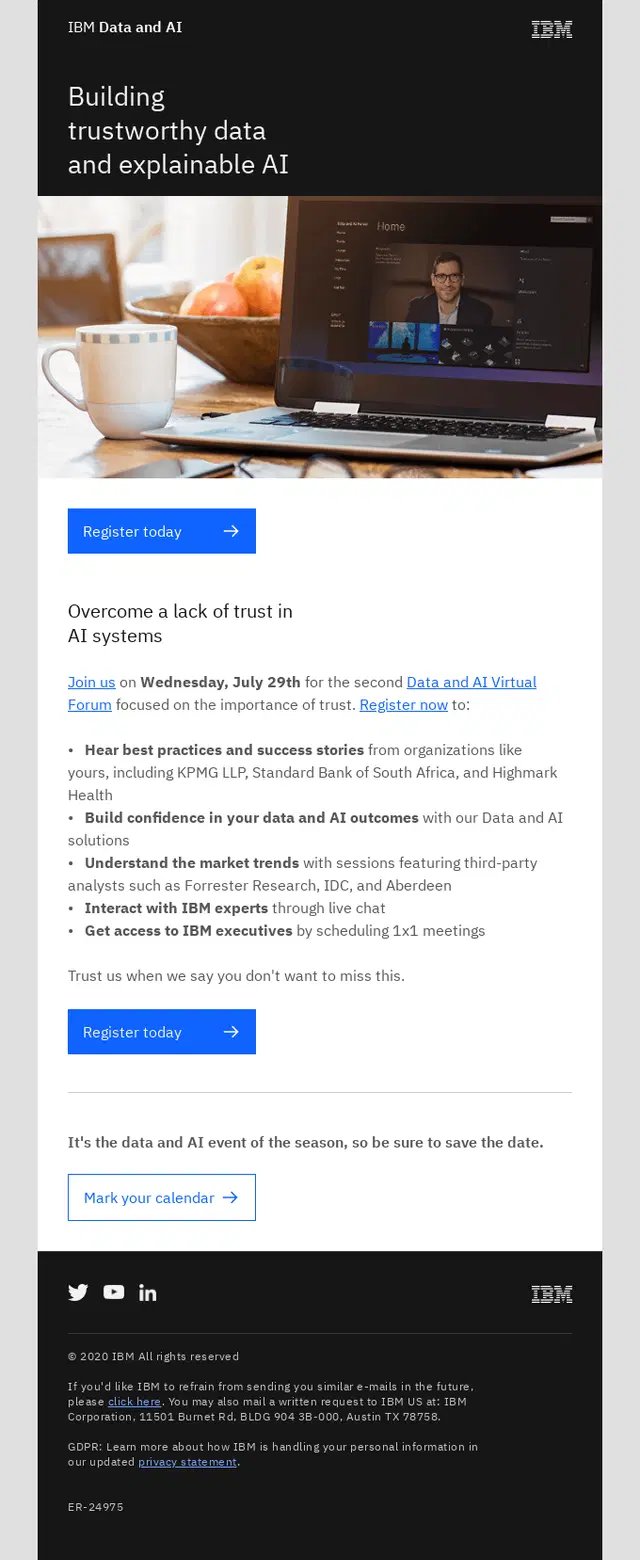
Event promotional emails give people an extra reason to register, buy a ticket, or commit before the deadline. They are especially useful when an event needs a stronger push beyond the original invitation or announcement.
These emails often use early-bird pricing, limited seats, special guests, exclusive perks, or deadline-based messaging. The goal is not just to inform people about the event, but to make waiting feel like a missed opportunity.

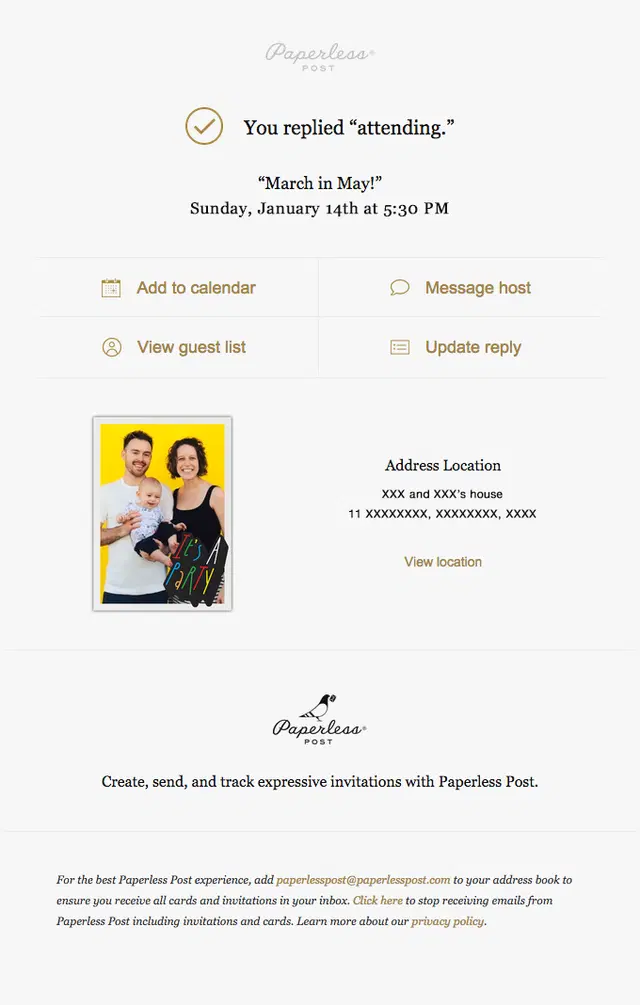
Event Registration Confirmation Email Examples
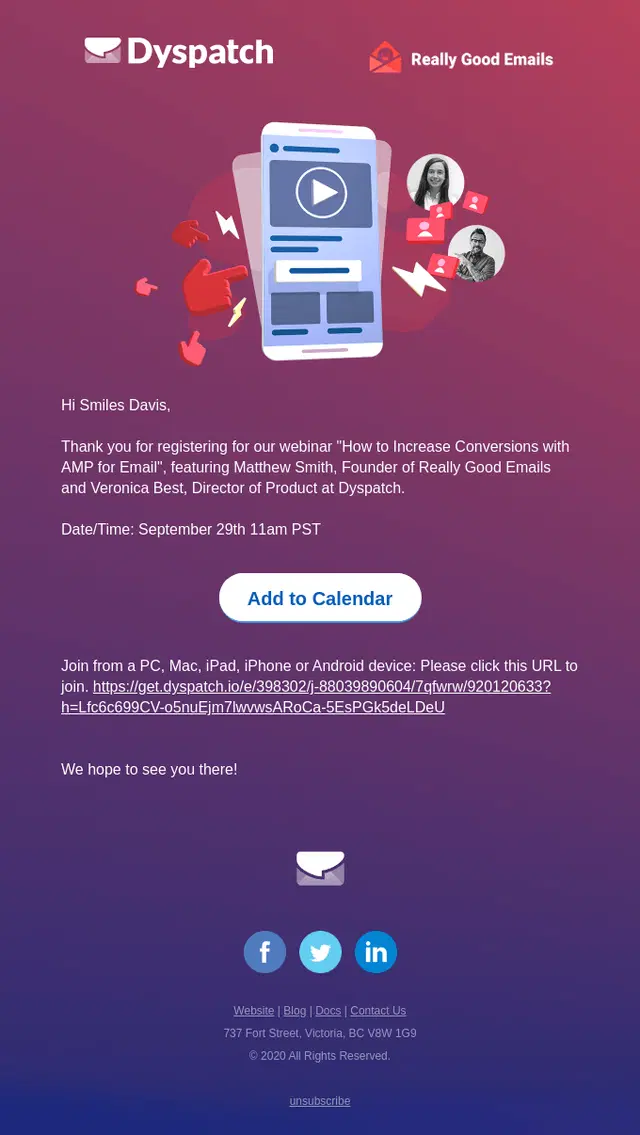
Event registration confirmation emails are sent immediately after someone signs up for an event. Their primary purpose is to reassure attendees that their registration was successful and provide the information they need before the event begins.
The most effective confirmation emails do more than acknowledge the registration. They help attendees stay organized by including important details such as the event date, time, location, ticket information, joining instructions, or calendar links.
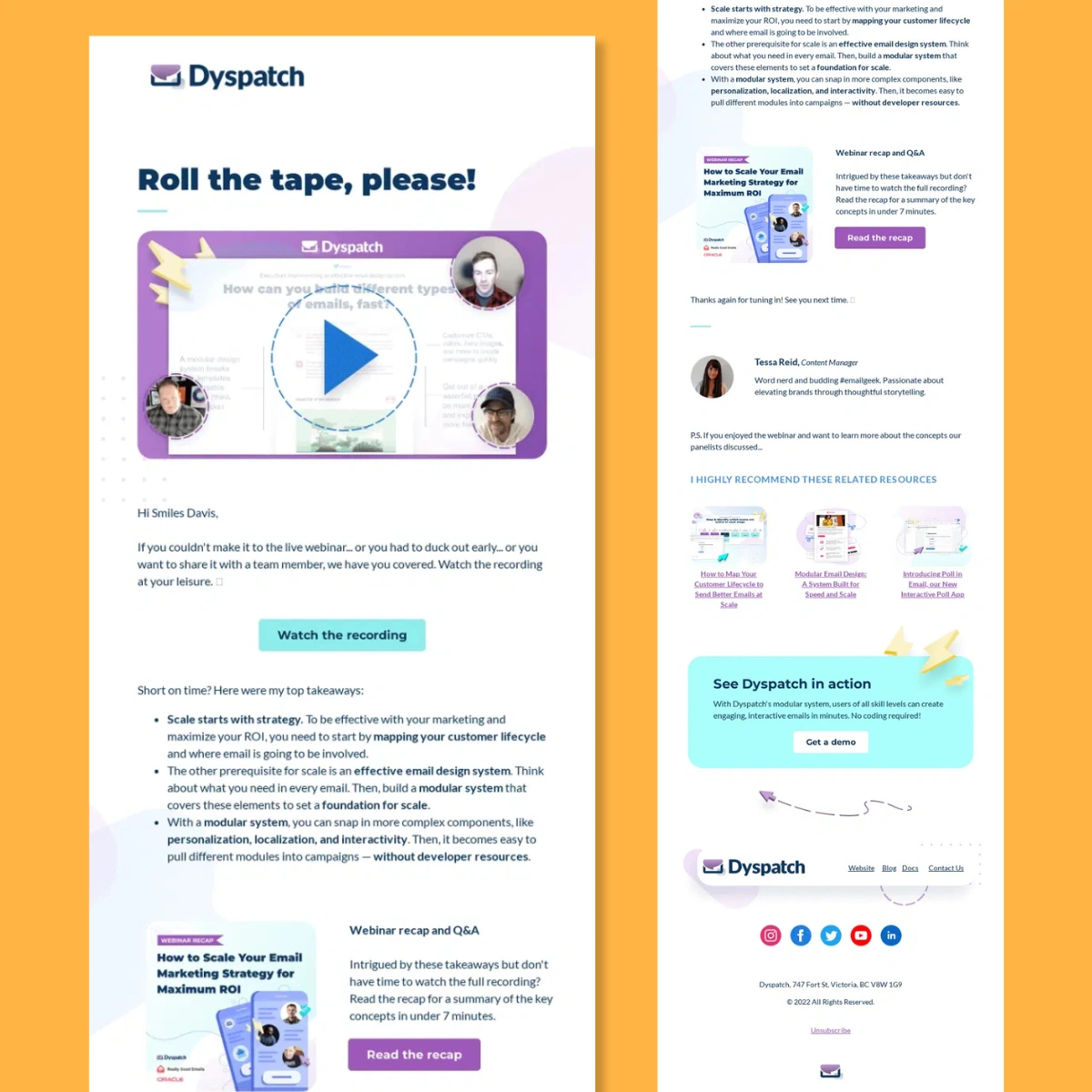
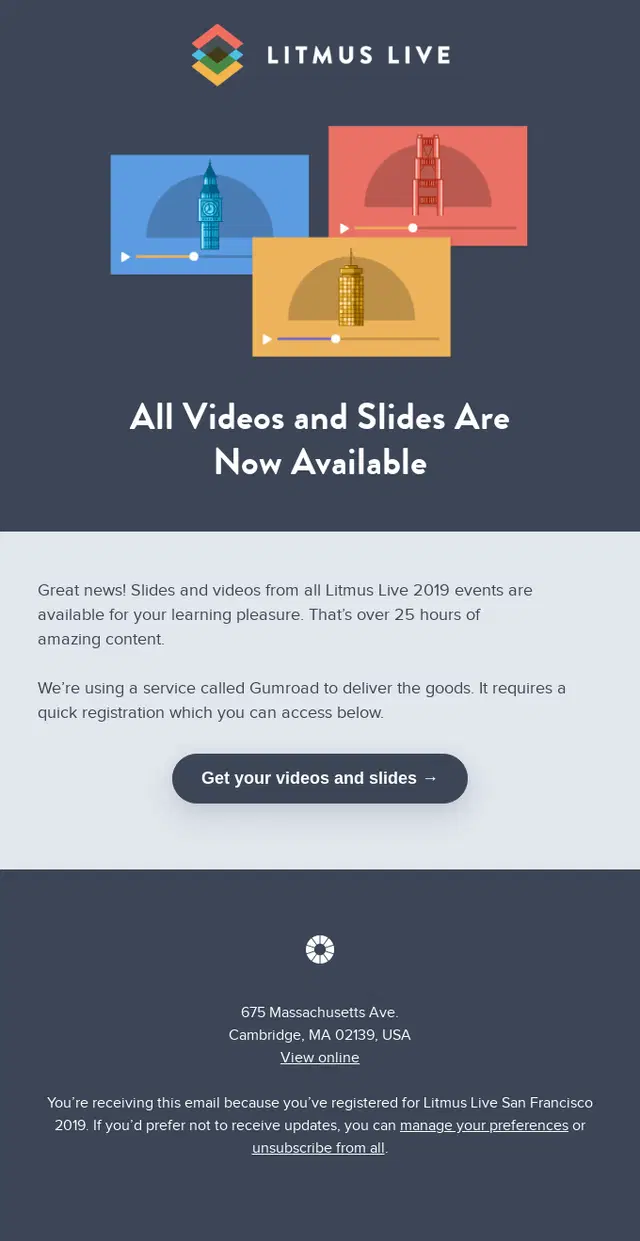
Event Follow-Up Email Examples
The conversation should not end when the event is over.
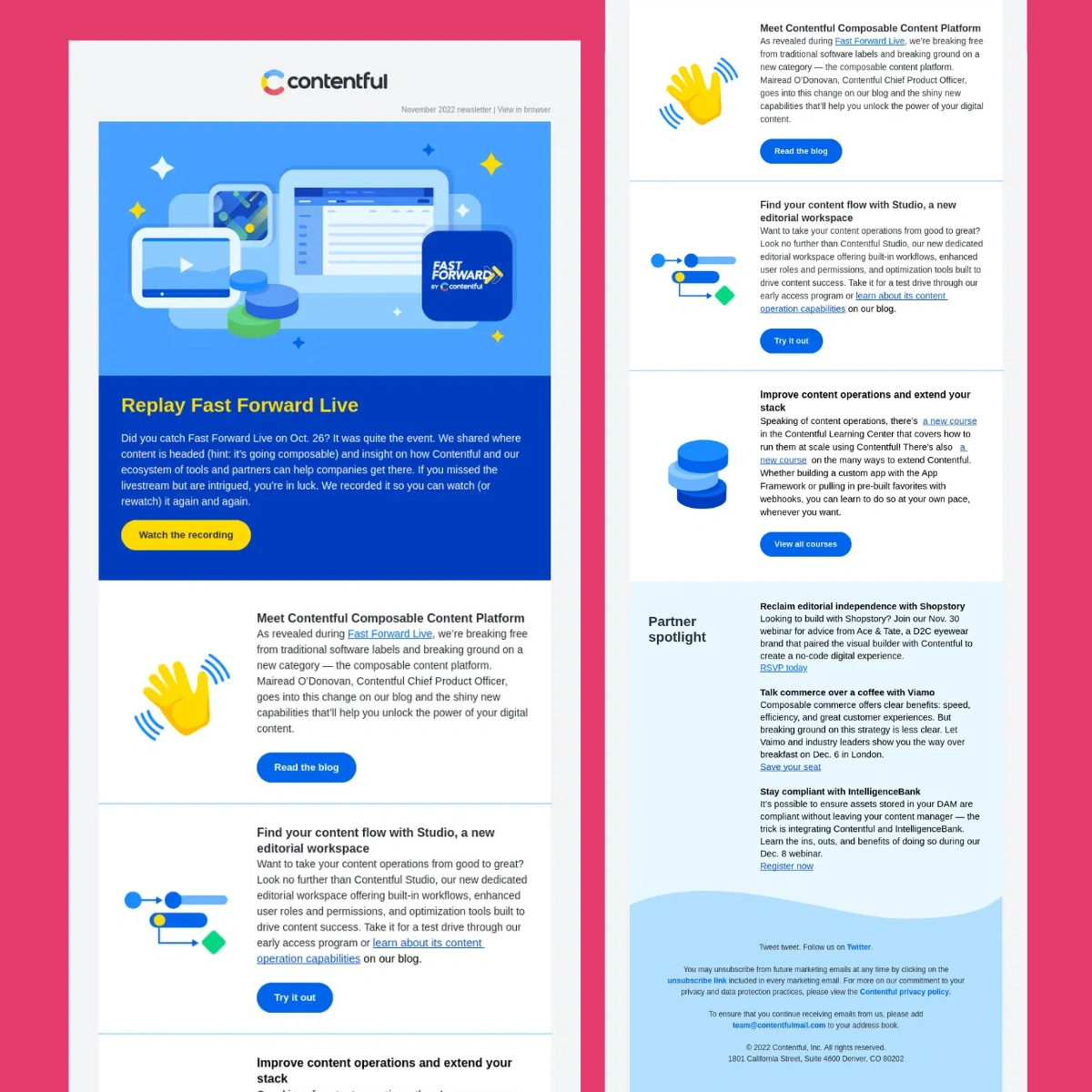
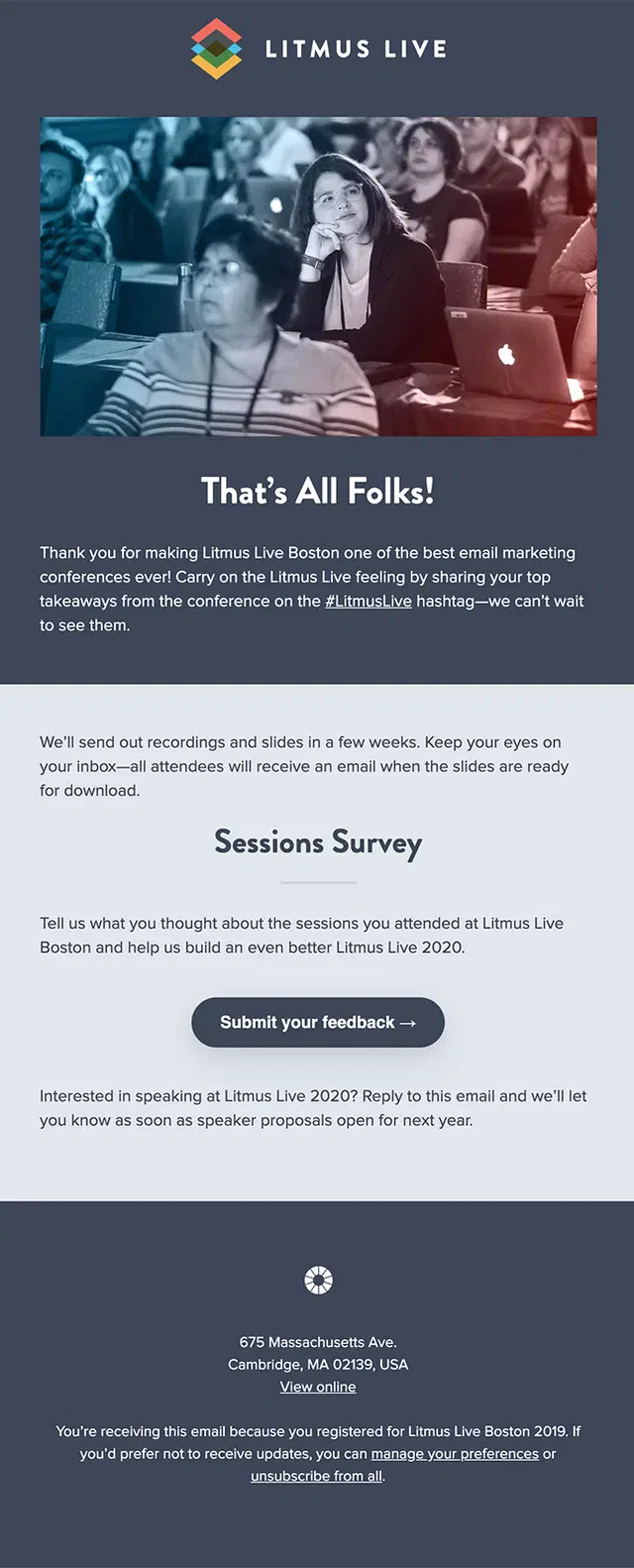
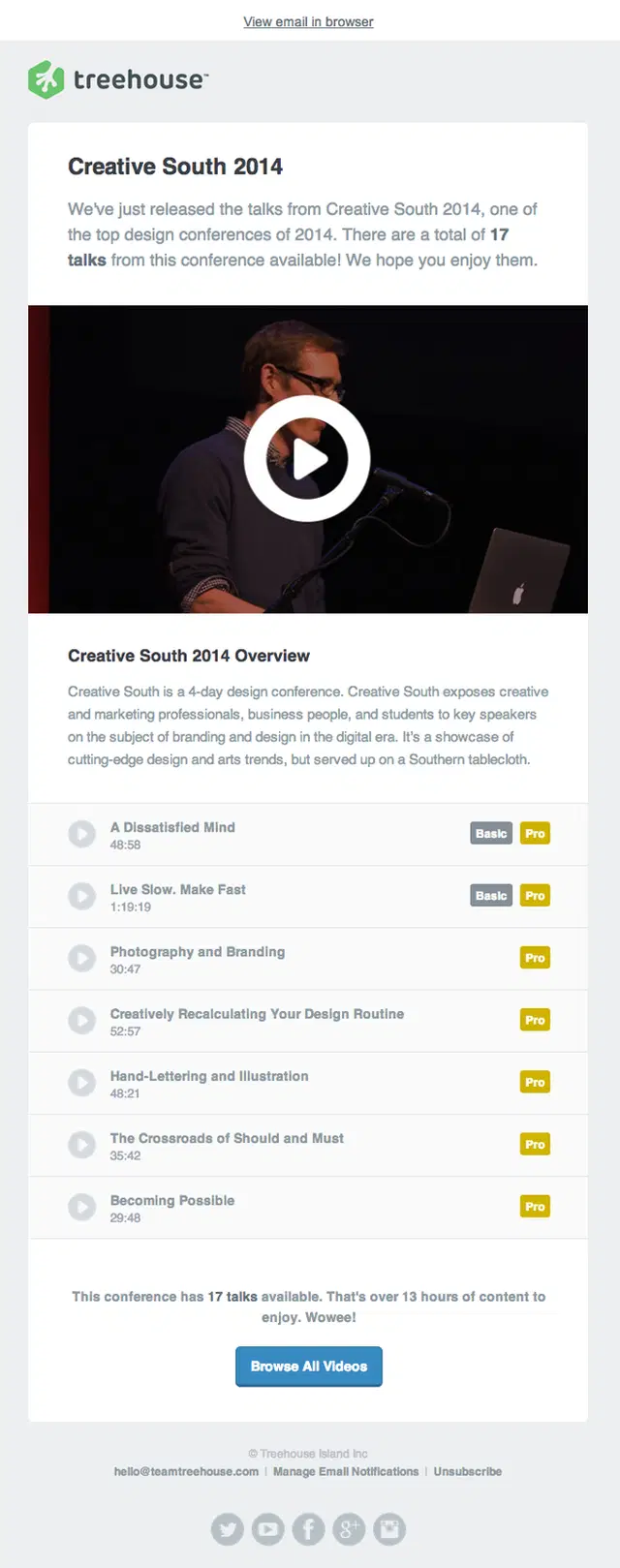
Event follow-up emails help organizers maintain engagement after the event by sharing recordings, presentation materials, surveys, resources, special offers, or next steps. They also provide an opportunity to gather feedback and continue building relationships with attendees.
A strong follow-up email delivers value while the event is still fresh in people’s minds. Whether the goal is education, lead nurturing, community building, or future registrations, these emails help extend the impact of the event beyond the closing session.
Best Practices for Event Emails
Whether you are promoting a webinar, conference, workshop, networking event, or product launch, the most effective event emails tend to follow the same principles:
- Make the event purpose clear within the first few seconds.
- Include the essential details: date, time, location, and registration information.
- Focus on attendee benefits rather than event features alone.
- Use a single primary call to action whenever possible.
- Highlight speakers, agenda items, or exclusive experiences when relevant.
- Keep registration and RSVP processes simple.
- Use reminder emails to reduce no-shows as the event approaches.
- Send confirmation emails immediately after registration.
- Follow up after the event with resources, recordings, or next steps.
- Optimize every email for mobile devices since many registrations happen on mobile.
Strong event emails remove uncertainty and make it easy for recipients to understand why the event matters and what action they should take next.
Frequently Asked Questions
What should an event email include?
A good event email should clearly communicate the event name, date, time, location, and next step. The most effective emails also explain why the event is worth attending and make registration or attendance as easy as possible.
When should I send an event invitation email?
The ideal timing depends on the type of event. Conferences and in-person events are often promoted several weeks or months in advance, while webinars and virtual events typically require a shorter promotion window.
How many event reminder emails should I send?
Most events benefit from at least one reminder email before the event begins. Larger events often use multiple reminders, such as one week before, one day before, and one hour before the start time.
What should a registration confirmation email contain?
Registration confirmation emails should reassure attendees that their registration was successful and provide all essential event details. This often includes the date, time, location, access link, ticket information, and calendar invite.
Why are event follow-up emails important?
Follow-up emails help extend engagement after the event has ended. They can be used to share recordings, presentation slides, surveys, resources, special offers, or information about future events.
How can I increase event email registration rates?
Clear messaging, strong attendee benefits, visible call-to-action buttons, speaker highlights, and mobile-friendly design can all improve registration rates. The easier it is for recipients to understand the value of attending, the more likely they are to sign up.
Need an Event Email Campaign Like These Examples?
MailBakery designs and develops custom event emails for conferences, webinars, product launches, workshops, virtual events, and in-person gatherings.
Explore More Email Examples
Event emails are just one part of the customer journey. Explore these related collections to see how brands welcome subscribers, onboard customers, and build stronger relationships through email.
Looking for more email inspiration? Explore these hand-picked examples and discover how leading brands design emails for different stages of the customer journey.
- 15 Customer Appreciation Email Examples
- 23 Onboarding Email Examples
- 18 Survey Invitation Email Examples
- 35 Welcome Email Examples
This article was last updated on June 16, 2026, with new event email examples, updated categories, best practices, and frequently asked questions.