140+ Product Recommendation Email Examples You’ll Want to Borrow From


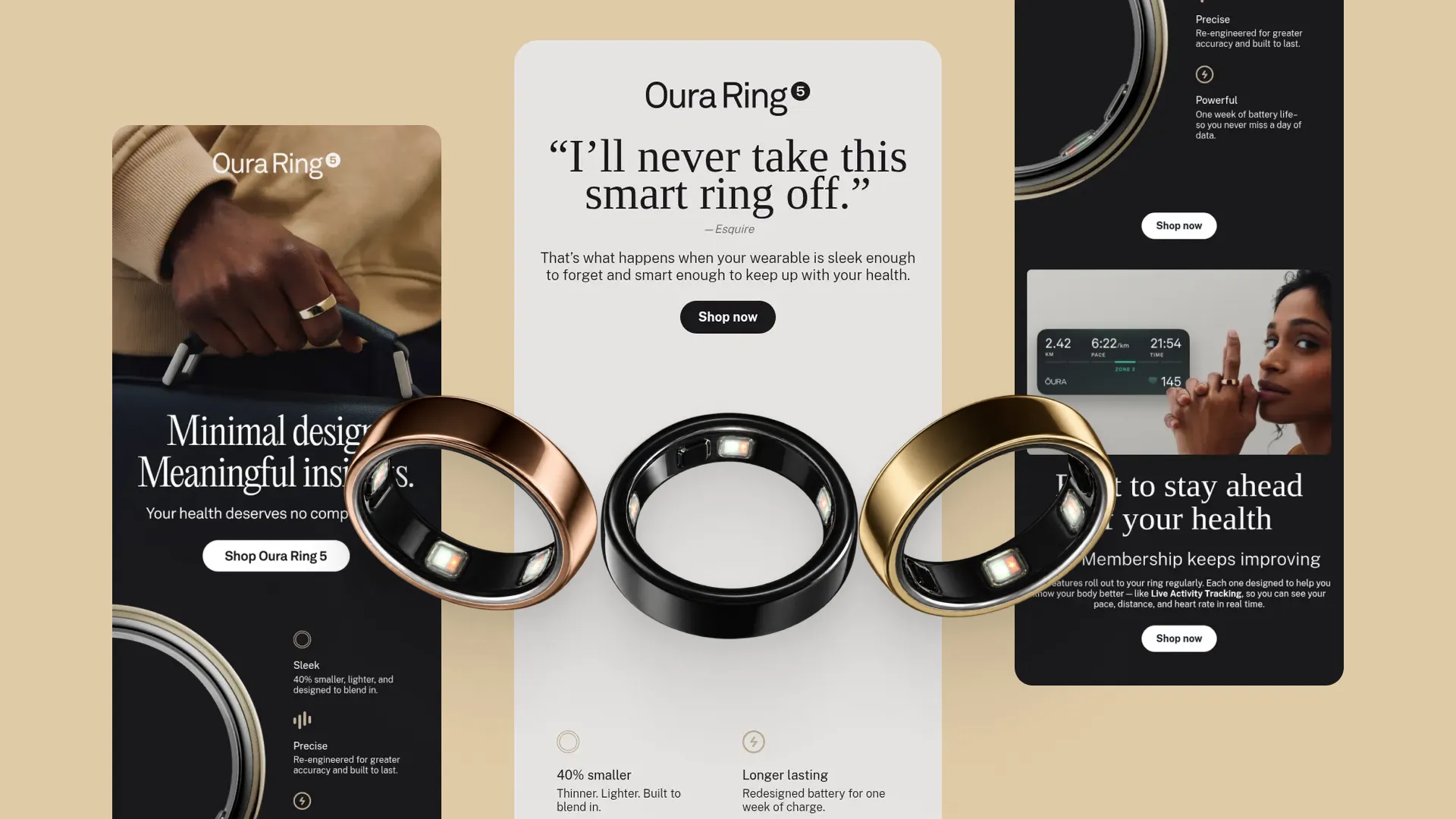
Product recommendations work best when they feel less like a sales pitch and more like a useful next step. The right email can bring someone back to a product they viewed, suggest something that fits a recent purchase, introduce a better option, or simply help them discover something worth considering.
The examples below cover the main ways brands use recommendations across the customer journey, from personalized picks and cross-sells to replenishment reminders, seasonal gift guides, and re-engagement campaigns. Some rely on individual customer behavior. Others use broader signals such as bestsellers, new arrivals, or products that naturally belong together.
Quick links:
→ Personalized Product Recommendation Email Examples
→ Cross-Sell Product Recommendation Email Examples
→ Upsell and Upgrade Product Recommendation Emails
→ Browsing-Based Product Recommendation Email Examples
→ Cart Abandonment Emails With Product Recommendations
→ Post-Purchase Product Recommendation Email Examples
→ Bestseller and Trending Product Recommendation Emails
→ New Arrival and Product Discovery Emails
→ Seasonal and Gift Product Recommendation Emails
→ Product Recommendation Email Flow Examples
Product Recommendation Email Templates
Product Recommendation Email Best Practices
Personalized Product Recommendation Email Examples
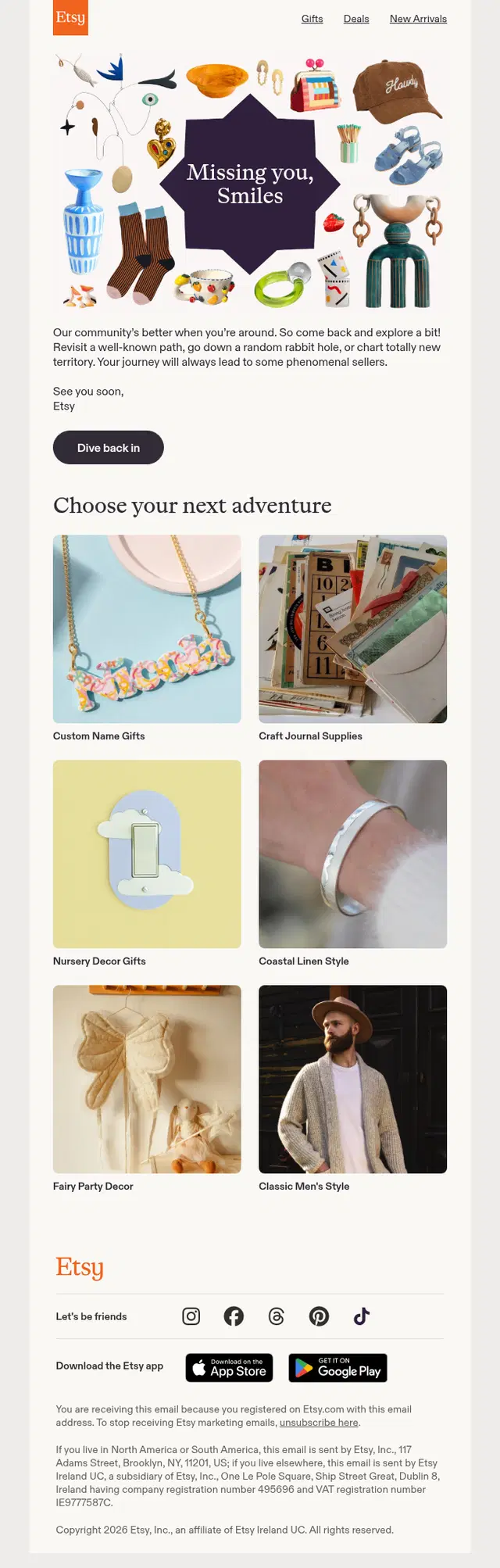
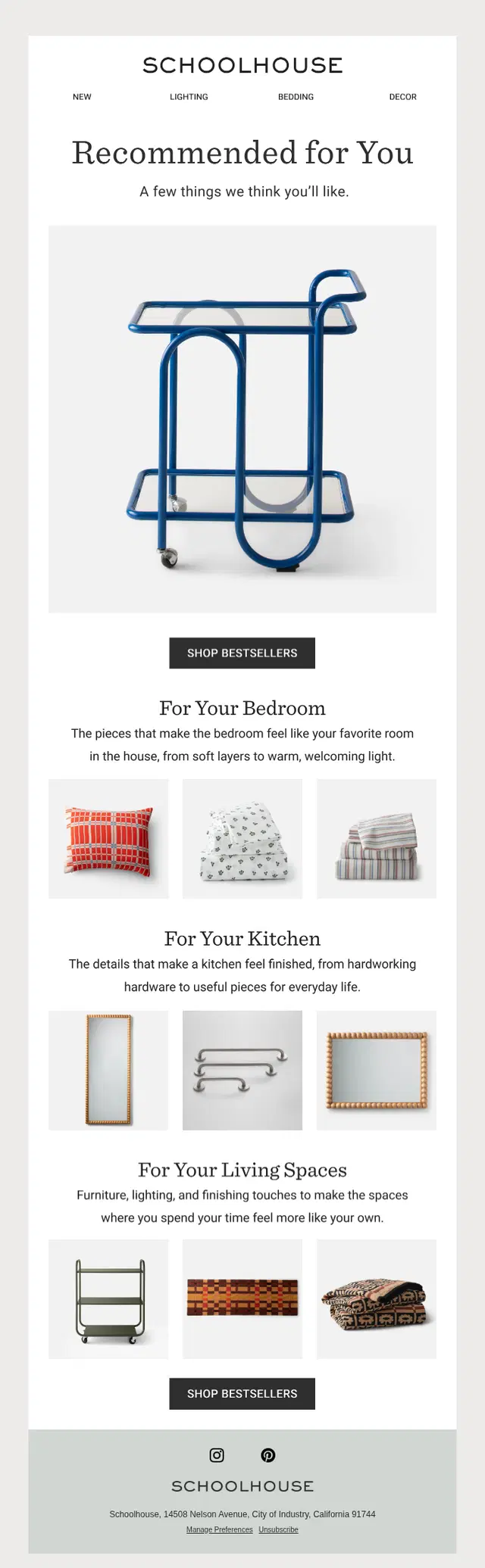
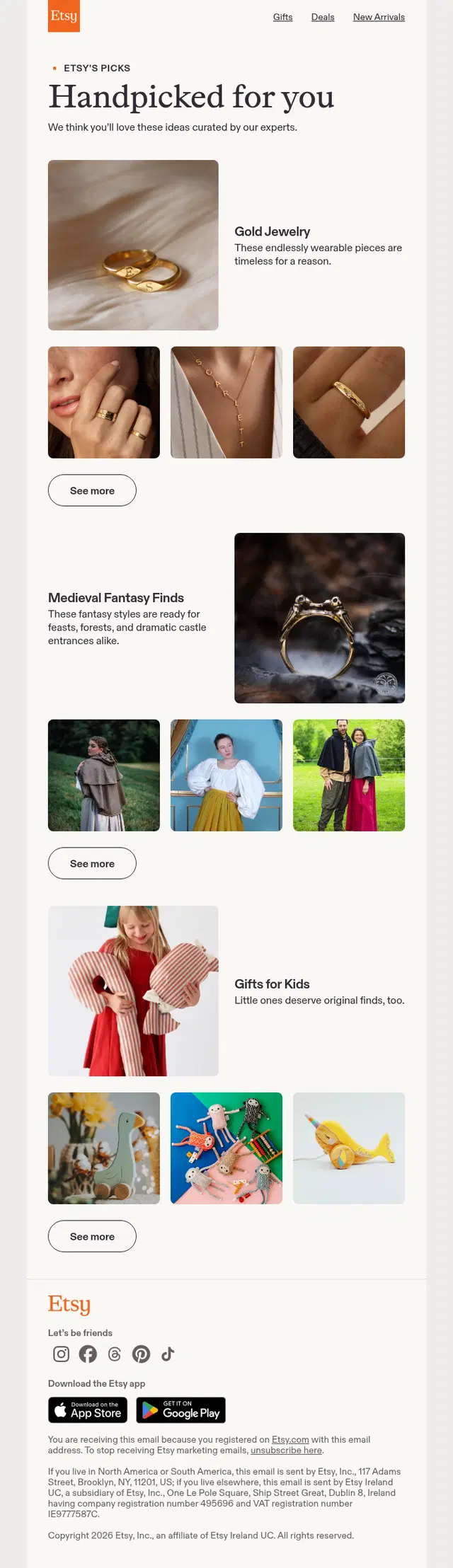
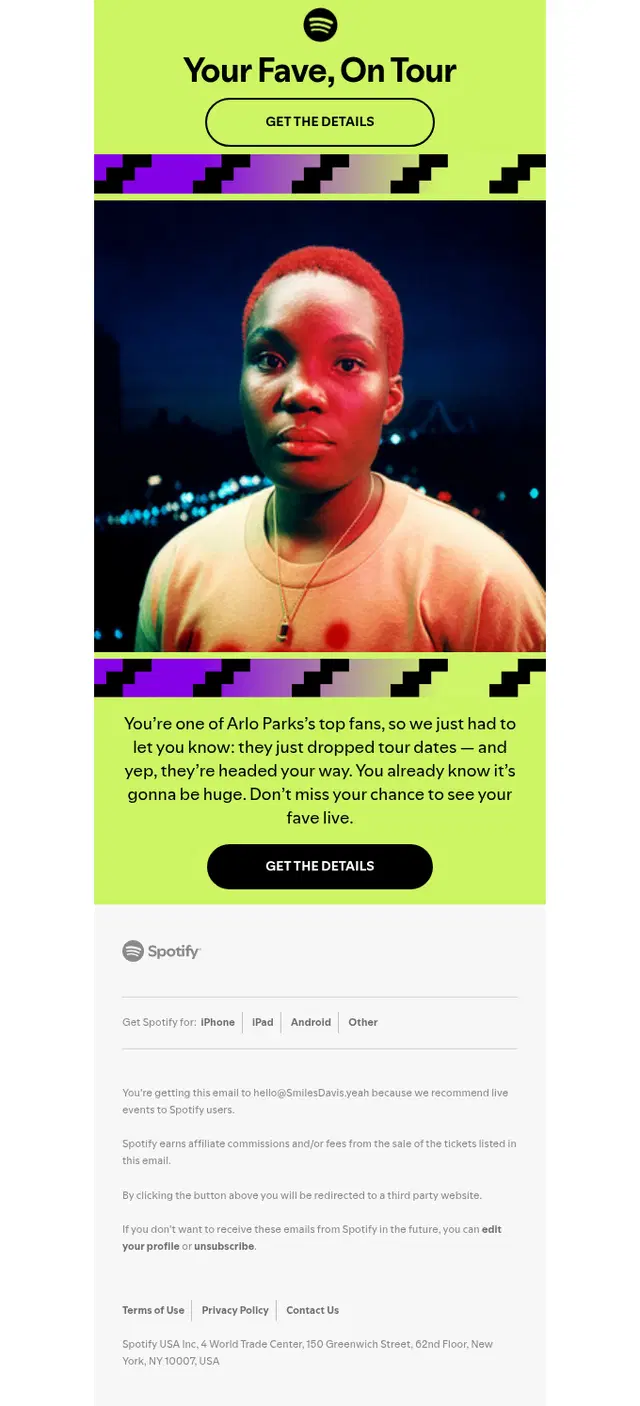
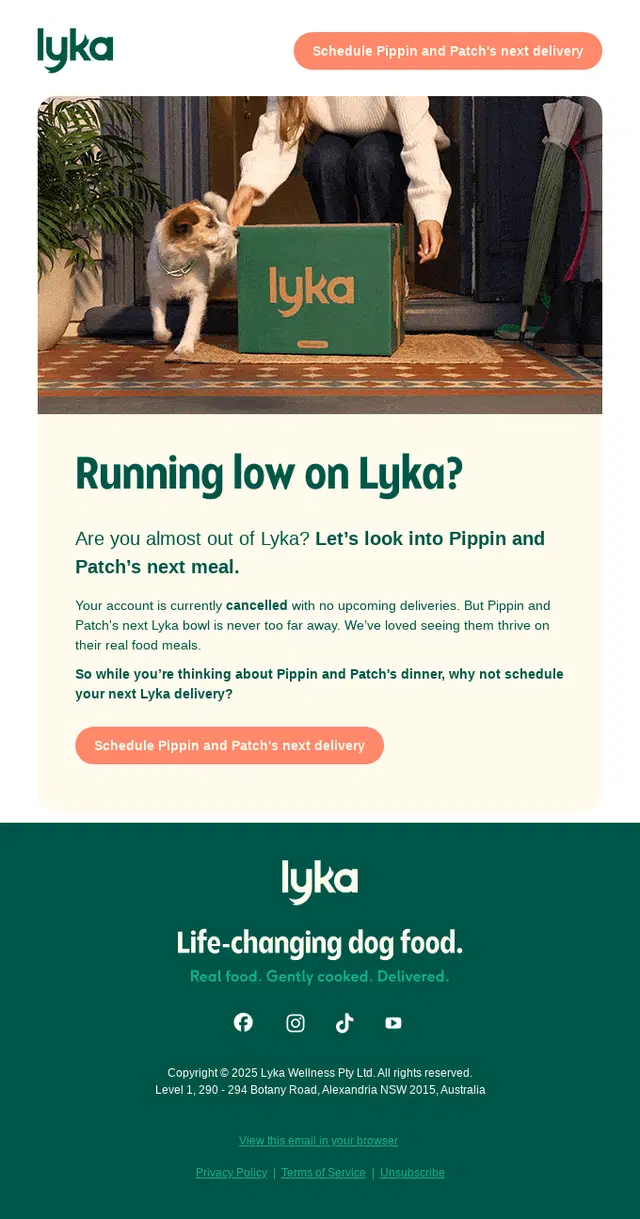
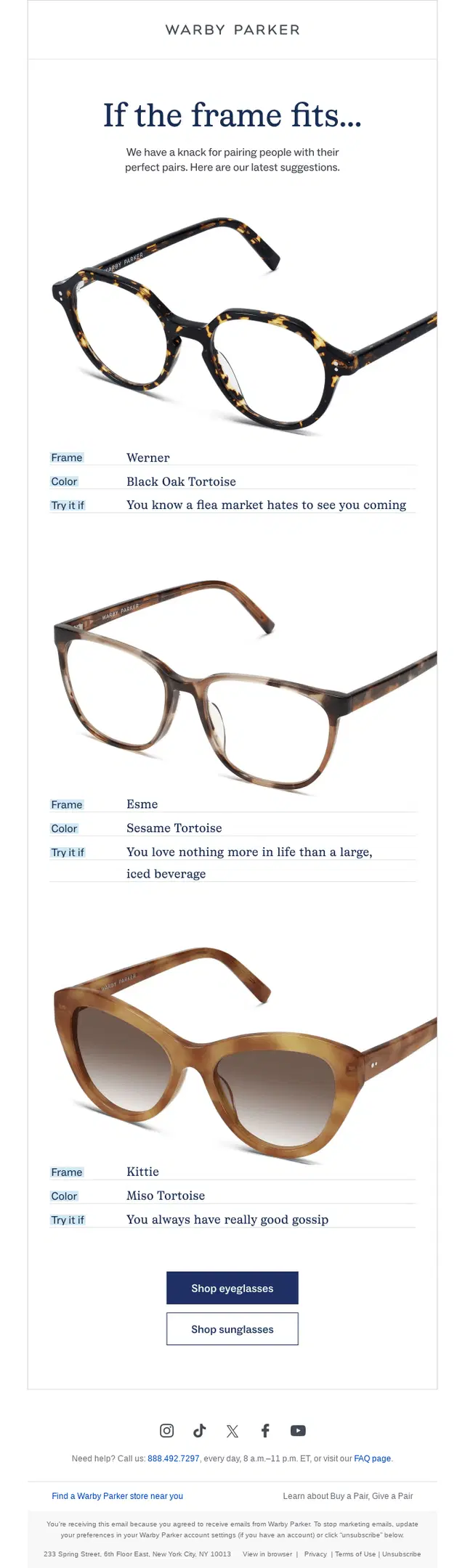
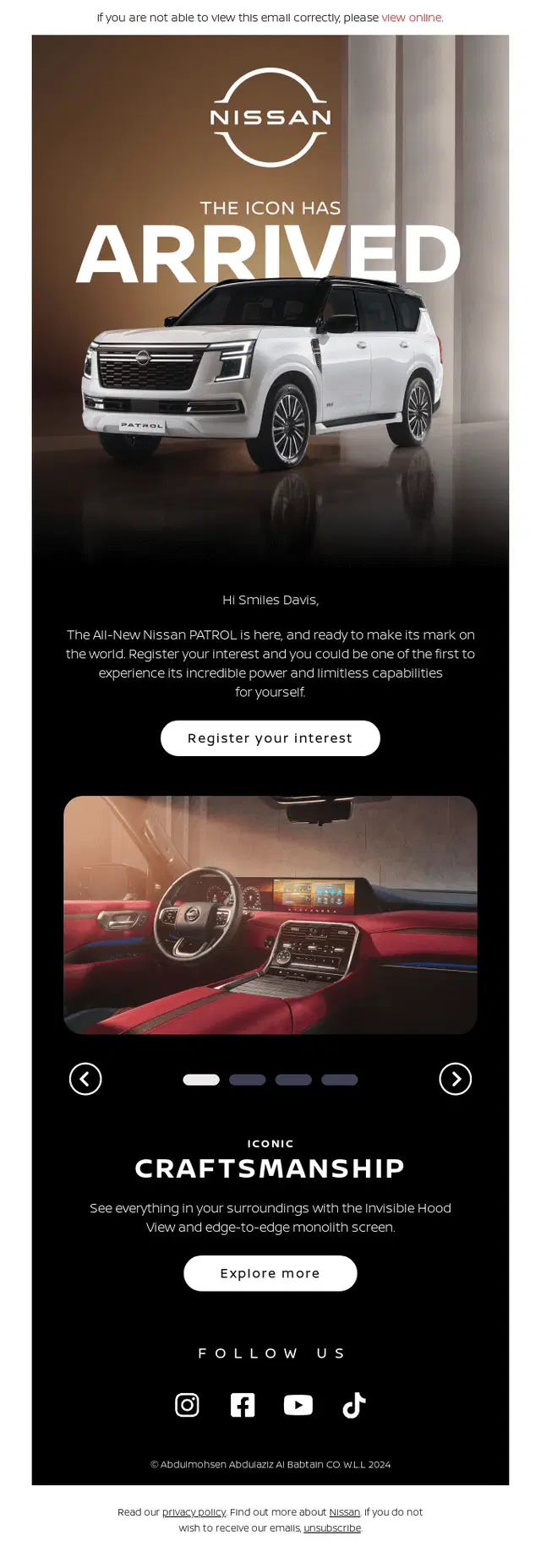
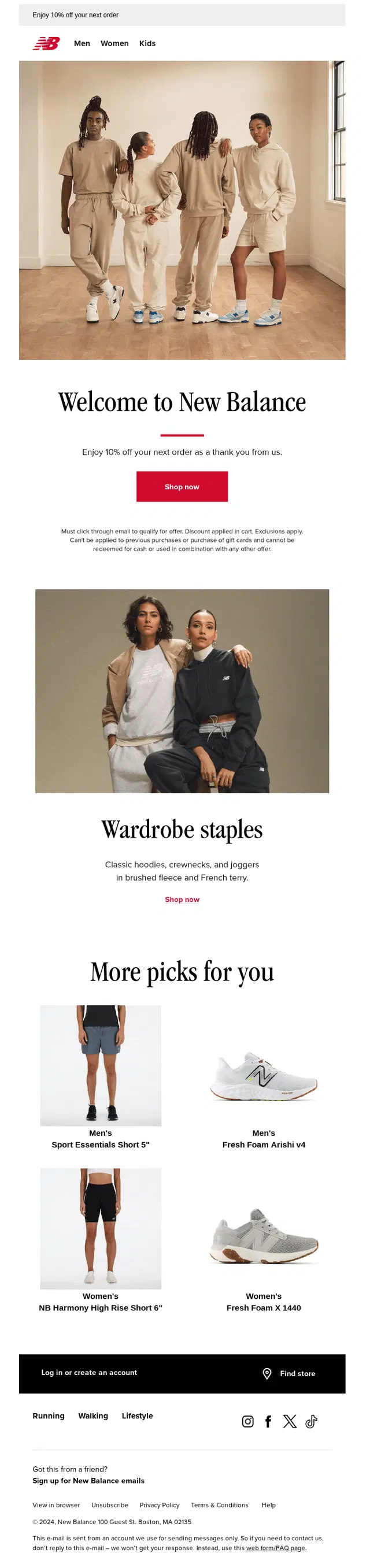
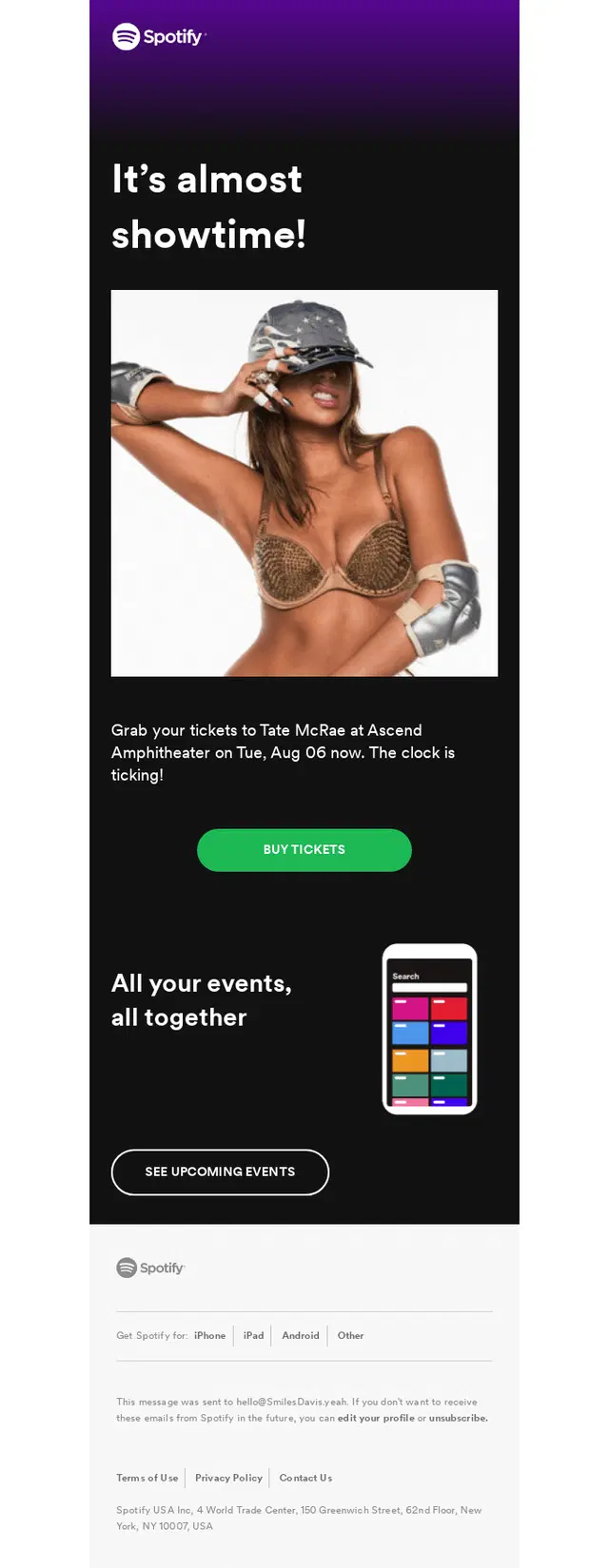
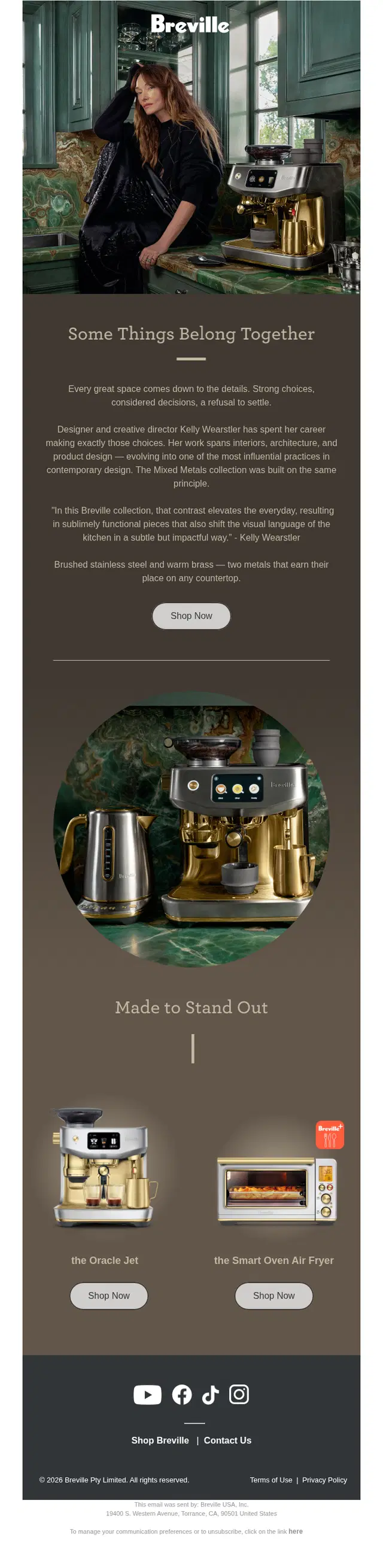
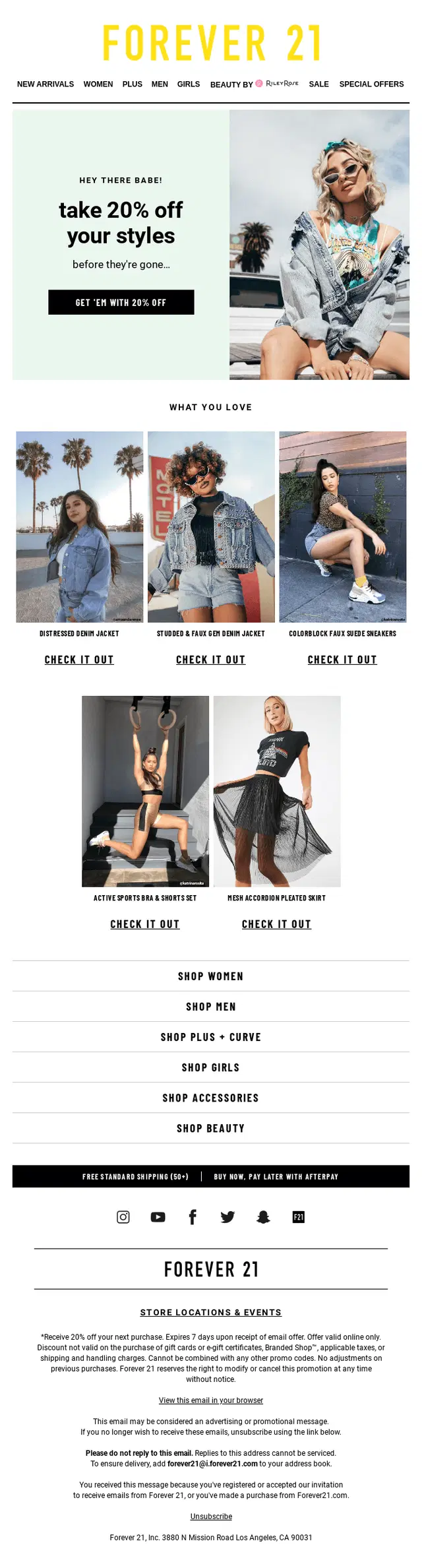
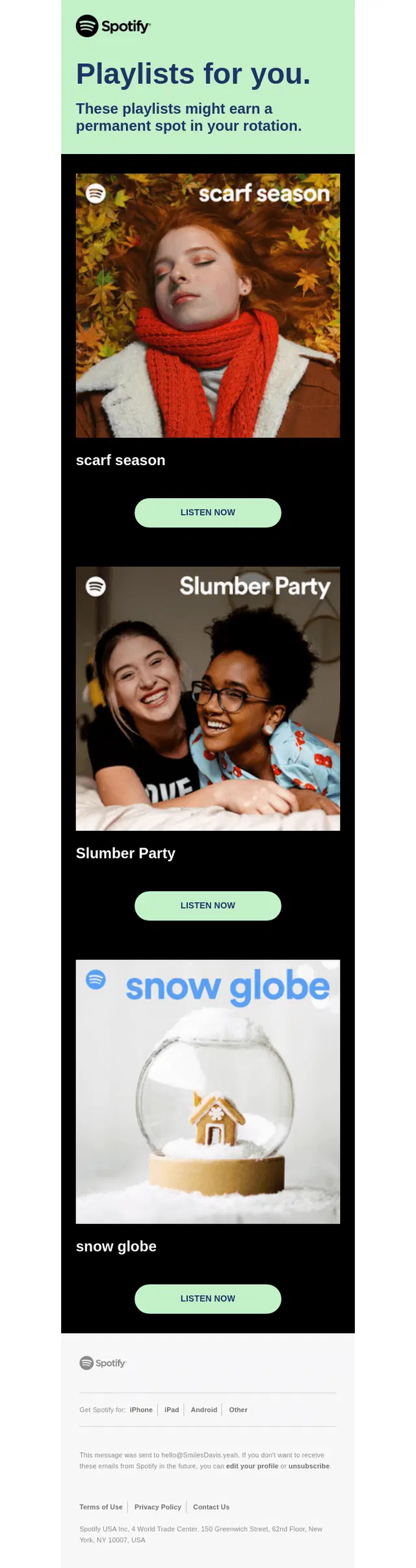
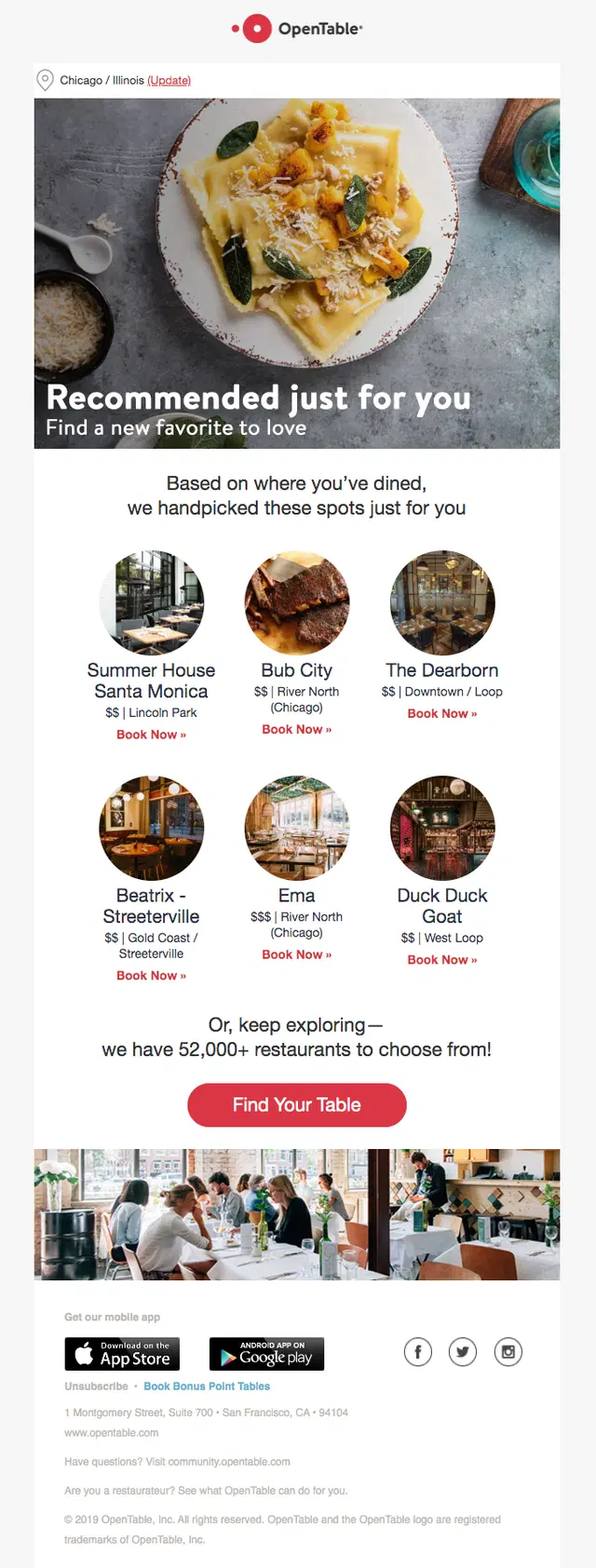
Personalized product recommendation emails use what a brand already knows about the customer to narrow down what they see next. That might come from previous purchases, browsing activity, stated preferences, profile information, or an affinity for a particular category.
The best examples make the reason behind the selection feel obvious. Instead of presenting a generic product grid, they create the sense that the assortment was chosen for this particular recipient.

Cross-Sell Product Recommendation Email Examples
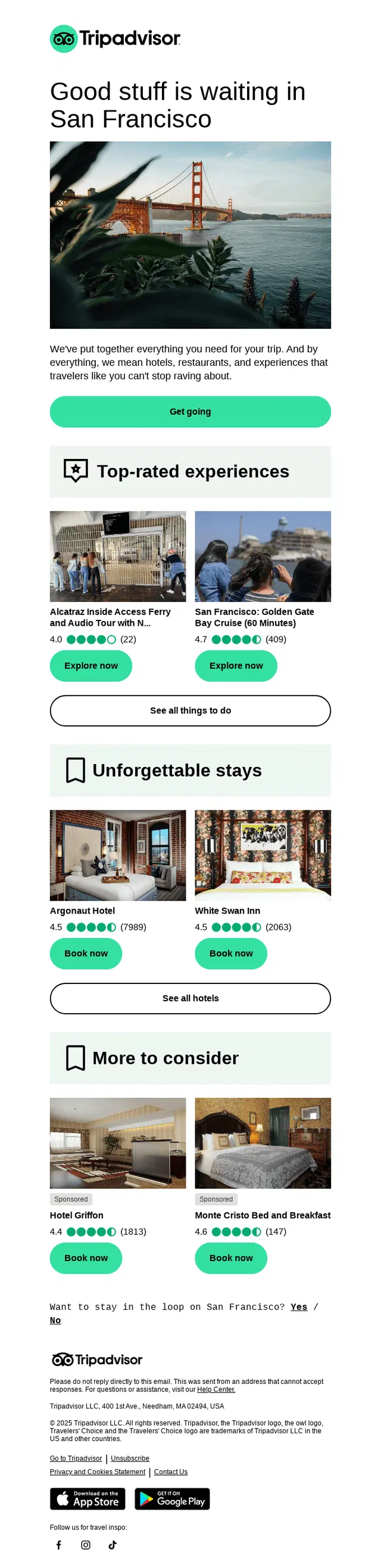
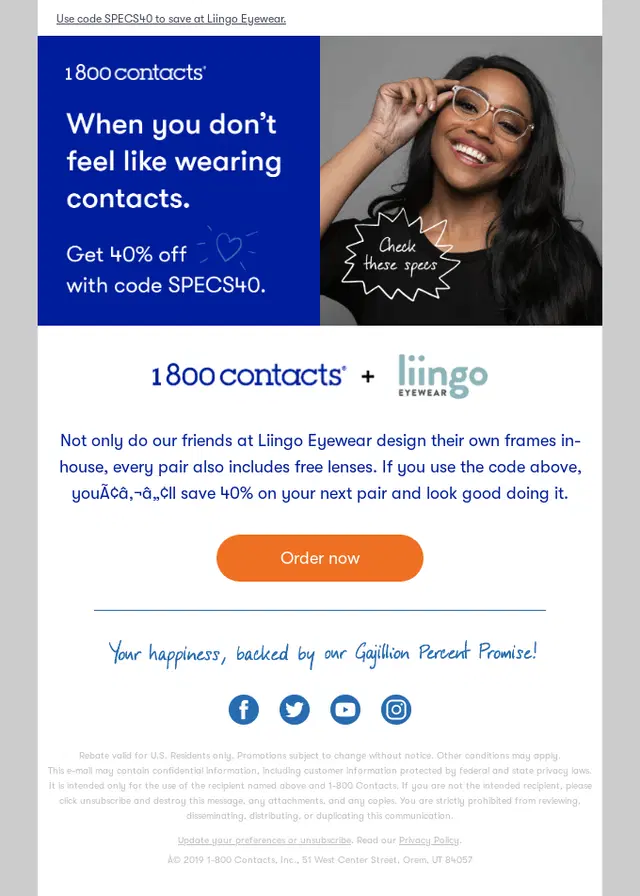
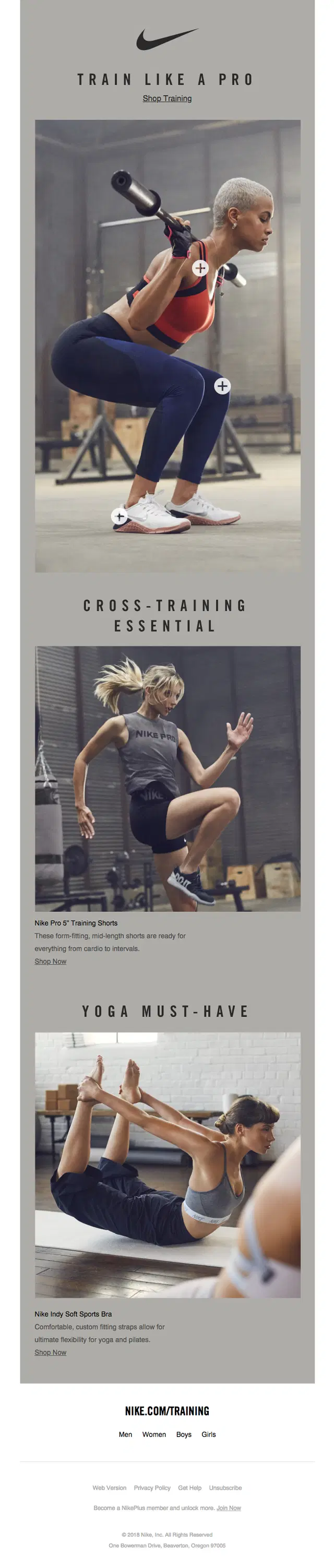
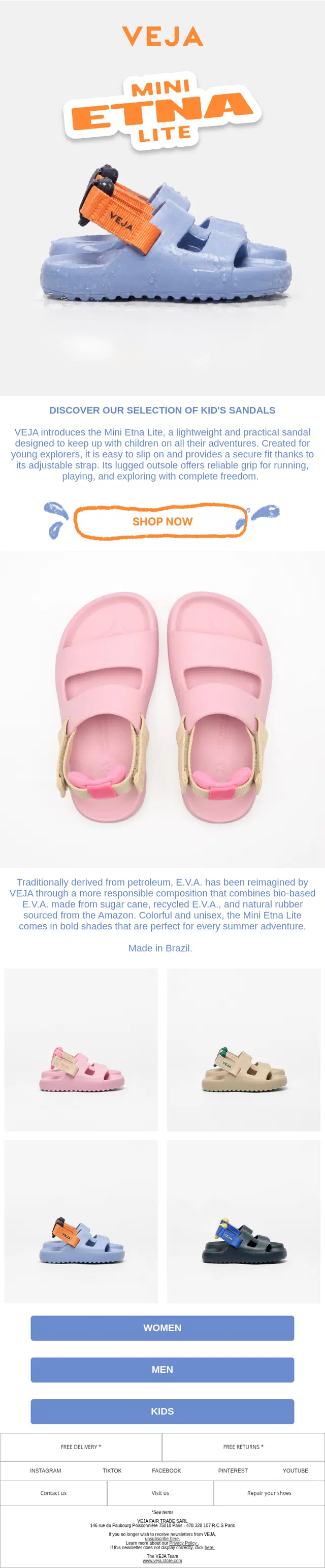
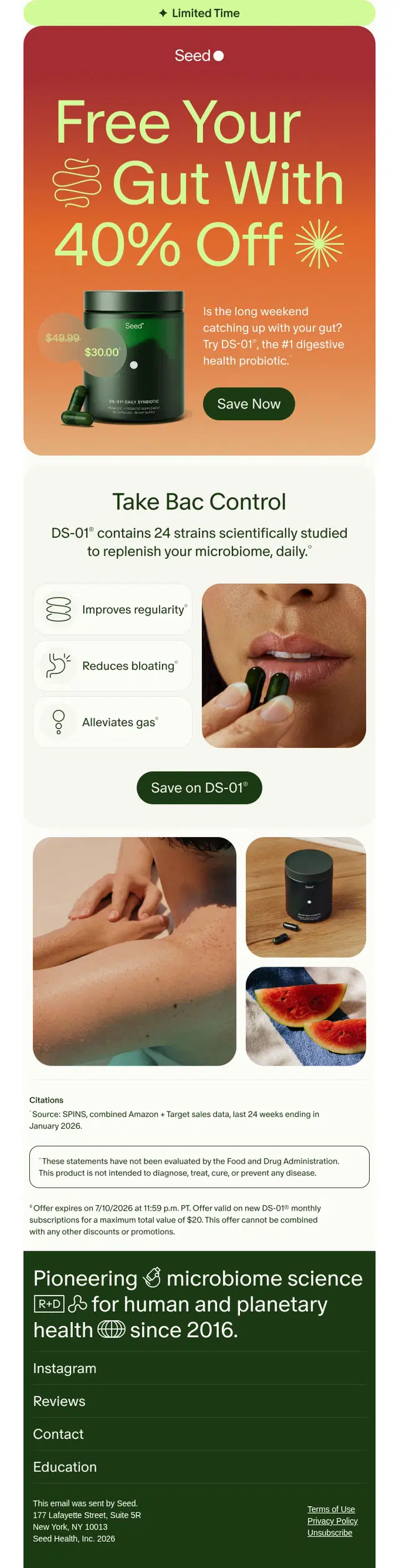
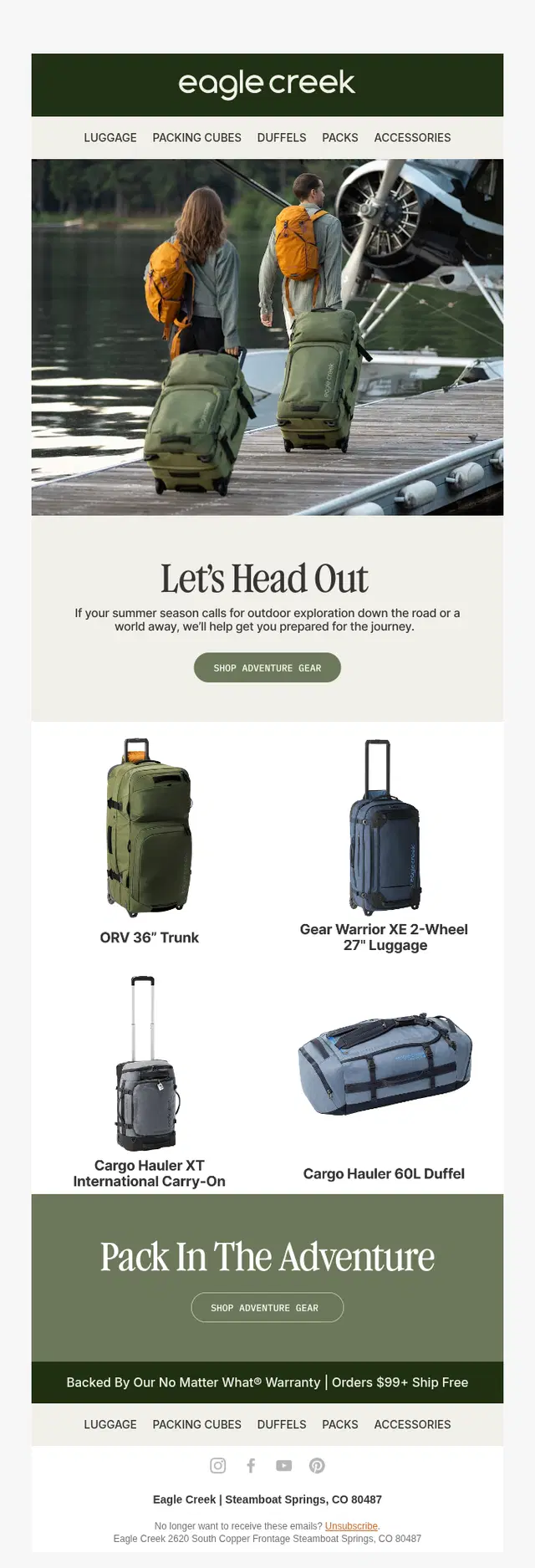
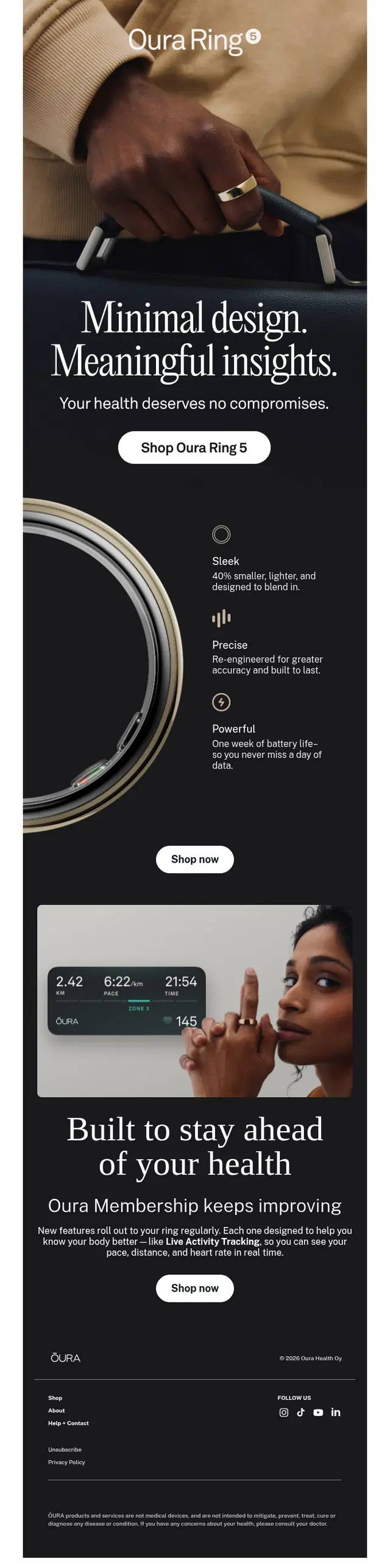
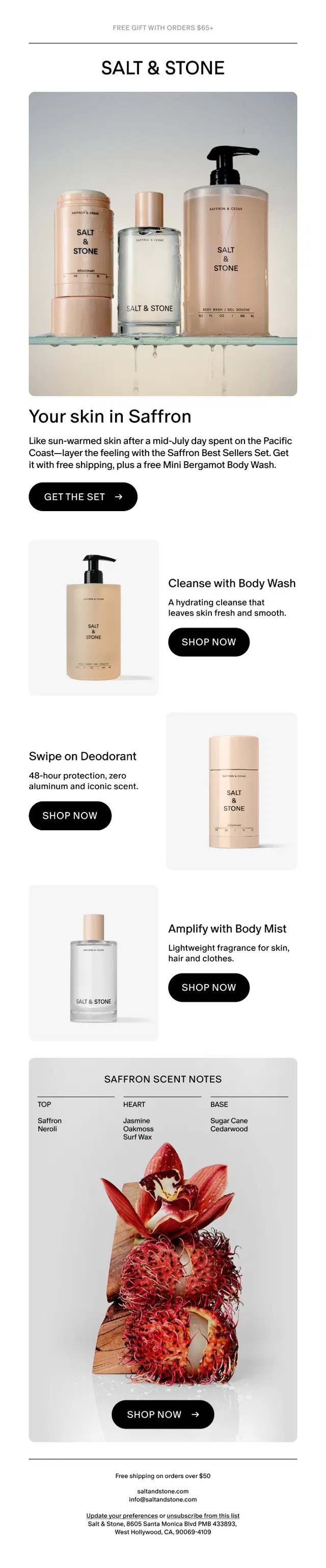
Cross-sell emails recommend products that make sense alongside something the customer already owns, is considering, or has just purchased. Think accessories for a new device, another piece from the same outfit, or products that complete a routine.
The goal isn’t to replace the original choice. It’s to make that choice more useful, complete, or enjoyable by showing what naturally goes with it.



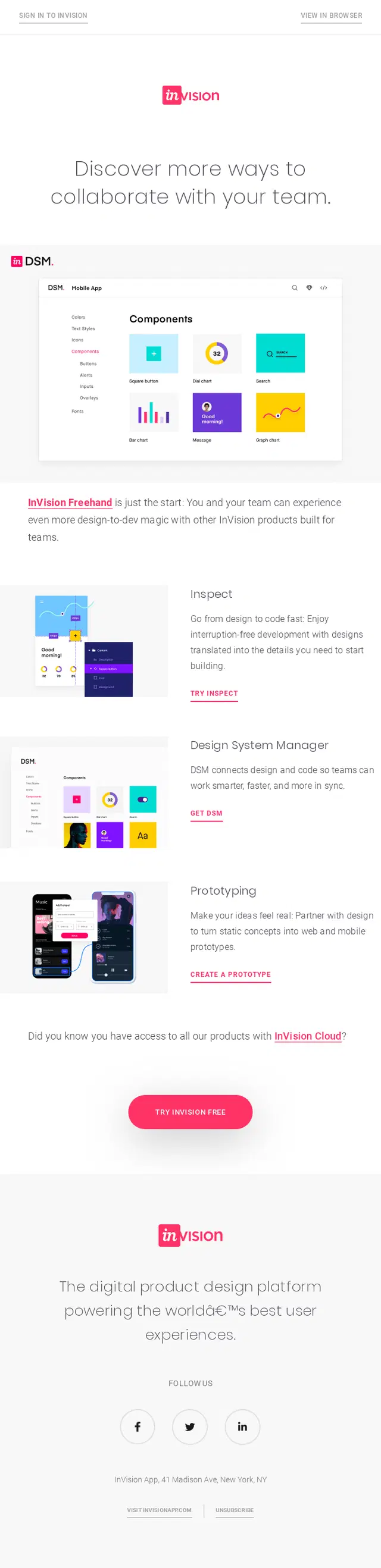
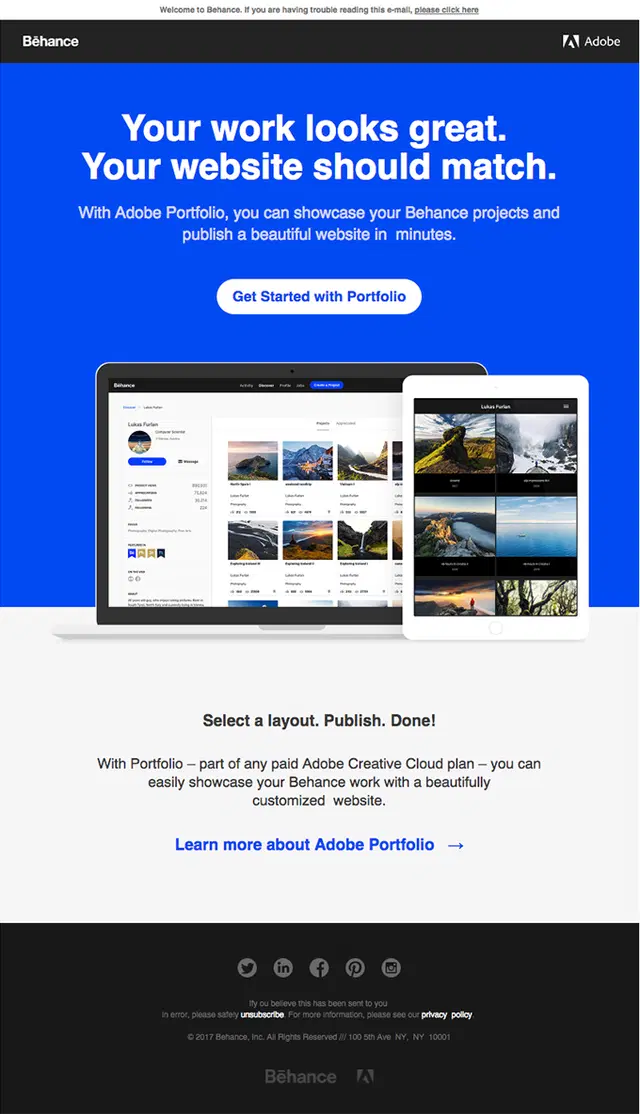

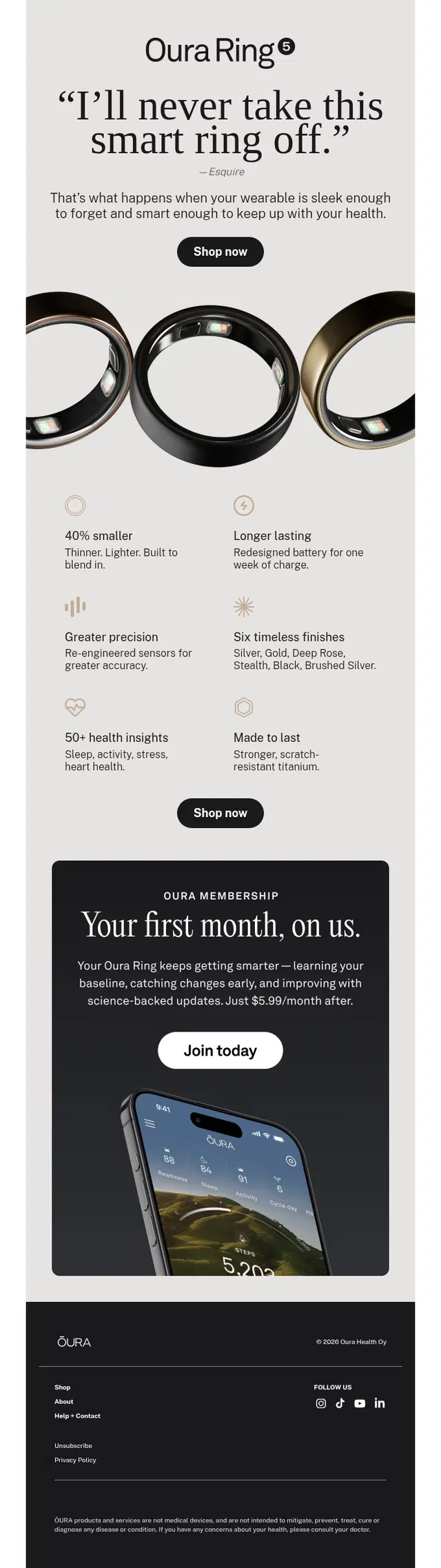


Upsell and Upgrade Product Recommendation Emails
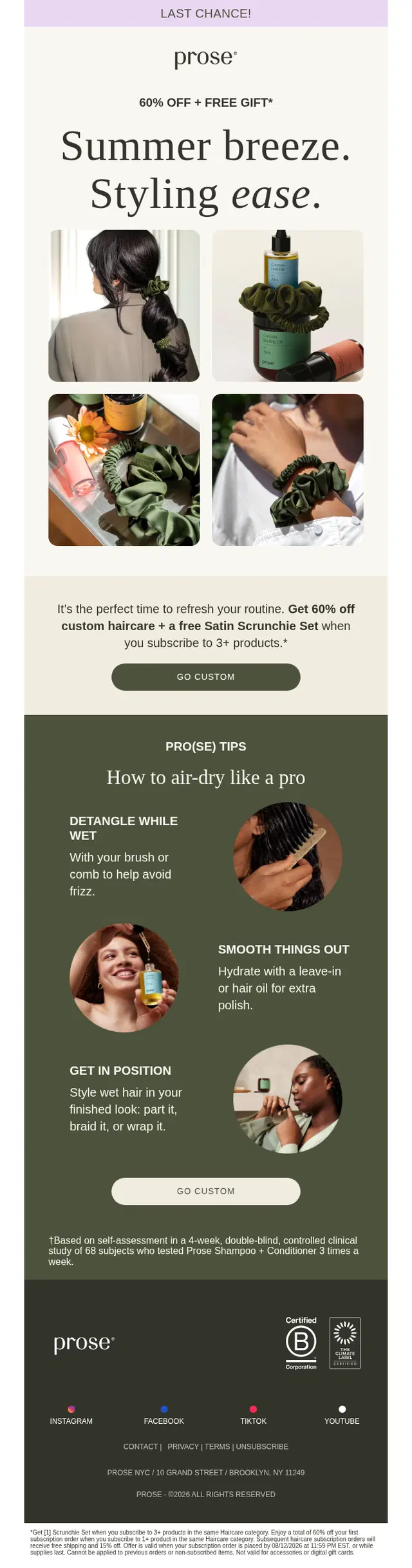
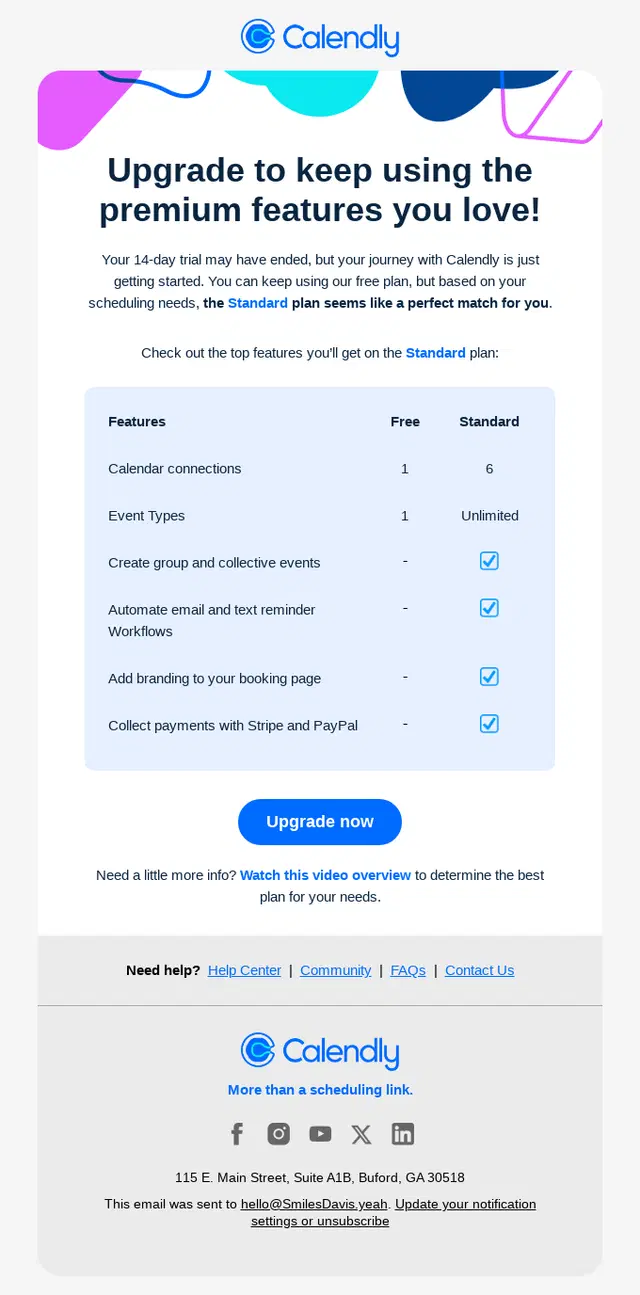
Upsell emails take a different route. Rather than recommending something alongside the customer’s current choice, they make the case for moving up to a more capable, premium, or complete option.
That could mean a higher plan, a larger package, a bundle, a newer model, or a version with better features. Strong upsell emails make the additional value easy to understand instead of simply pointing customers toward the more expensive product.




Browsing-Based Product Recommendation Email Examples
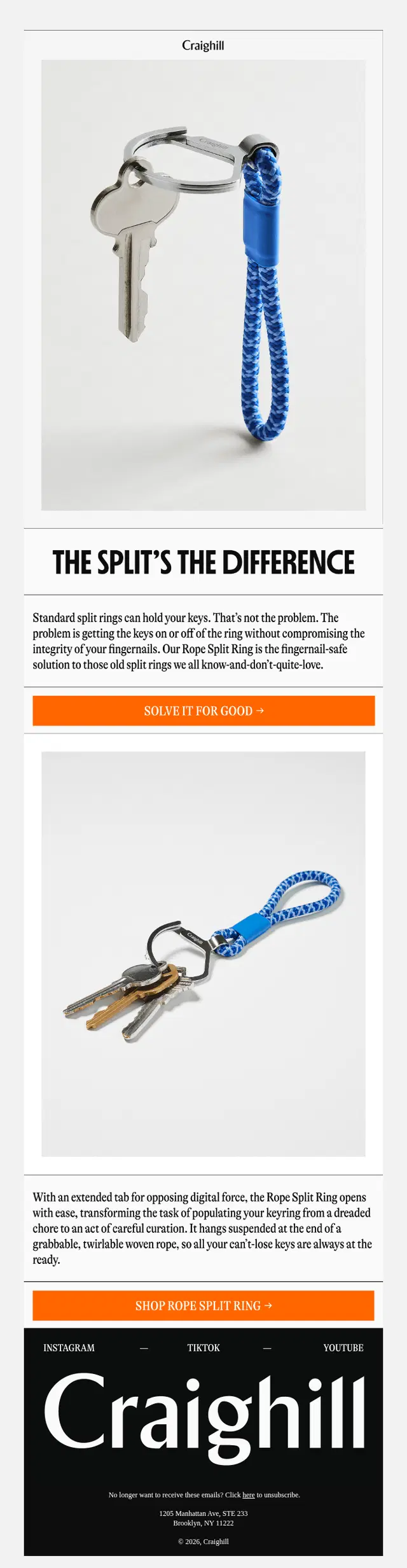
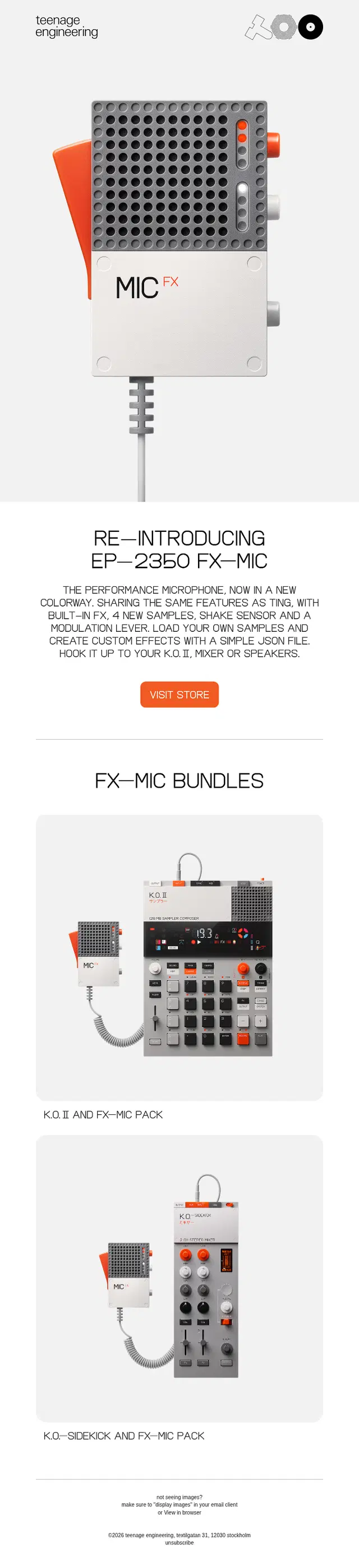
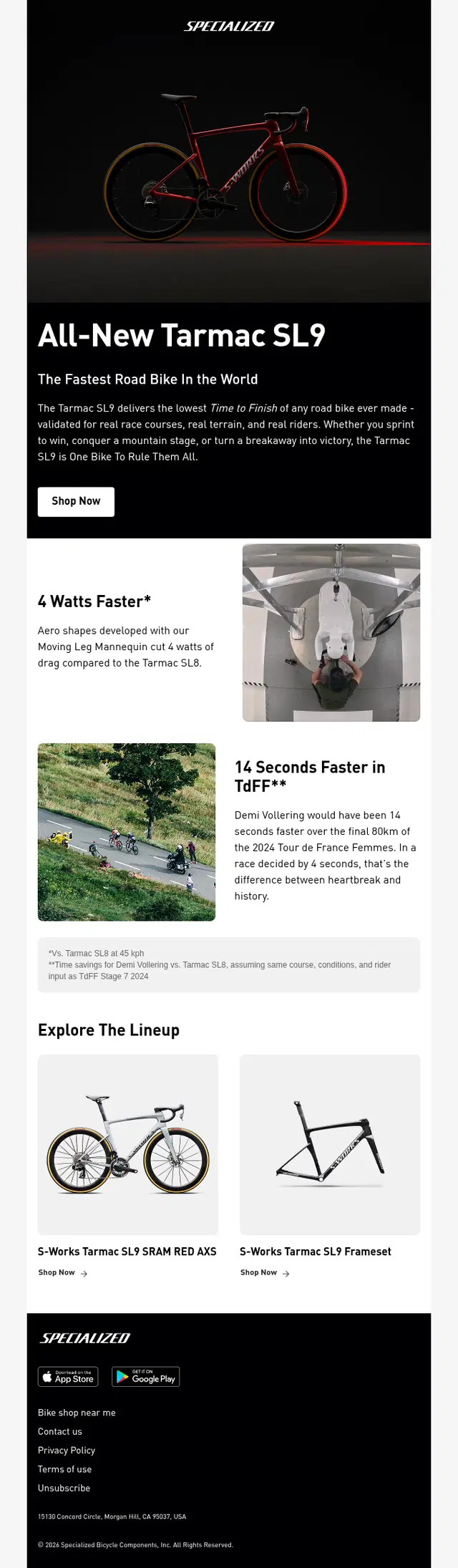
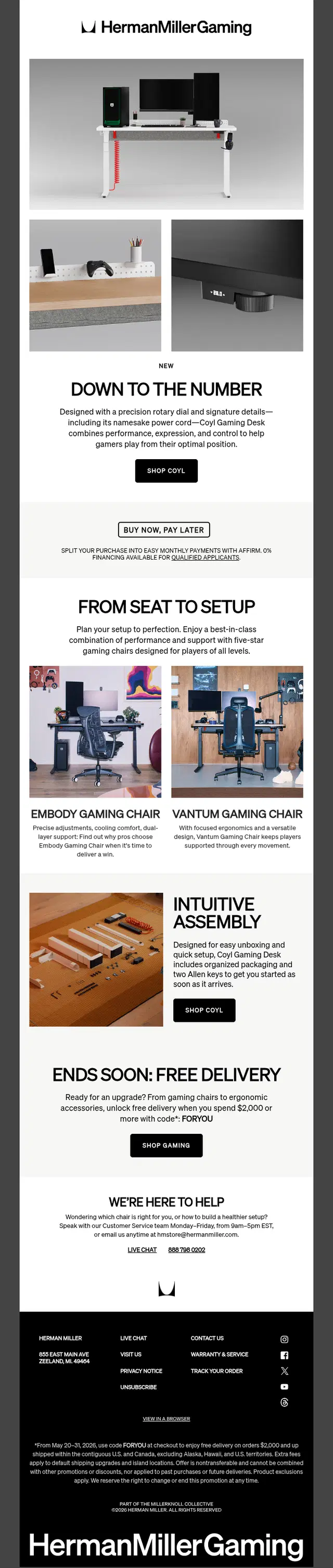
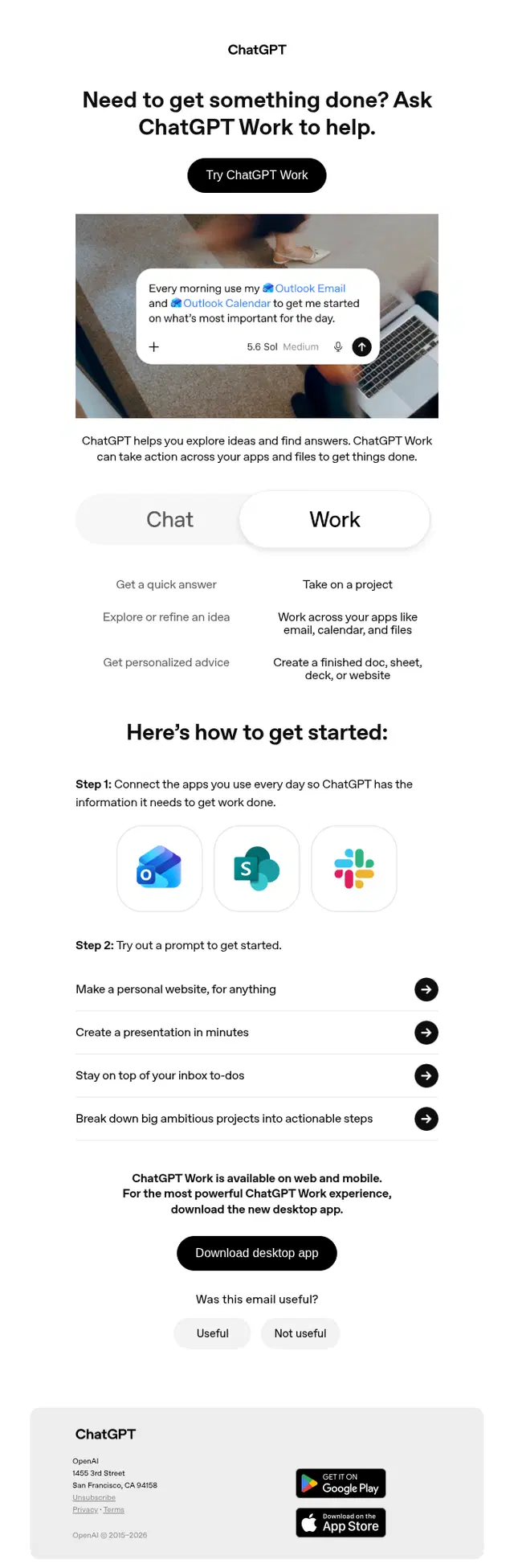
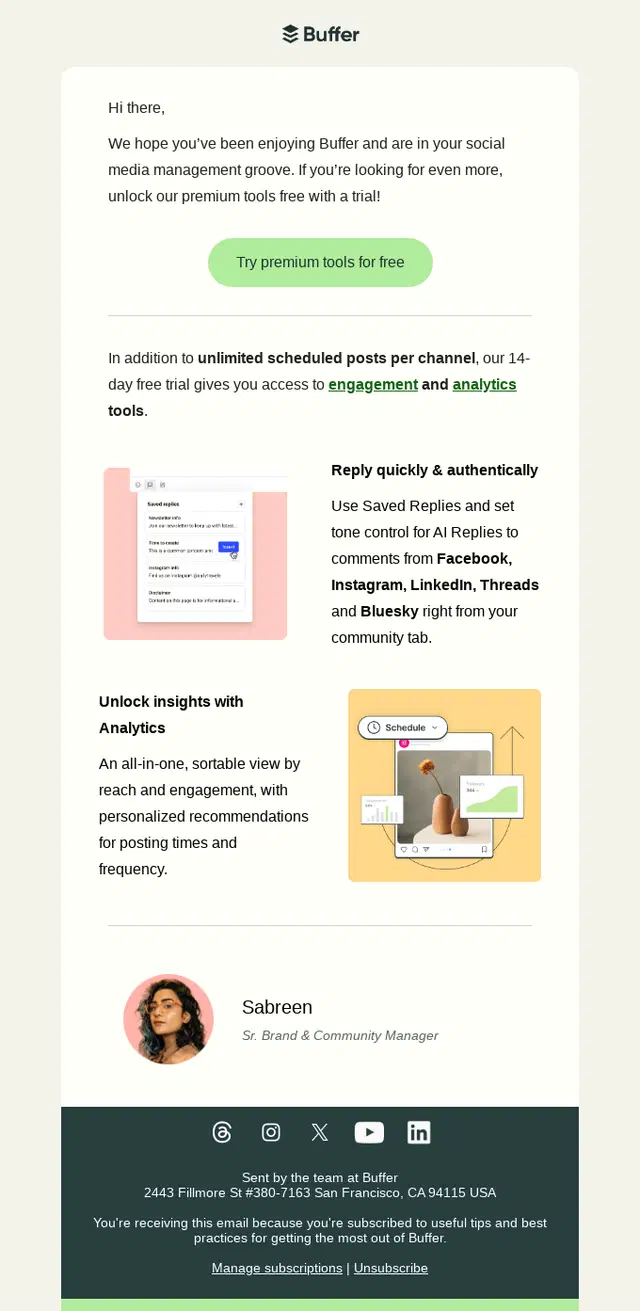
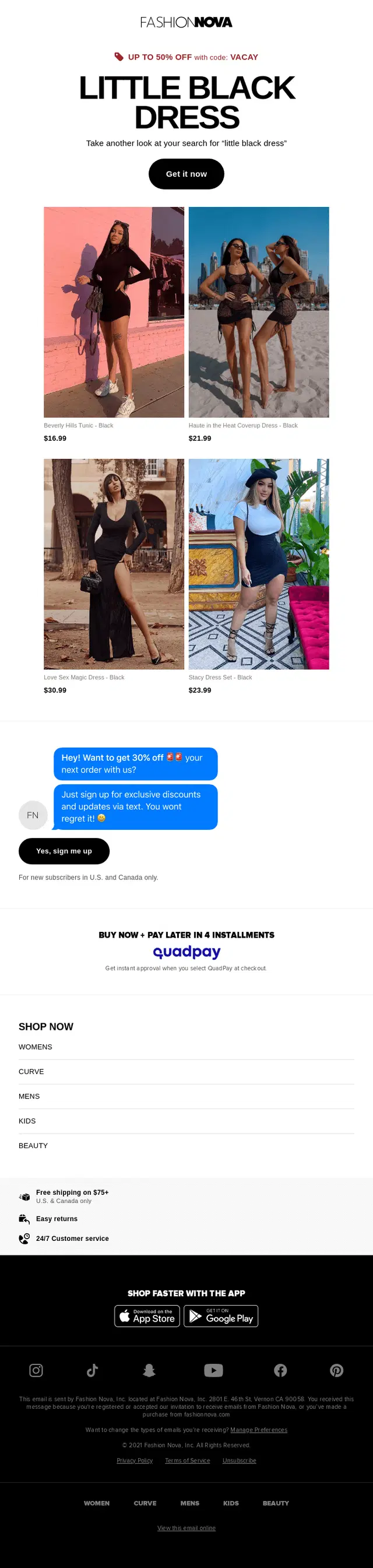
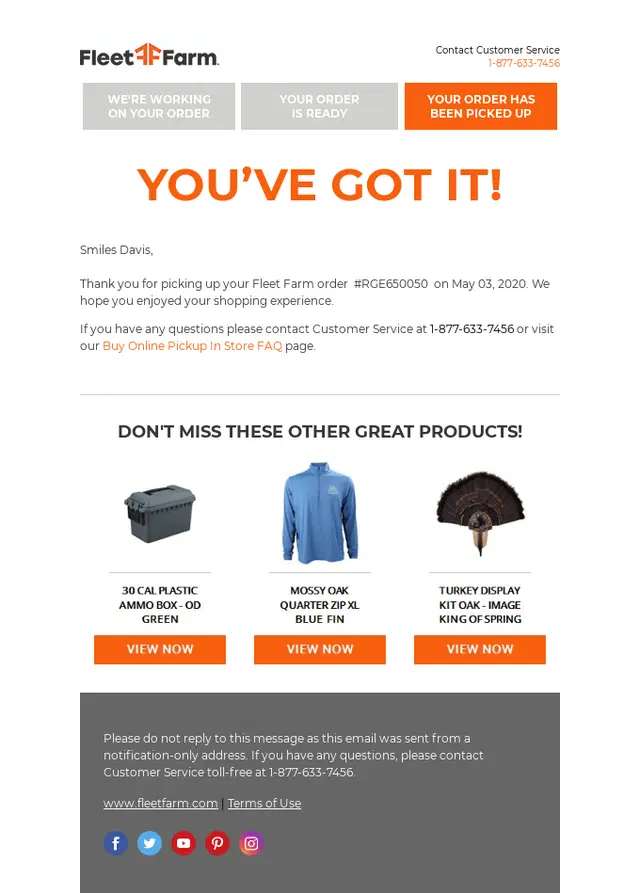
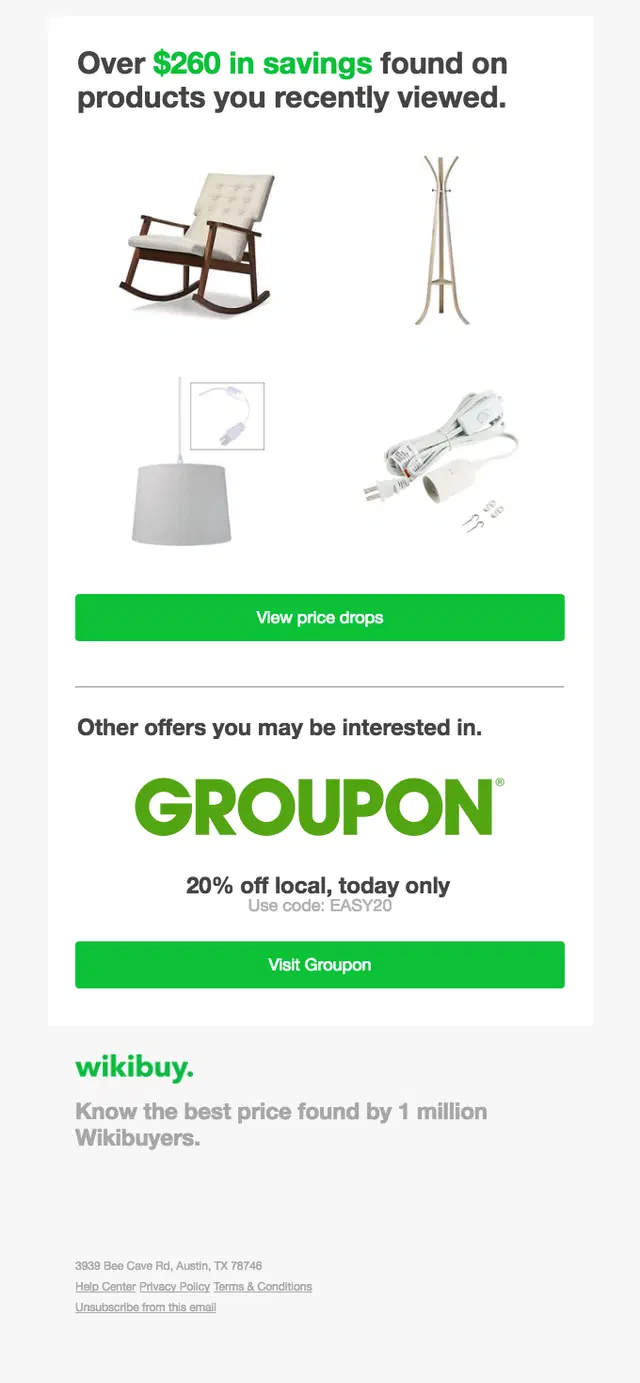
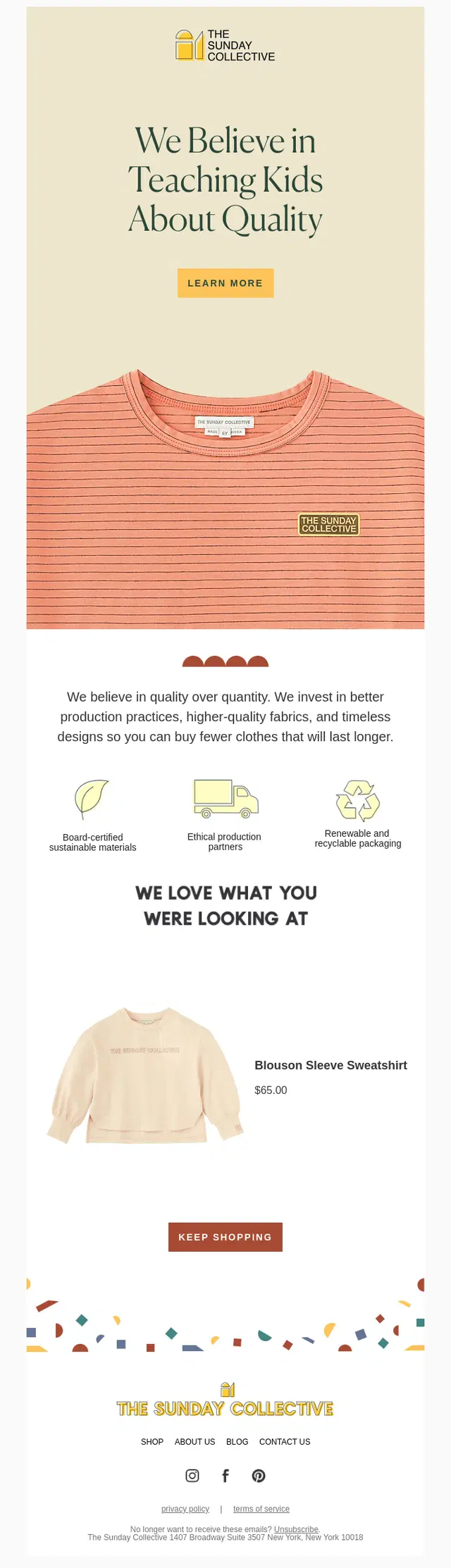
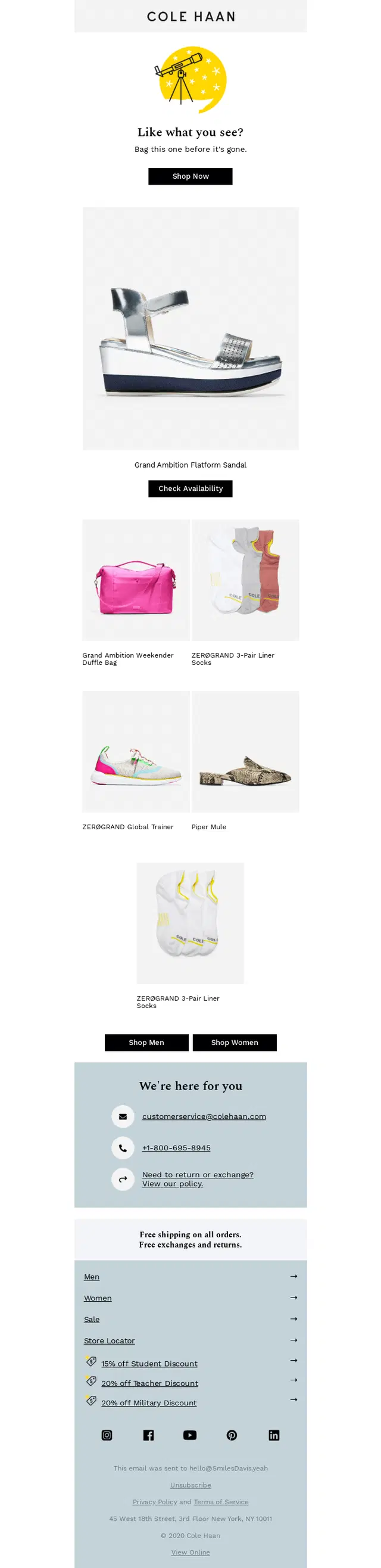
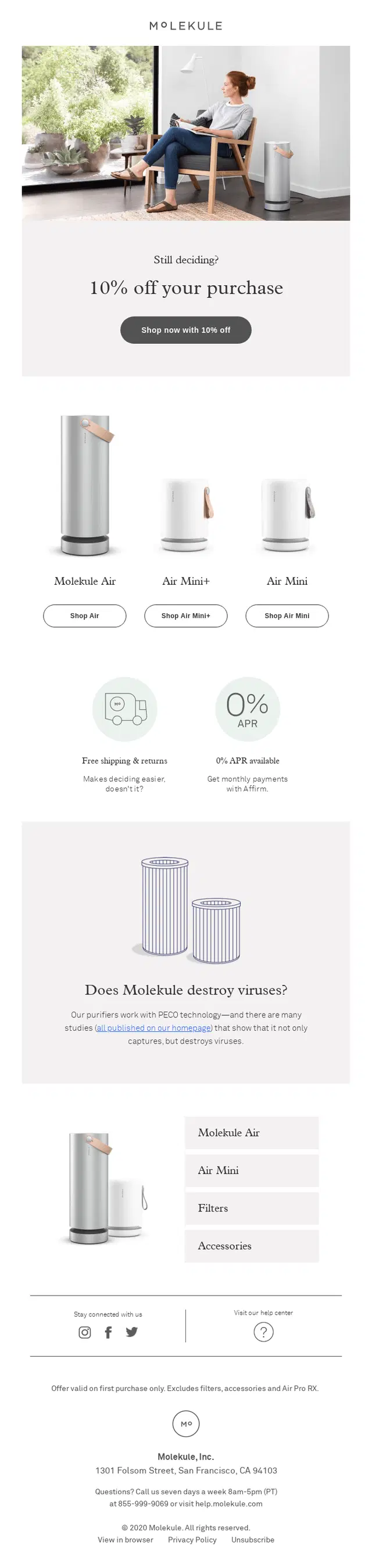
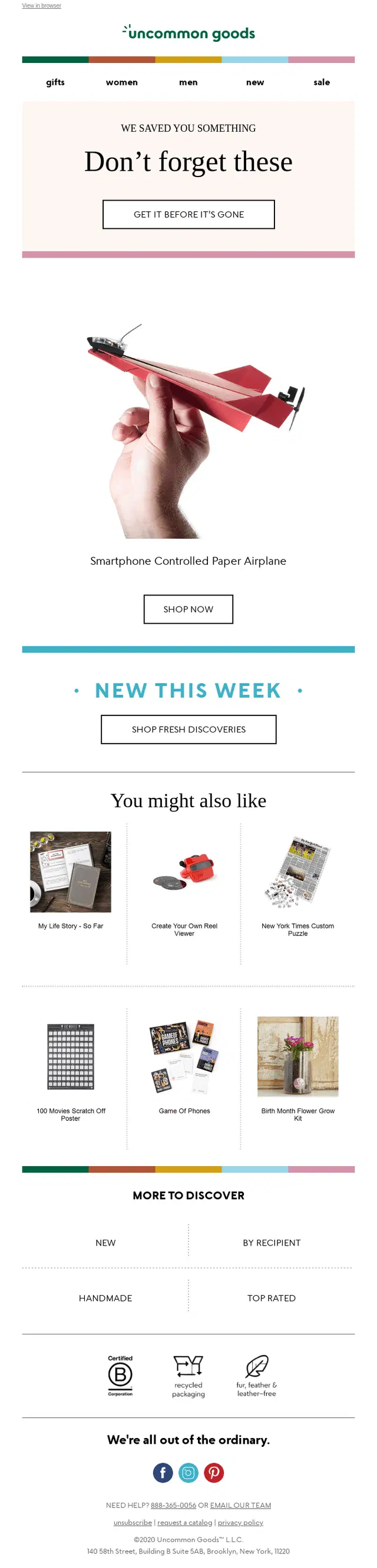
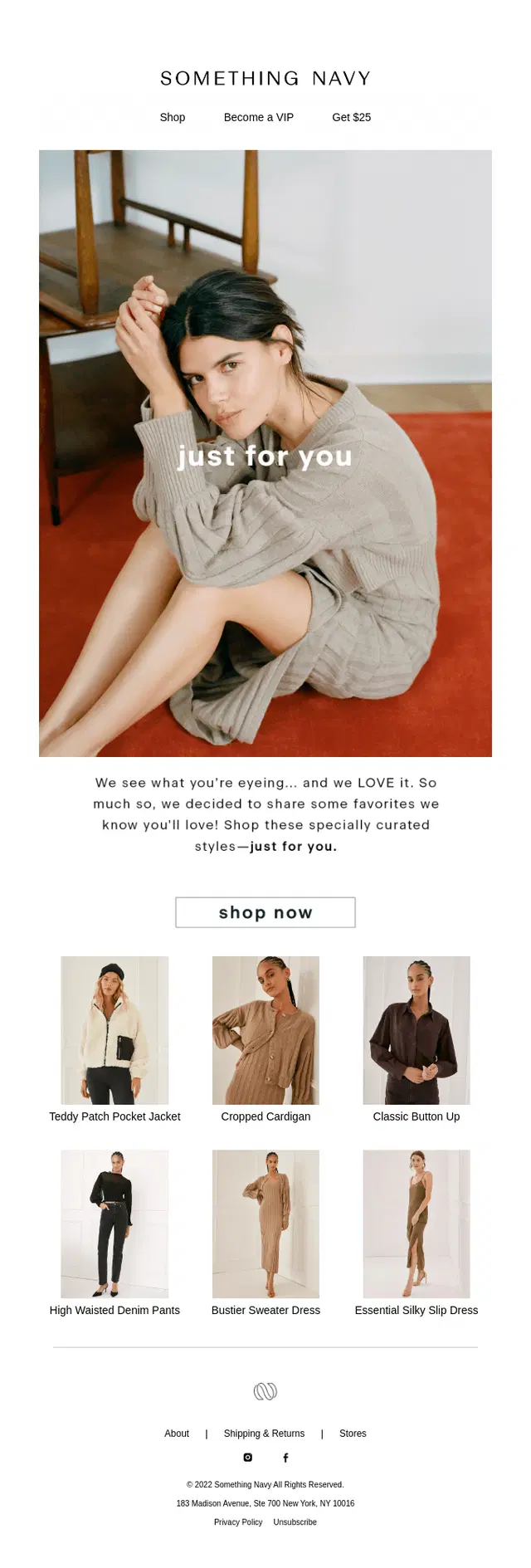
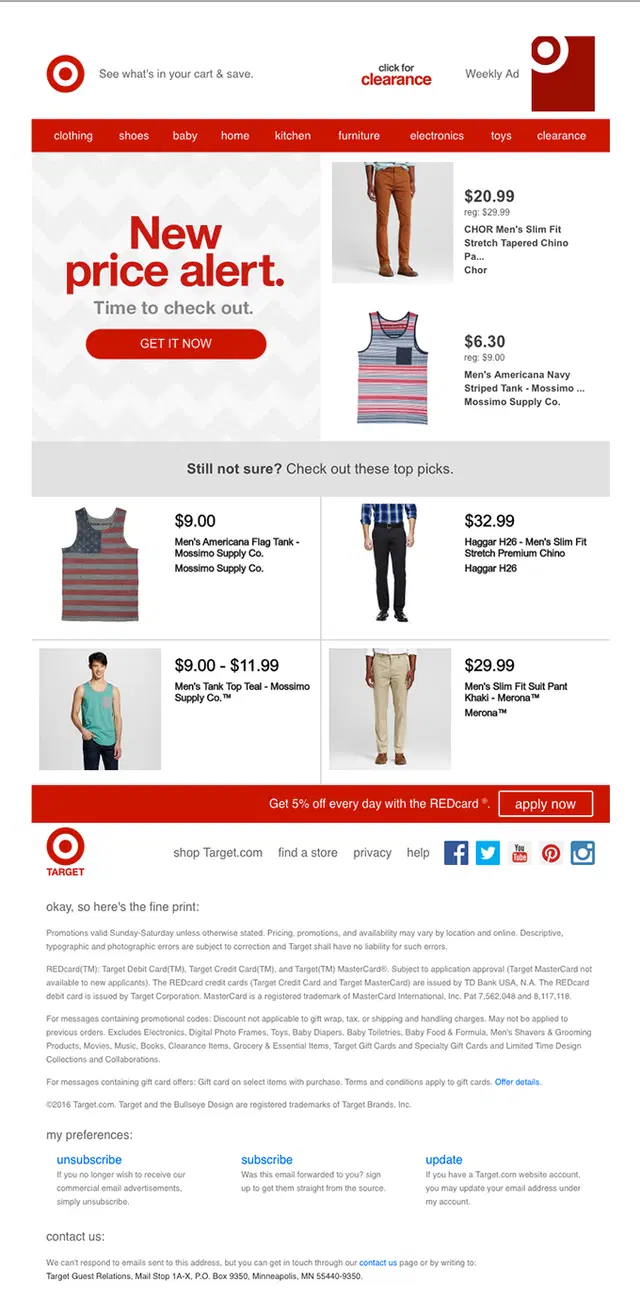
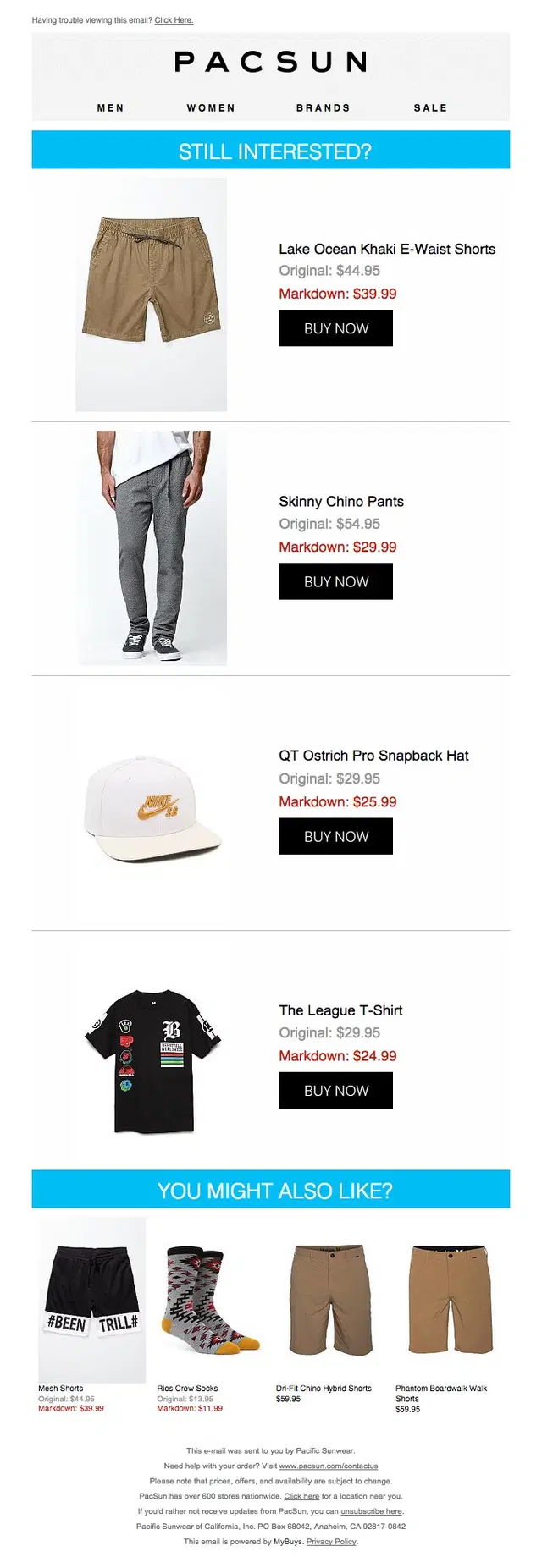
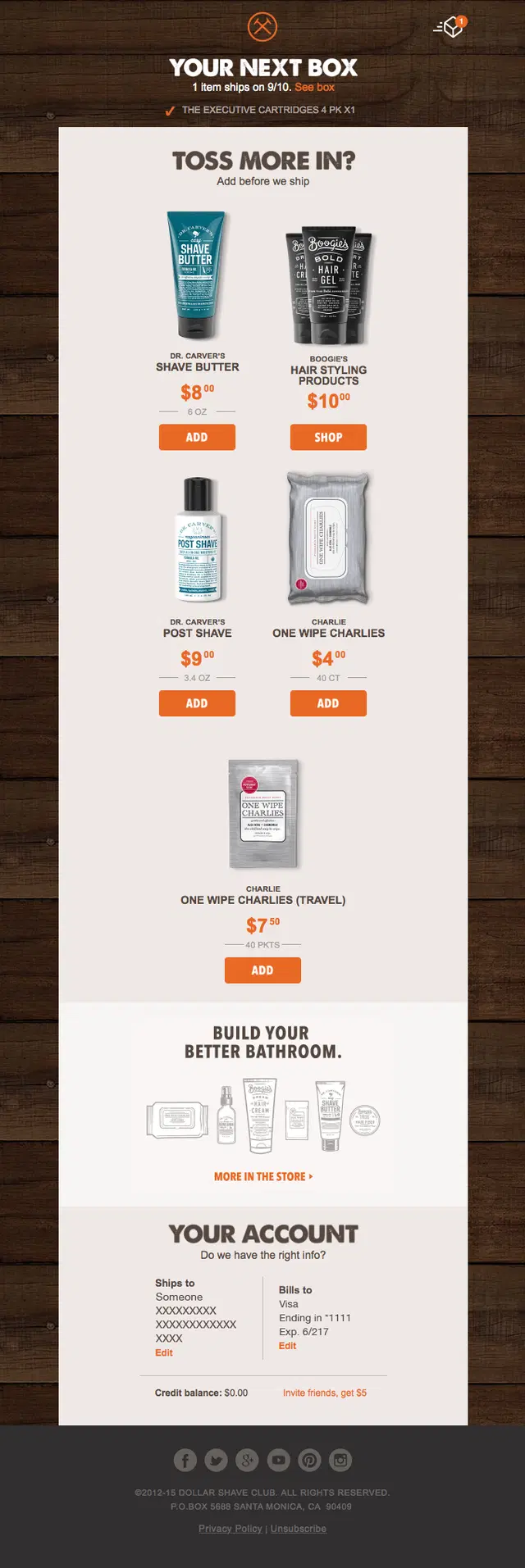
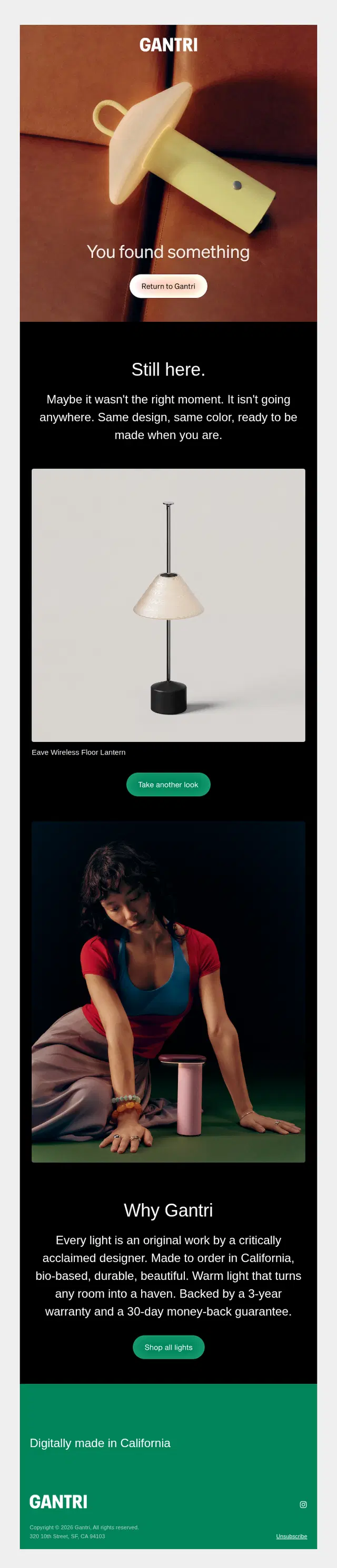
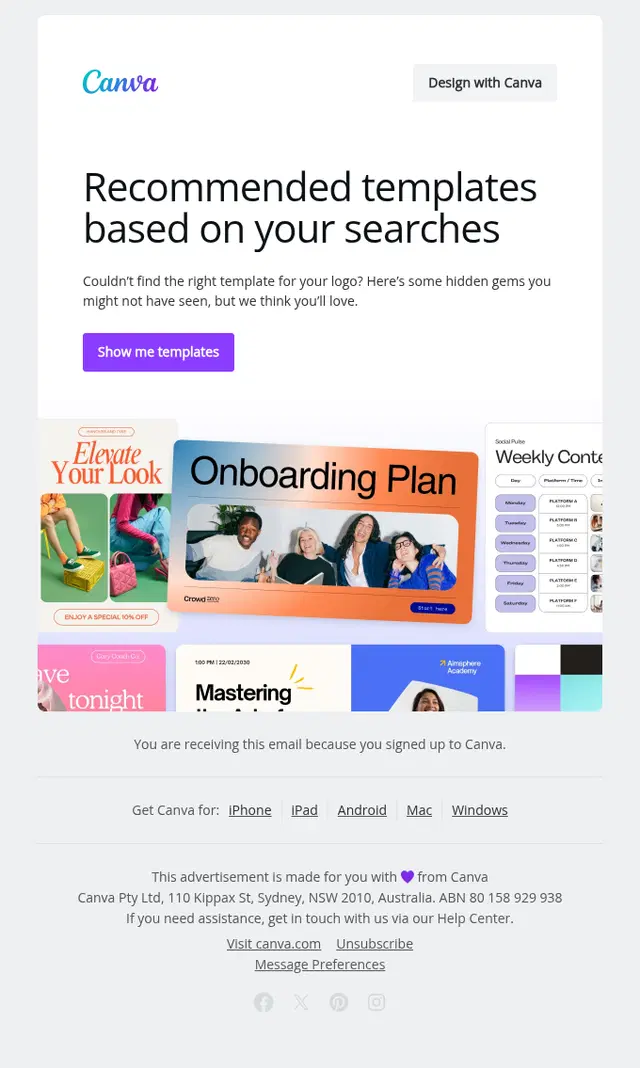
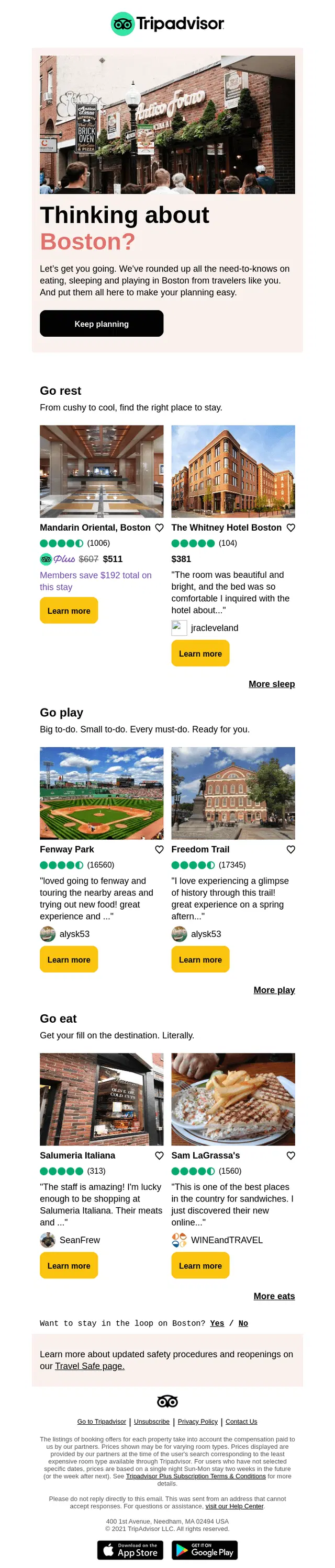
Browsing behavior gives brands one of the clearest signals of current customer interest. Someone who has looked at the same product several times, explored a particular category, or compared similar items has already told you quite a bit without making a purchase.
Browsing-based recommendation emails turn those signals into useful follow-ups. They can bring the original item back, suggest close alternatives, or show more products that fit the same search.



Cart Abandonment Emails With Product Recommendations
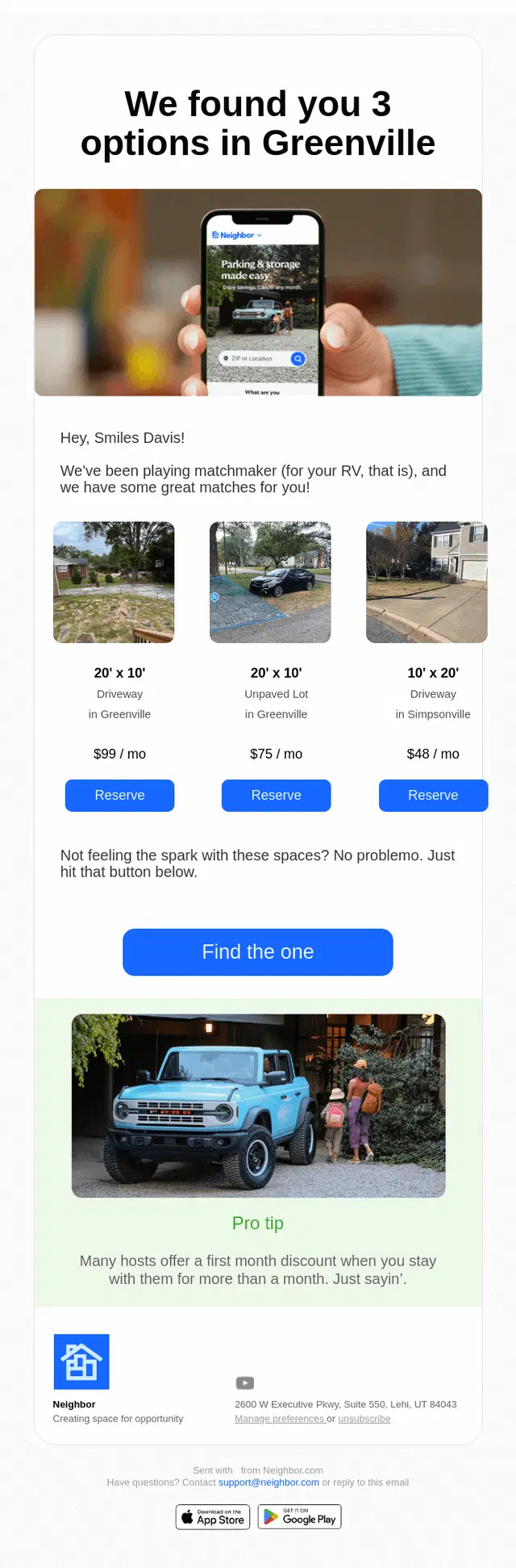
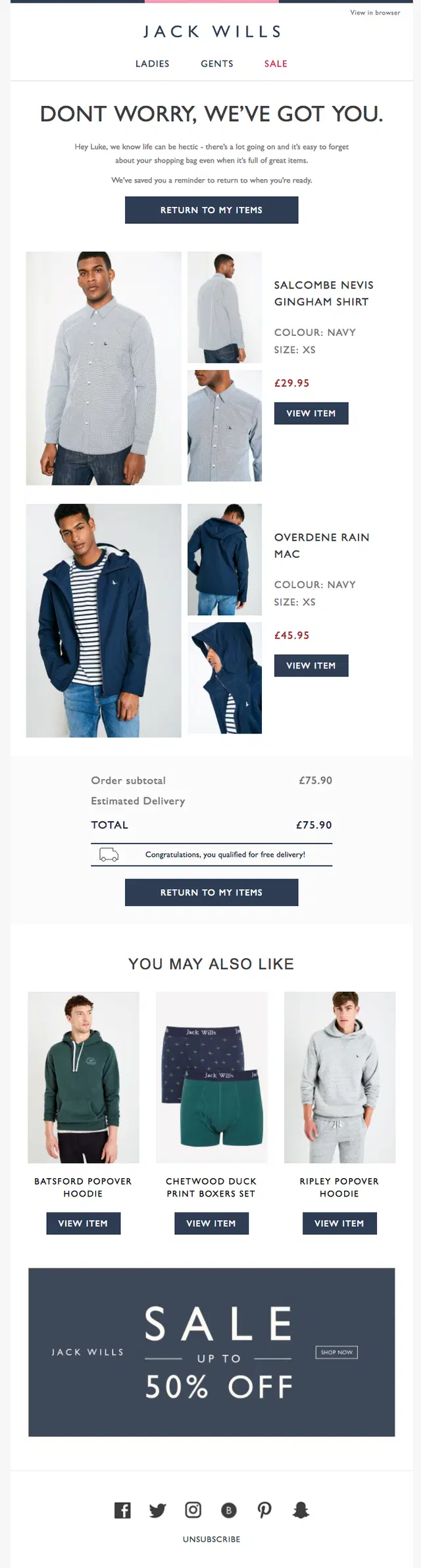
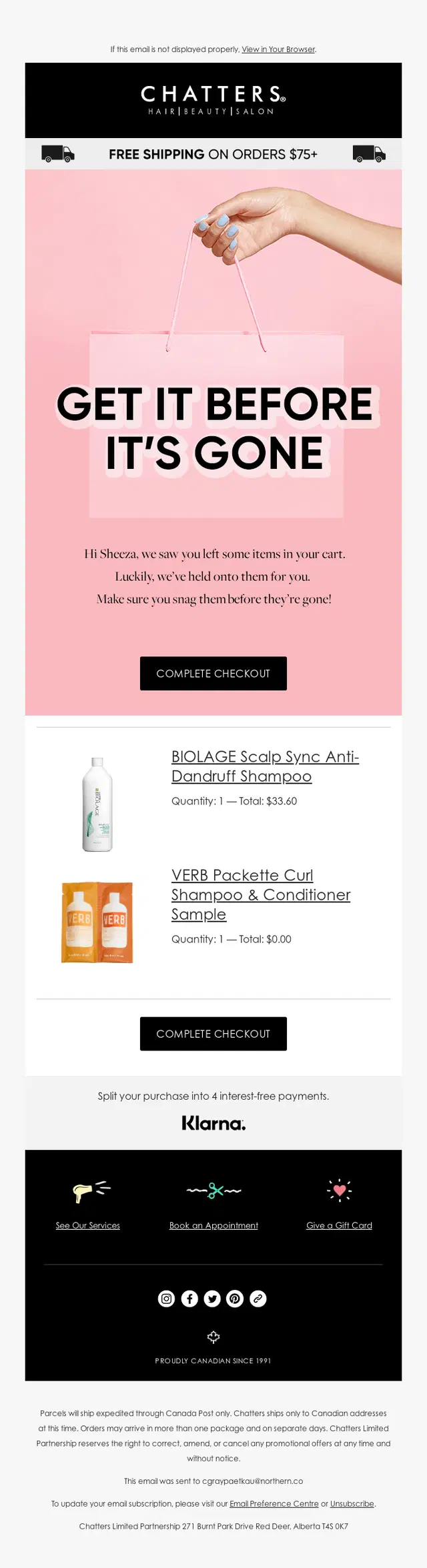
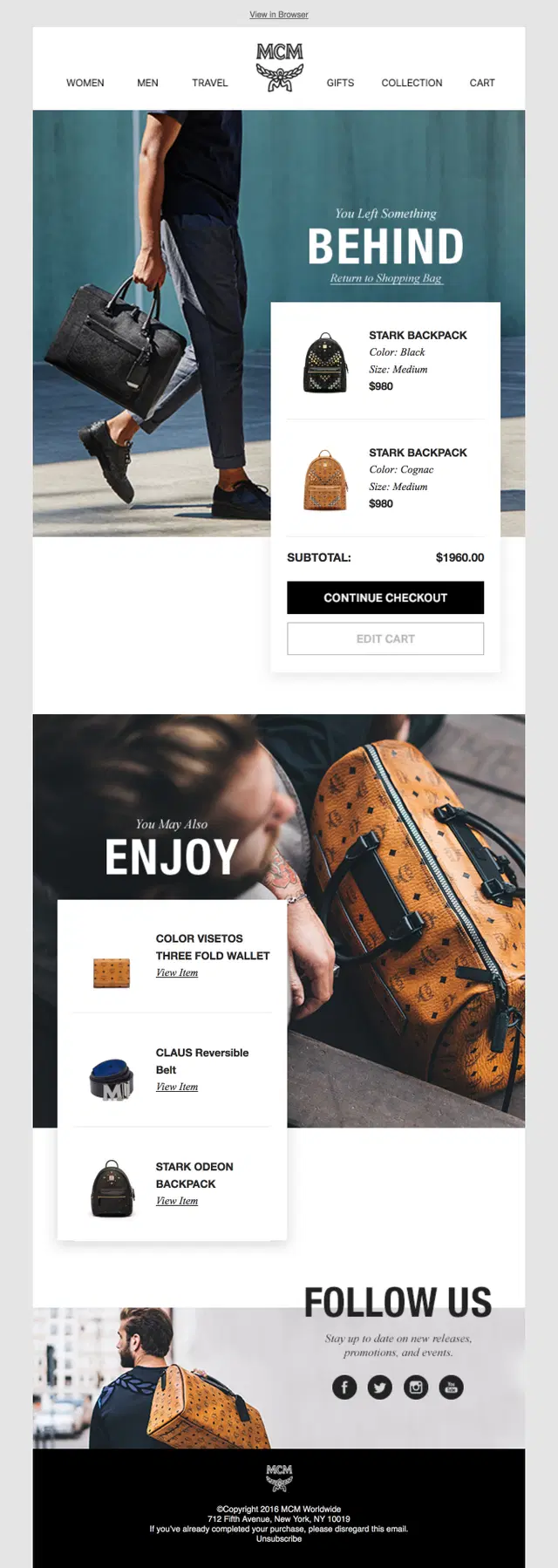
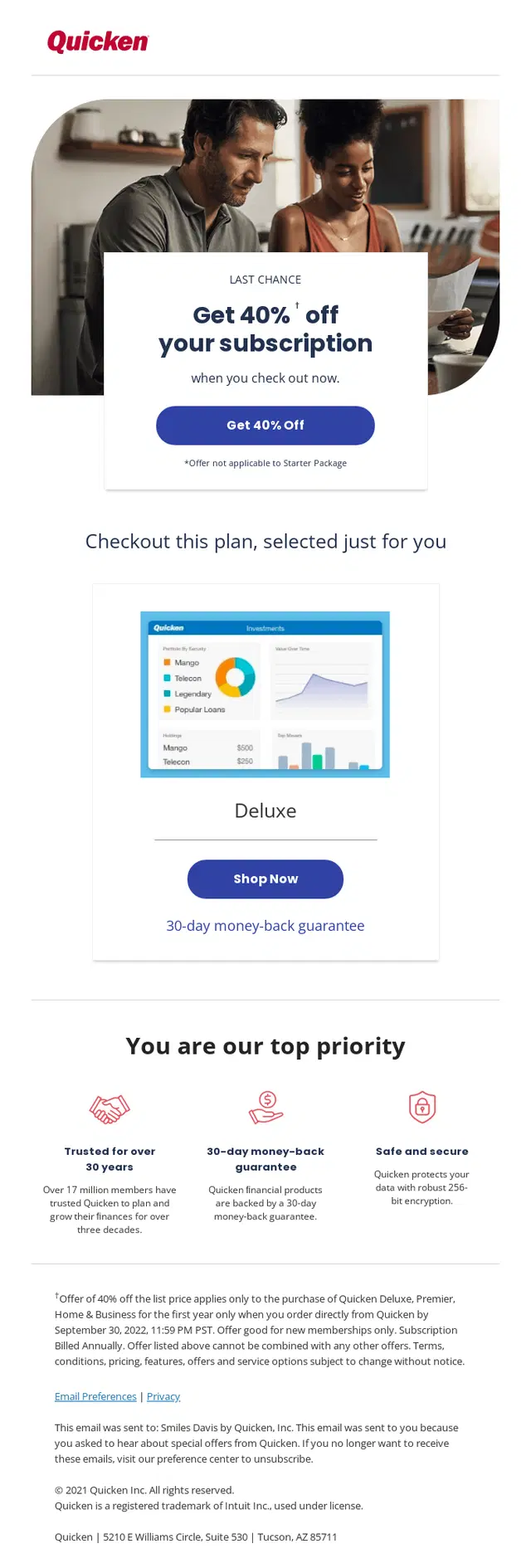
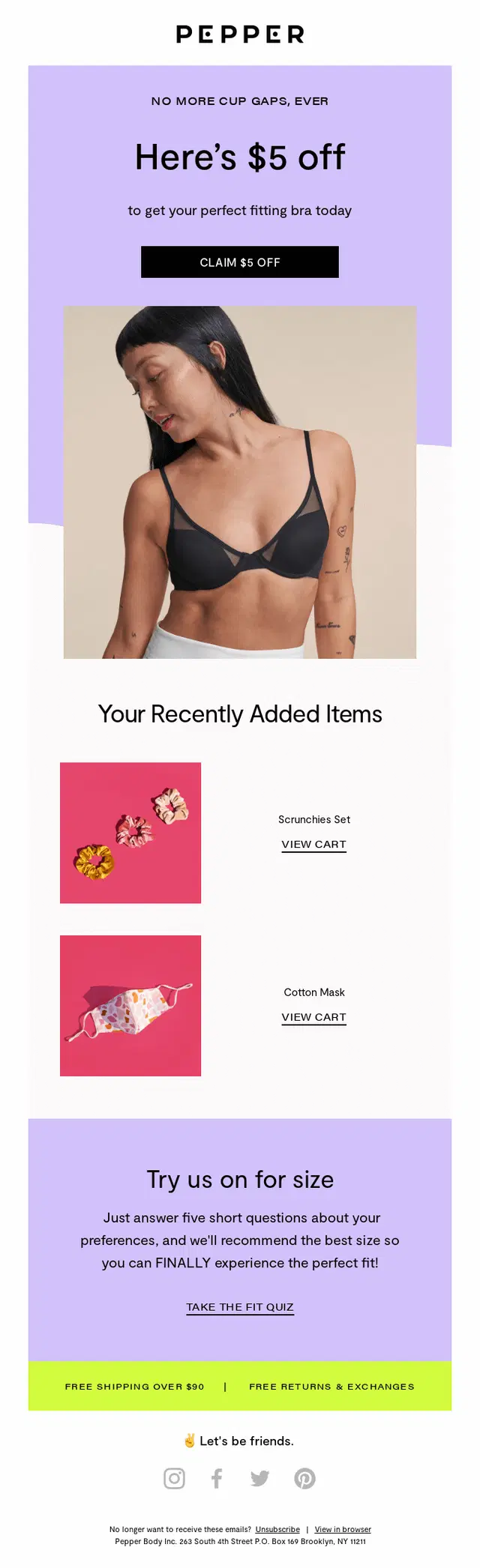
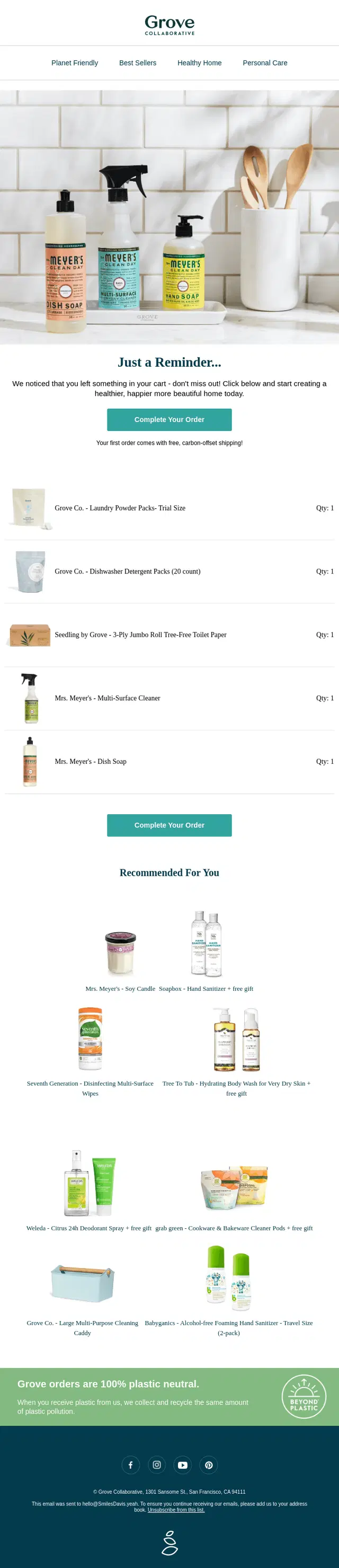
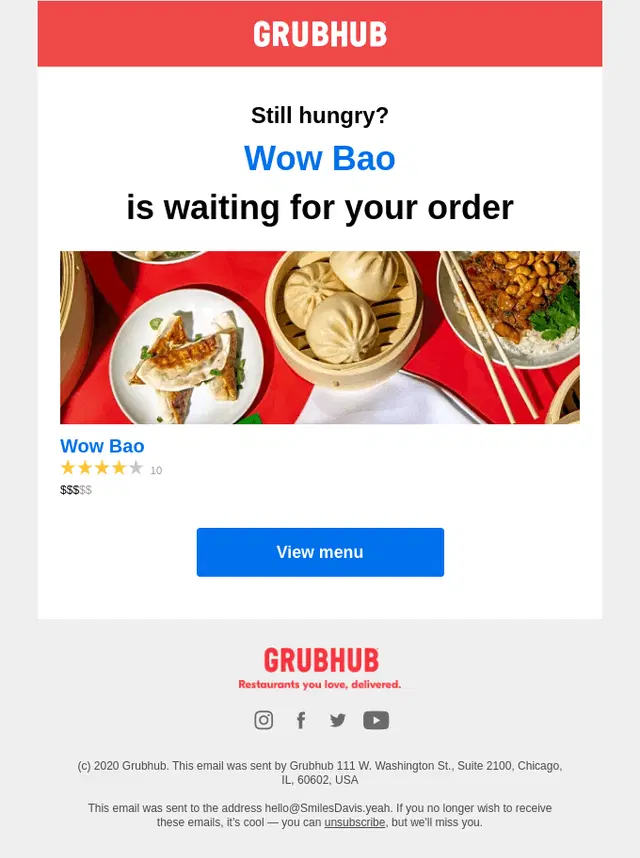
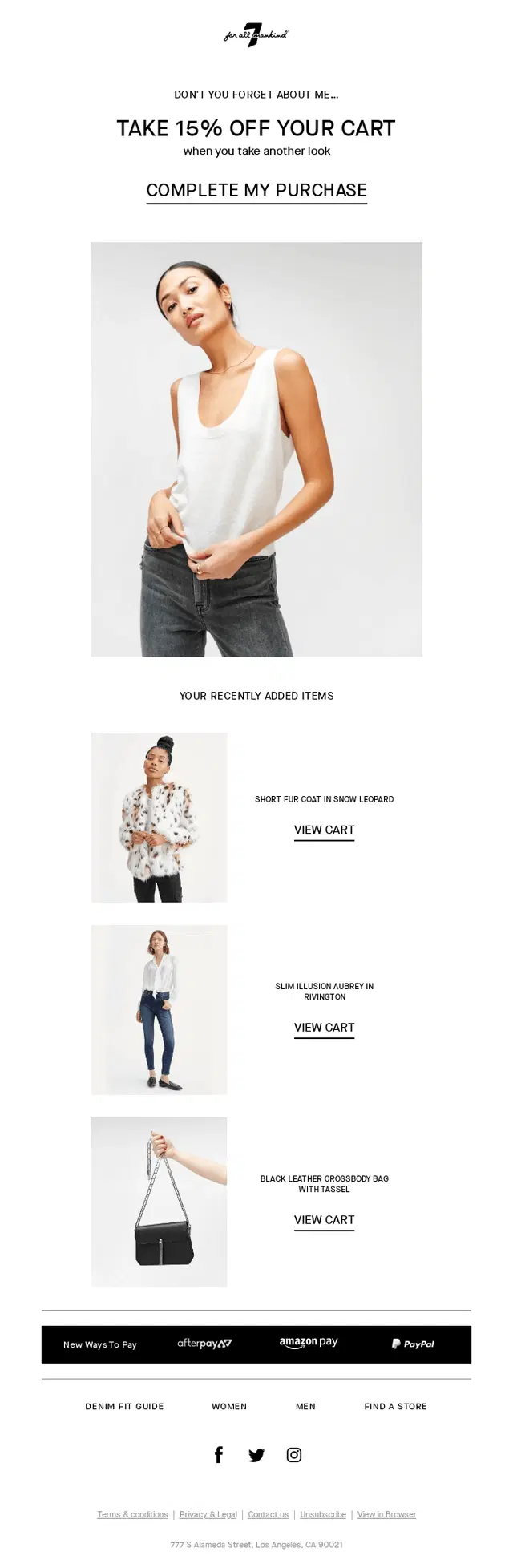
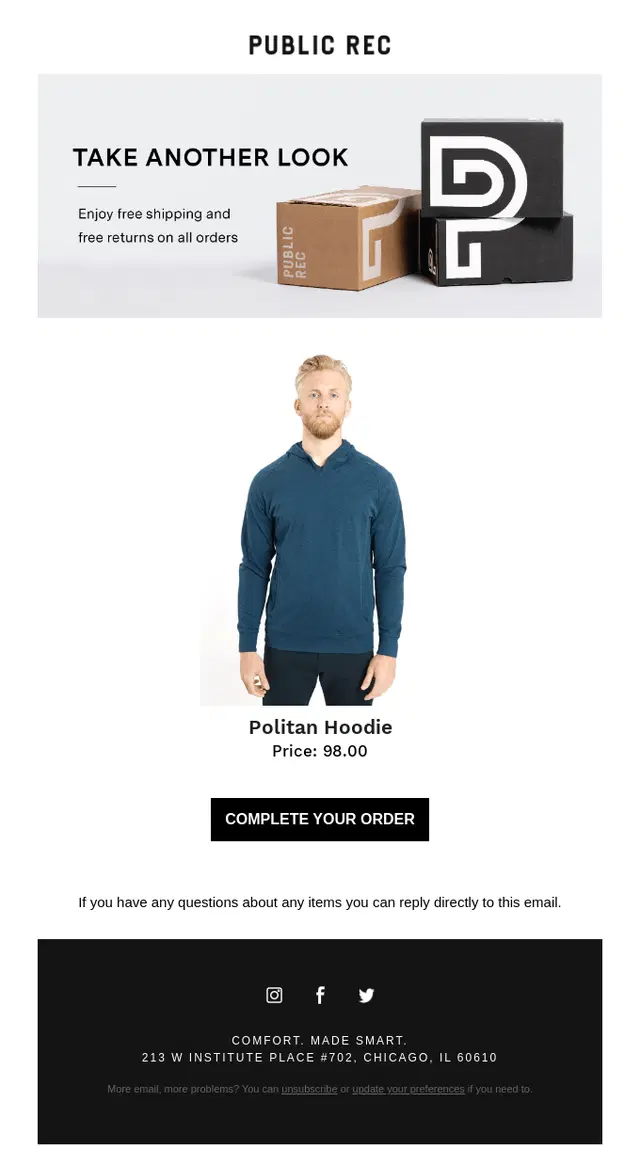
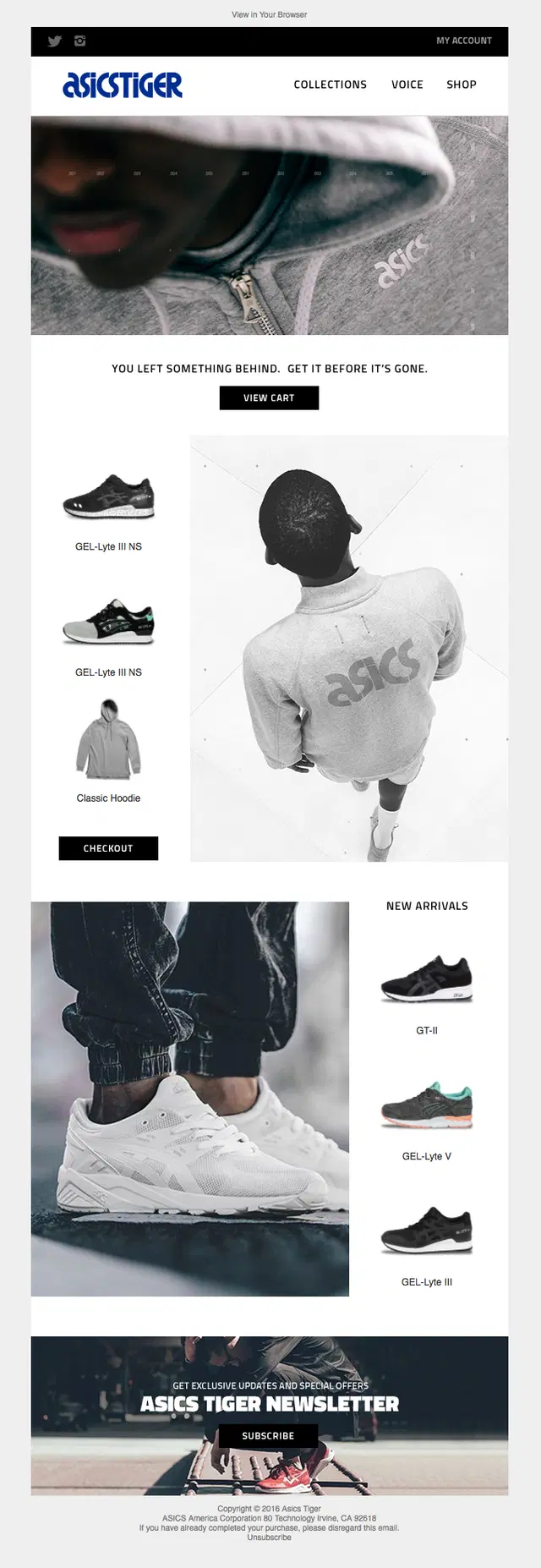
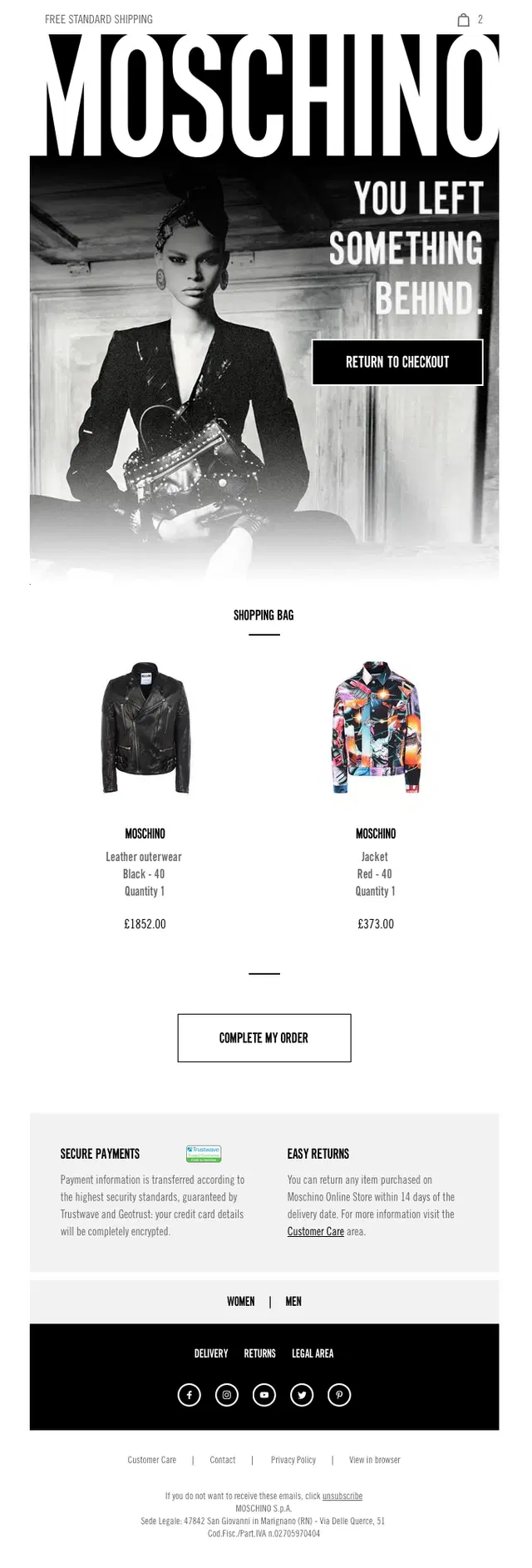
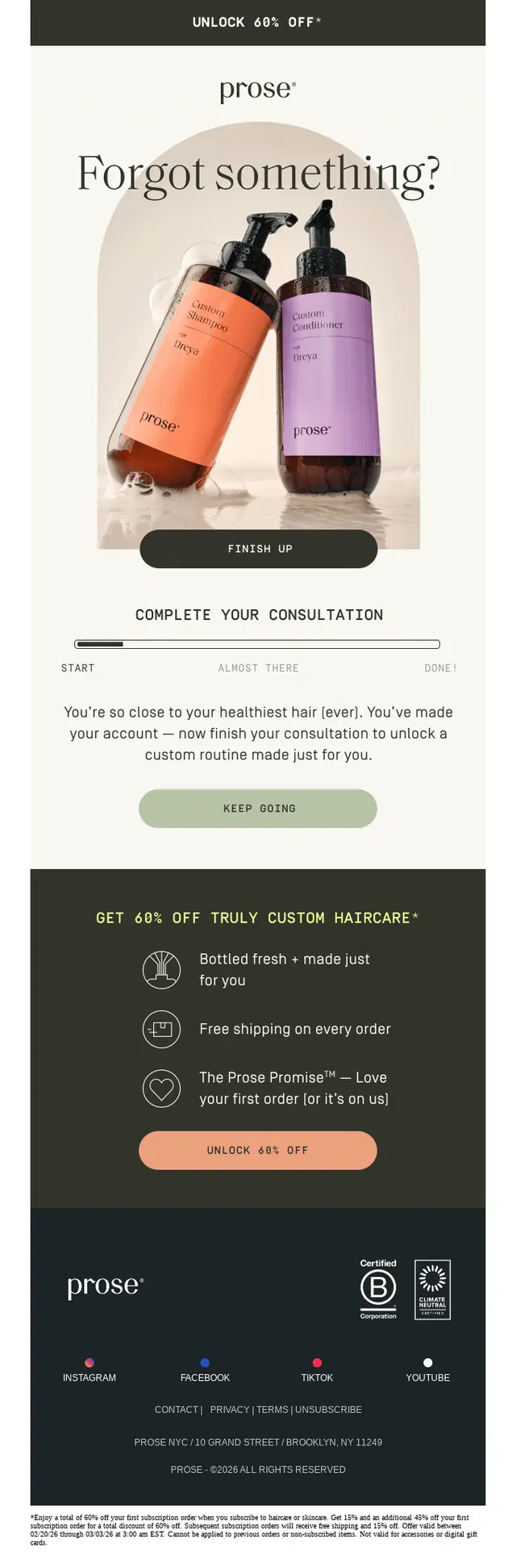
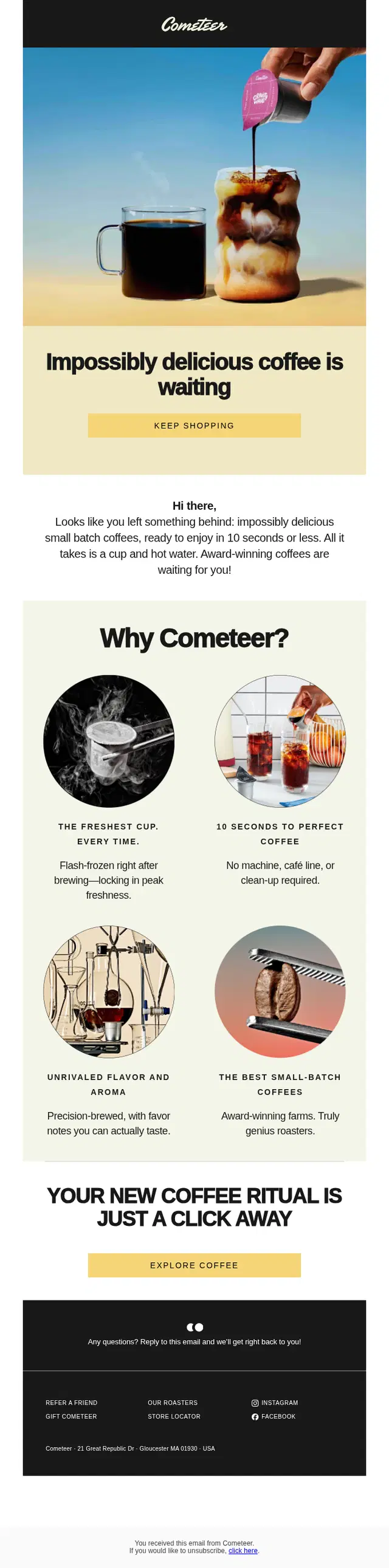
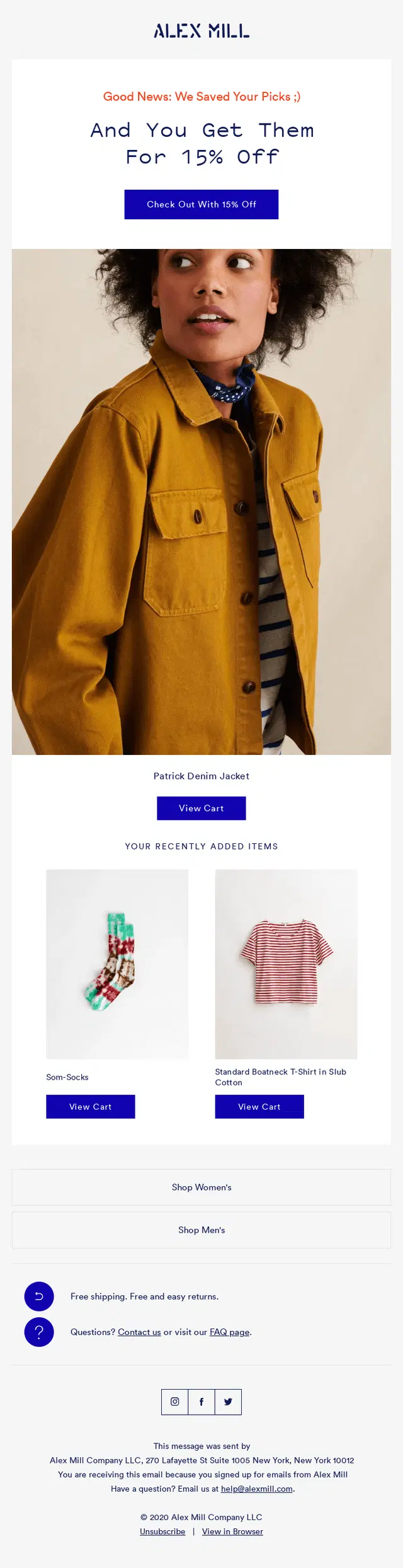
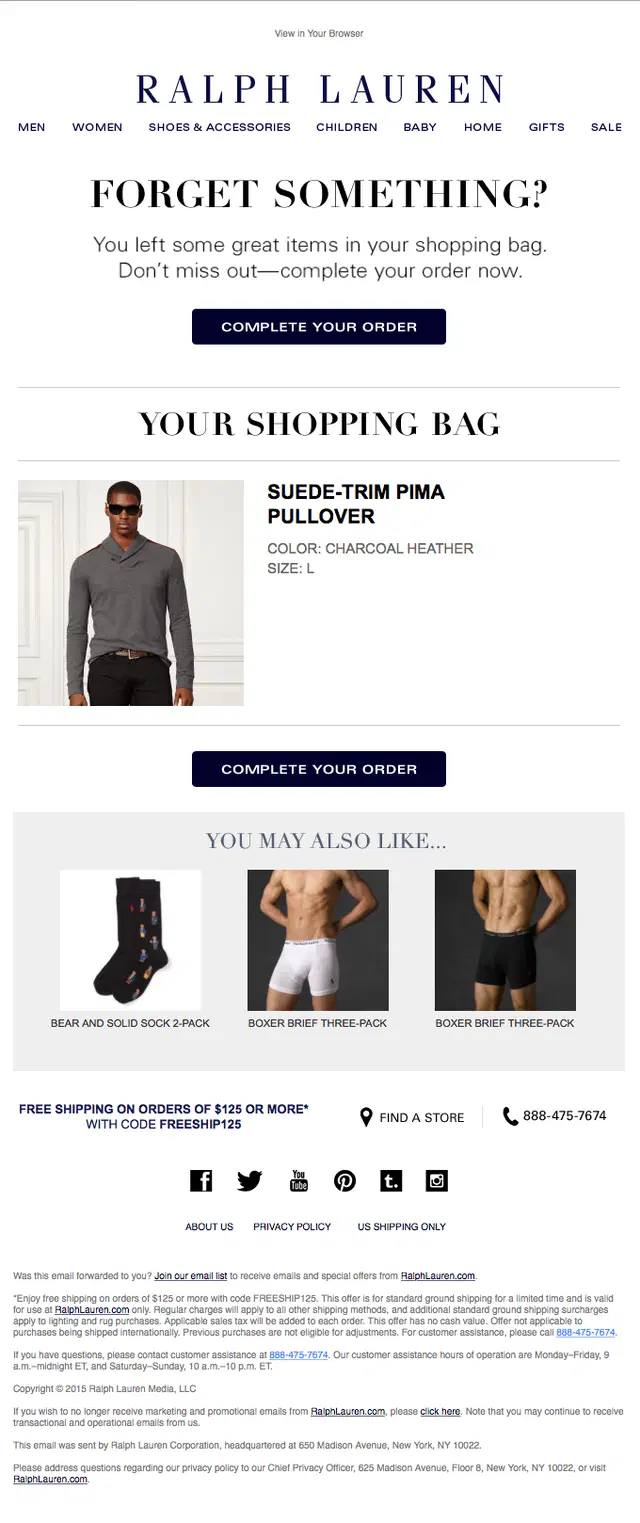
A cart reminder doesn’t have to stop at “you left this behind.” Product recommendations can make the email more useful by giving an undecided shopper other ways forward.
Some brands suggest similar products in case the original item wasn’t quite right. Others introduce complementary items, category favorites, or popular alternatives. The abandoned product still anchors the email, but the customer isn’t limited to a single choice.
Want to see more? Check out 150+ Abandoned Cart Email Examples Packed With Recovery Ideas
Post-Purchase Product Recommendation Email Examples
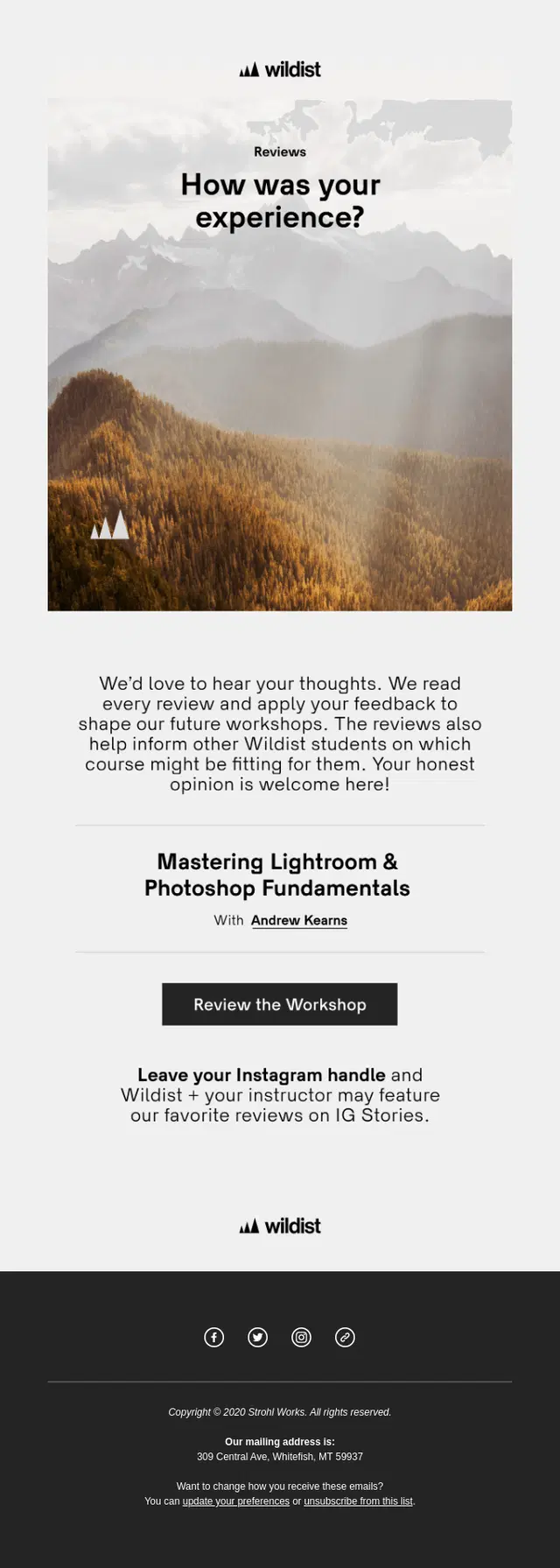
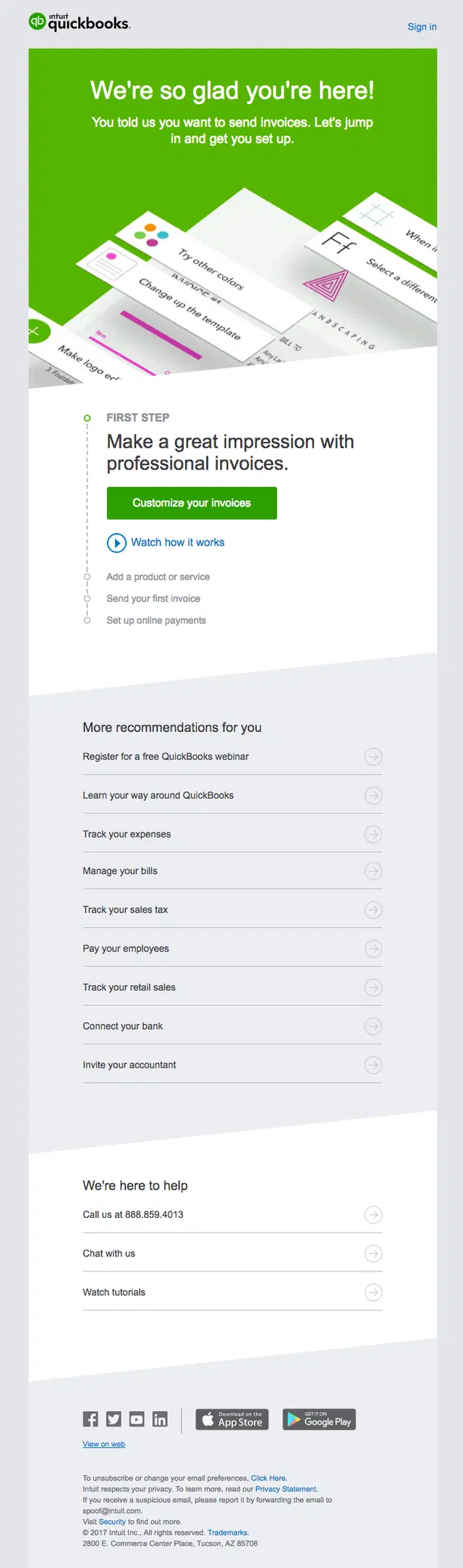
Once a customer has purchased, the brand has a much stronger signal to work with. The product itself can inform what they may need next, what would work well alongside it, or which purchase would make sense later.
Good post-purchase recommendations build on the order instead of immediately pushing another unrelated sale. Accessories, care products, complementary items, refills, and logical next purchases can all extend the customer journey naturally.

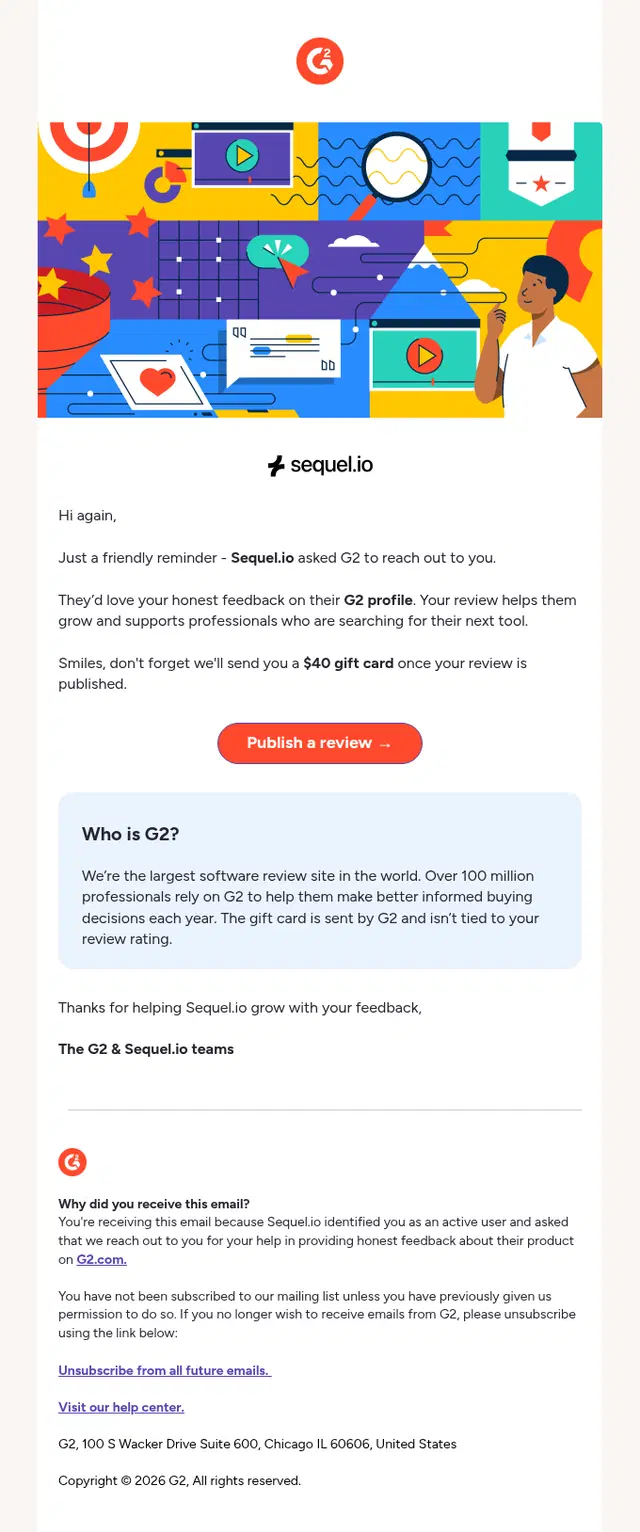
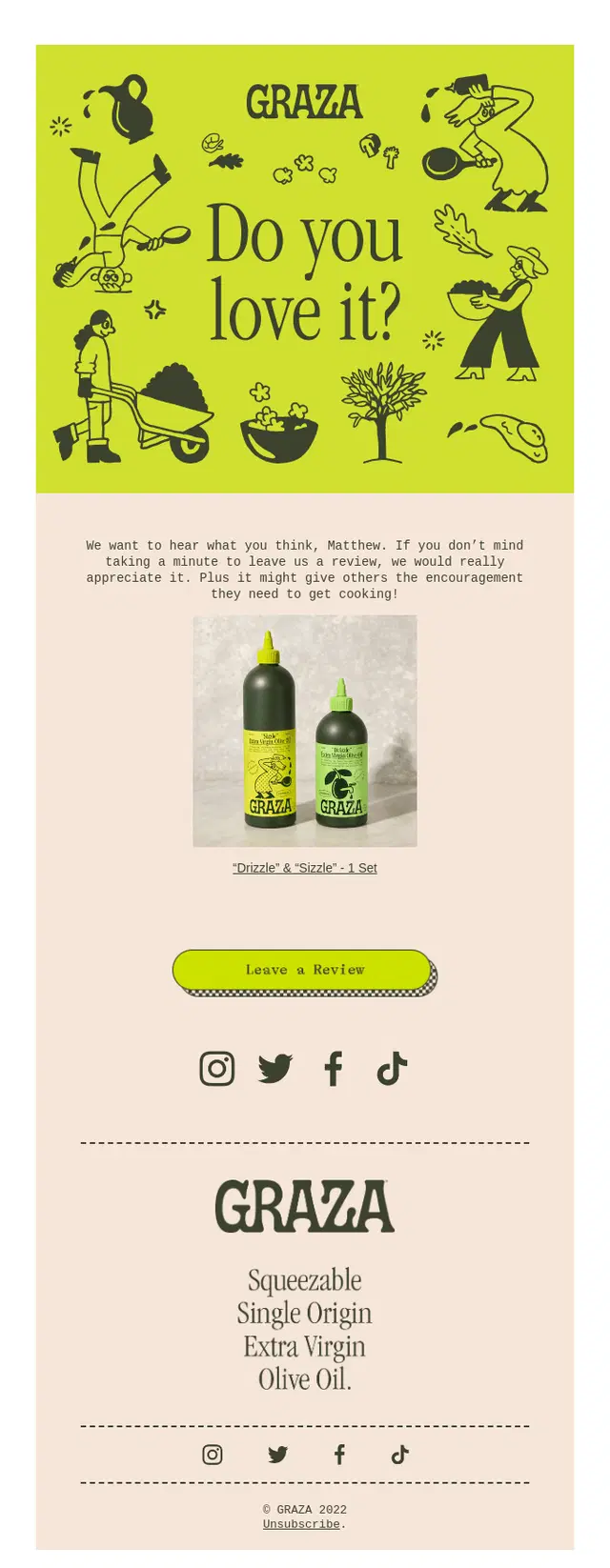
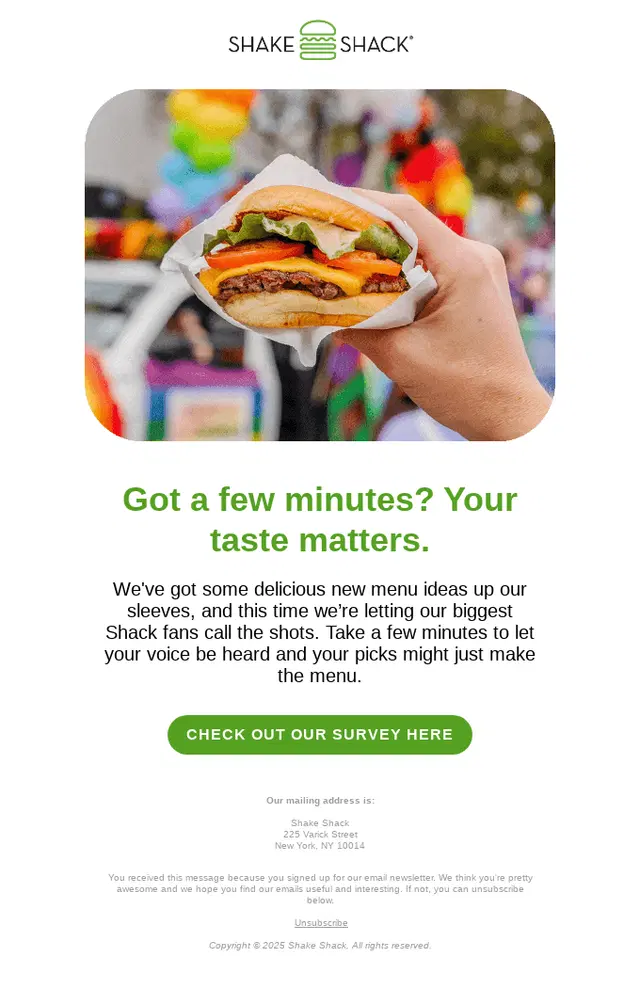
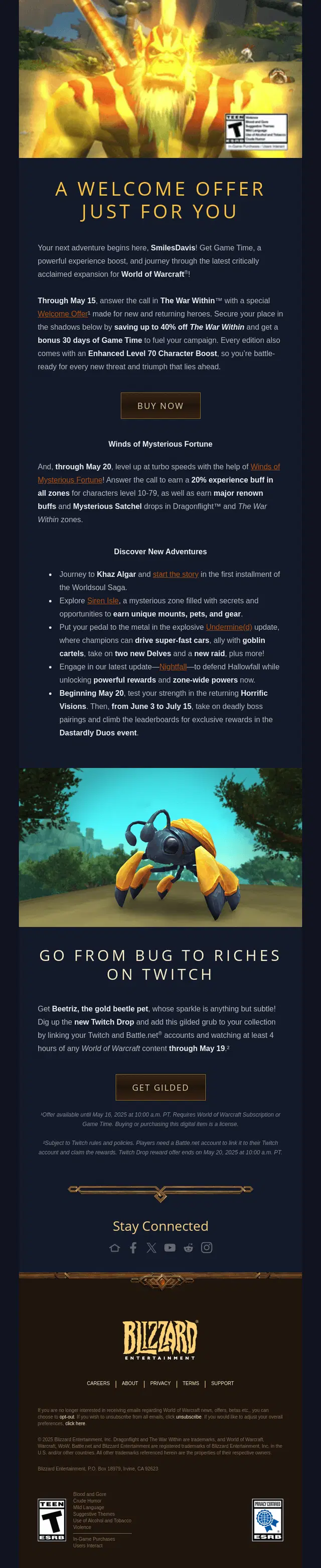

Thirsty for more inspiration? See these 100+ Post Purchase Email Examples You’ll Want to Steal
Bestseller and Trending Product Recommendation Emails
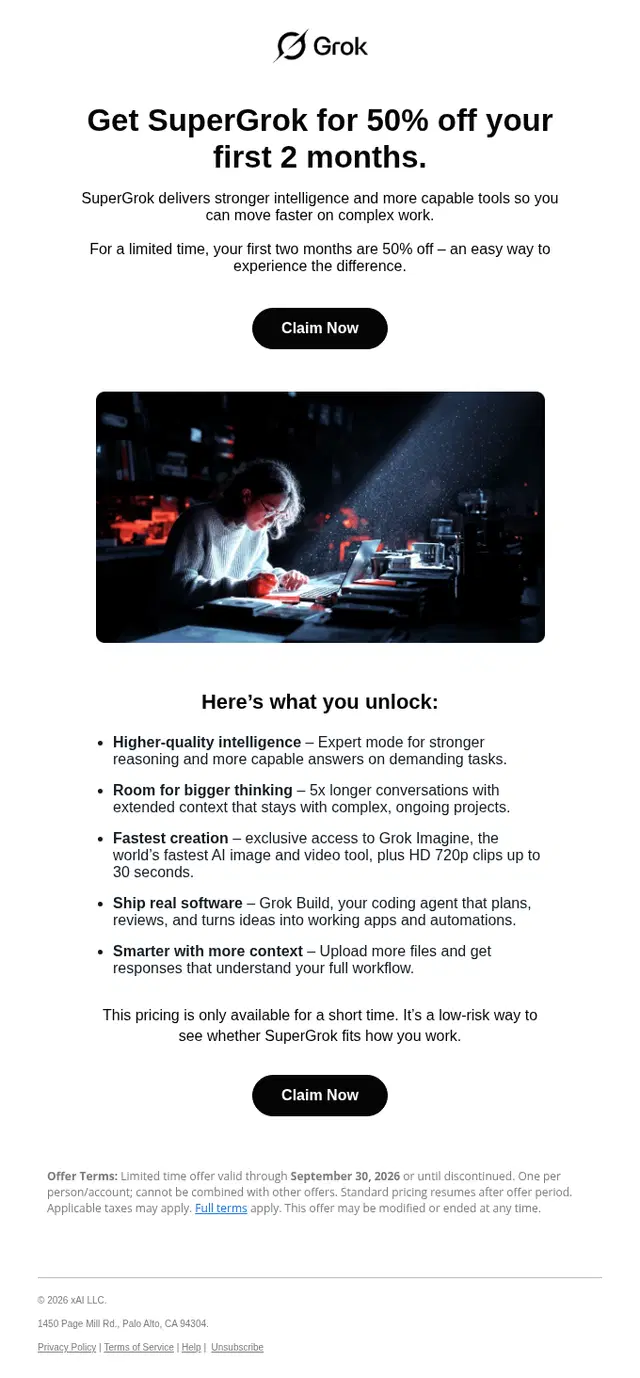
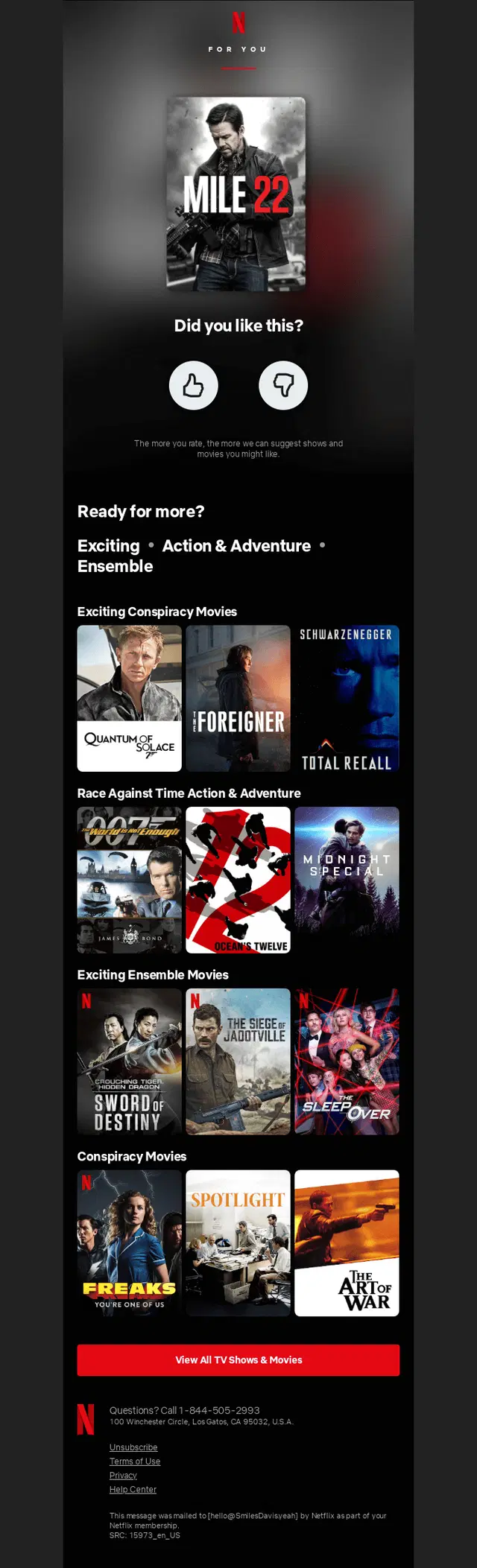
Personalization isn’t always possible. A new subscriber may have no purchase history, and a casual visitor may not have generated enough behavioral data to support a highly tailored recommendation.
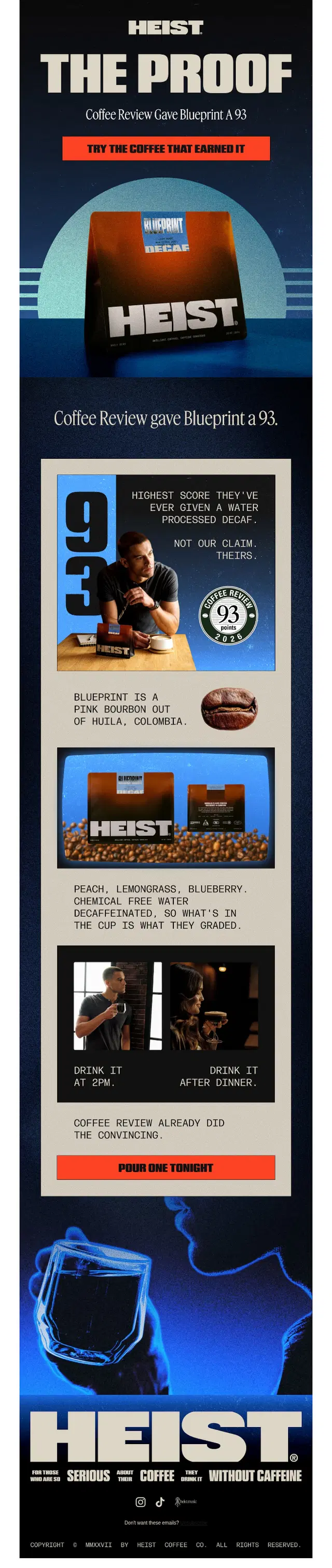
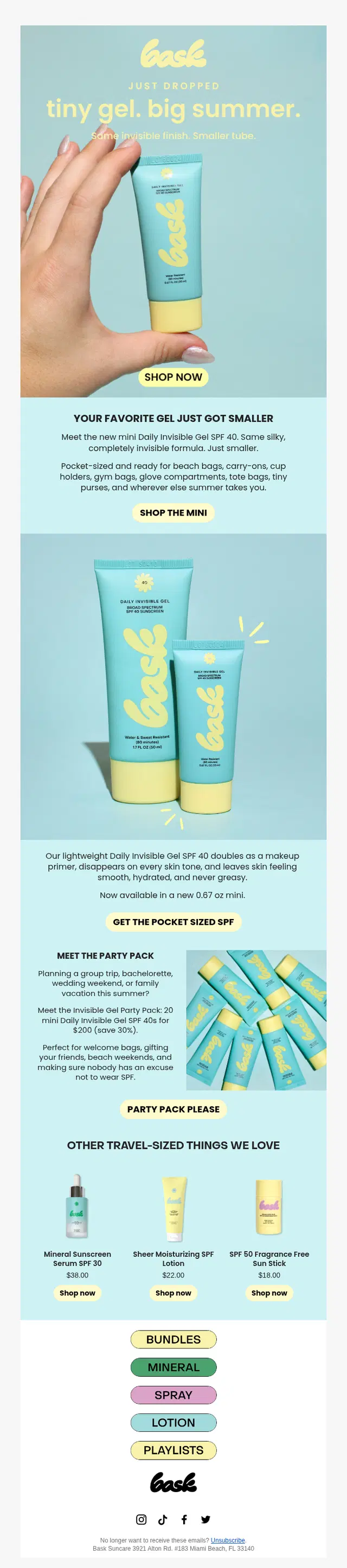
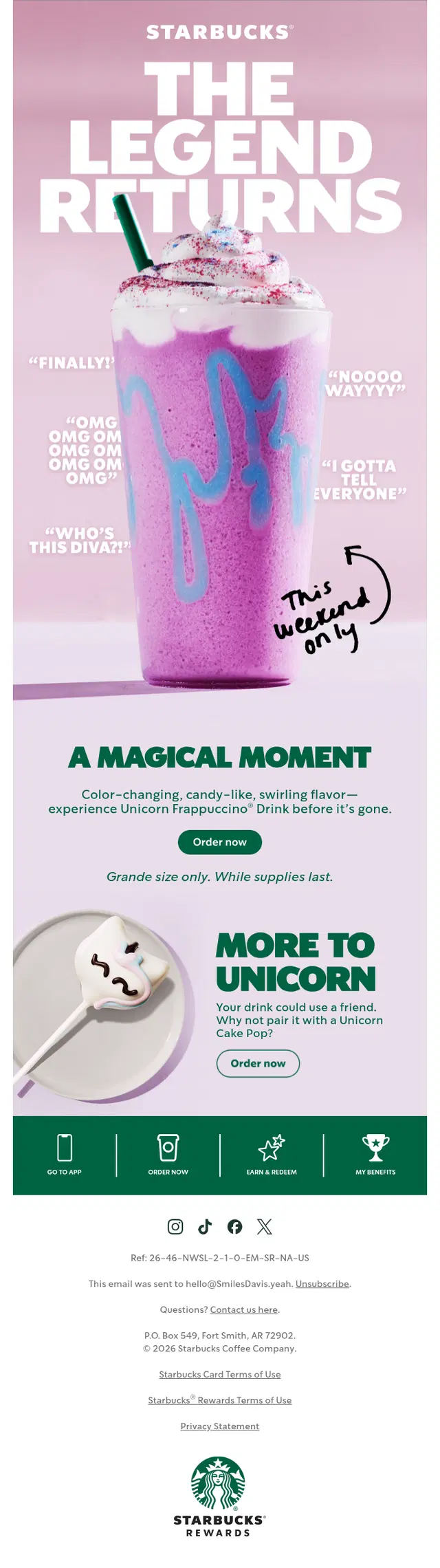
Bestsellers, customer favorites, and trending products give brands a strong fallback. They use collective behavior as the signal instead, helping customers discover products that are already earning attention from other shoppers.












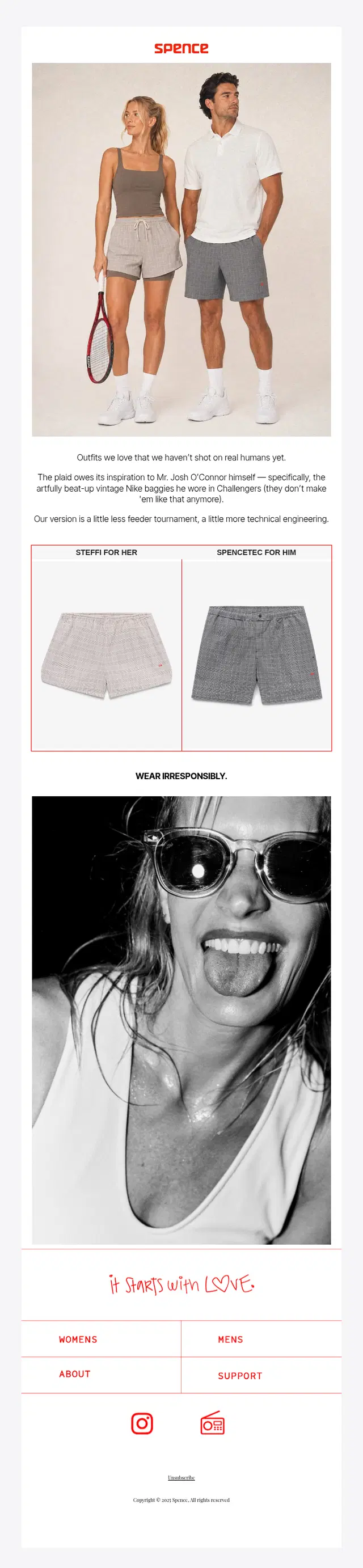
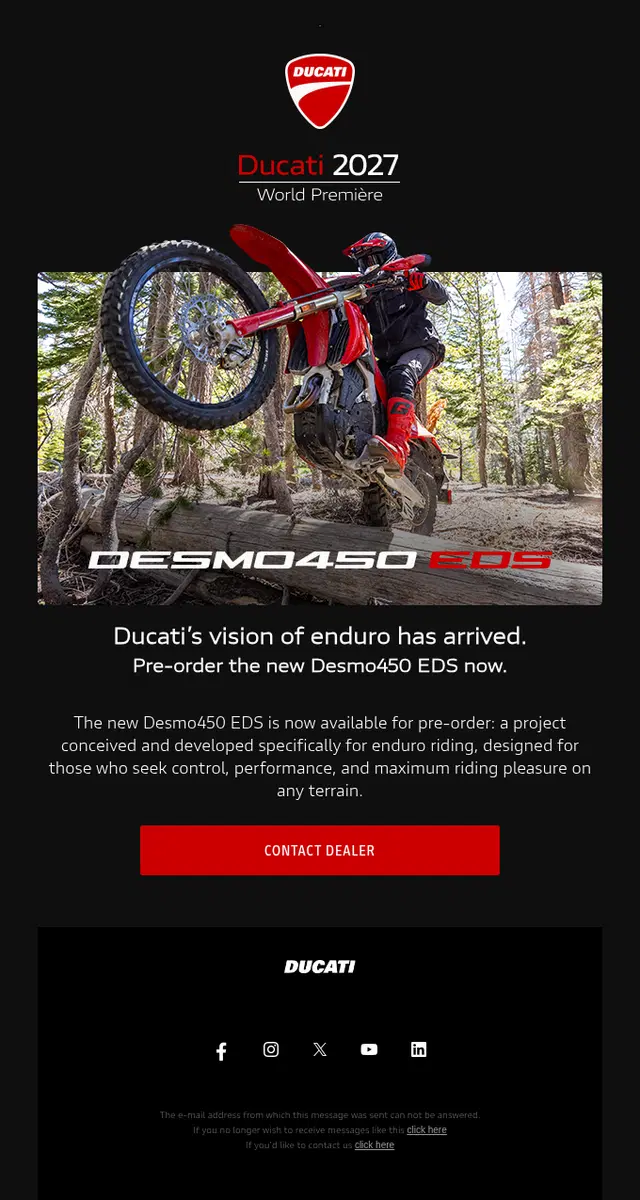
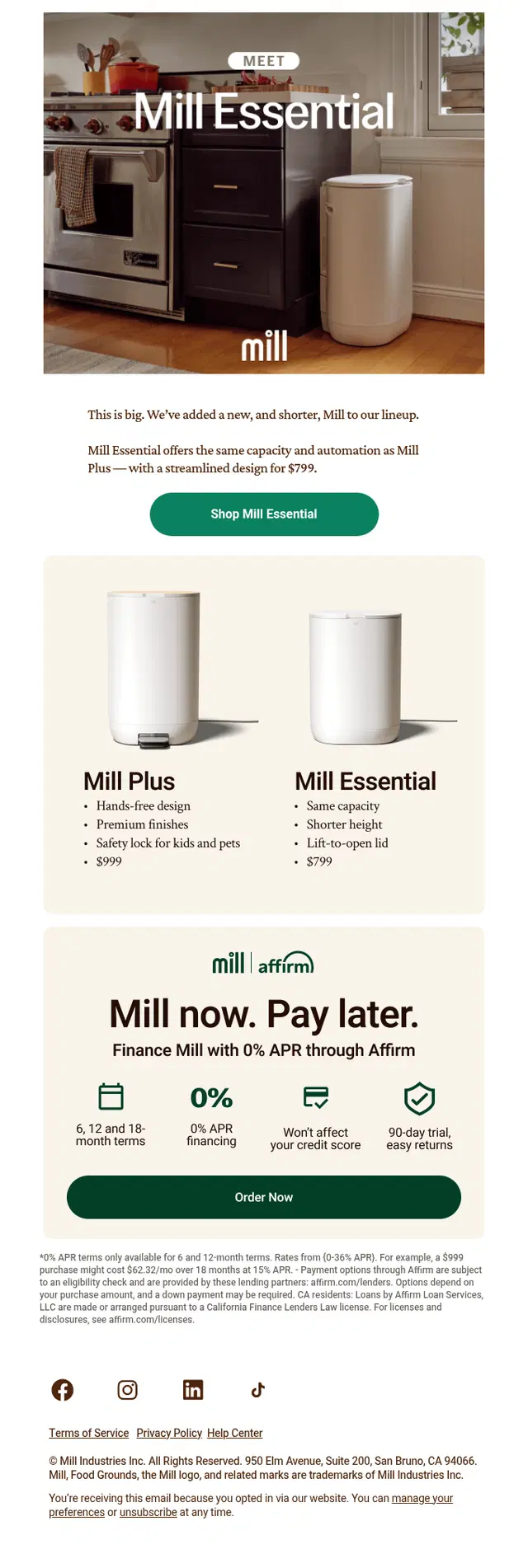
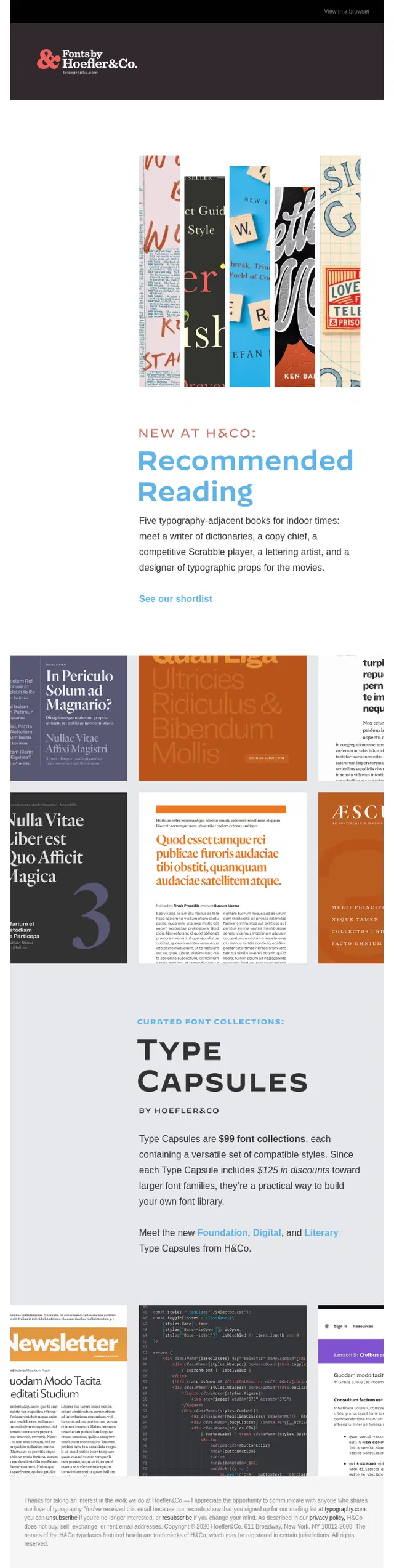
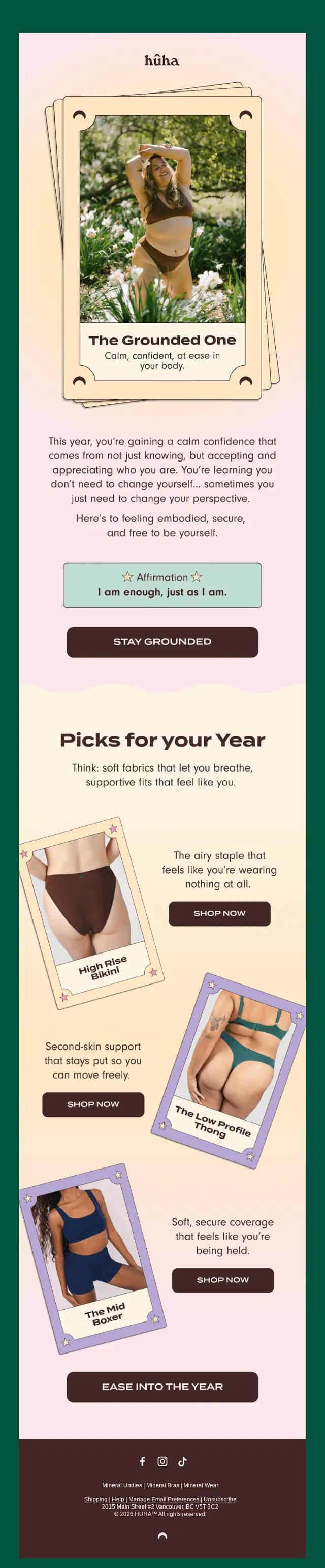
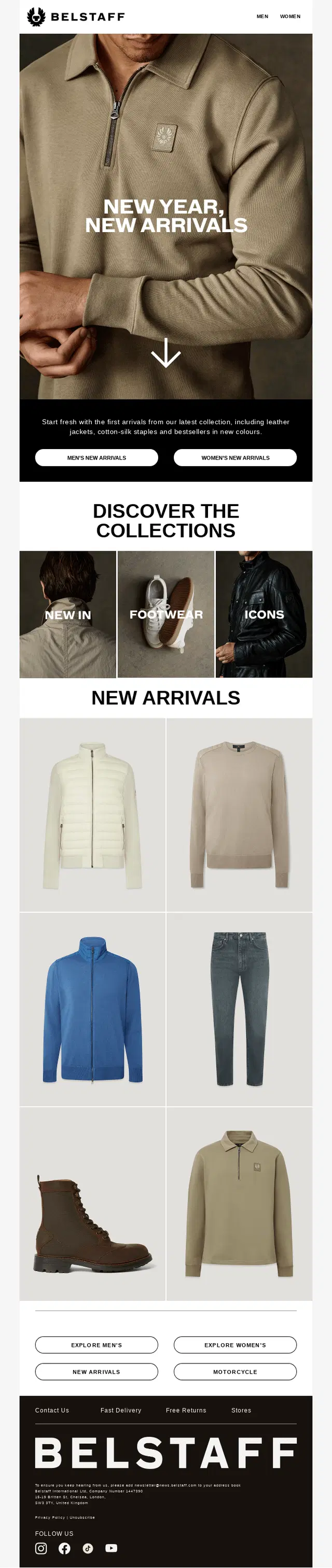
New Arrival and Product Discovery Emails
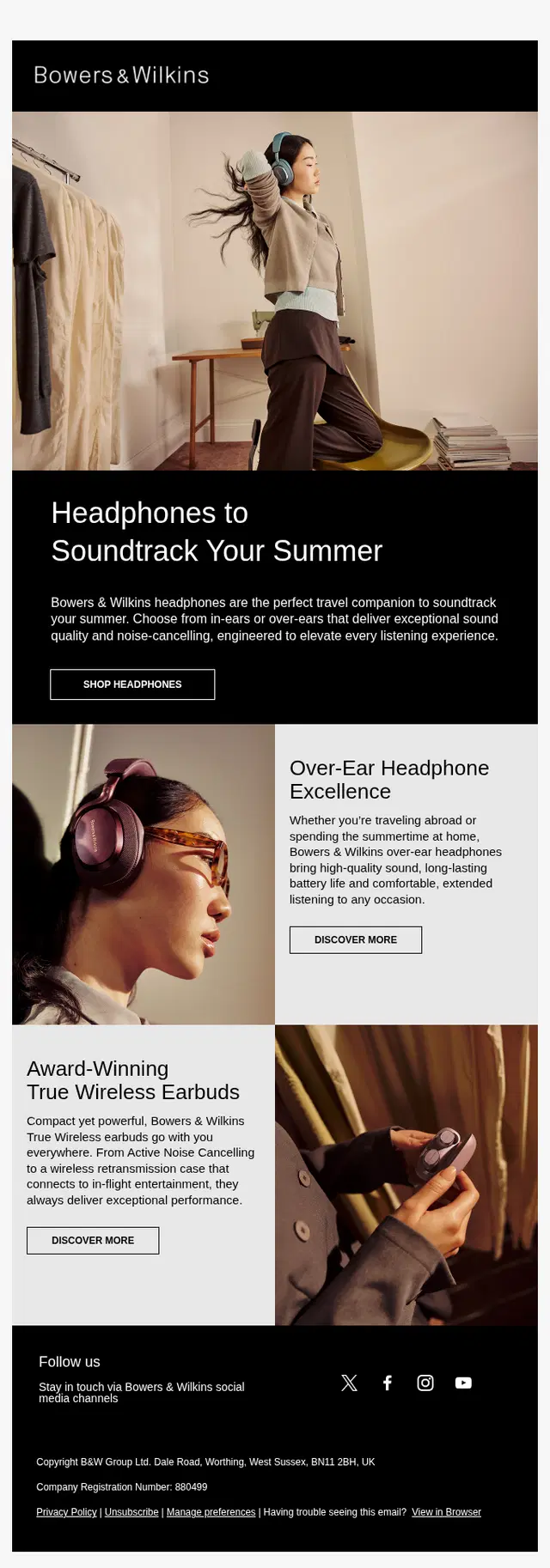
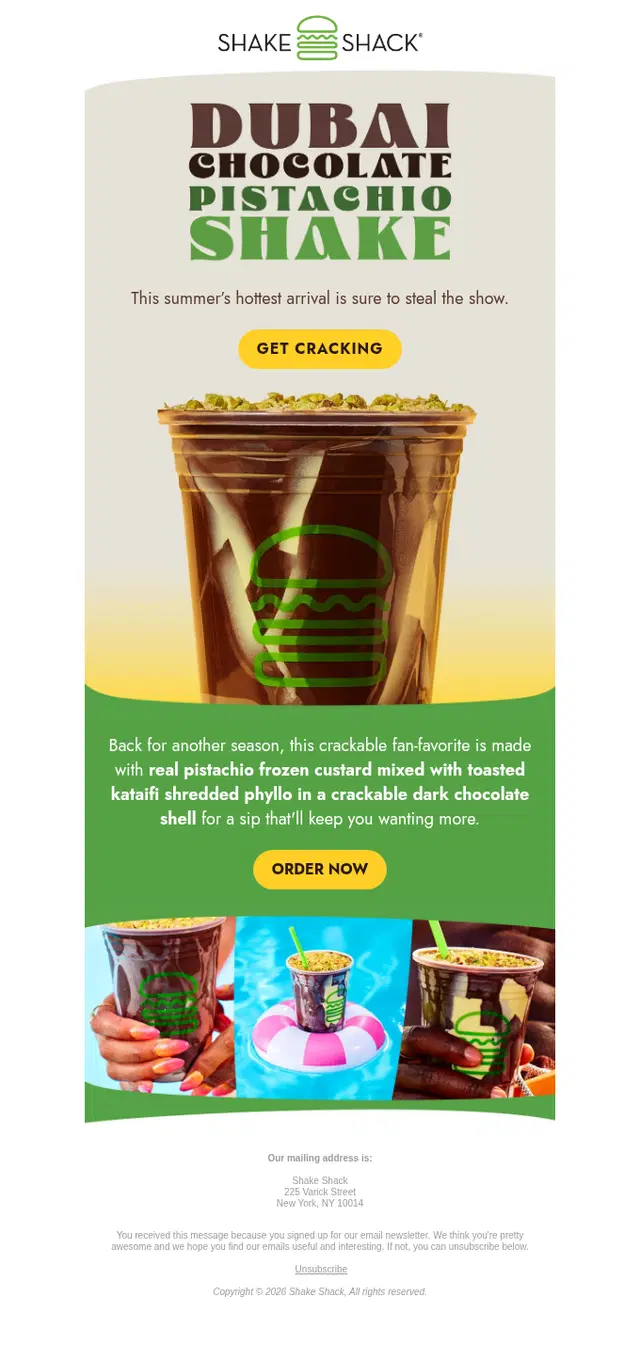
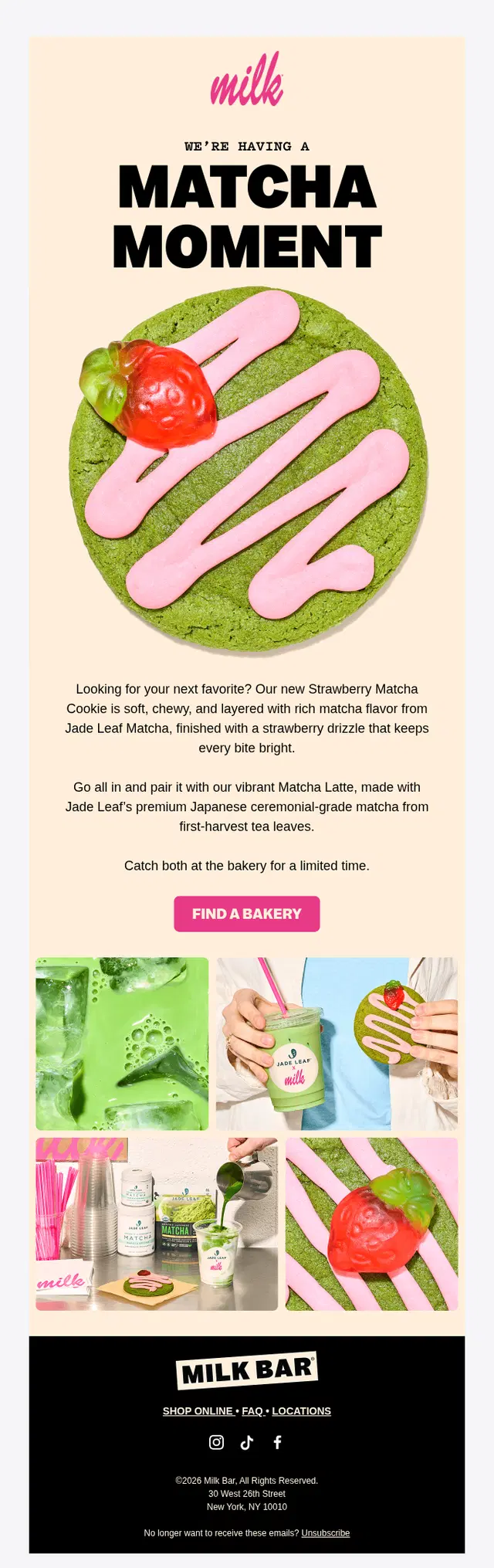
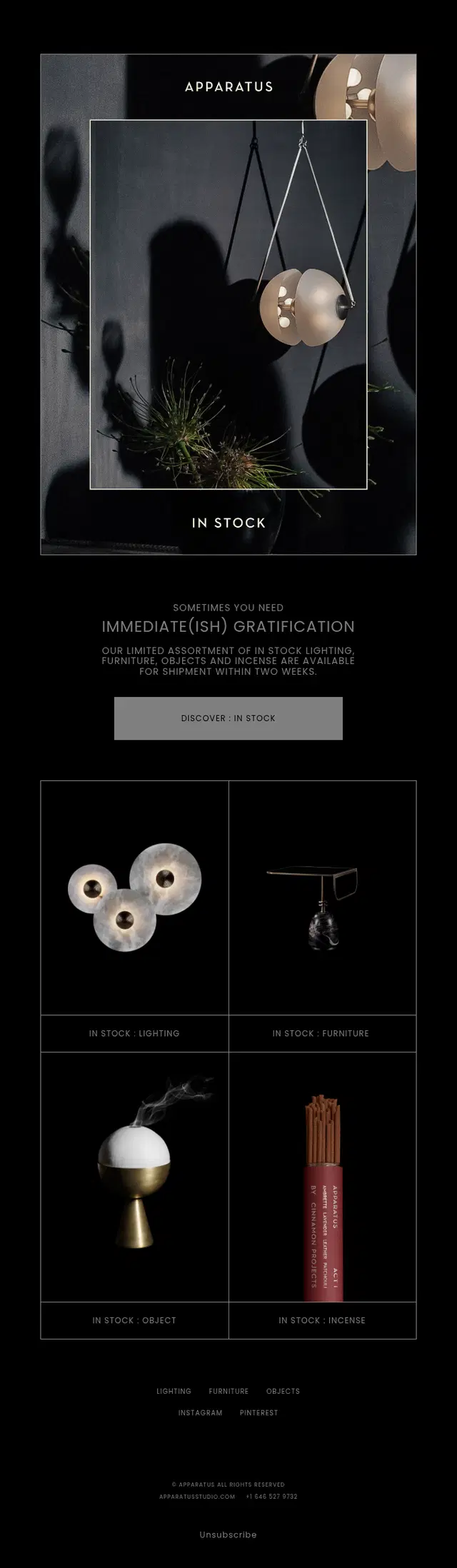
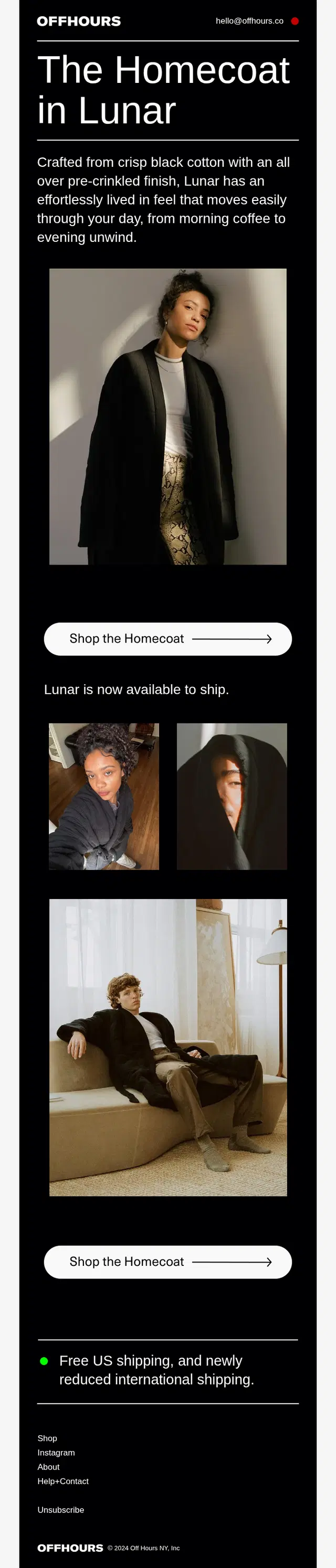
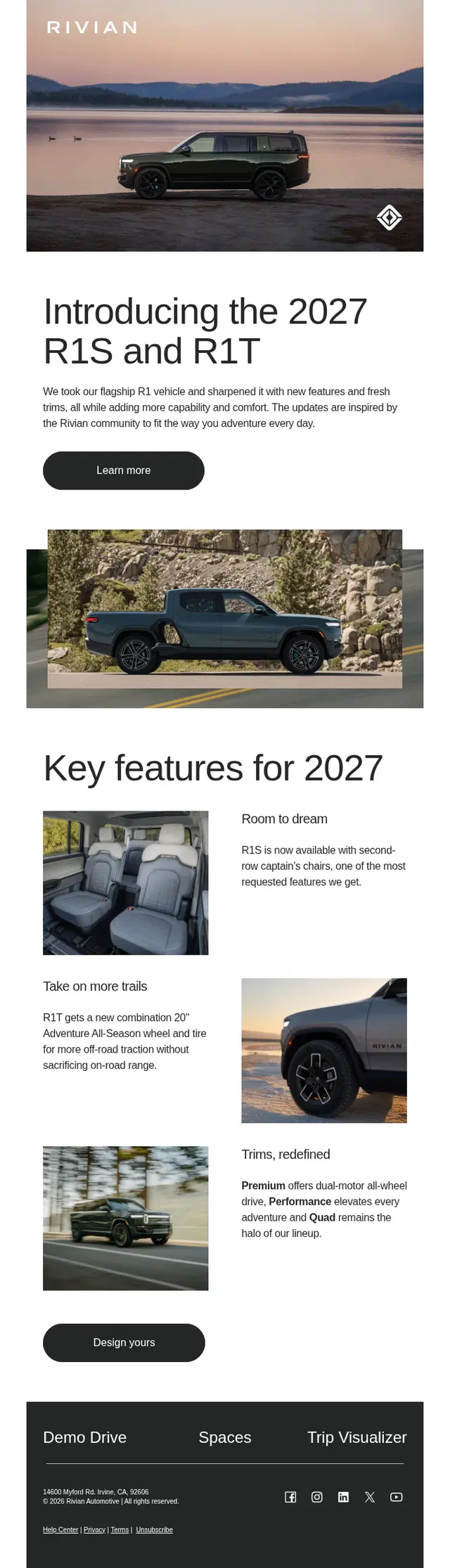
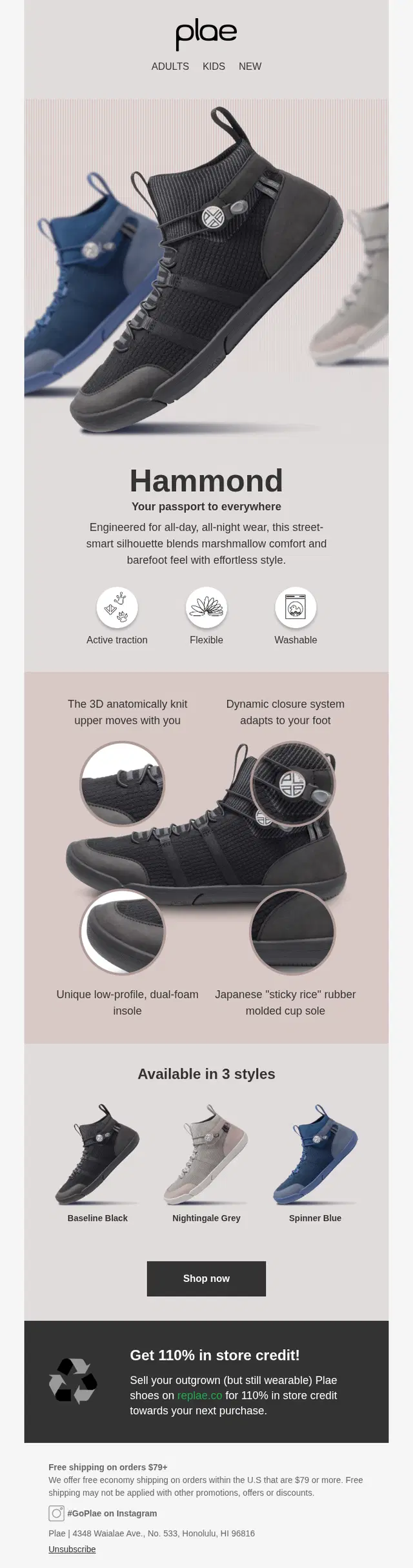
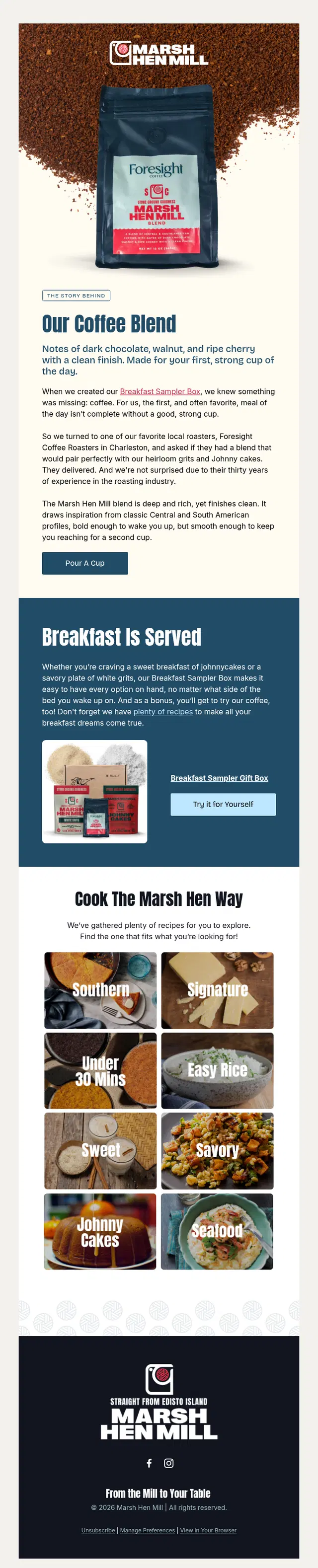
Product discovery emails are about helping customers find something new without turning the message into a generic launch announcement.
Recommendations might be based on a category the customer already likes, an existing product they own, or a curated selection of recent releases. The strongest examples give the newness some context: why these products are worth seeing and why they may be relevant to this audience.




Seasonal and Gift Product Recommendation Emails
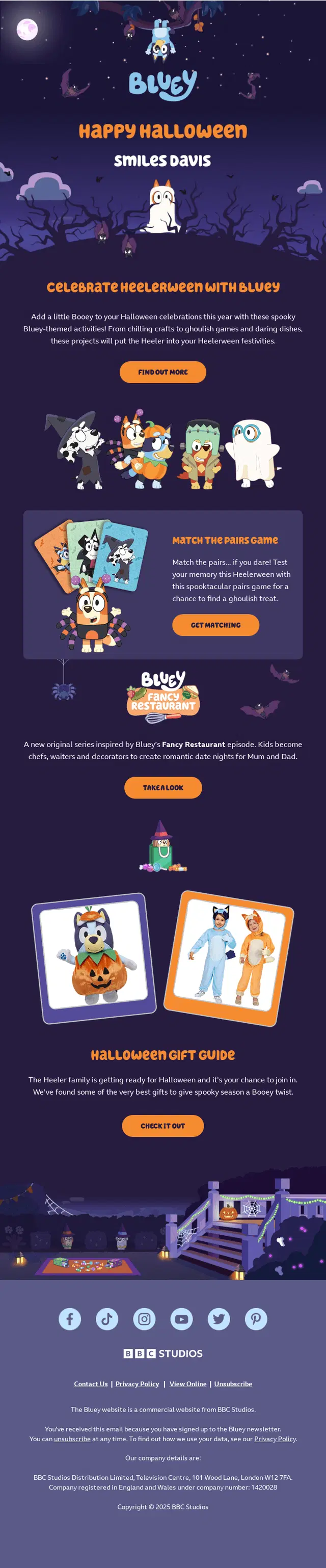
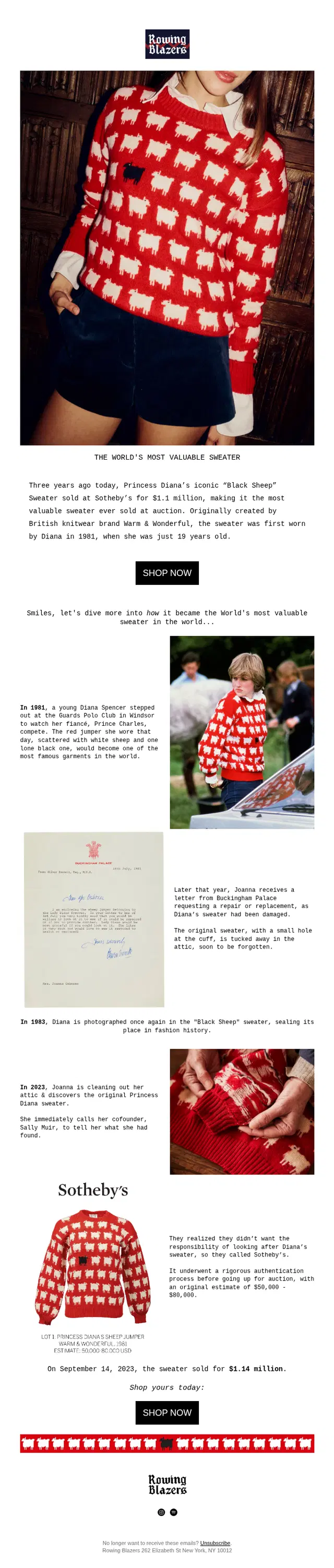
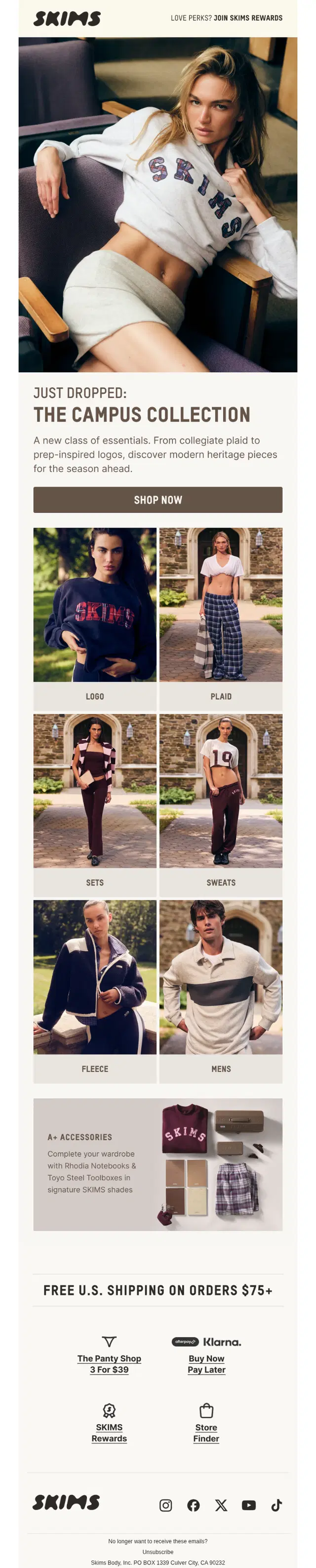
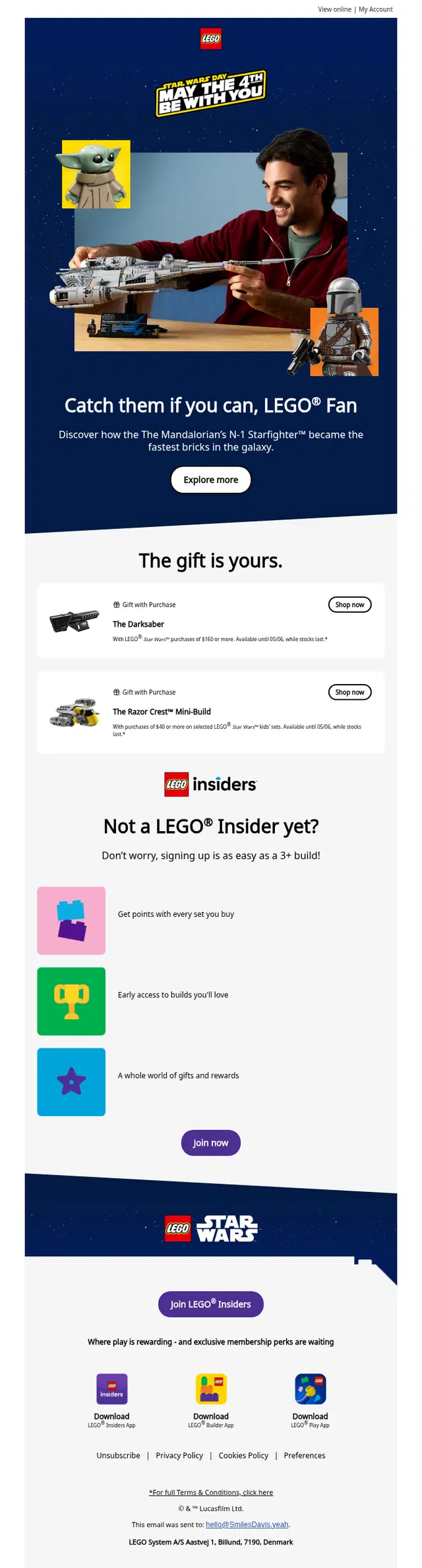
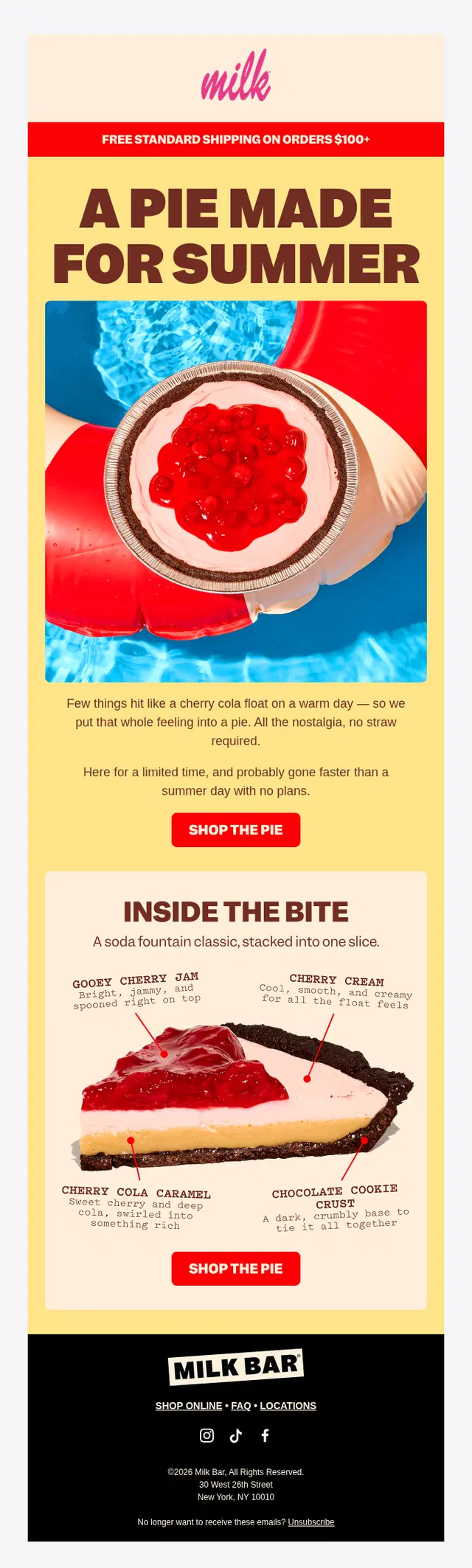
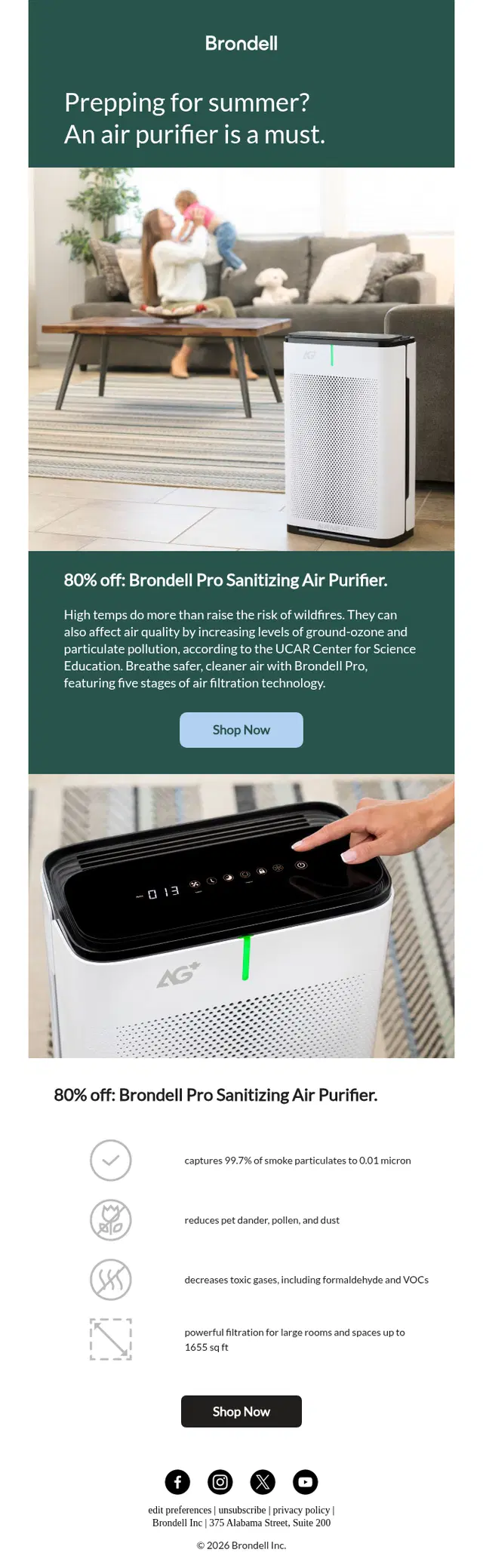
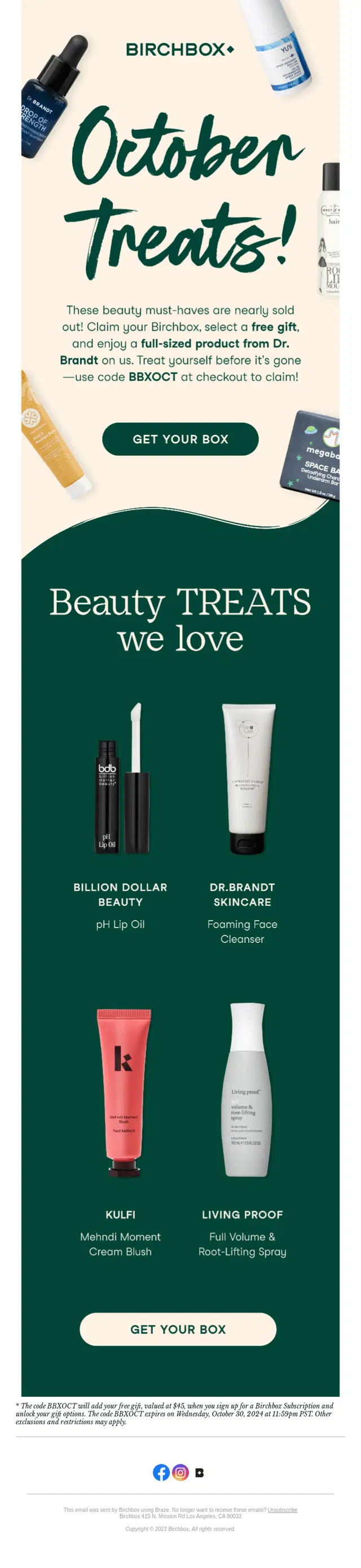
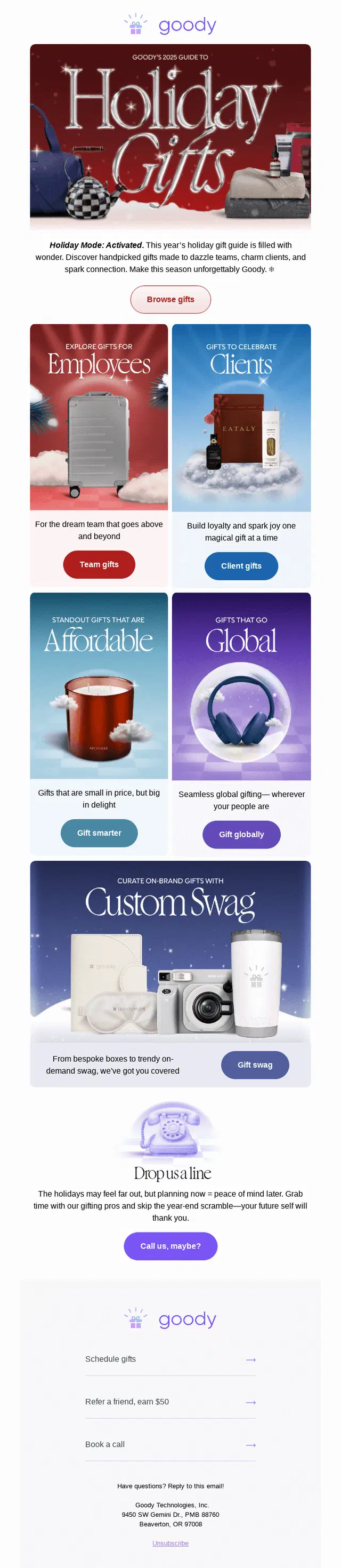
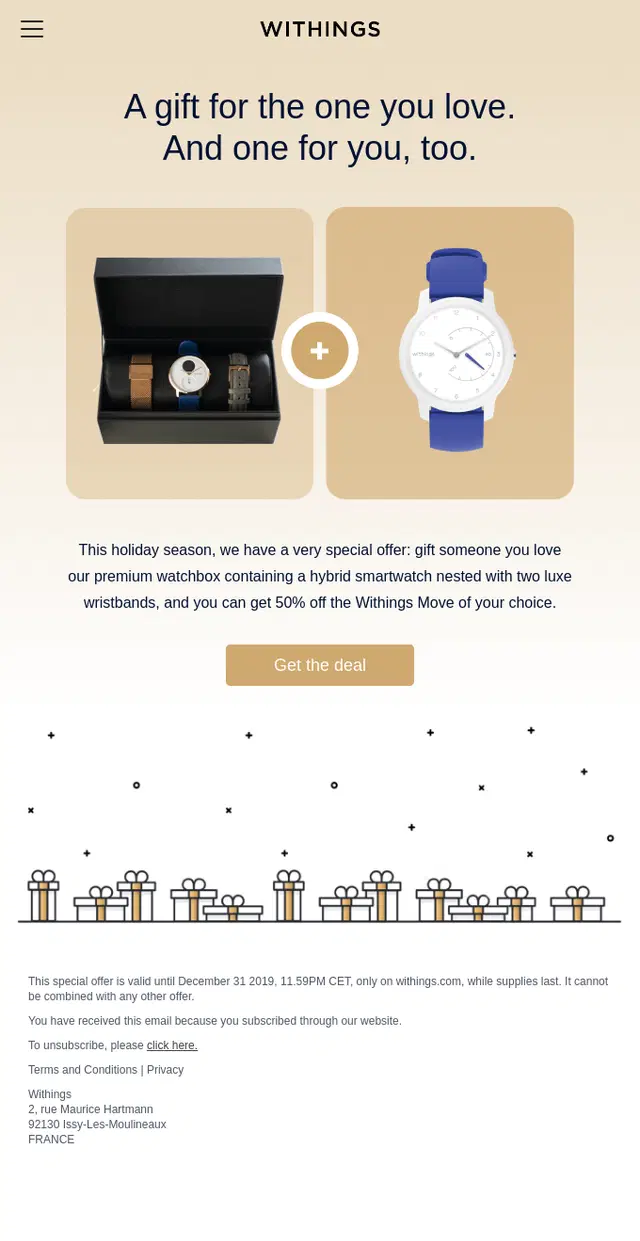
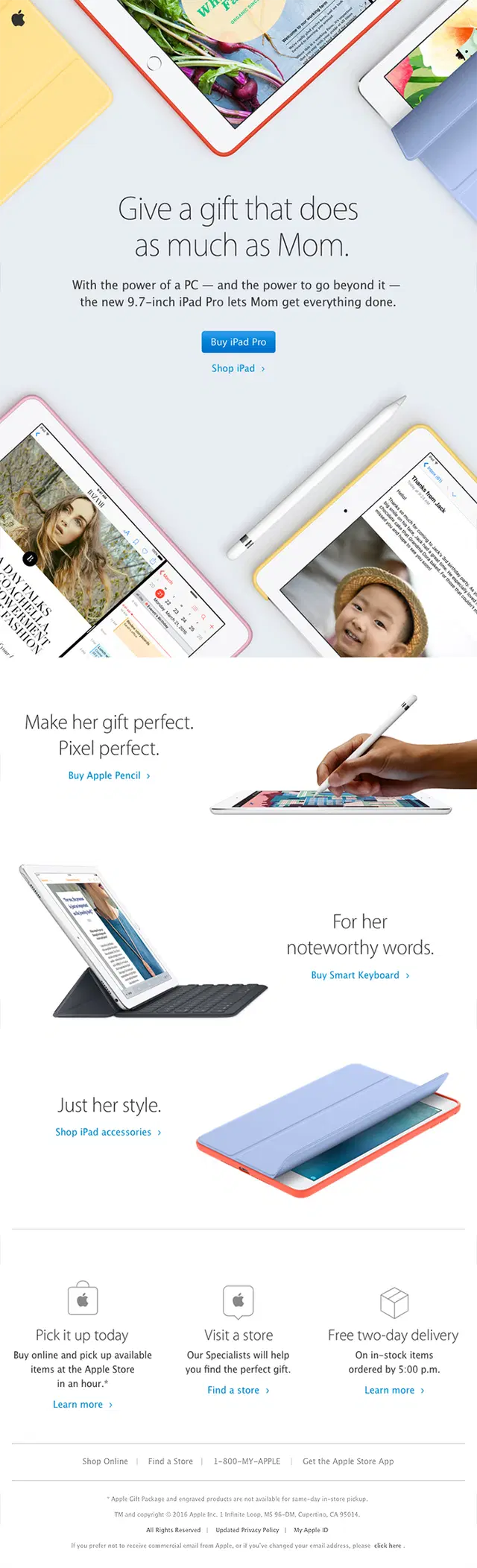
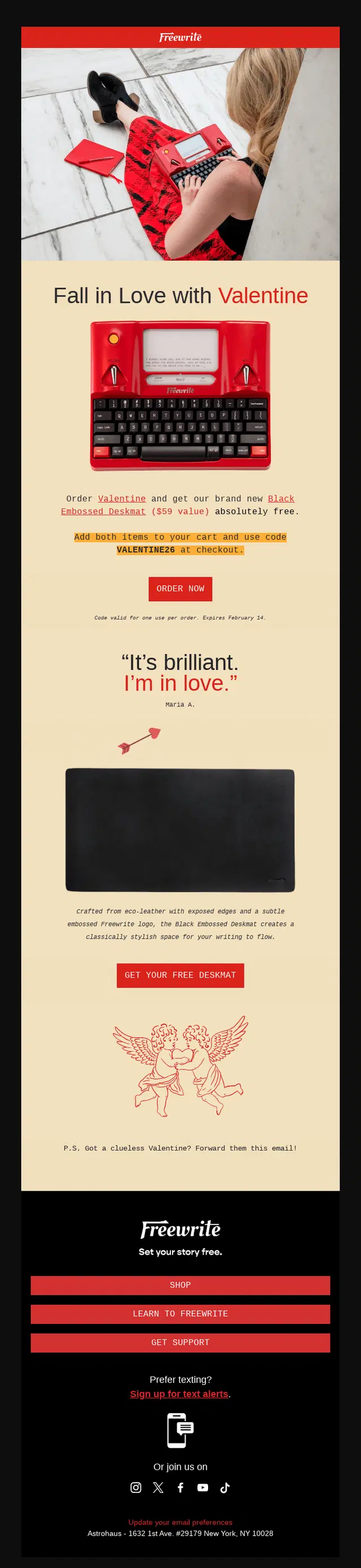
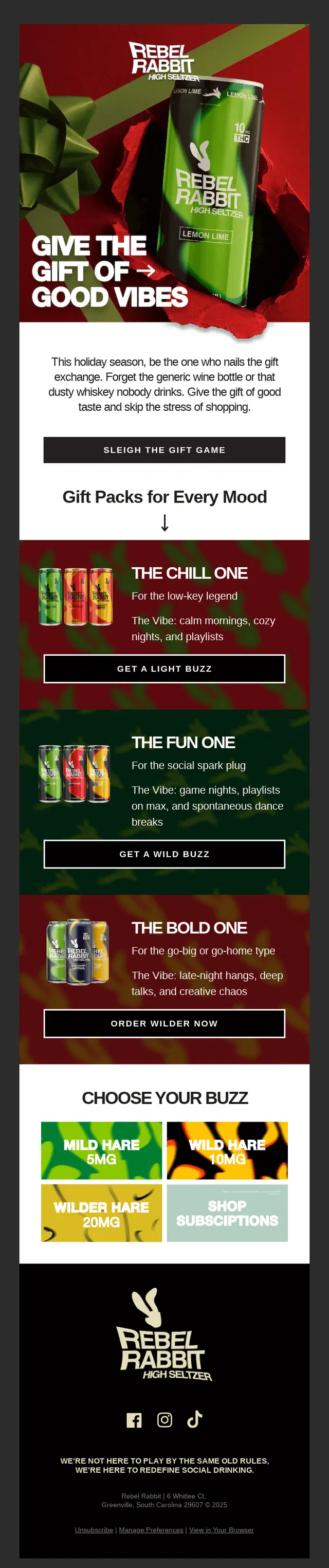
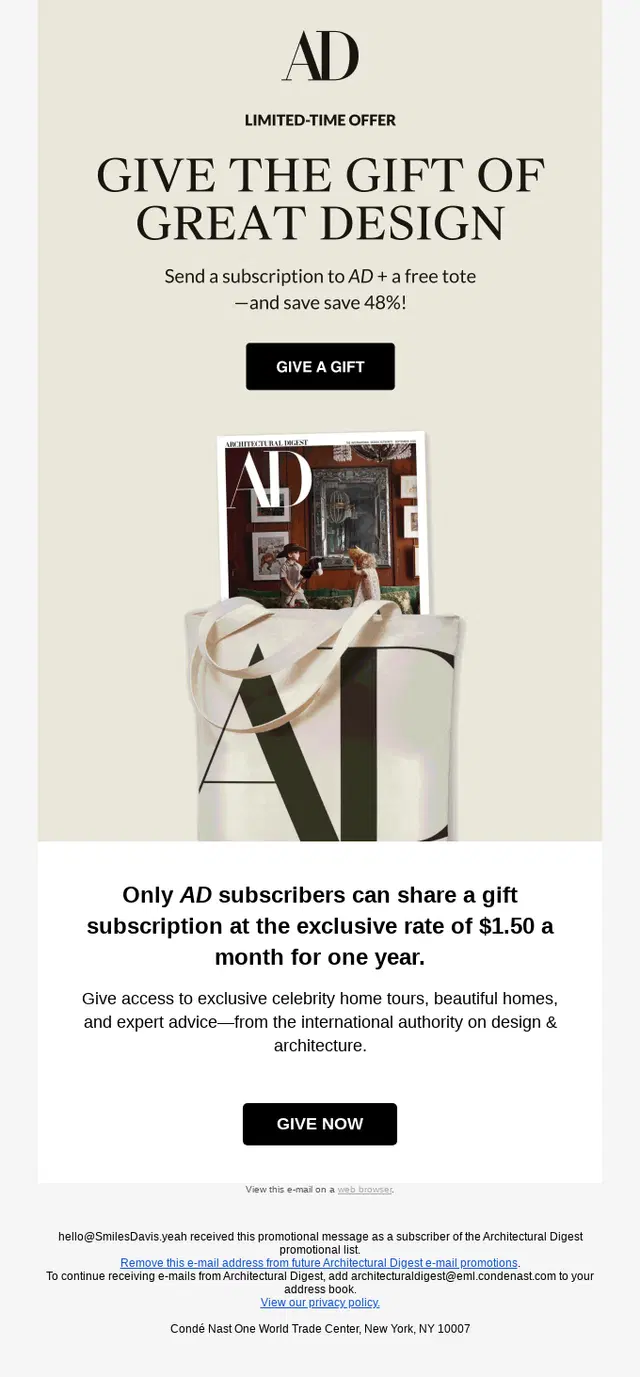
Seasonal moments change what people are shopping for, which makes them a natural fit for curated recommendations. Holiday gift guides, summer essentials, Valentine’s Day picks, and back-to-school collections all reduce the amount of searching a customer has to do.
Gift emails can go a step further by organizing recommendations around the recipient, budget, occasion, or personality. Instead of presenting everything at once, they help shoppers get closer to the right choice.





Product Recommendation Email Flow Examples
A single recommendation email can bring a shopper back, but a sequence gives the brand more room to build on that initial interest. These product recommendation email flows show how brands can revisit viewed products, introduce relevant alternatives, add social proof, and gradually increase the incentive to purchase without repeating the same message every time.
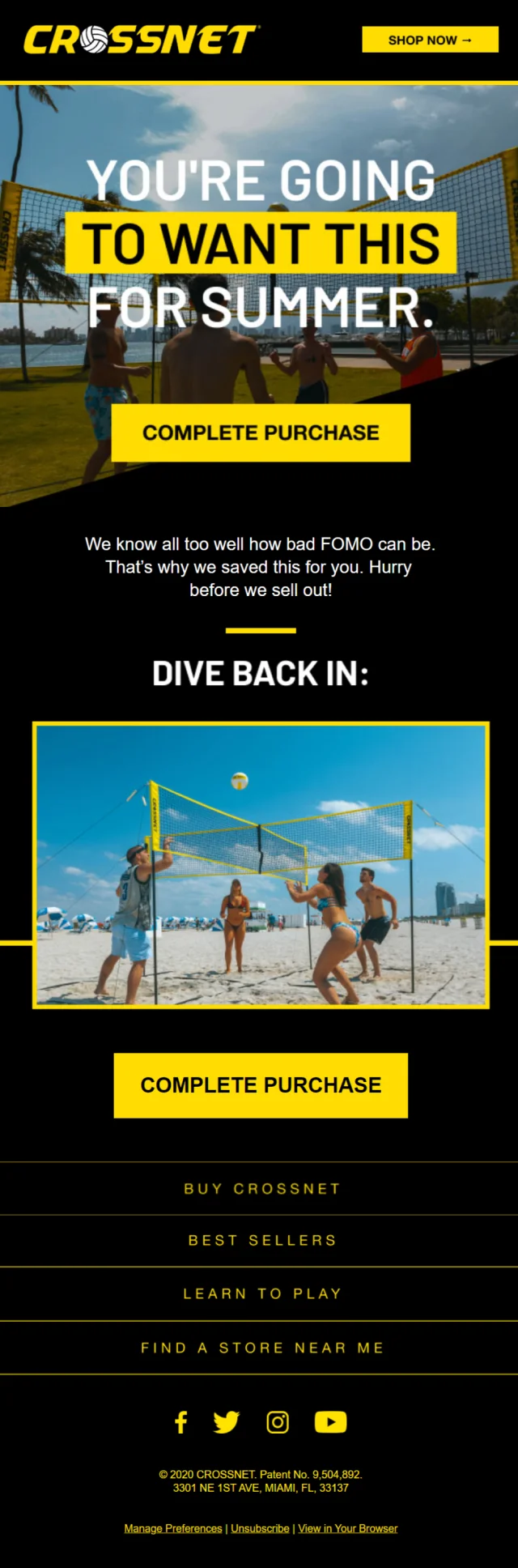
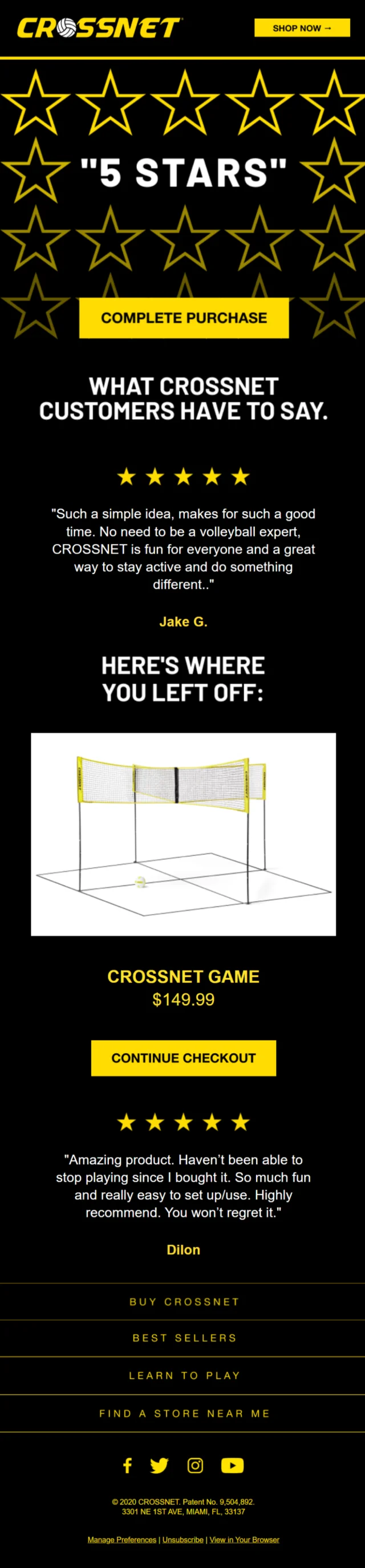
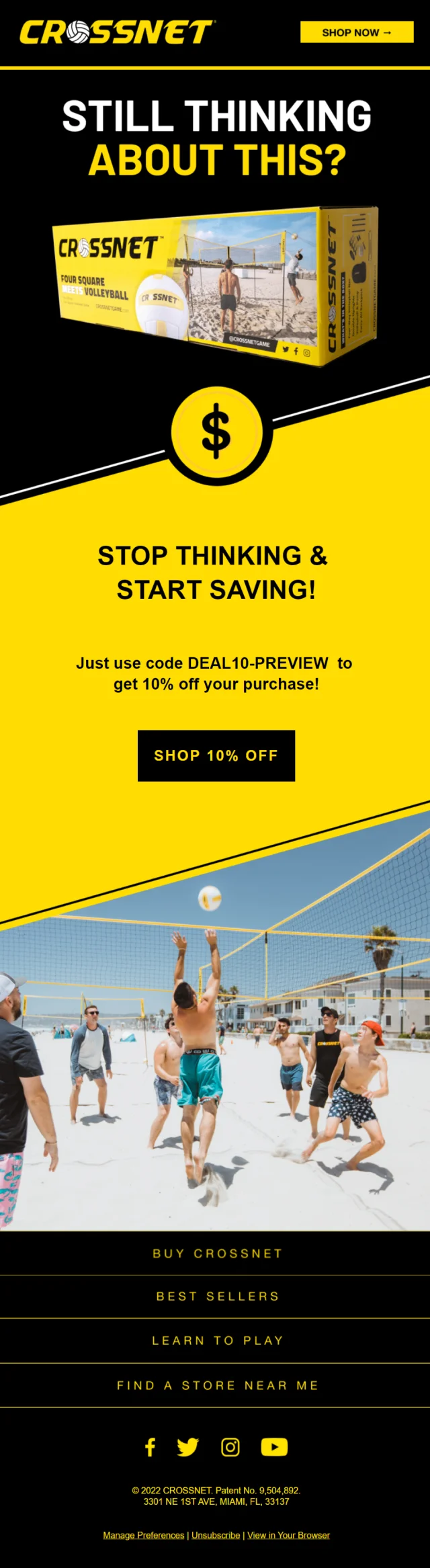
3-Step Browse Abandonment Product Recommendation Flow
CROSSNET uses a three-email sequence to move a shopper from renewed product interest to purchase. The first email brings the viewed product back into focus, the second adds customer reviews to reduce hesitation, and the final message introduces a 10% discount for shoppers who are still considering the purchase.
2-Step Recently Viewed Product Recommendation Flow
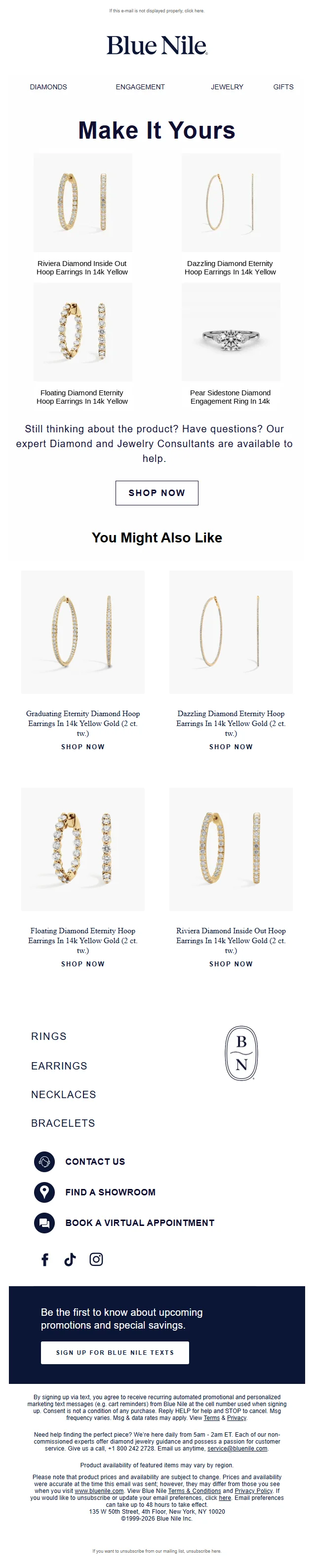
Blue Nile follows recent browsing behavior with two closely connected recommendation emails. Both return to the shopper’s previously viewed jewelry and surround it with related diamond hoop earrings, while the second message changes the framing and rearranges the alternatives to give the shopper a fresh reason to reconsider.

Product Recommendation Email Templates
A good product recommendation email doesn’t need much copy. The job is usually to explain why the products are being shown, give the customer enough information to make a decision, and make the next step obvious.
Here are five simple product recommendation email templates that can be adapted to different triggers and stages of the customer journey.
Personalized Recommendations Template
Subject line:
A few picks chosen for you
Headline:
We think you’ll like these
Body copy:
Based on what you’ve been exploring, we pulled together a few products that look like a good fit. Take a look and see if your next favorite is here.
CTA:
See My Picks
Cross-Sell Product Recommendation Template
Subject line:
A few things that go perfectly with your pick
Headline:
Complete the setup
Body copy:
You’ve got the main piece. These extras were made to work alongside it and can help you get even more from your purchase.
CTA:
Shop the Extras
Browsing-Based Recommendation Template
Subject line:
More like what you were looking at
Headline:
Still exploring?
Body copy:
We noticed you checking this out, so we found a few more options with a similar look, feel, or function. One of them might be exactly what you had in mind.
CTA:
See Similar Picks
Post-Purchase Recommendation Template
Subject line:
You might need these next
Headline:
Make the most of your new purchase
Body copy:
Your order is only the beginning. These products pair well with what you bought and can help you complete the setup.
CTA:
See What Goes With It
Re-Engagement Recommendation Template
Subject line:
A few things you may have missed
Headline:
There’s something new for you
Body copy:
It’s been a little while, and we’ve added a few things since your last visit. We picked out some options based on what you liked before.
CTA:
See What’s New
Product Recommendation Email Best Practices
The technology behind recommendation emails can get sophisticated, but the customer experience should stay simple. Every product shown should have a believable reason for being there.
Use Customer Behavior to Decide What to Recommend
Start with the strongest signal you have. A recent purchase generally tells you more than an email click from six months ago, while repeated views of the same category can be more useful than a single accidental product visit.
Purchase history, viewed products, cart activity, preferences, category affinity, and engagement can all shape the recommendation. The important part is choosing signals that match the email’s purpose instead of personalizing for the sake of personalization.
Explain Why the Product Is Relevant
A small amount of context can make a recommendation feel much more intentional.
Phrases such as “Because you viewed…,” “Based on your last order,” or “A perfect match for…” tell customers why they’re seeing those particular products. That explanation matters even more when the recommendation isn’t immediately obvious.
The customer shouldn’t have to wonder why a random collection of products landed in their inbox.
Keep the Number of Recommendations Limited
More products don’t automatically create more chances to convert. Too many choices can make the recommendation harder to process and weaken the products that matter most.
For many email layouts, three to six recommendations are enough to give the customer some choice without recreating an entire category page inside the inbox.
Use fewer products when the recommendation signal is strong. A broad discovery email can justify more variety, while a post-purchase cross-sell may only need two or three highly relevant items.
Match the Recommendation to the Customer Journey
The same product block shouldn’t follow everyone around.
A first-time subscriber may need bestsellers or broad category recommendations because there isn’t much behavioral data yet. Someone who viewed the same shoe three times can receive much more specific alternatives. A repeat customer can be shown products that complement what they’ve already bought.
The recommendation gets more useful as the relationship produces better signals.
Give Each Product a Clear CTA
Every recommendation should make the next step easy. Product images are useful, but shoppers shouldn’t have to guess where to click or what happens next.
Use clear actions such as Shop Now, View Product, See Details, or Explore the Collection. If several products appear in the same email, each one should link directly to the relevant product page rather than forcing the customer to search for it again.
Use Real Product Data
Recommendation blocks work better when they contain enough information to support a quick decision.
A recognizable product image and name are the basics. Price, ratings, availability, color, size, savings, or another useful detail can help depending on the product.
Dynamic emails should also account for changing inventory. Recommending something that is unavailable—or displaying an outdated price—is a fast way to make personalization feel anything but personal.
Have a Fallback Recommendation
Not every customer will have enough data for a meaningful one-to-one recommendation.
Build a fallback for those cases rather than leaving the section empty or forcing a weak match. Bestsellers, trending products, popular items within a category, or a curated collection can all work.
The fallback should still fit the context of the email. A sensible general recommendation is better than an overly “personalized” one based on almost no useful information.
Product Recommendation Email Subject Lines
The subject line doesn’t always need to announce that an algorithm chose the products. Often, a simple hint at relevance, discovery, or unfinished interest is enough.
Personalized
- Picks we think you’ll love
- Selected just for you
- A few things that look like you
- We picked these with you in mind
- Your latest recommendations are here
- Something here has your name on it
Based on Browsing
- Still thinking about it?
- More like what you were looking at
- A few more options to consider
- Take another look
- We found a few similar picks
- Your search doesn’t have to end there
Cross-Sell and Post-Purchase
- A perfect match for your new purchase
- Complete your setup
- You might need these next
- These go nicely with your order
- Don’t forget the finishing touches
- A few extras worth adding
Product Discovery
- Your next favorite might be in here
- New picks based on your taste
- Meet your newest recommendations
- A few new things worth seeing
- Fresh finds for you
- We found something you may like
Frequently Asked Questions
What is a product recommendation email?
A product recommendation email suggests products that are likely to be relevant to a customer based on signals such as browsing activity, purchases, preferences, cart behavior, popularity, or seasonality. Recommendations can be personalized to one customer or based on broader signals such as bestsellers and trending products.
What are the main types of product recommendation emails?
The main types include:
- Personalized product recommendations
- Cross-sell recommendations
- Upsell and upgrade recommendations
- Browsing-based recommendations
- Cart abandonment recommendations
- Post-purchase recommendations
- Replenishment and reorder recommendations
- Bestseller and trending recommendations
- New arrival and discovery recommendations
- Seasonal and gift recommendations
- Win-back and re-engagement recommendations
The categories can overlap. A post-purchase email, for example, may also contain a cross-sell recommendation.
What should a product recommendation email include?
A useful product recommendation email usually includes:
- A clear reason for the recommendation
- A small selection of relevant products
- Strong product imagery
- Product names and concise supporting information
- Price, ratings, or availability when helpful
- A clear CTA for each recommendation
The amount of detail depends on the buying decision. A familiar low-cost product may need little explanation, while a higher-consideration purchase may benefit from reviews, comparisons, or additional context.
How do you set up a product recommendation email?
A simple setup process looks like this:
- Choose the trigger. Decide when the recommendation should appear, such as after a product view, purchase, cart abandonment, or period of inactivity.
- Choose the recommendation logic. Define what should be shown: similar products, complementary products, bestsellers, replenishment items, or personalized picks.
- Define the audience. Decide who qualifies for the email and which customers should be excluded.
- Build the recommendation block. Add product imagery, names, useful product data, and clear CTAs.
- Set fallback and suppression rules. Decide what to display when customer data is limited and prevent irrelevant, unavailable, or recently purchased products from appearing where appropriate.
How do product recommendation algorithms work in email marketing?
Product recommendation algorithms use customer and product data to decide which items are most likely to be relevant.
A rules-based system might recommend accessories that belong to a particular product category. Behavioral systems can use views, purchases, cart activity, or category interest. Collaborative filtering looks for patterns between customers with similar behavior, while content-based methods recommend products that share attributes with items a customer already likes.
Many recommendation systems combine several of these signals rather than relying on a single method.
How is AI used for product recommendations in email marketing?
AI can help rank products according to how relevant they are likely to be for an individual customer. Models may use browsing behavior, purchase history, product attributes, engagement, timing, and patterns across similar customers to decide which products should appear first.
AI doesn’t remove the need for good merchandising rules. Brands still need to control factors such as stock availability, pricing, excluded categories, recently purchased products, and what makes sense at each stage of the customer journey.
How do you create a product recommendation email in Klaviyo?
Klaviyo can pull recommendations from a synced product catalog through product feeds. In an email, add a Product block, keep it set to Dynamic, and select the feed you want the block to use. Feeds can be configured around business trends or customer behavior, and the block can display details such as product images, names, prices, and buttons.
Recently viewed product feeds can also be used in emails. If a recipient doesn’t have enough viewing history, Klaviyo can fall back to bestselling or trending products depending on the feed settings.
Turn Product Recommendations Into a Flow Built Around Your Customers
Product recommendation emails work best when the products reflect what a customer has viewed, bought, or may need next. The examples above show plenty of ways to turn those signals into useful, well-timed recommendations.
If Klaviyo is part of your email strategy, MailBakery can help you build recommendation flows around your catalog, customer behavior, and ecommerce goals.