150+ Promotional Email Examples to Inspire Your Next Campaign


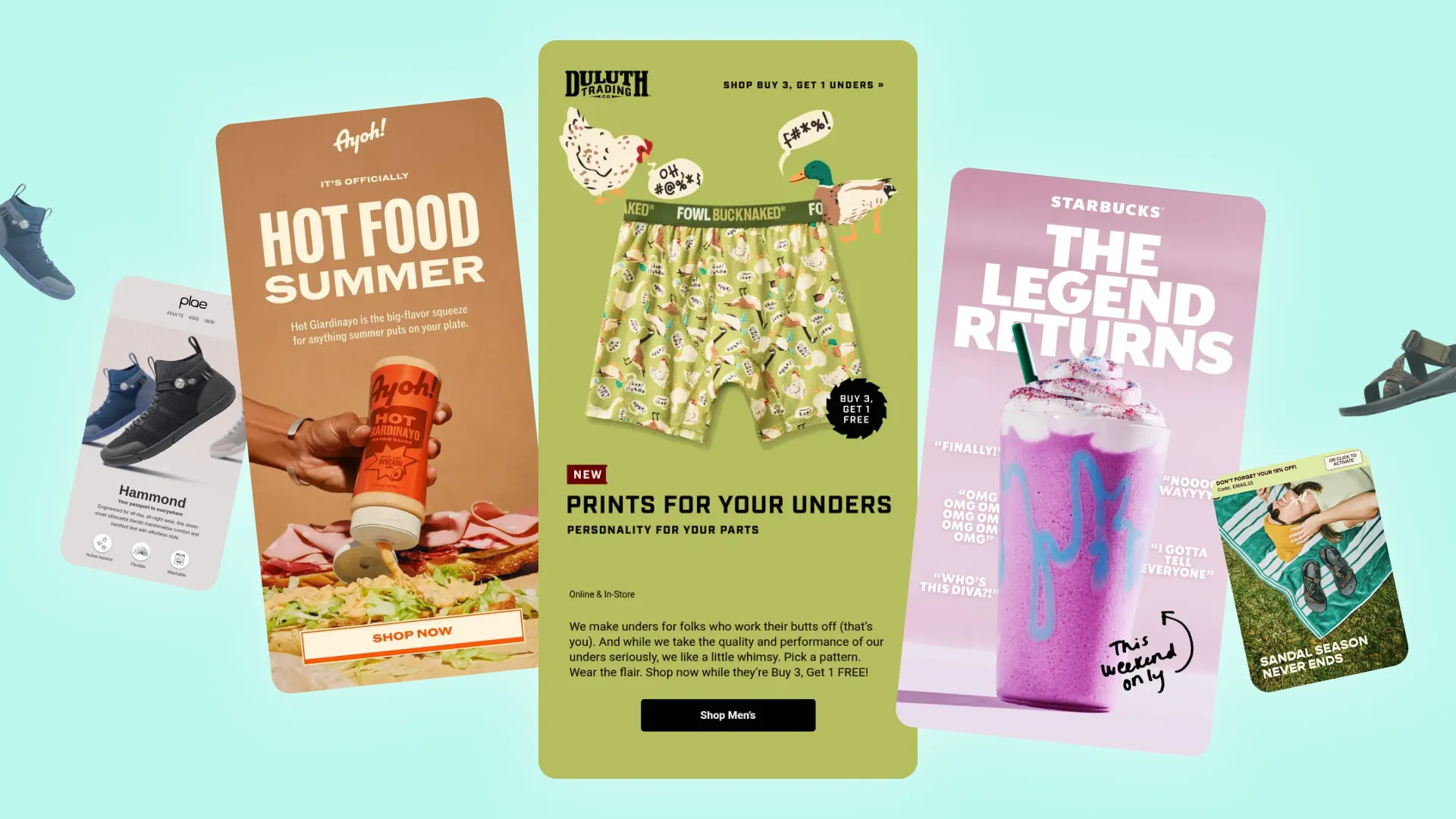
Promotional emails can sell a product, announce something new, fill an event, bring attention back to a bestseller, or give subscribers a reason to buy right now. A discount can help, but it is only one of many ways to make a promotion worth opening.
The 150+ promotional email examples below show how brands handle different goals, offers, audiences, and levels of urgency. You’ll find straightforward sales, product launches, ecommerce promotions, seasonal campaigns, B2B emails, limited-time offers, and examples that promote without using a discount at all.
Quick links:
→ Promotional Sales and Discount Email Examples
→ Product Promotional Email Examples
→ Ecommerce Promotional Email Examples
→ Seasonal and Holiday Promotional Email Examples
→ Limited-Time Offer and Flash Sale Promotional Emails
→ Event and Announcement Promotional Email Examples
→ B2B and Business Promotional Email Examples
→ No-Discount Promotional Email Examples
Promotional Email Campaign Flows
How to Write a Promotional Email
Promotional Email Design Best Practices
Promotional Sales and Discount Email Examples
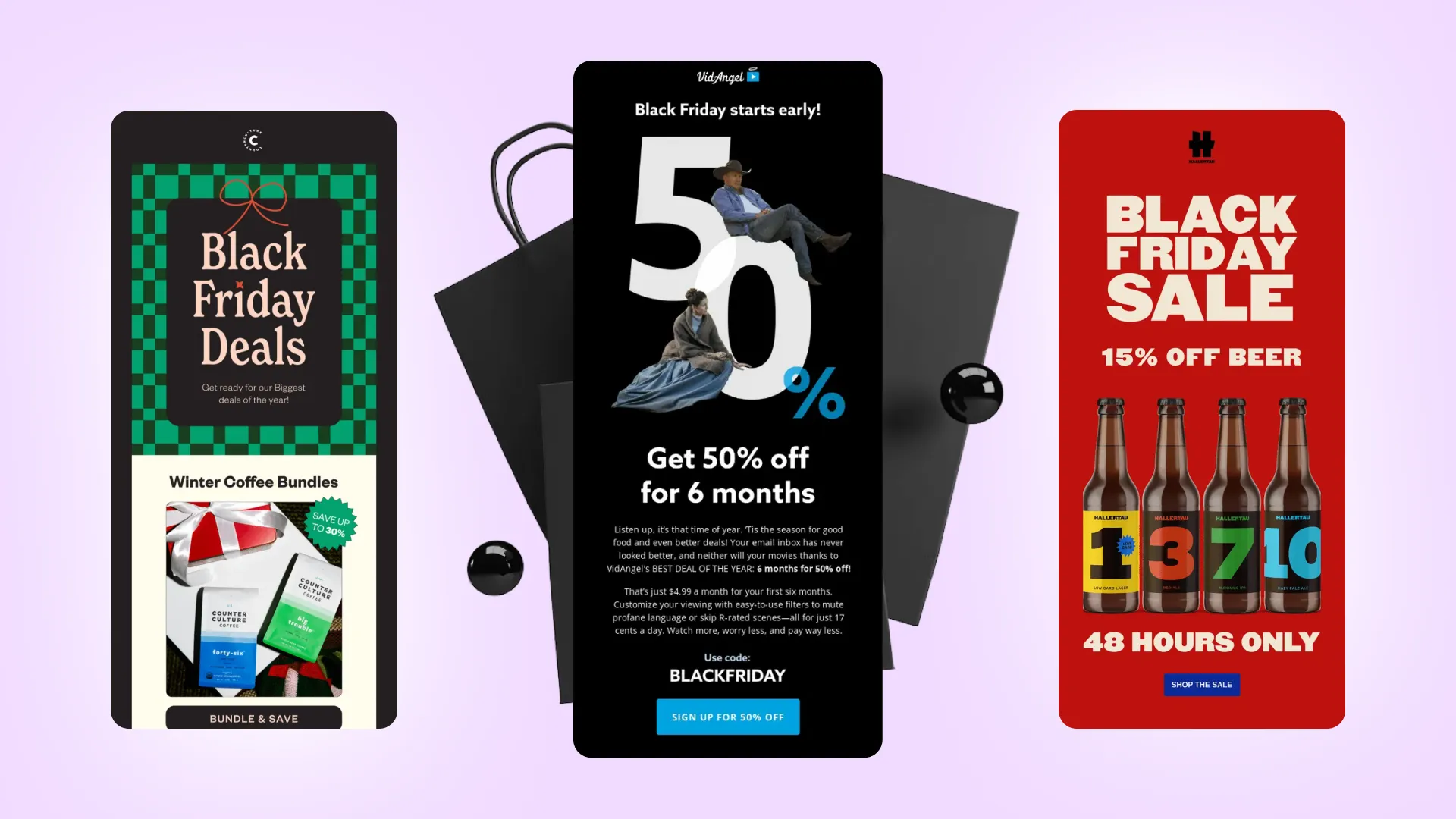
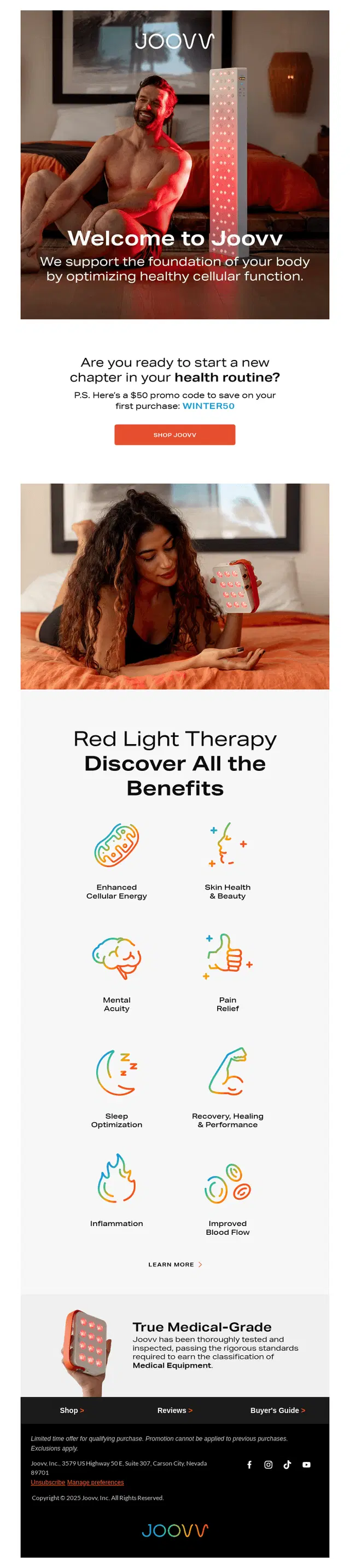
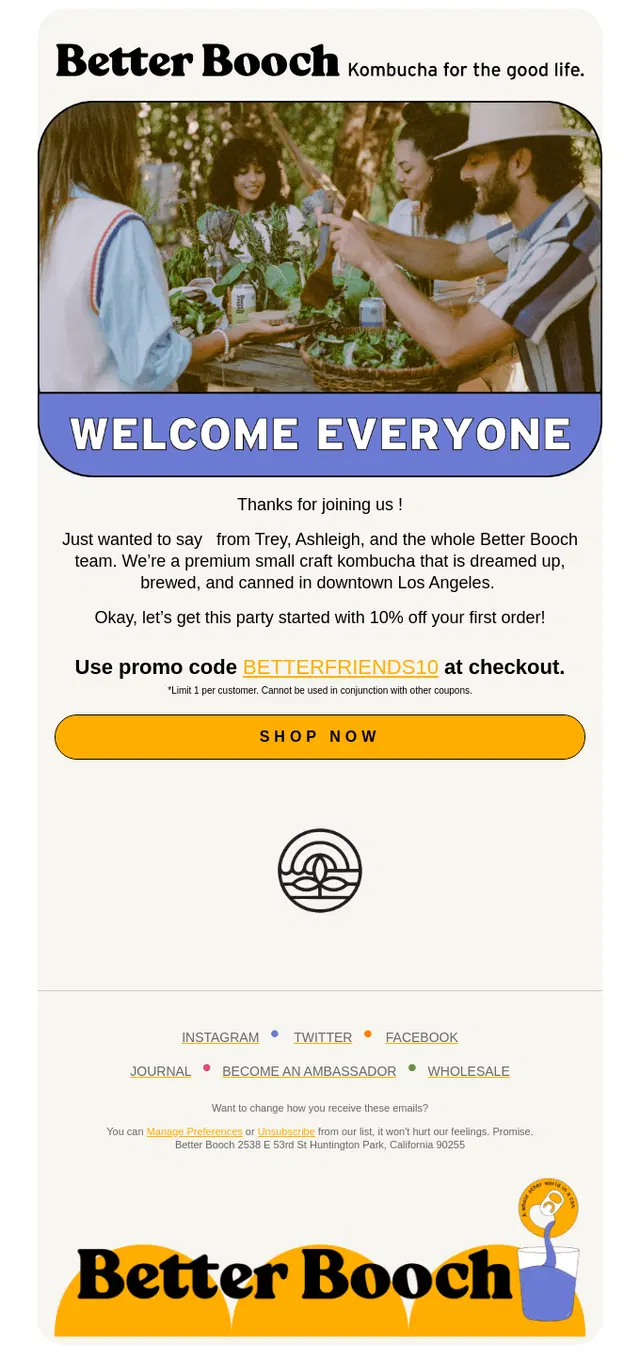
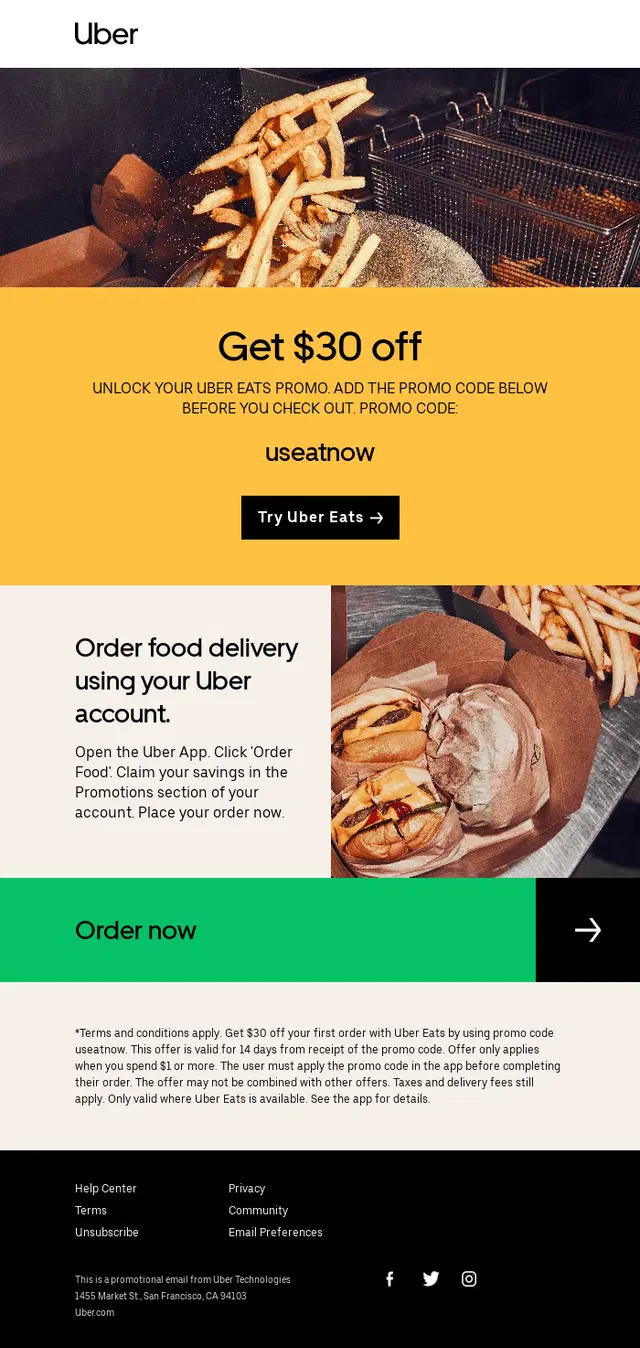
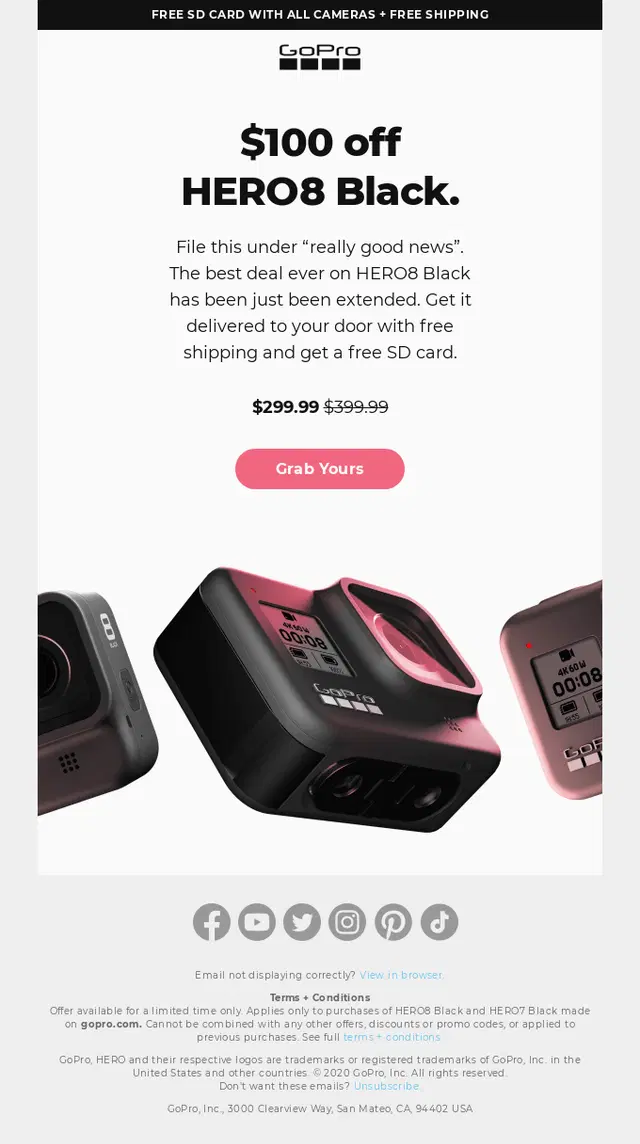
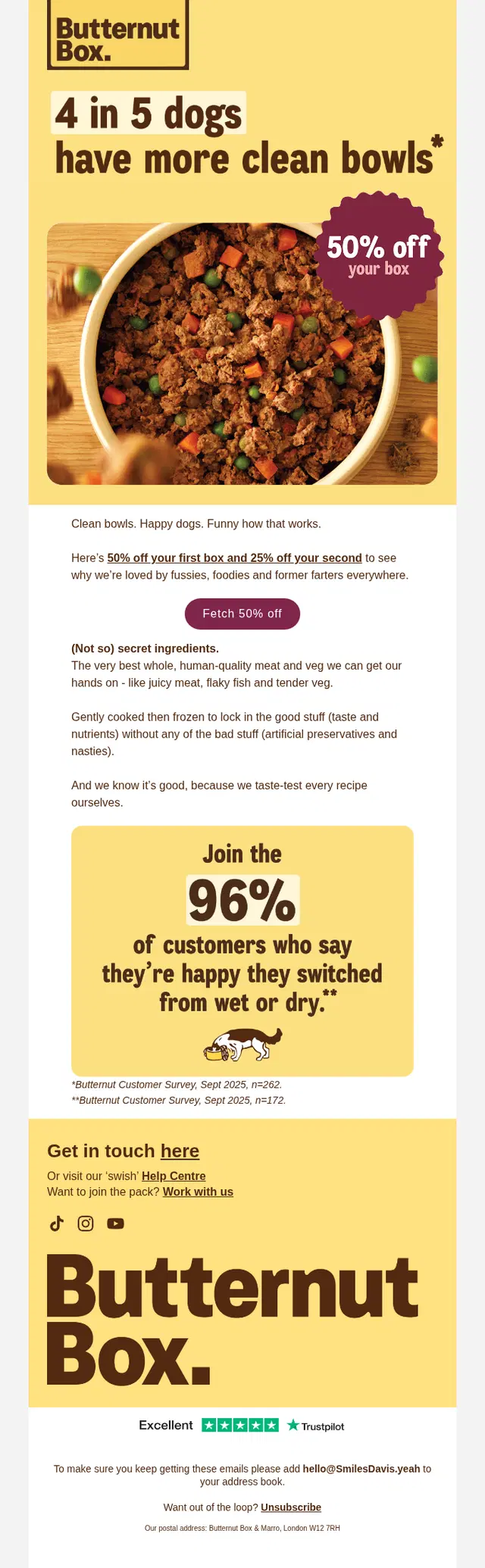
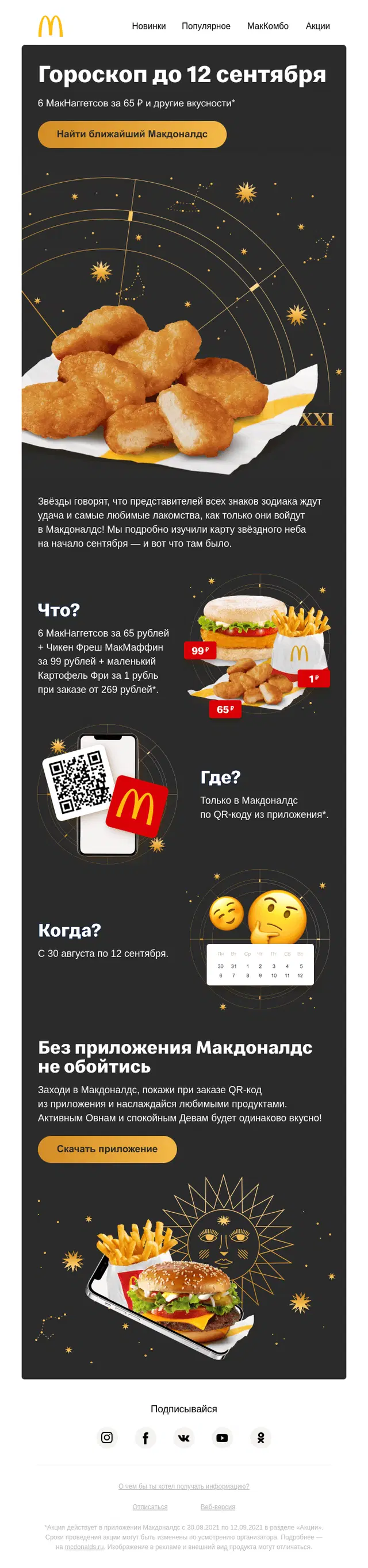
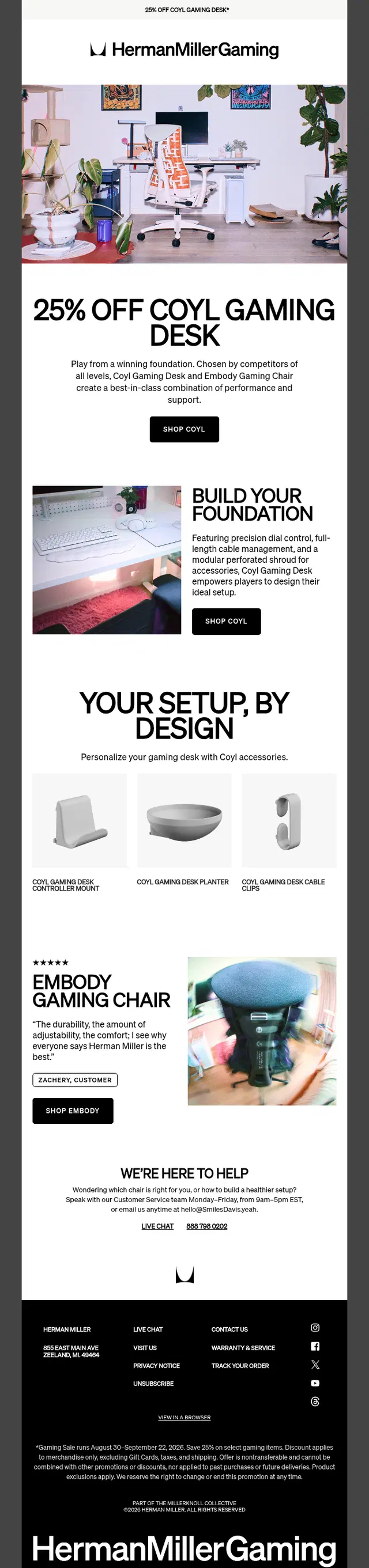
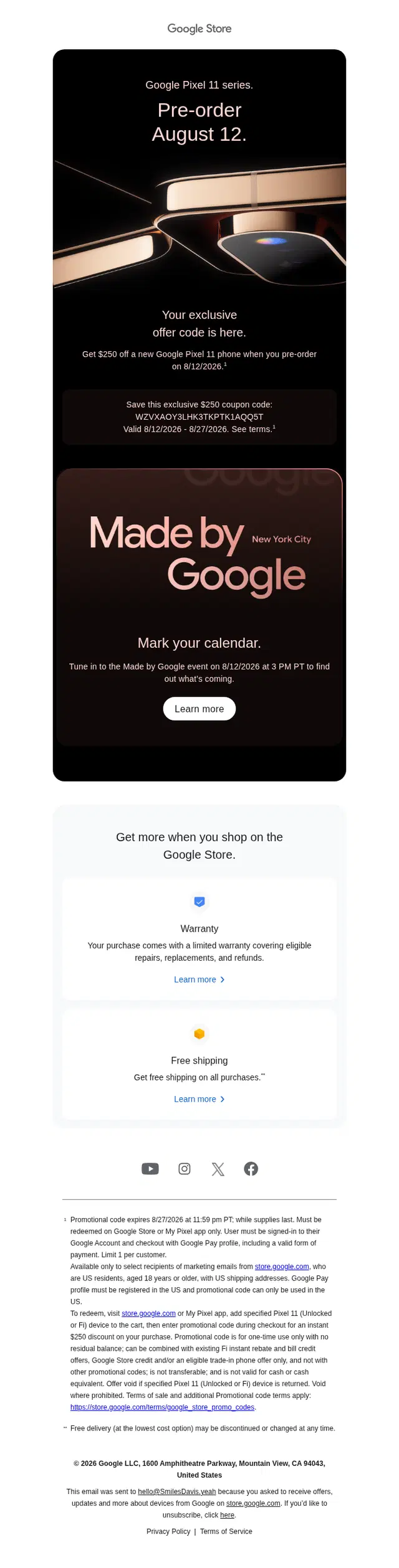
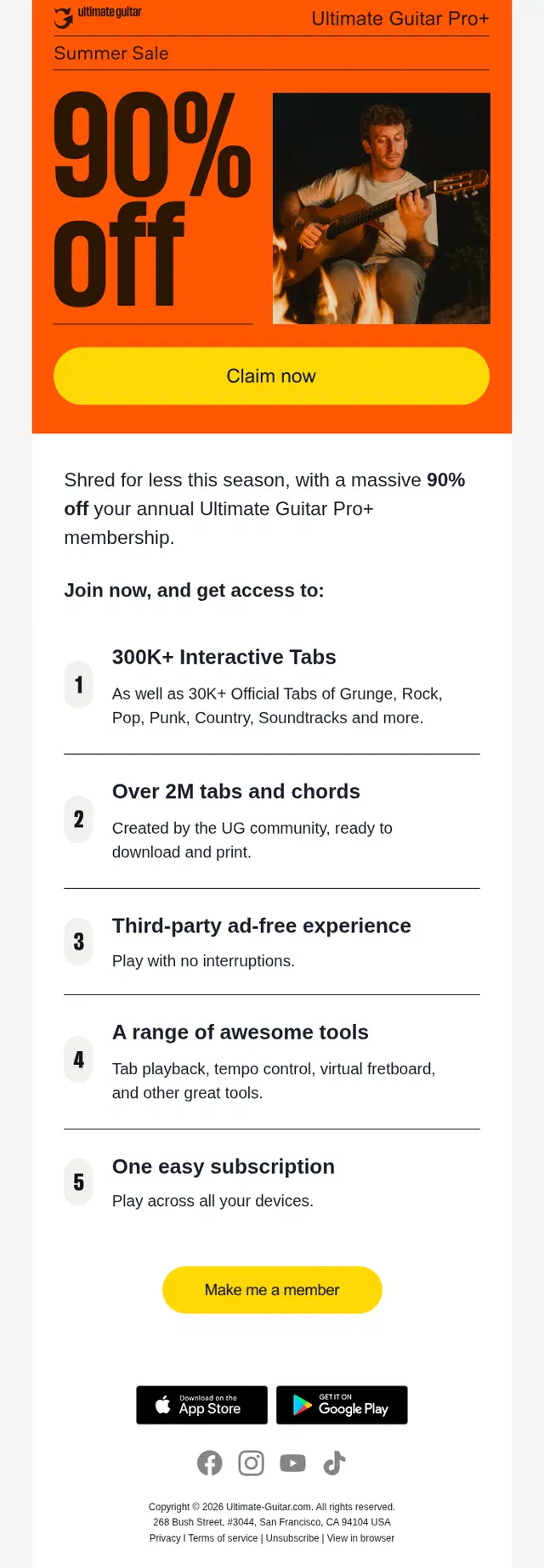
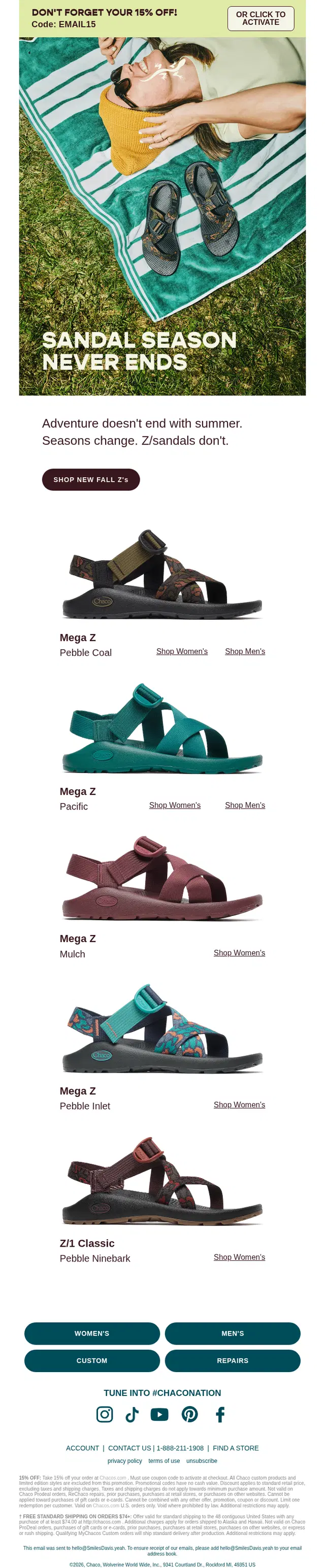
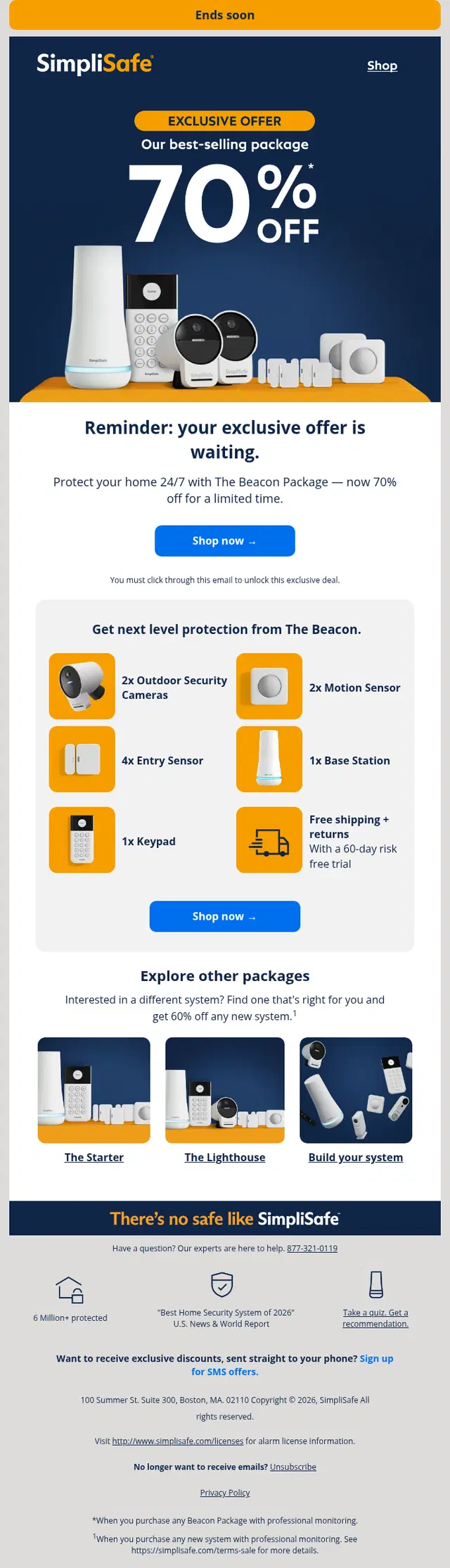
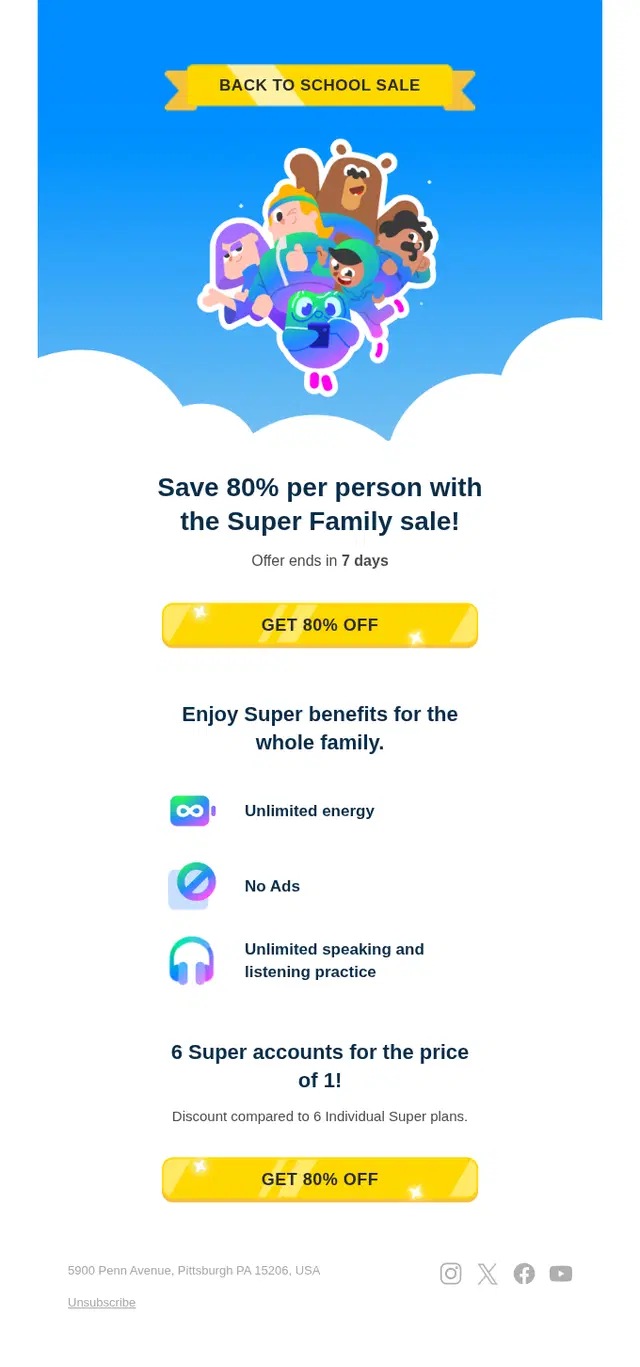
Sales and discounts are probably the first thing that comes to mind when you think of promotional email. That does not mean every sale email needs to look or sound the same.
Brands can lead with a percentage discount, a fixed amount off, a sitewide sale, lower prices on one category, or an offer reserved for subscribers. The examples below show how different brands present the value clearly without letting the discount swallow the rest of the message.

Product Promotional Email Examples
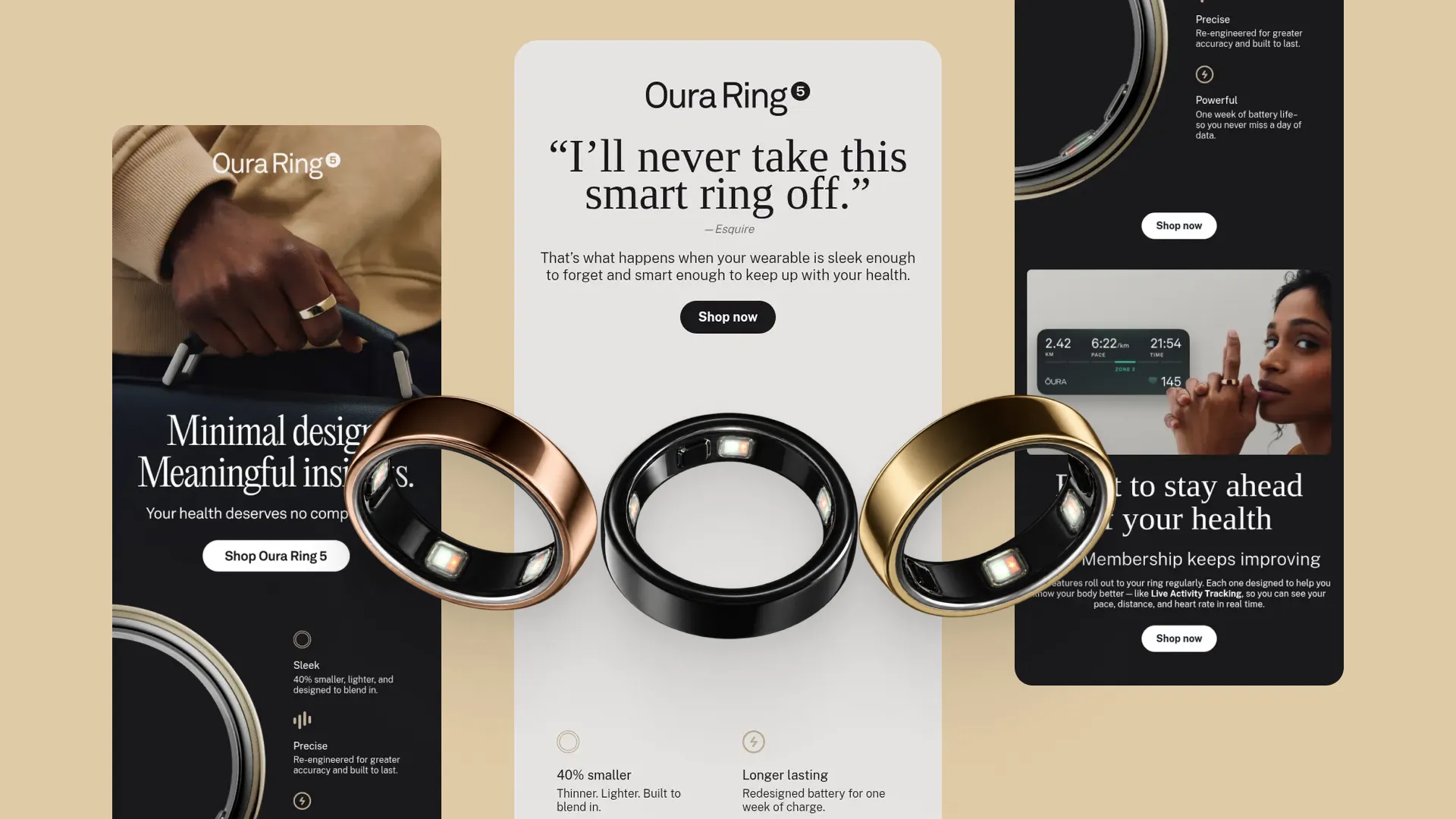
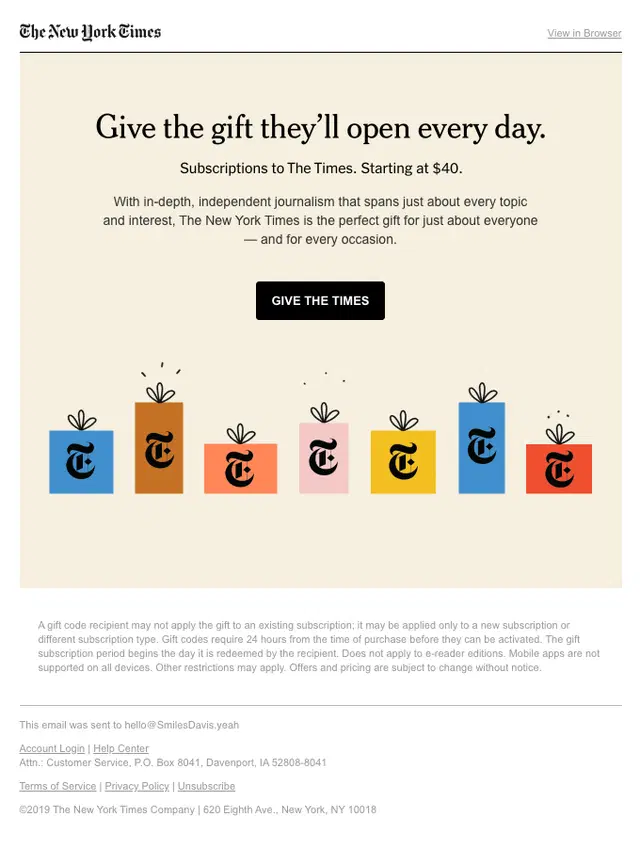
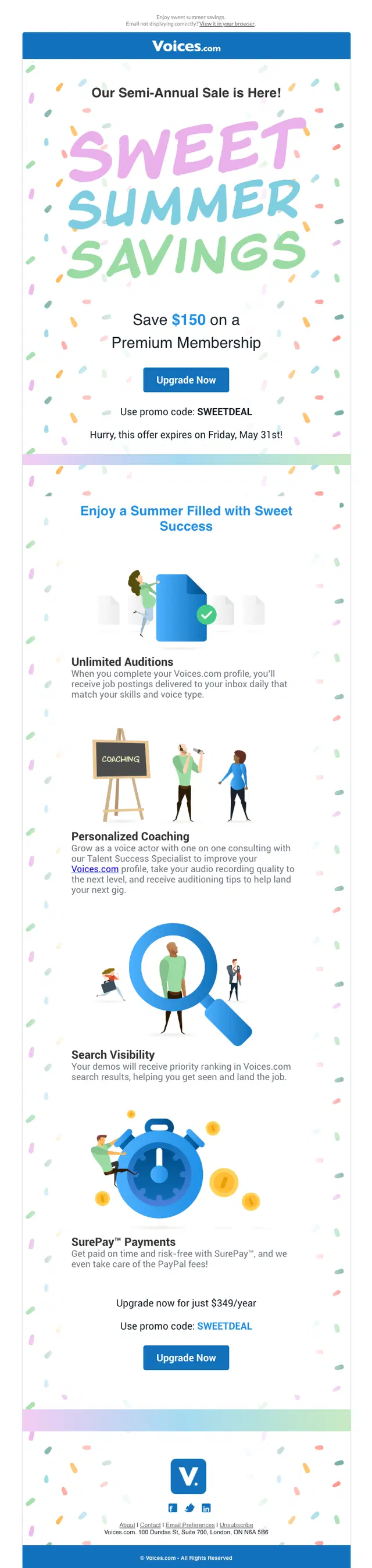
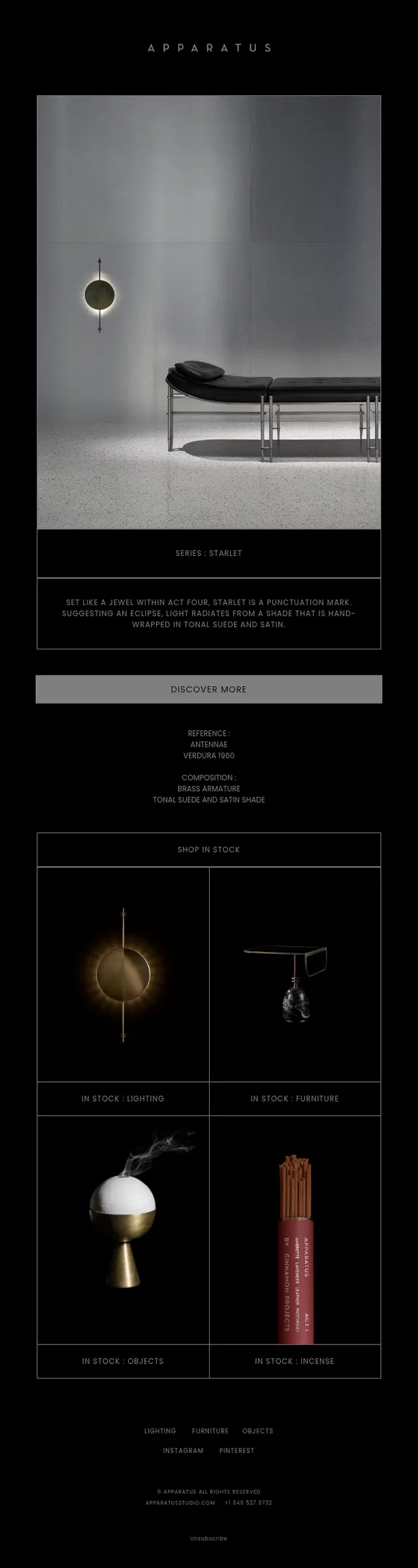
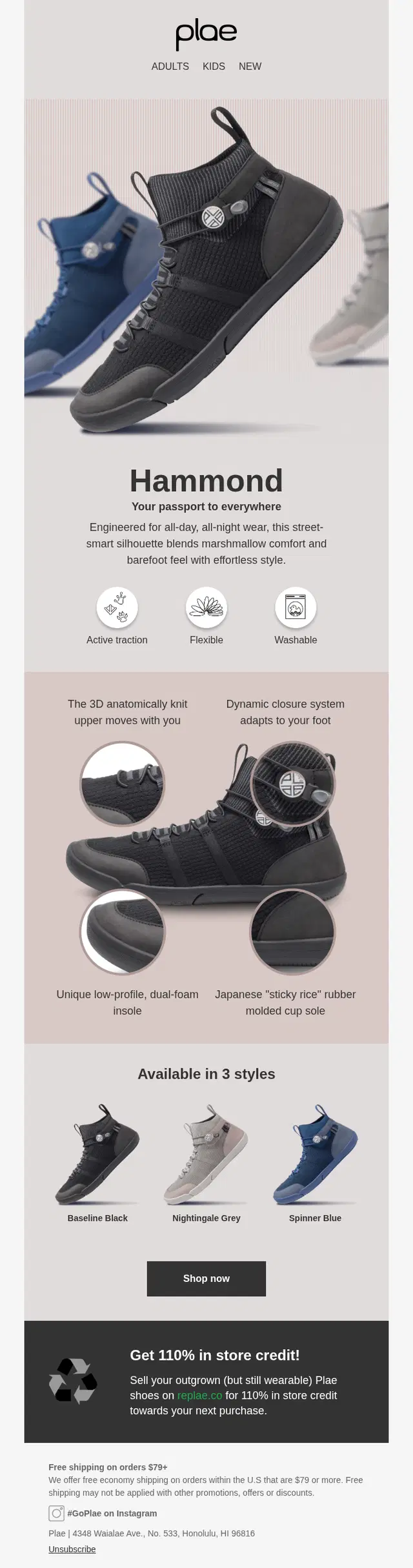
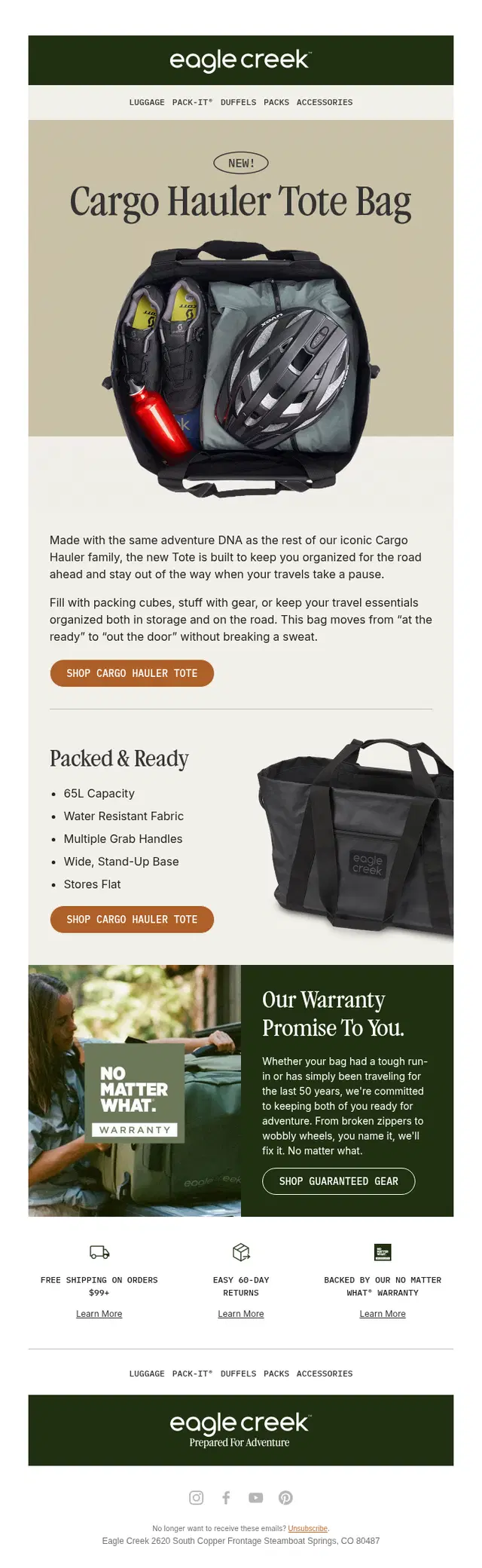
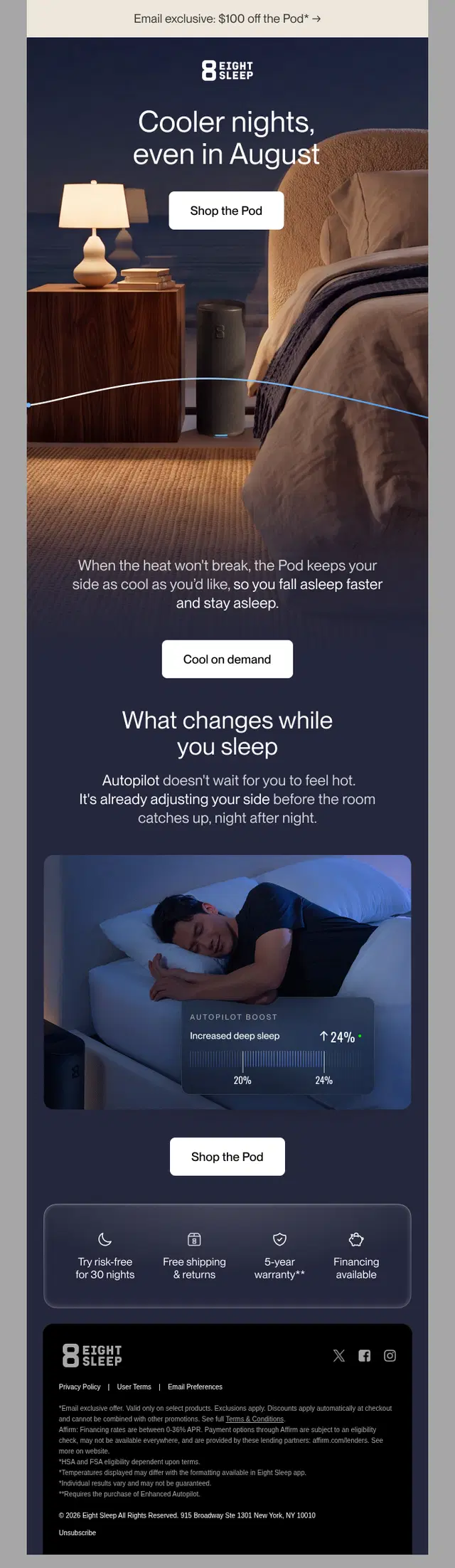
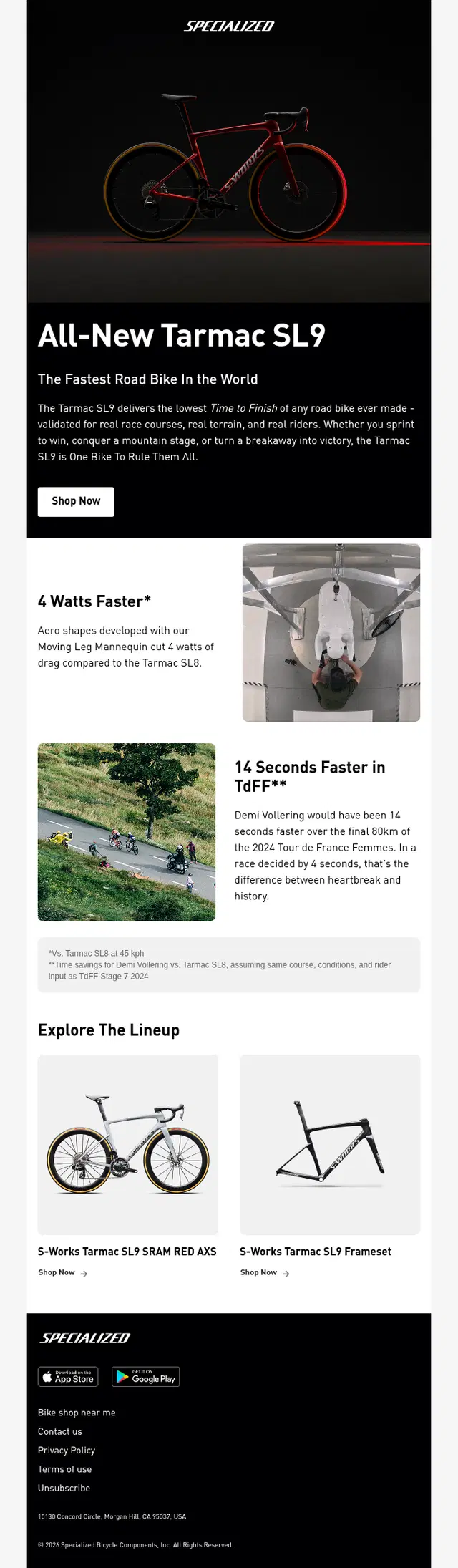
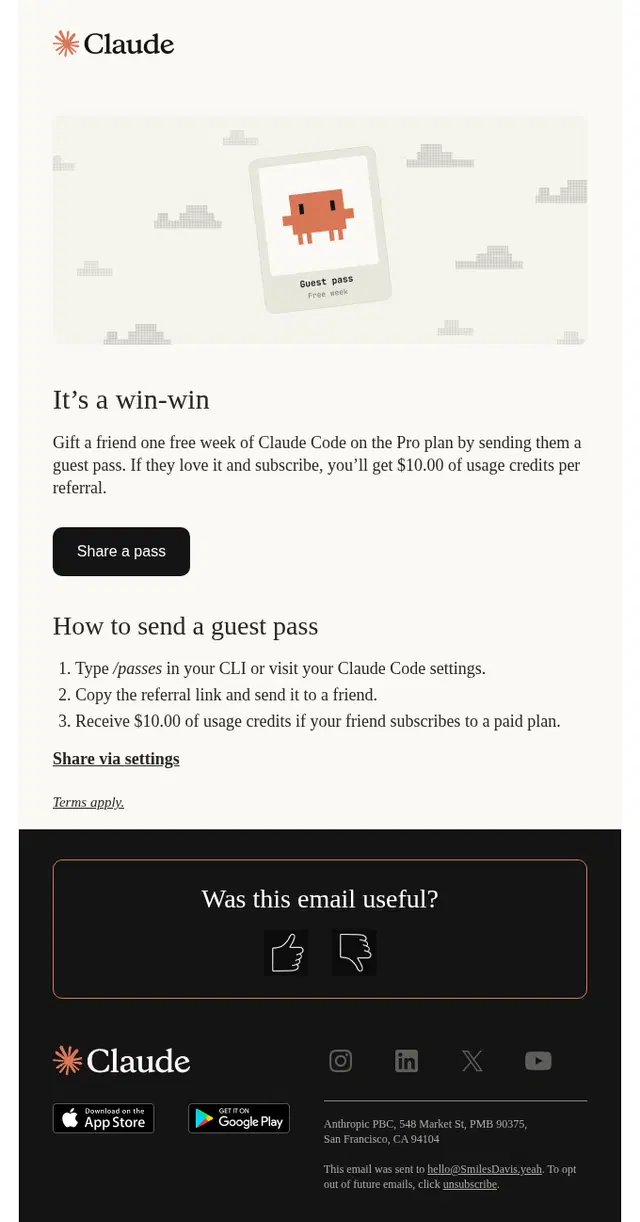
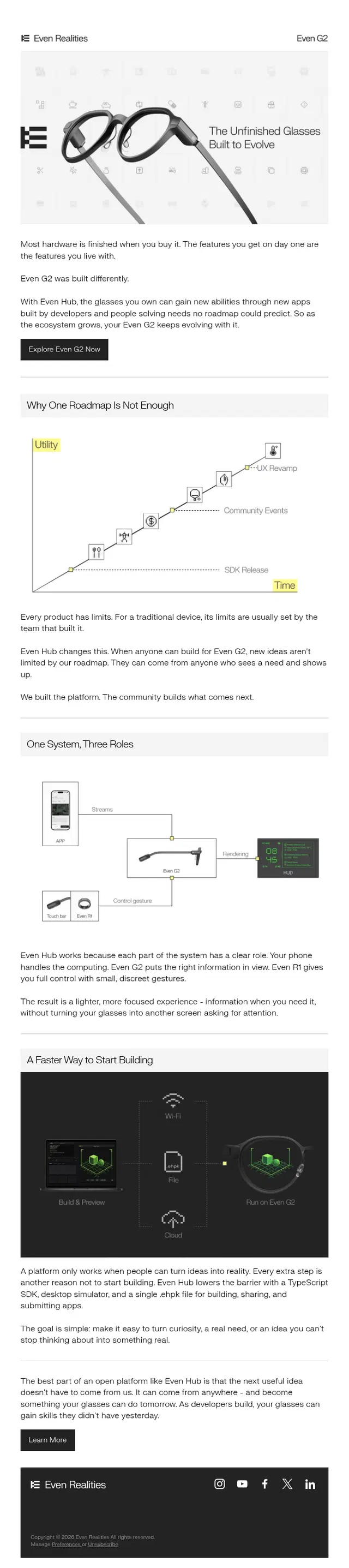
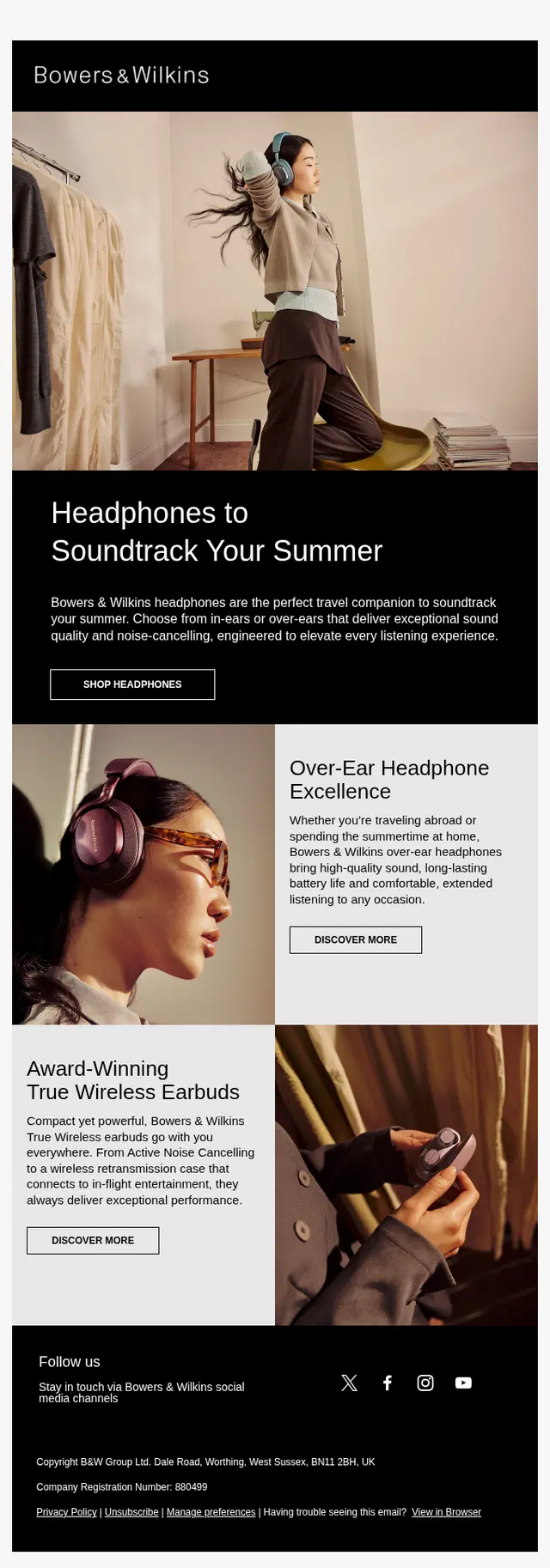
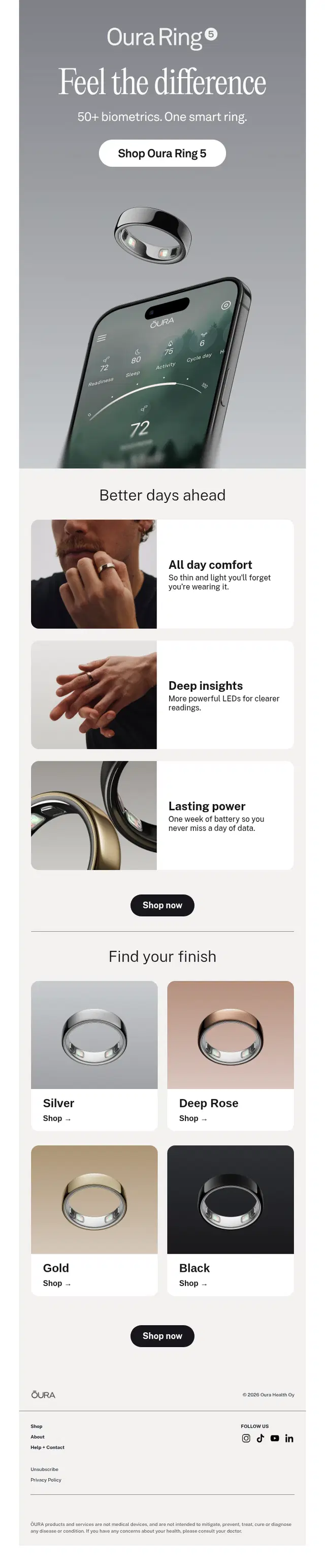
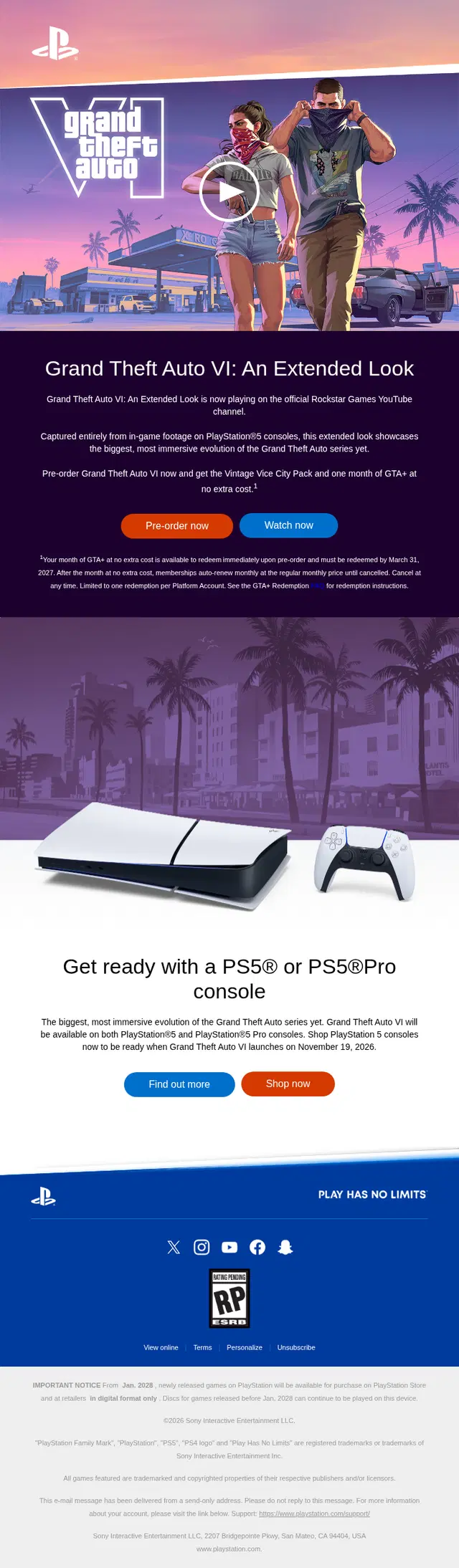
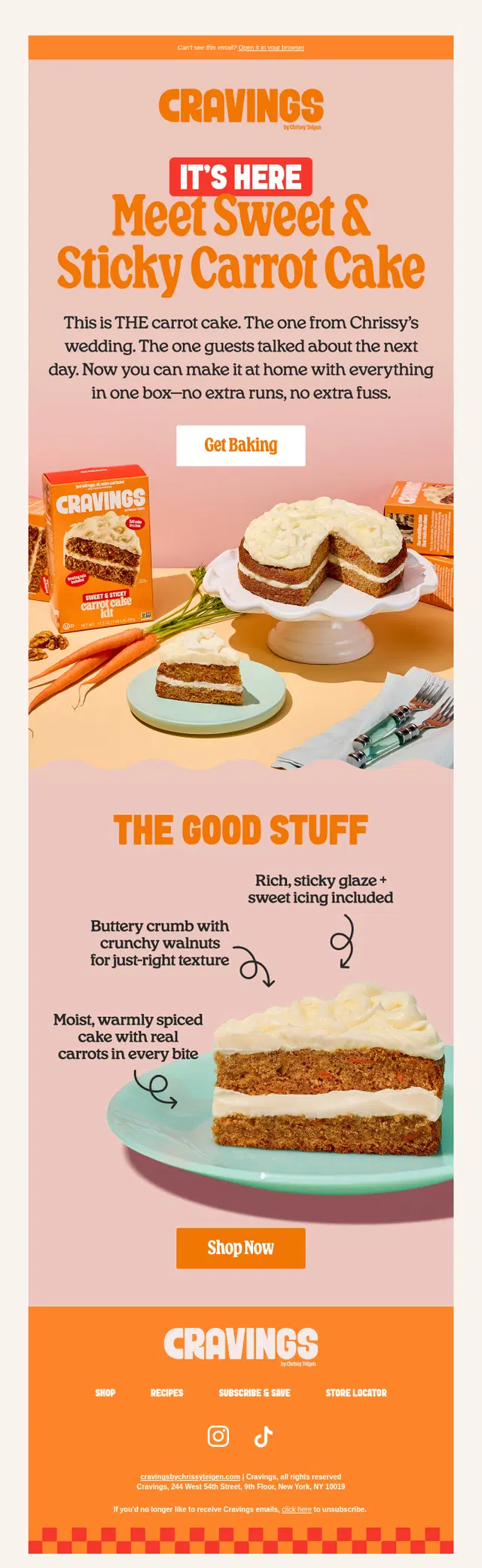
A product promotional email gives one product, collection, or release a reason to matter now.
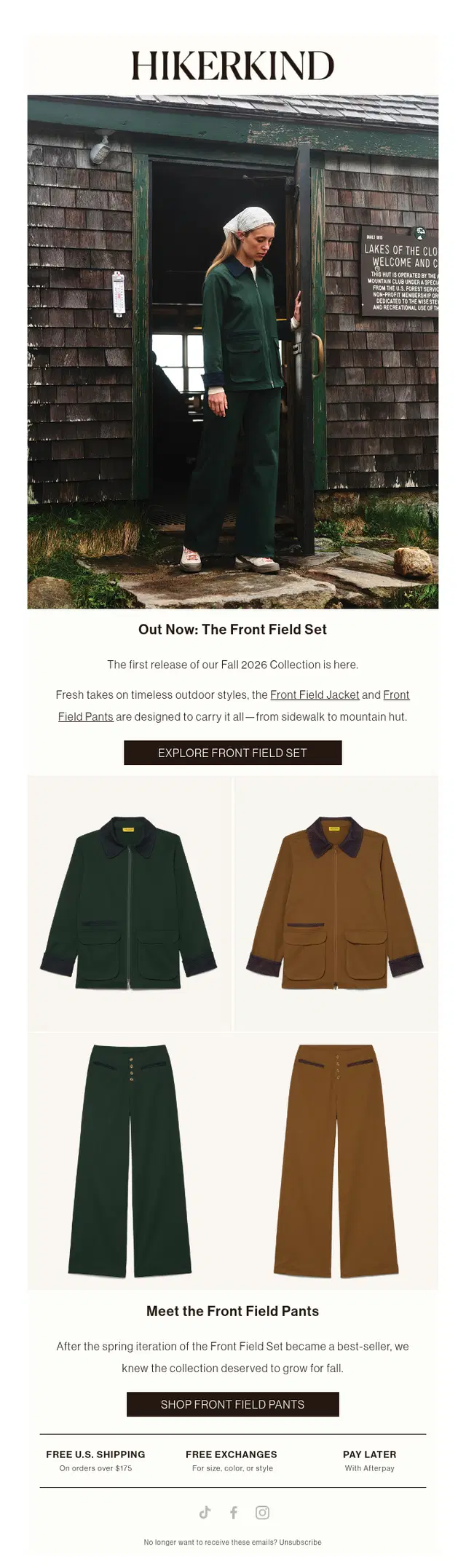
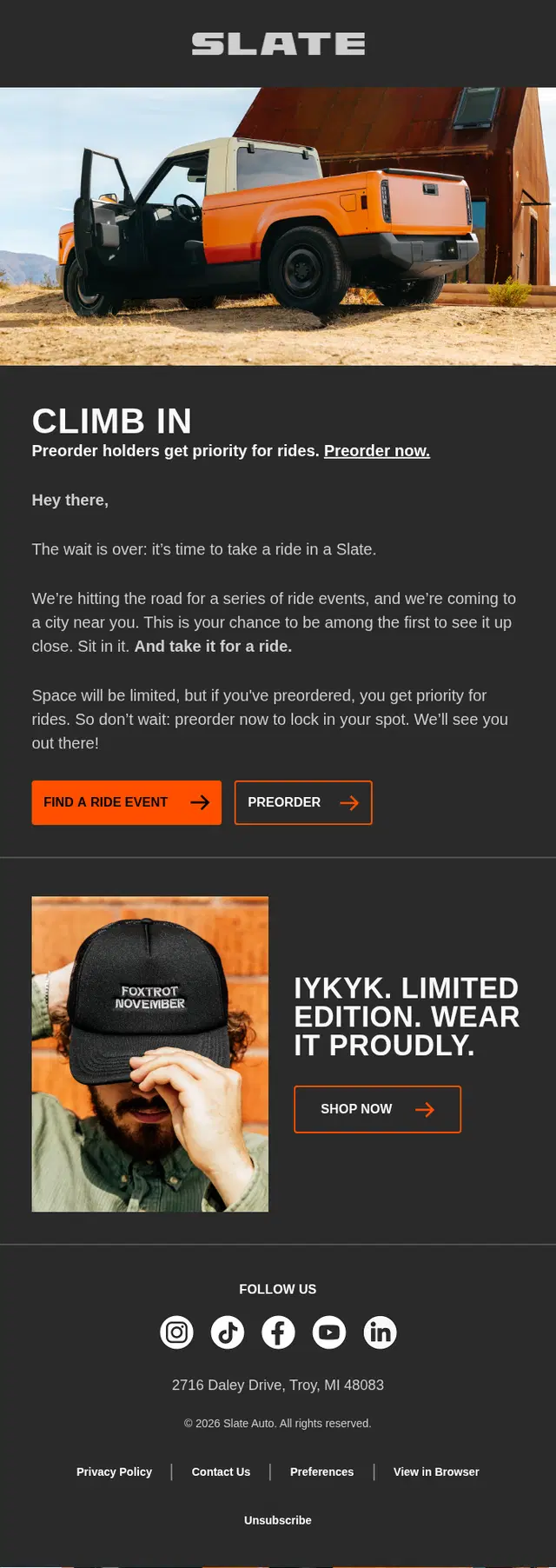
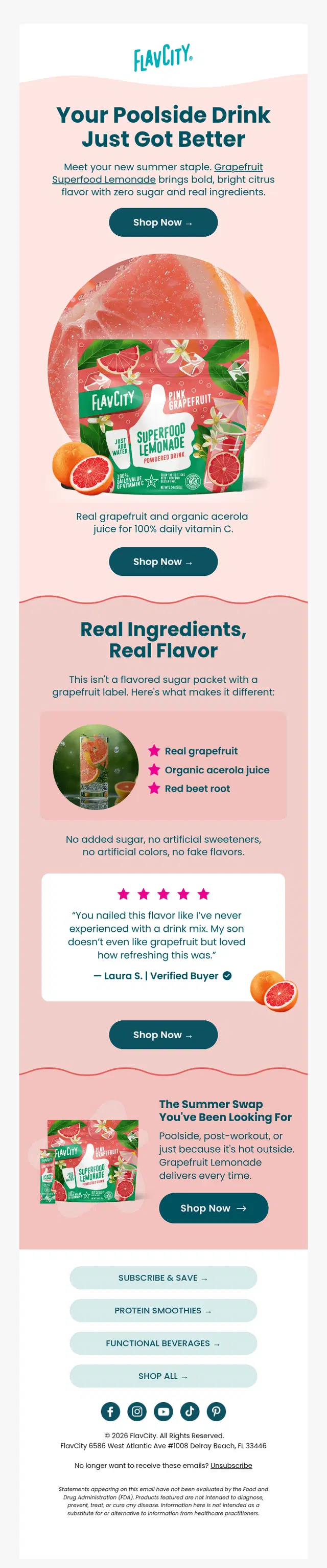
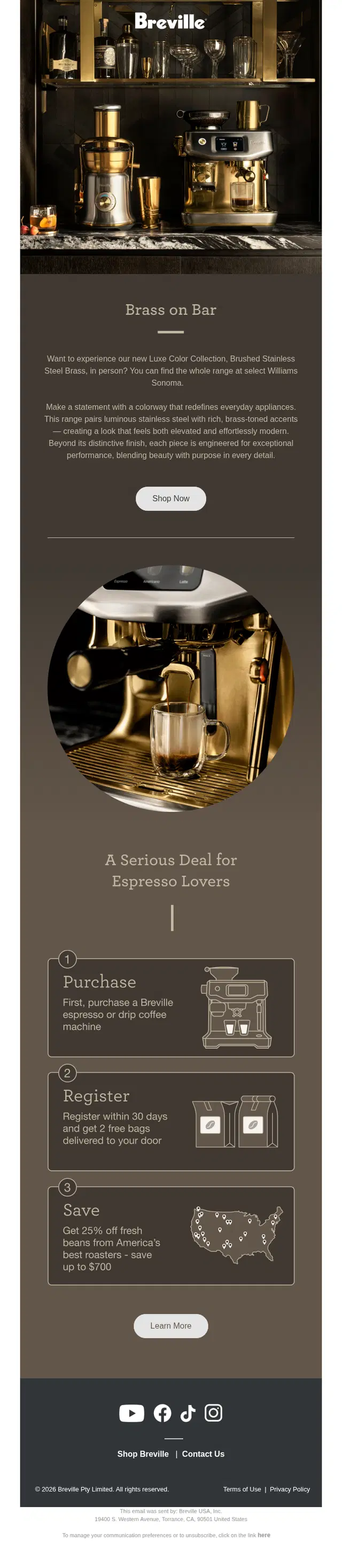
That might mean introducing something completely new, showing what has changed in an updated version, bringing attention back to a bestseller, or explaining the details that make a product different. Strong product emails do more than put an image next to a Shop Now button. They help the reader understand why the product deserves attention in the first place.






Ecommerce Promotional Email Examples
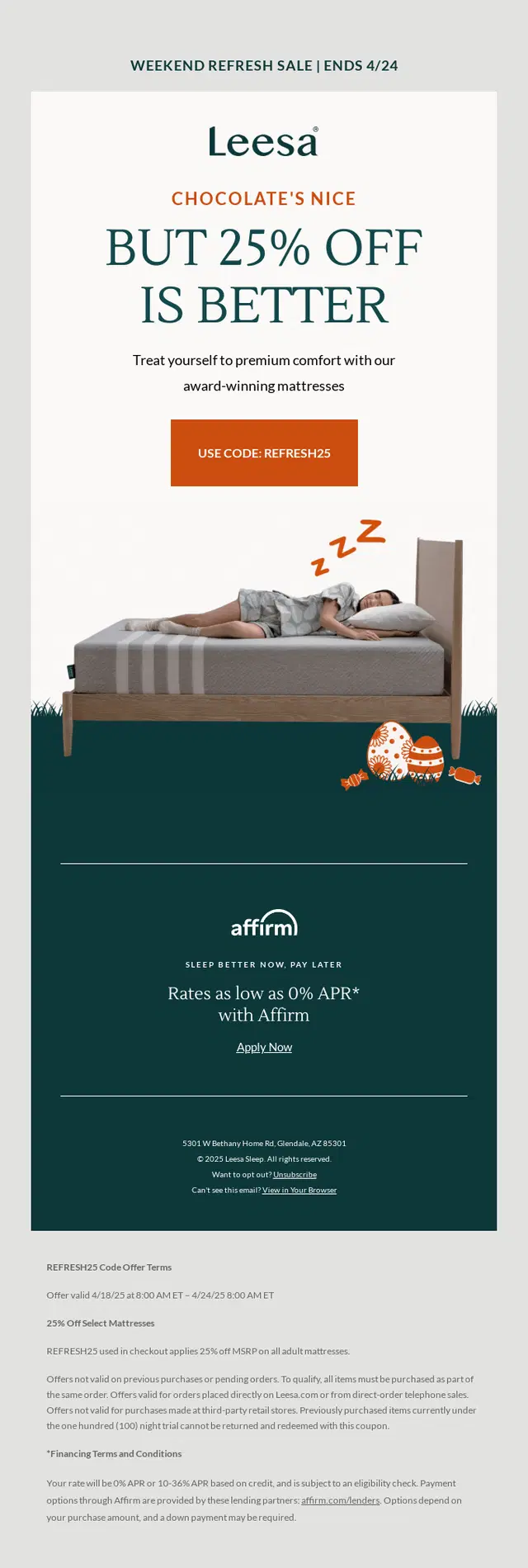
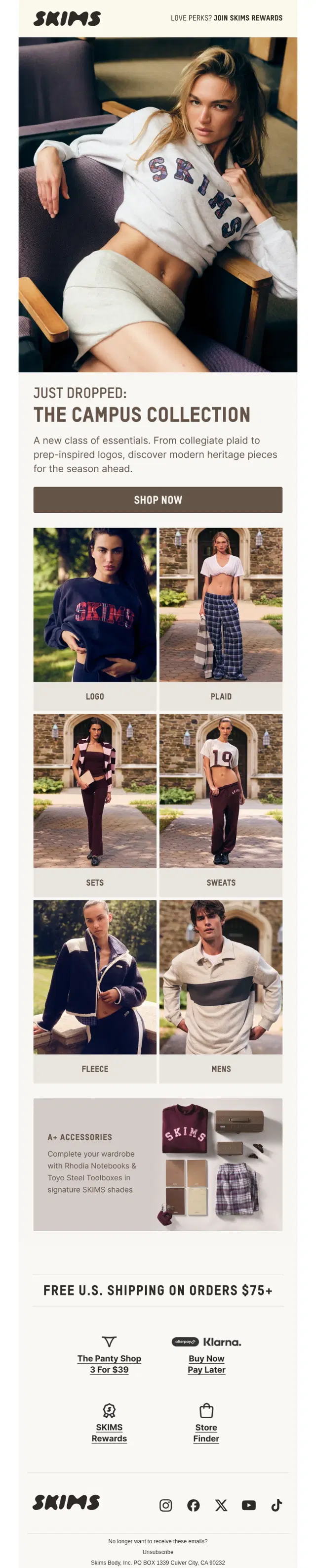
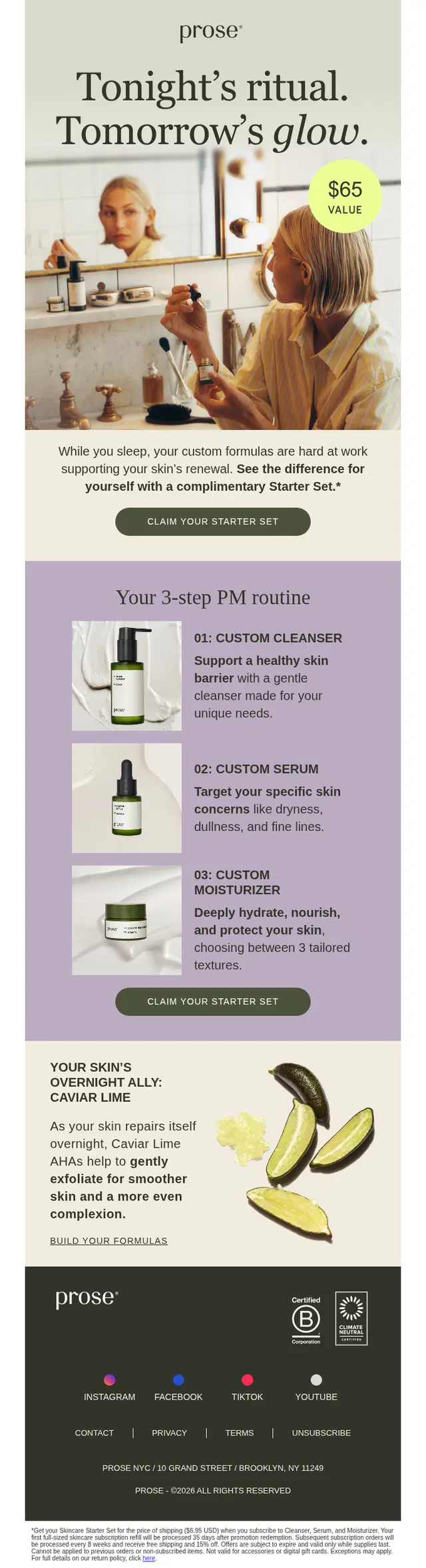
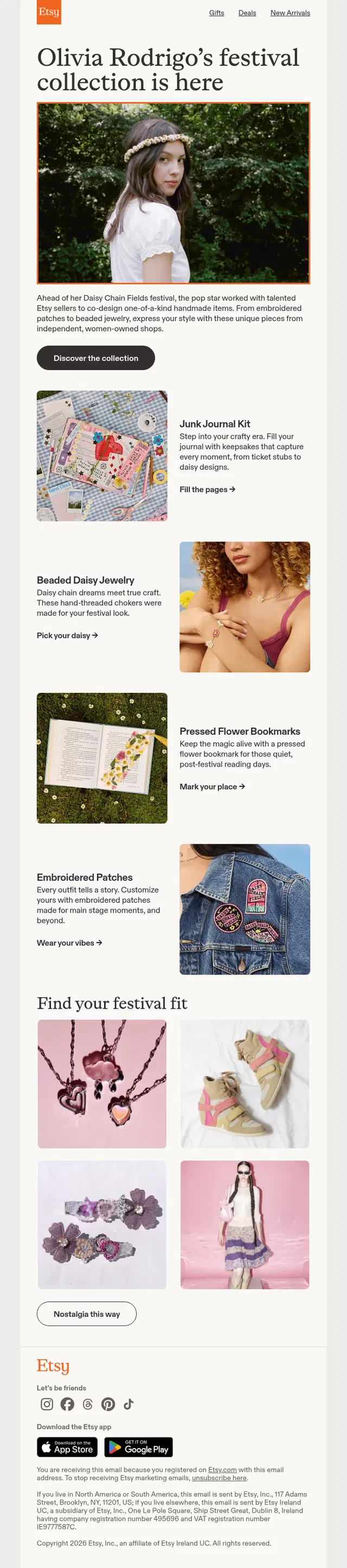
Ecommerce promotional emails have more tools to work with than a simple price cut.
Free shipping, bundles, gifts with purchase, minimum-spend rewards, multi-buy deals, and category offers can all change the value of an order without discounting every item. Good ecommerce emails also make shopping easier by narrowing the choice, recommending useful combinations, or showing customers where to start.



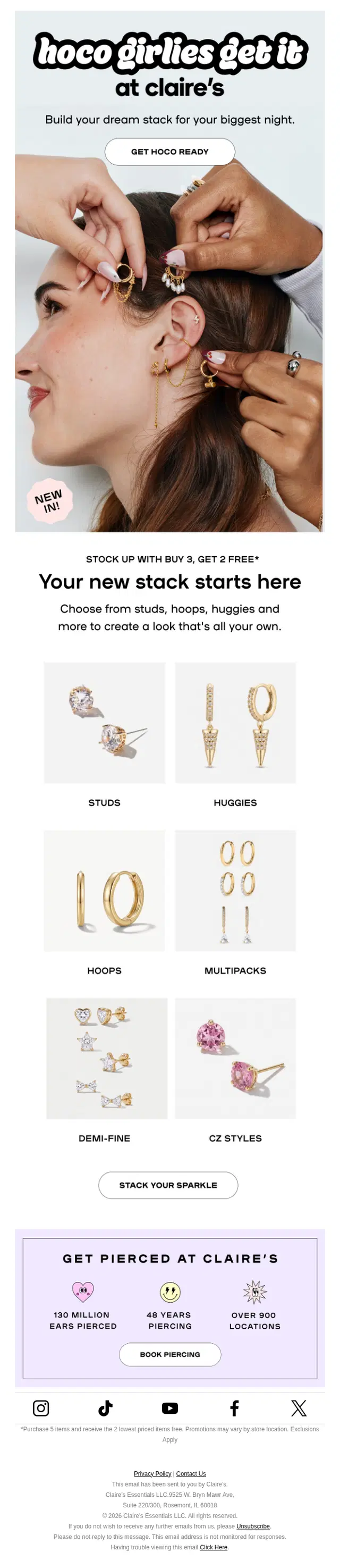
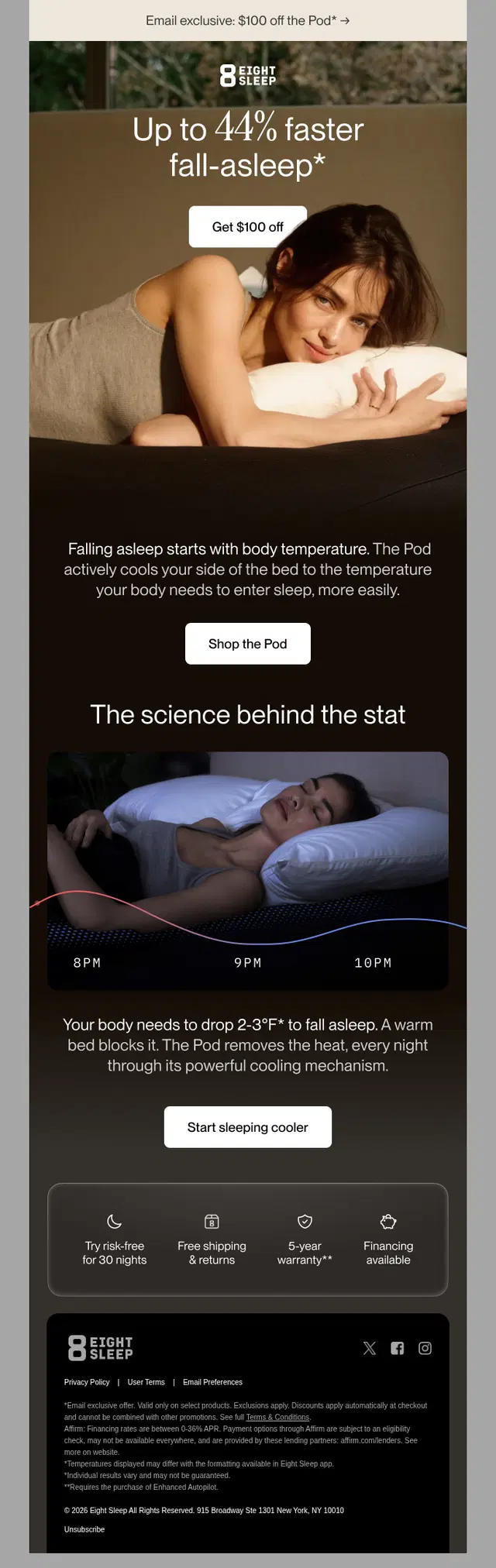
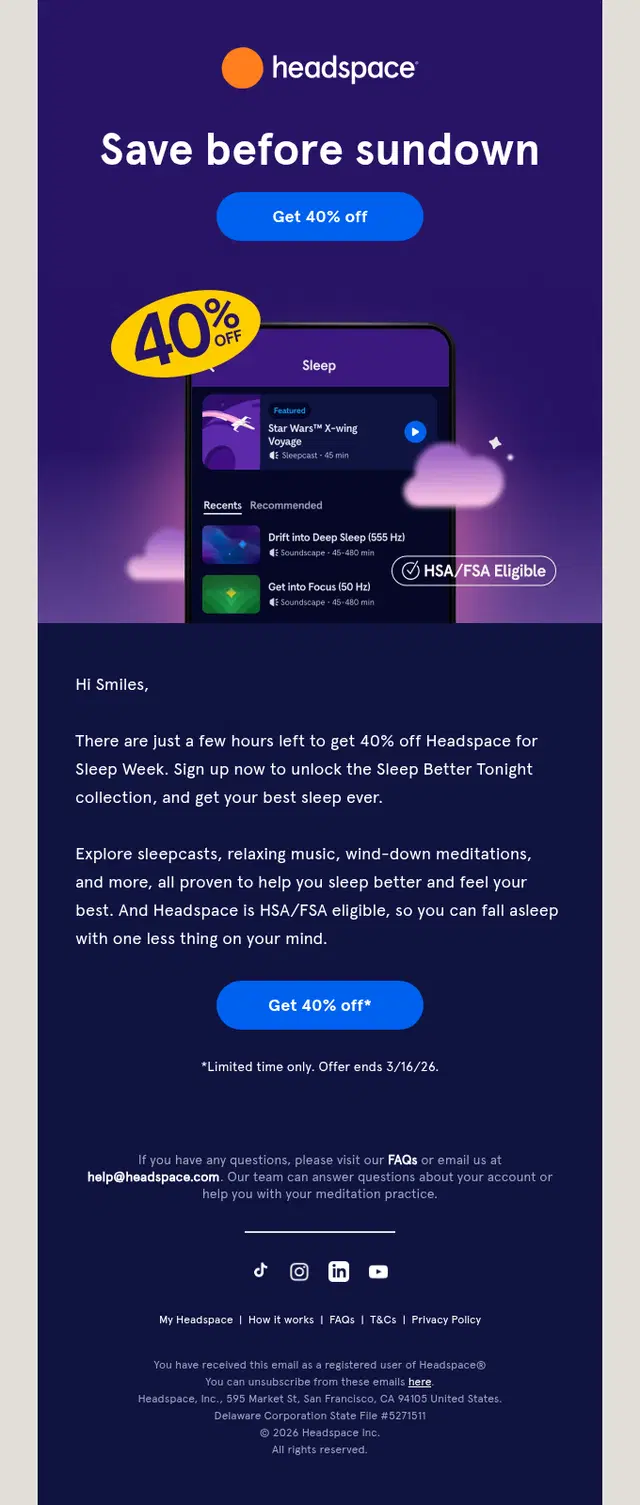

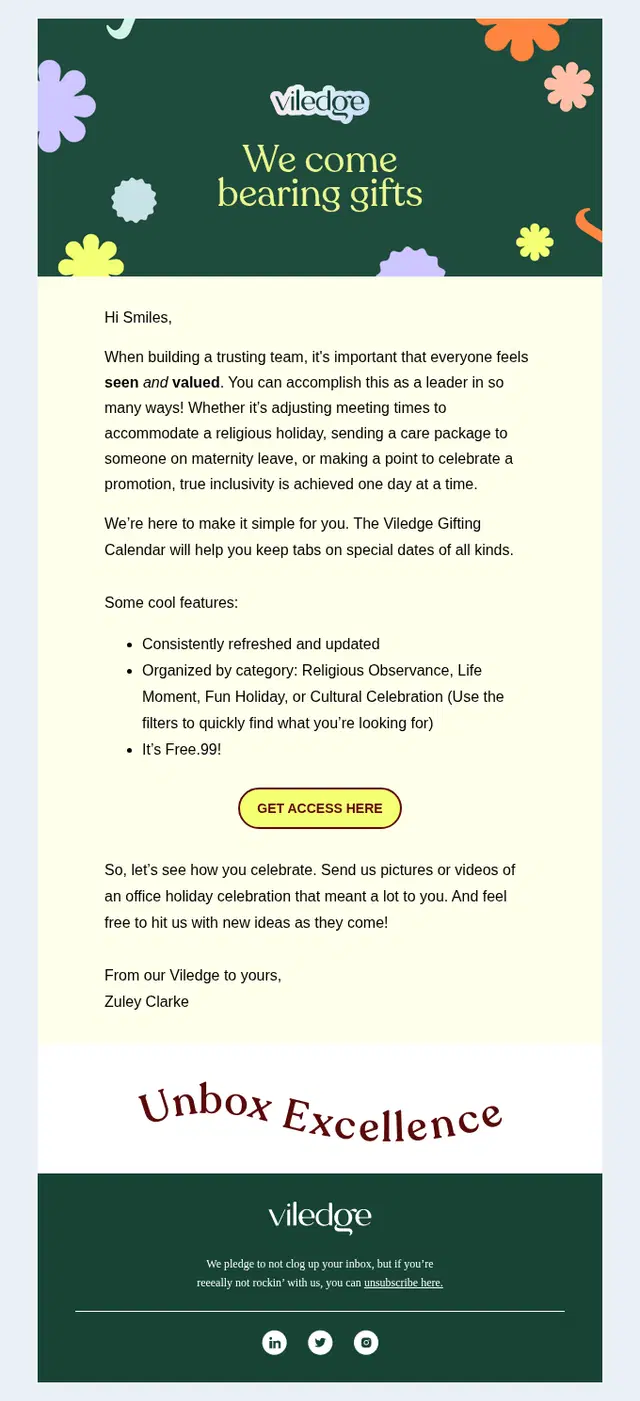

Seasonal and Holiday Promotional Email Examples
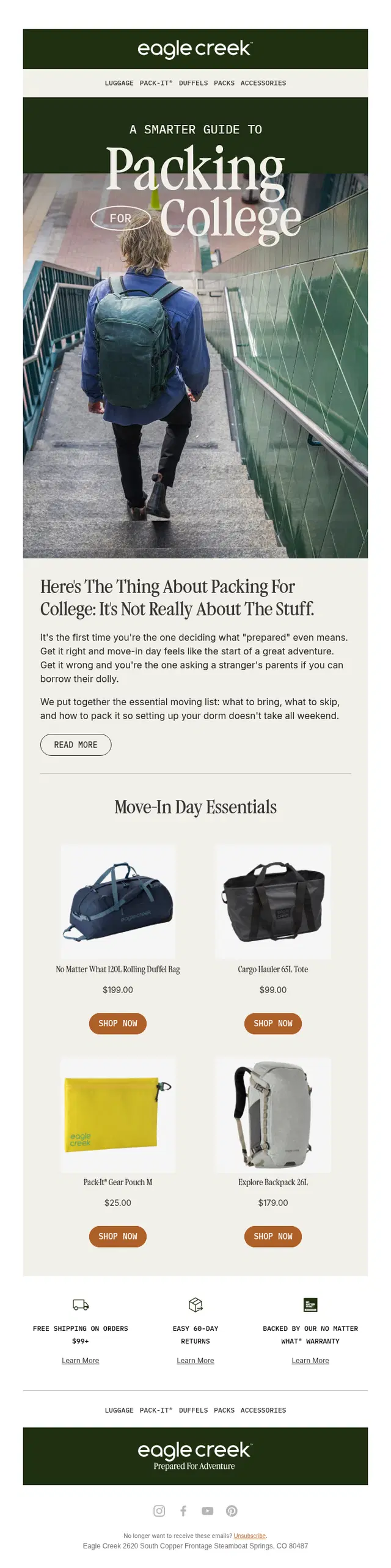
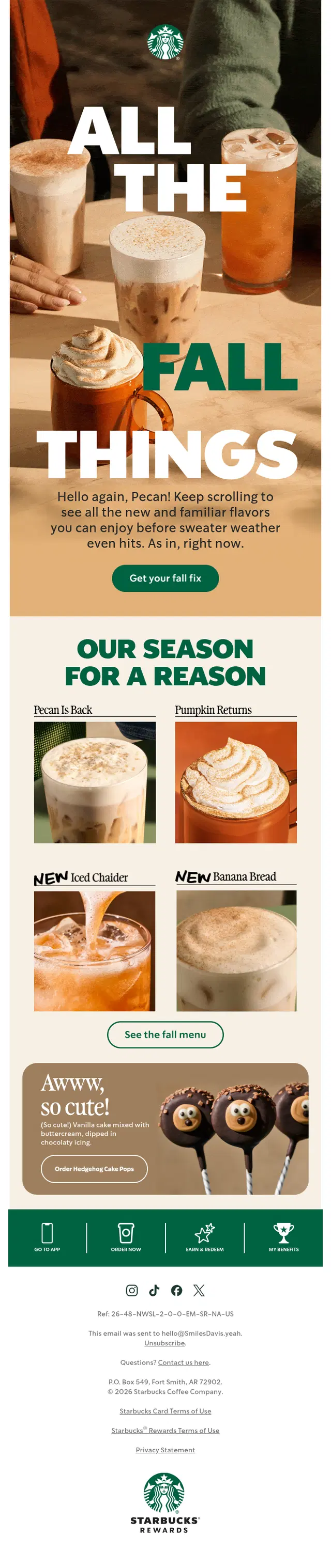
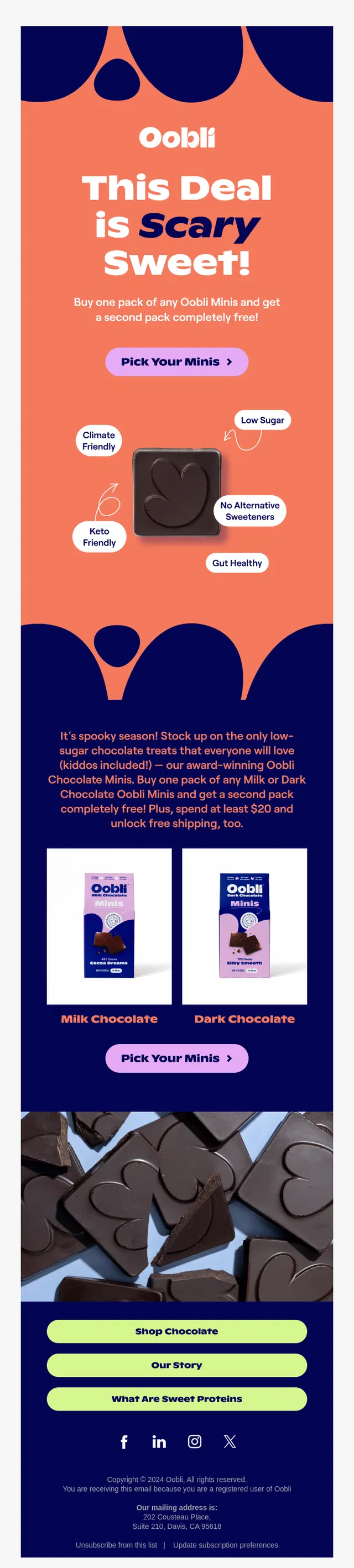
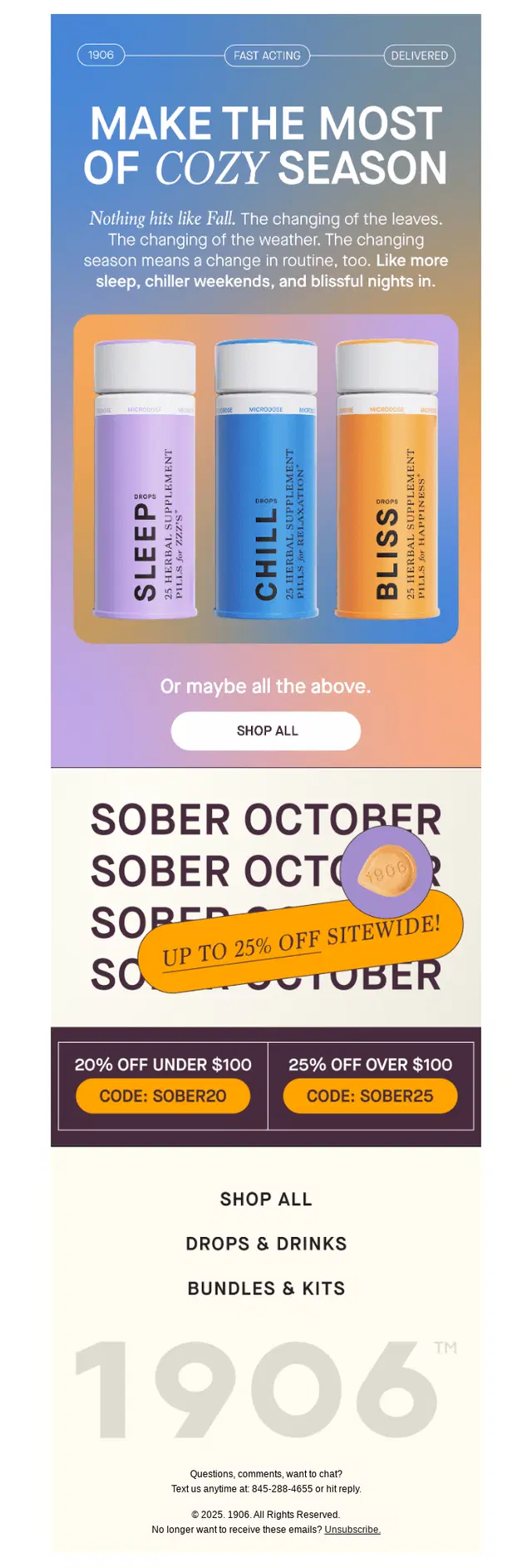
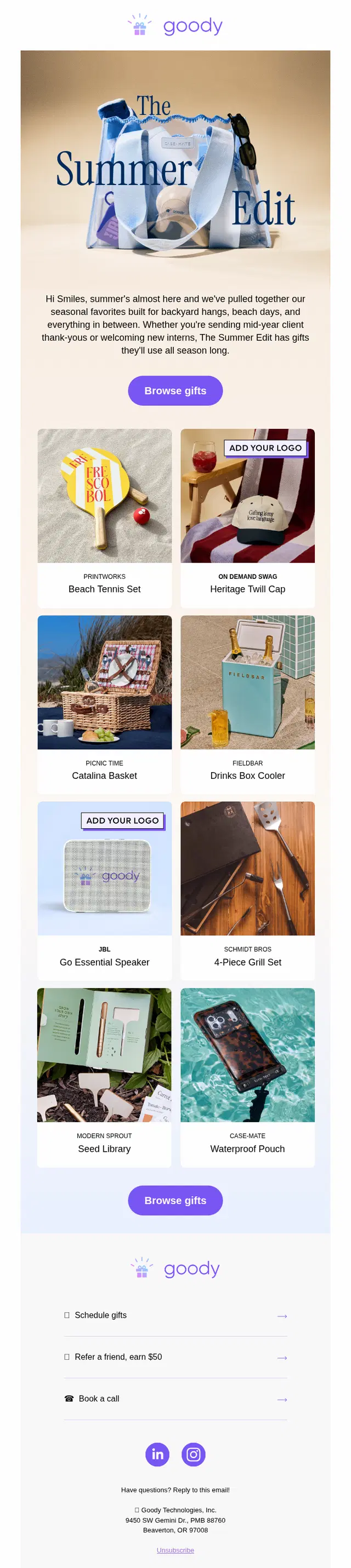
Holidays and seasonal moments give promotional emails a built-in reason to show up in the inbox.
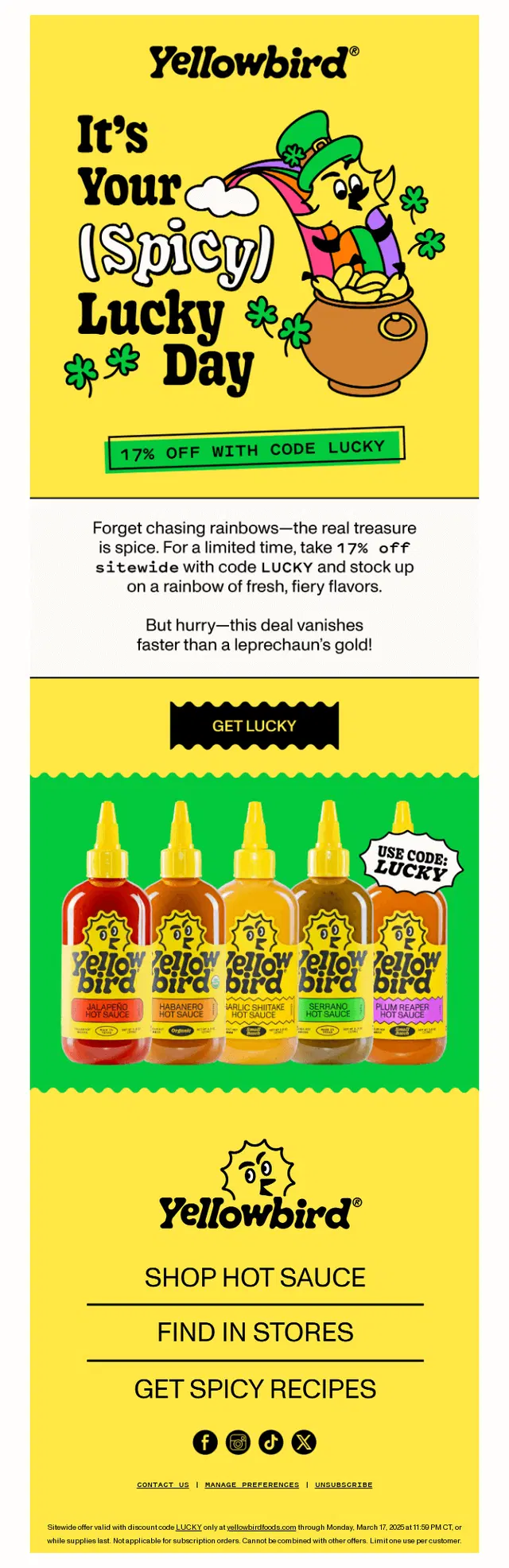
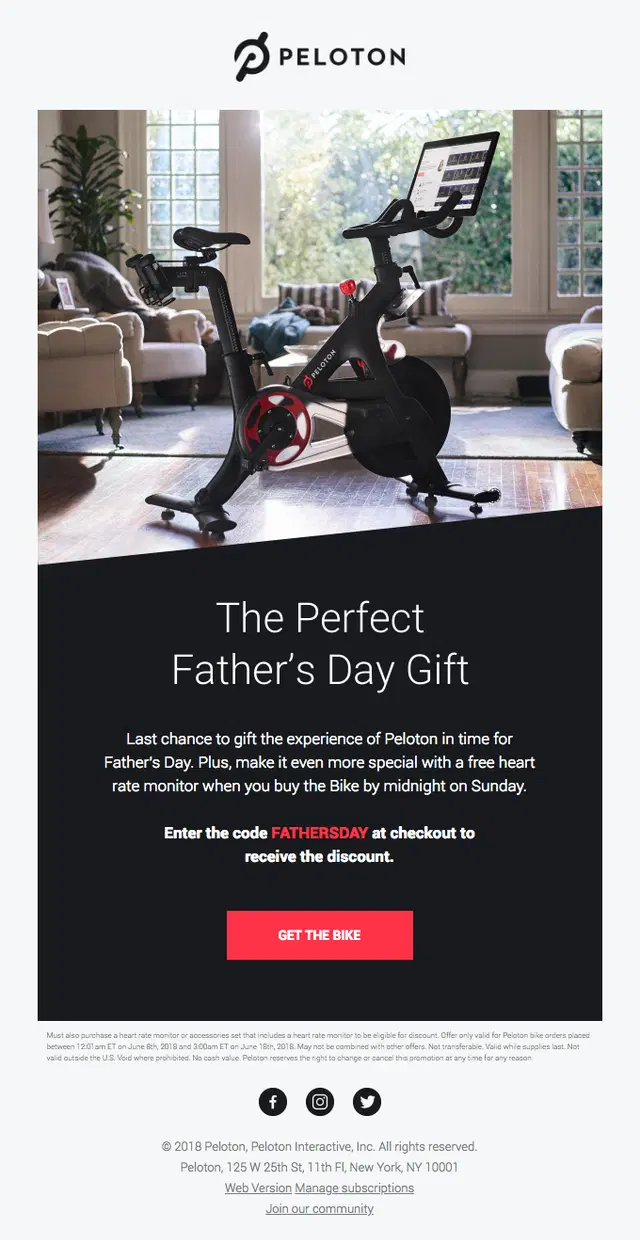
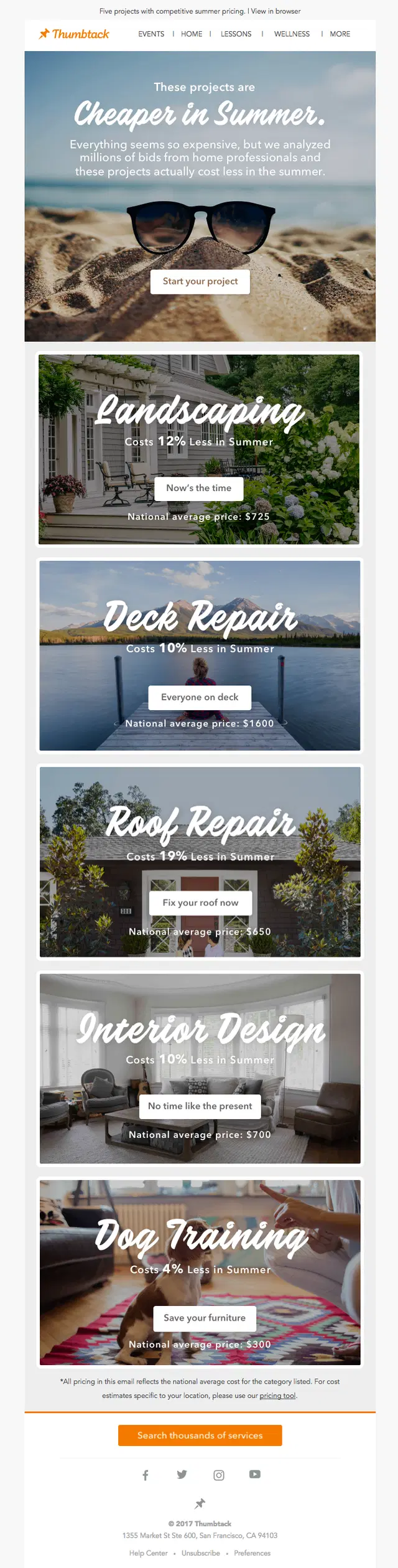
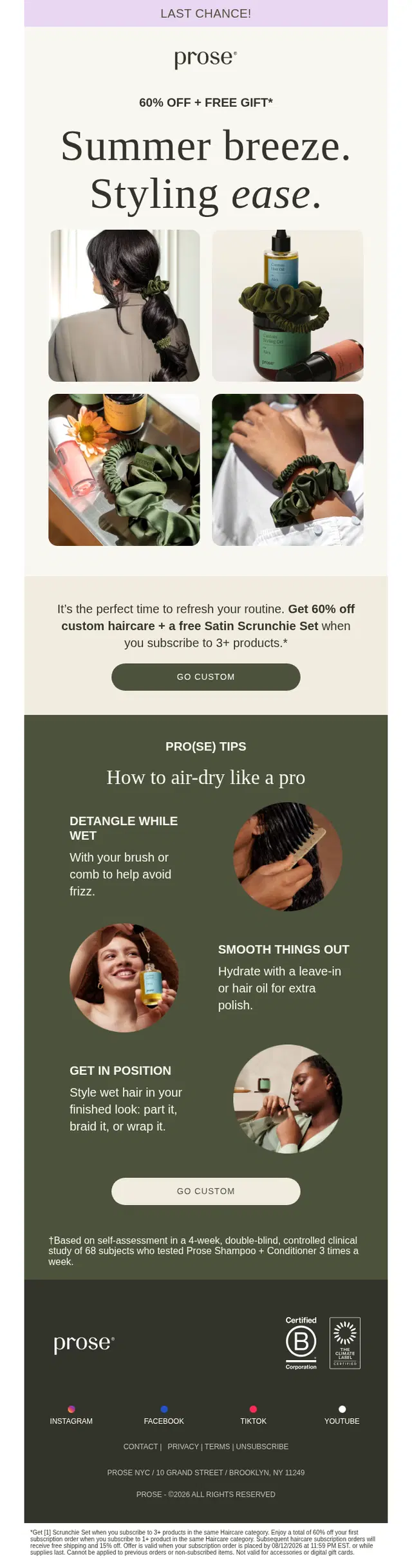
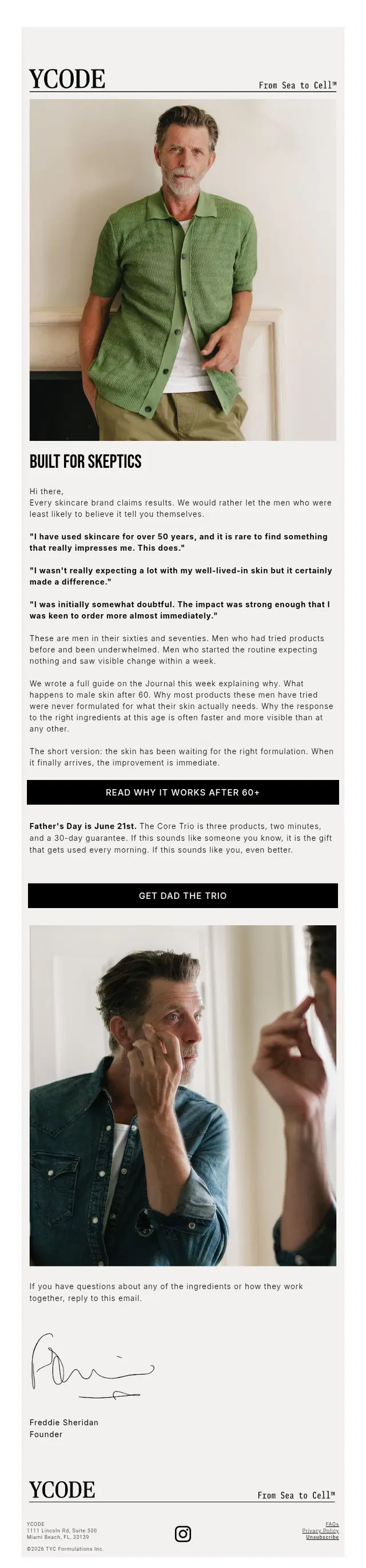
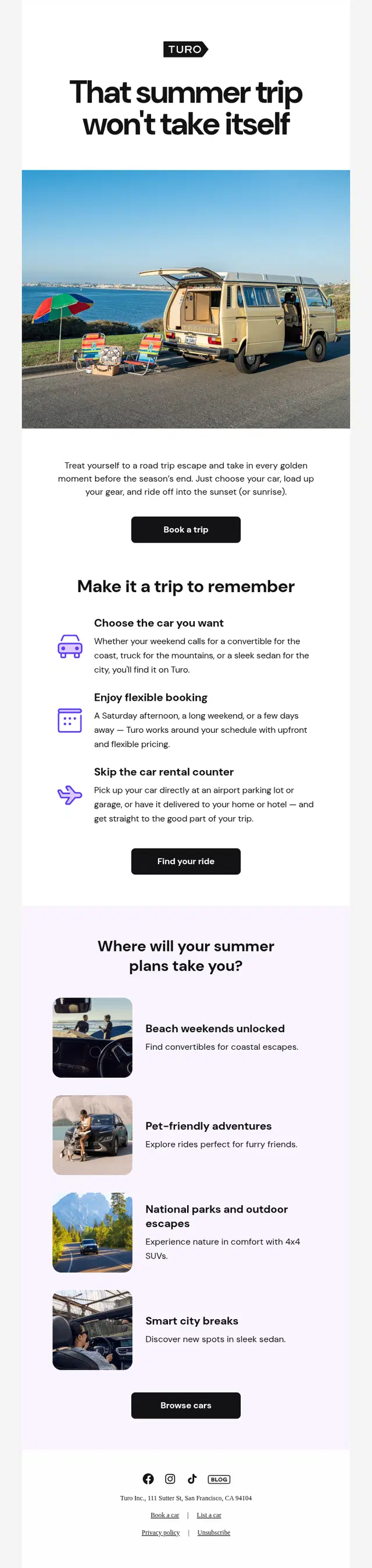
Black Friday may call for a strong deal and an even stronger deadline. Halloween gives brands room to play with the creative. Father’s Day can lean into gifting, while summer campaigns can promote anything from travel to outdoor dining. The strongest seasonal emails make the promotion feel connected to the moment rather than simply adding a holiday headline to an ordinary sale.



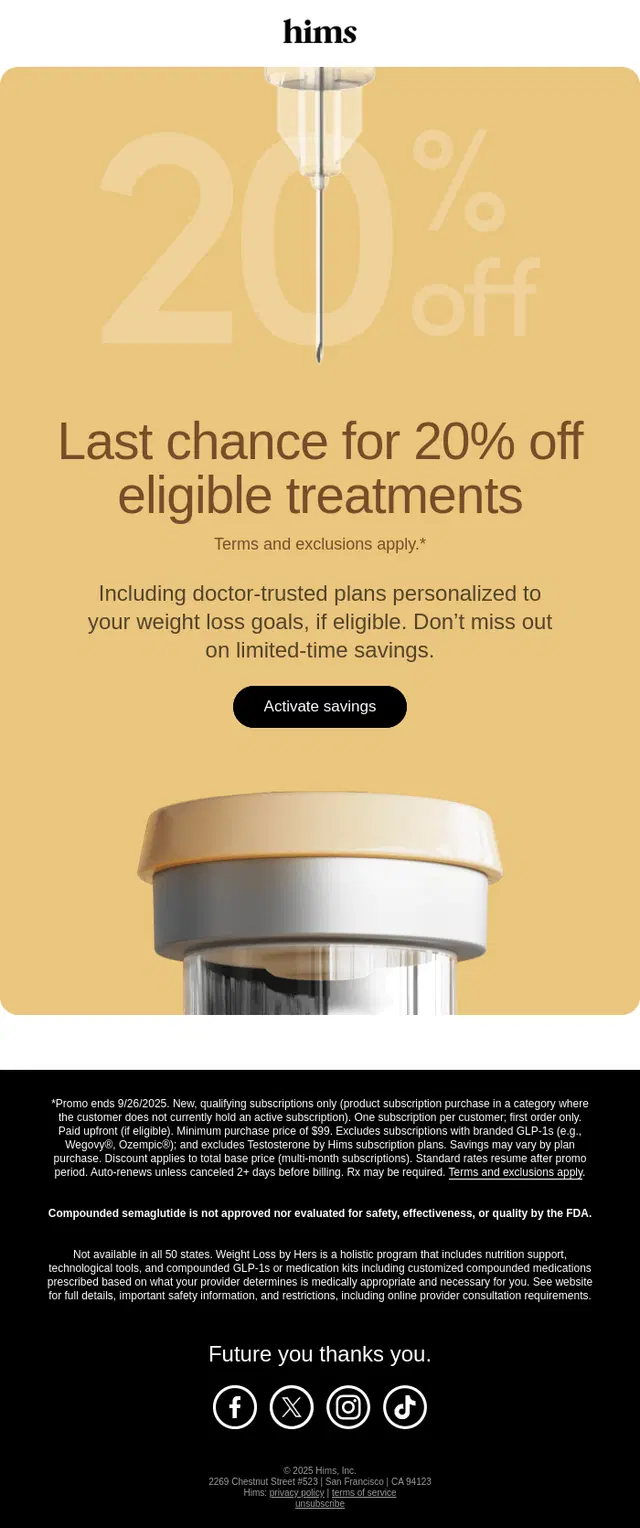
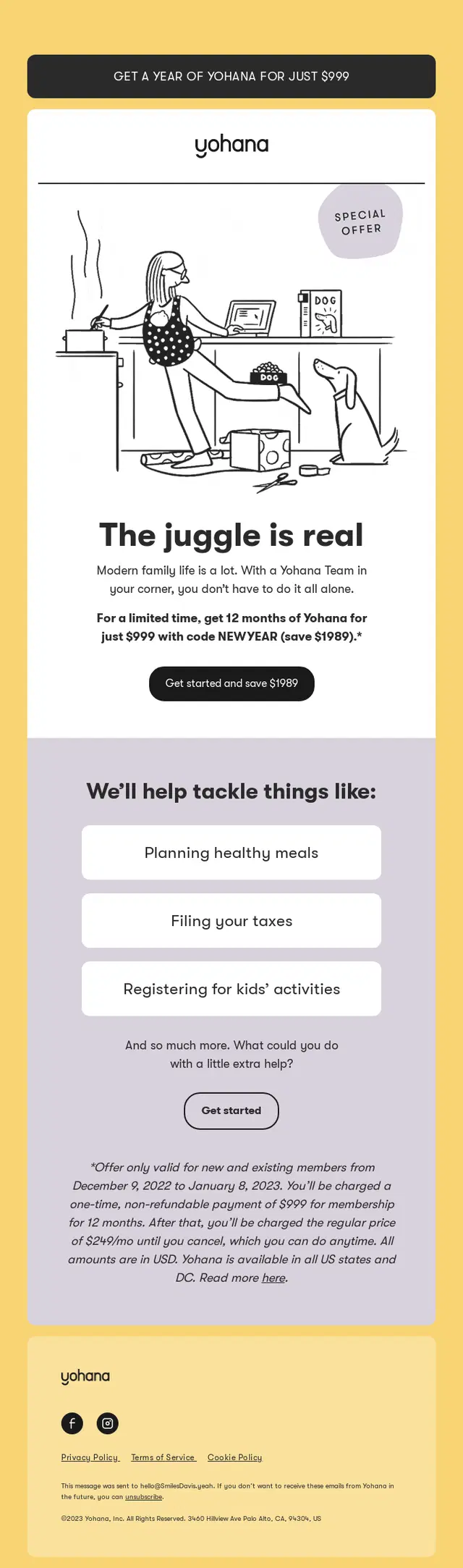
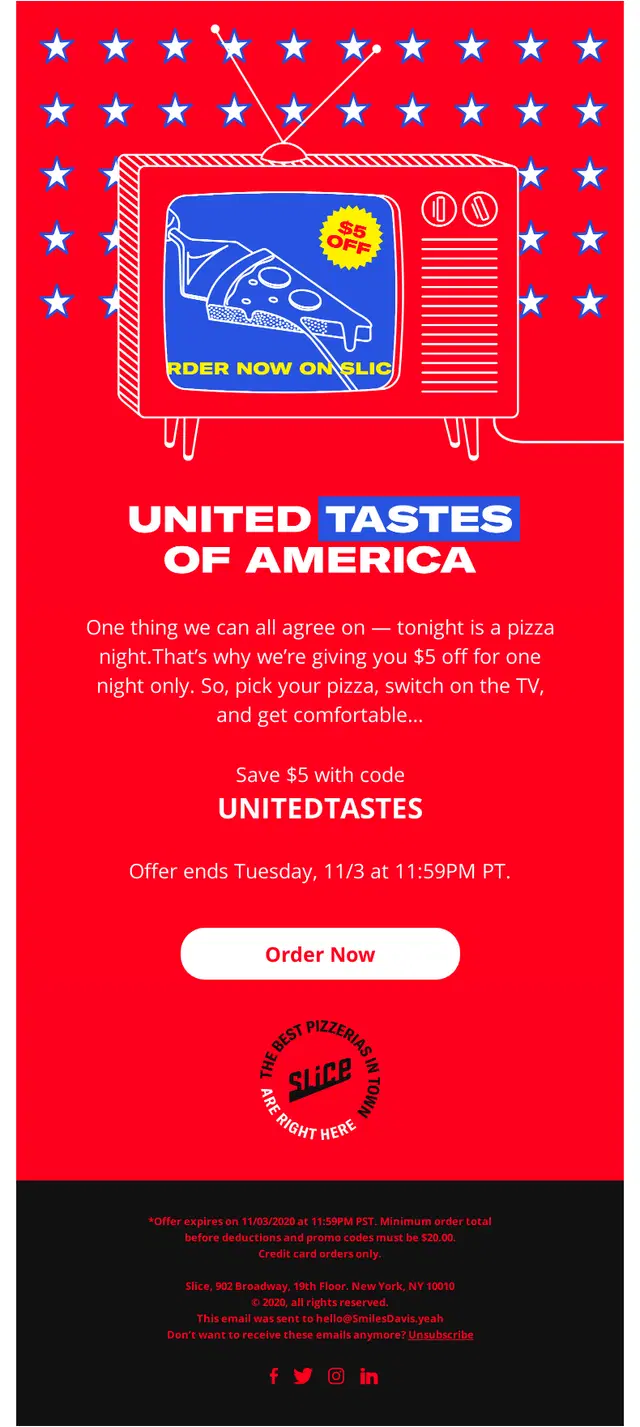
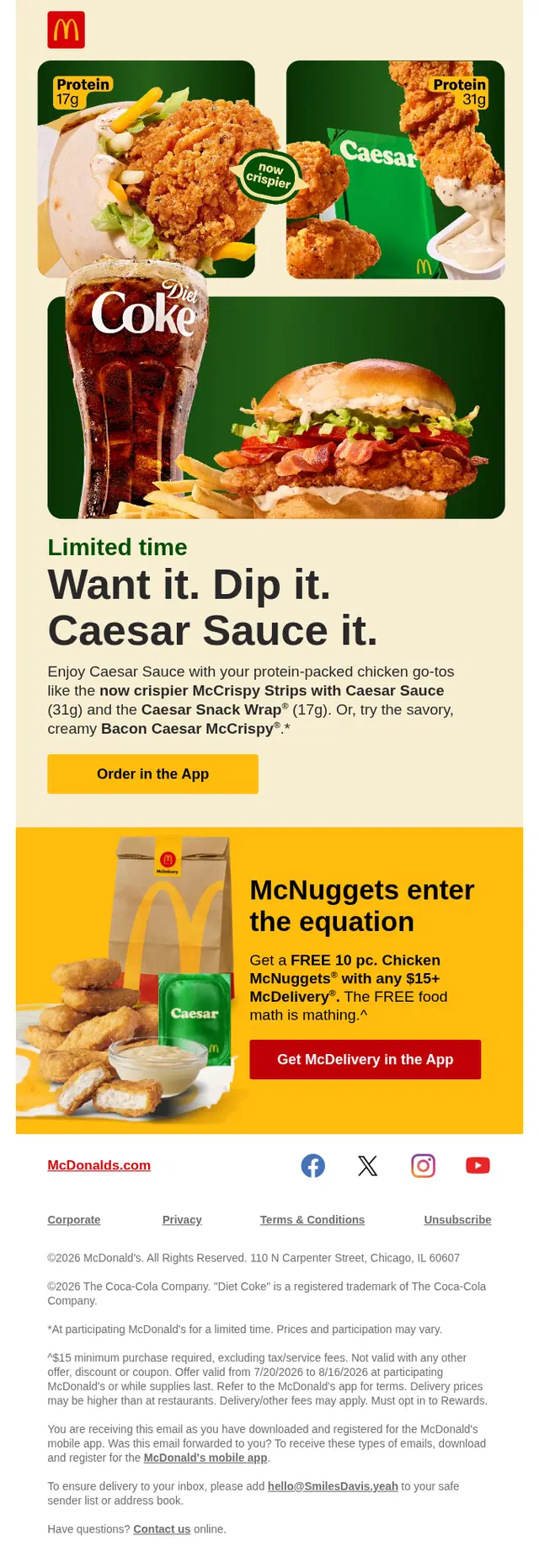
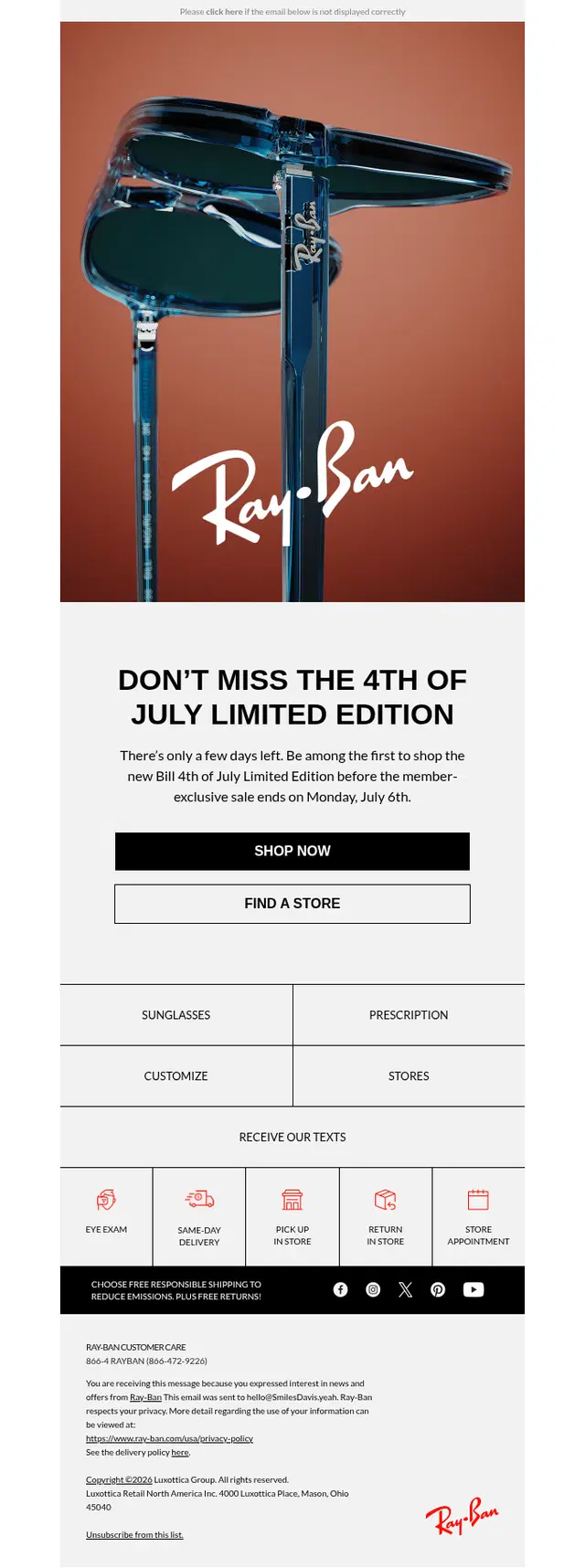
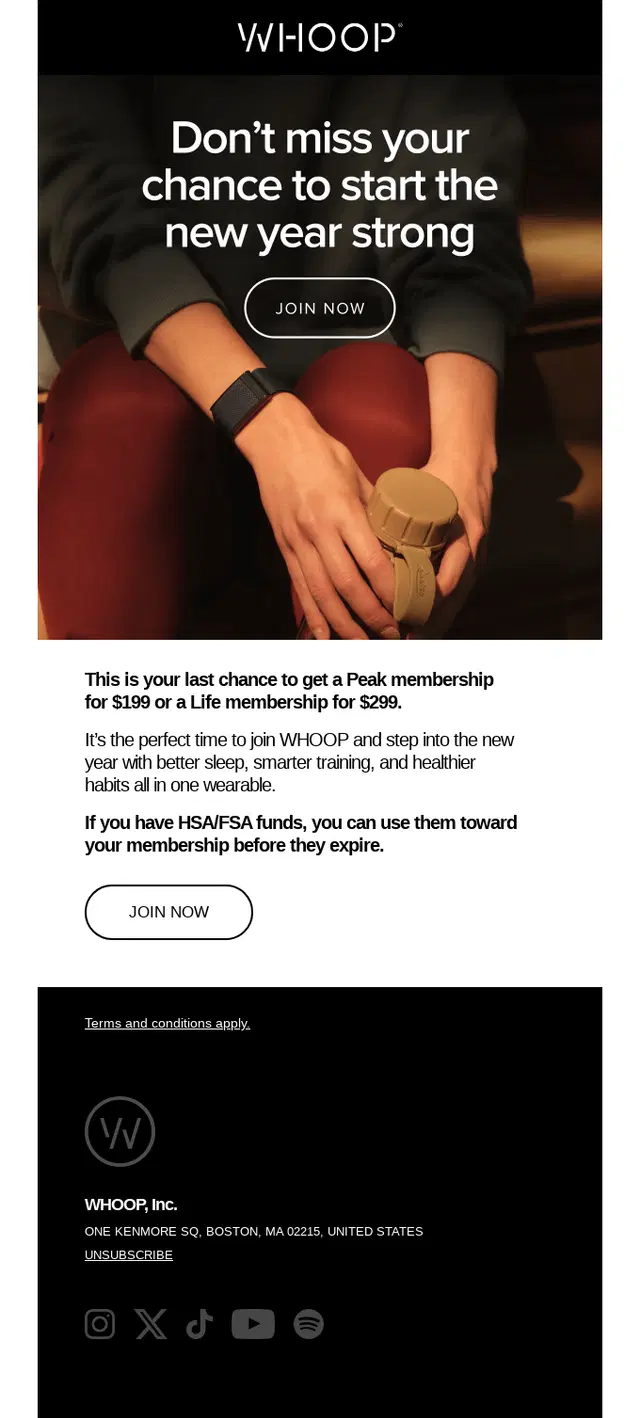
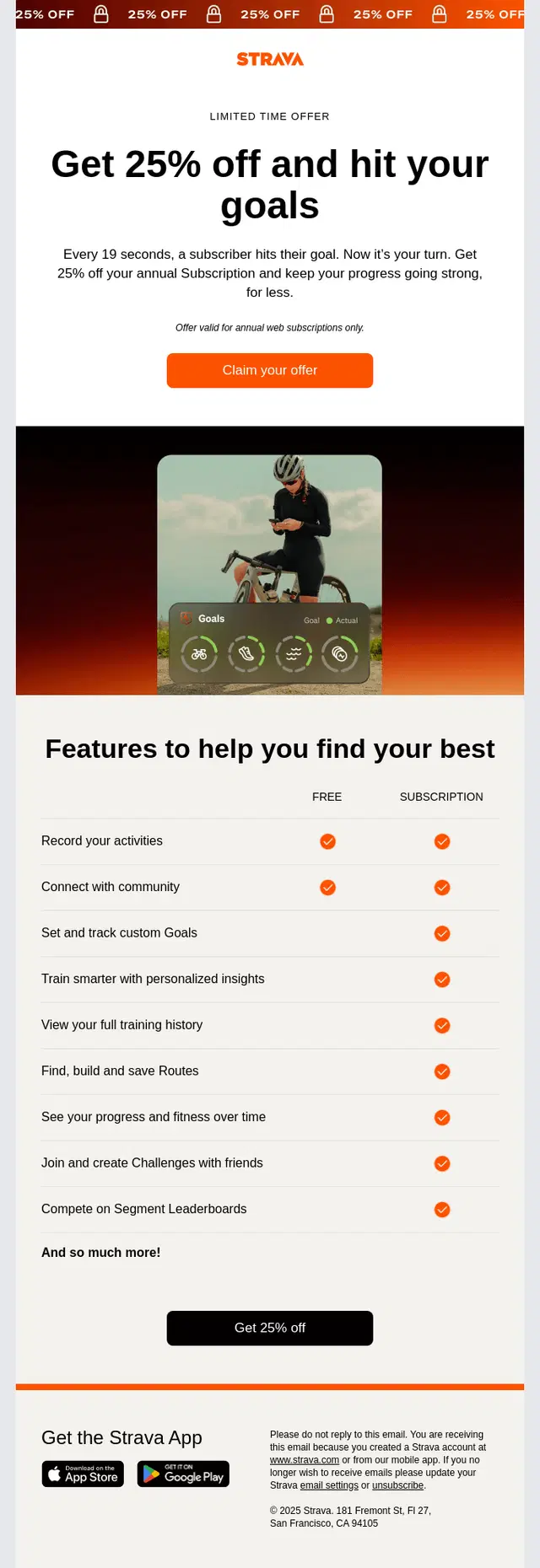
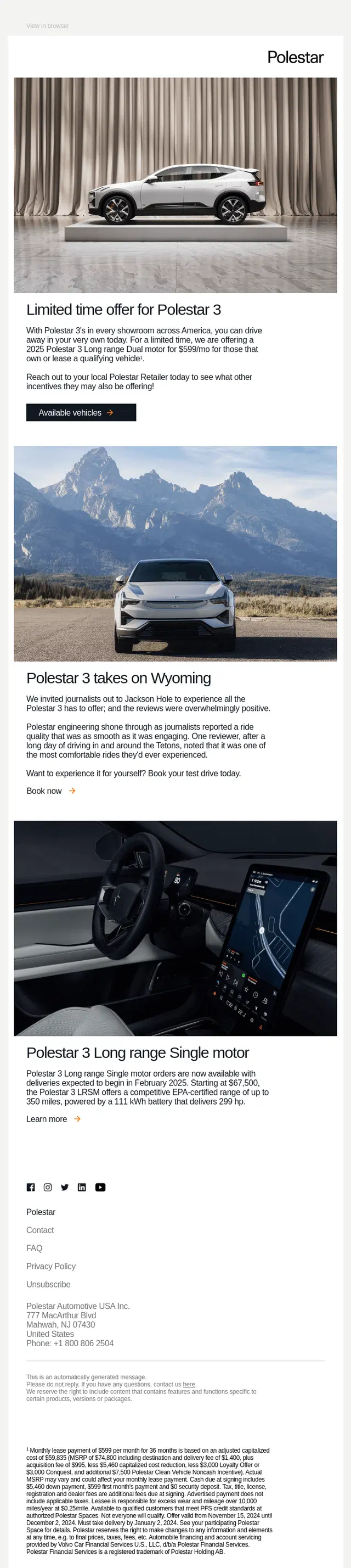
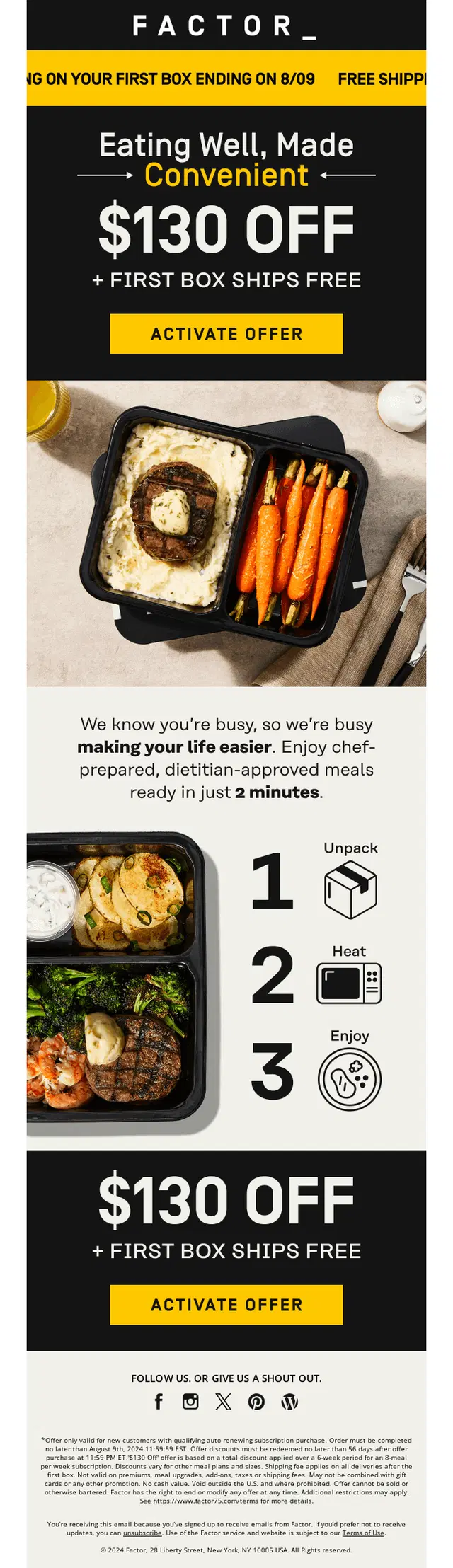
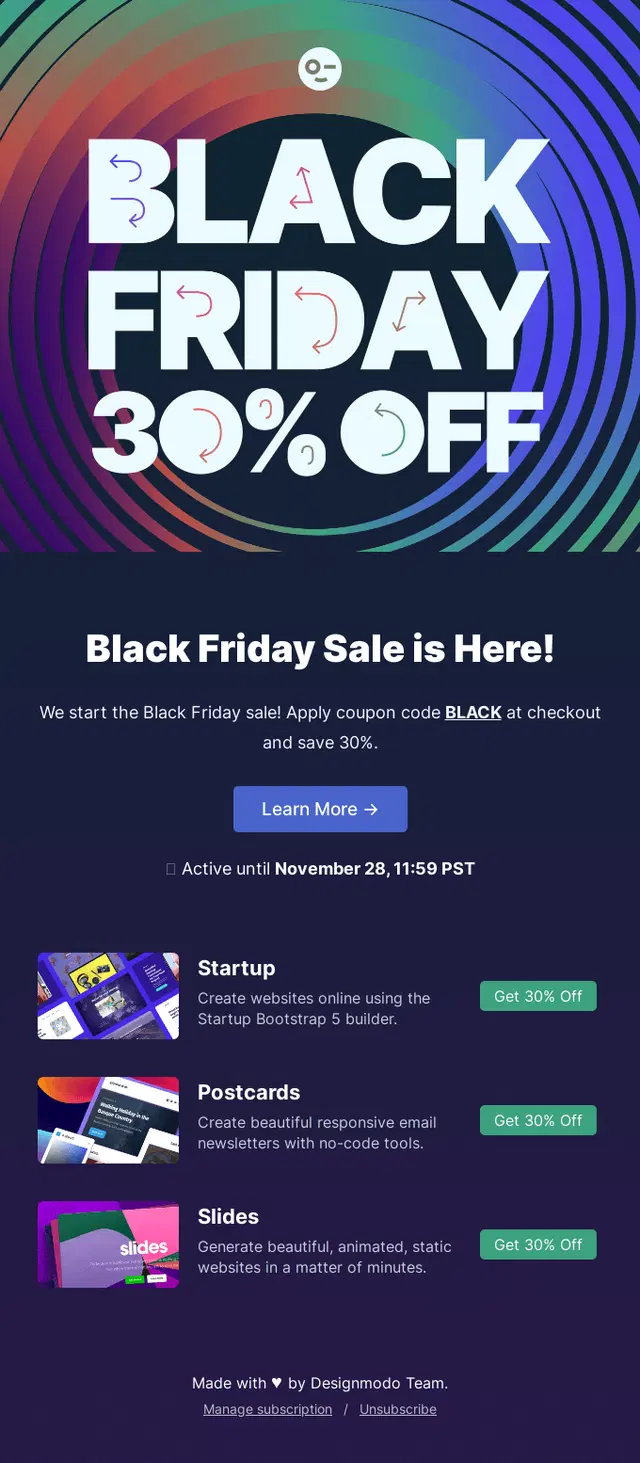
Limited-Time Offer and Flash Sale Promotional Emails
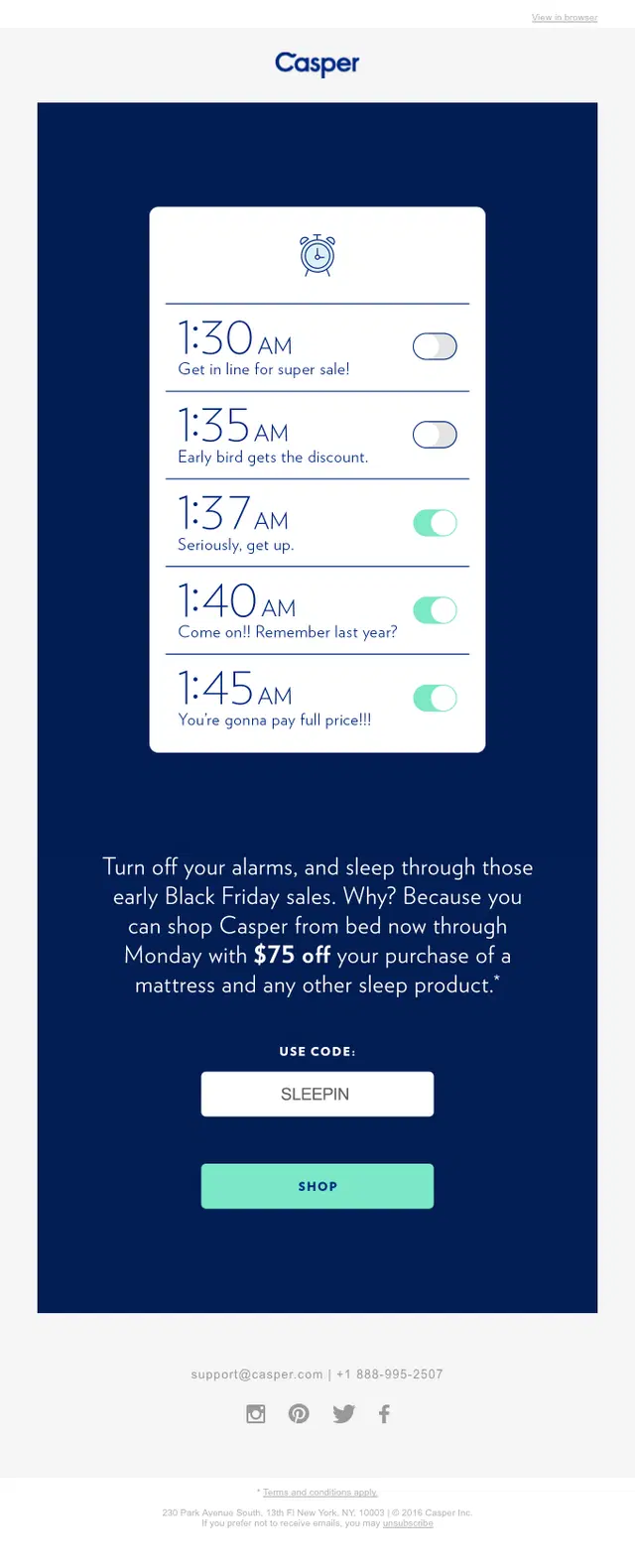
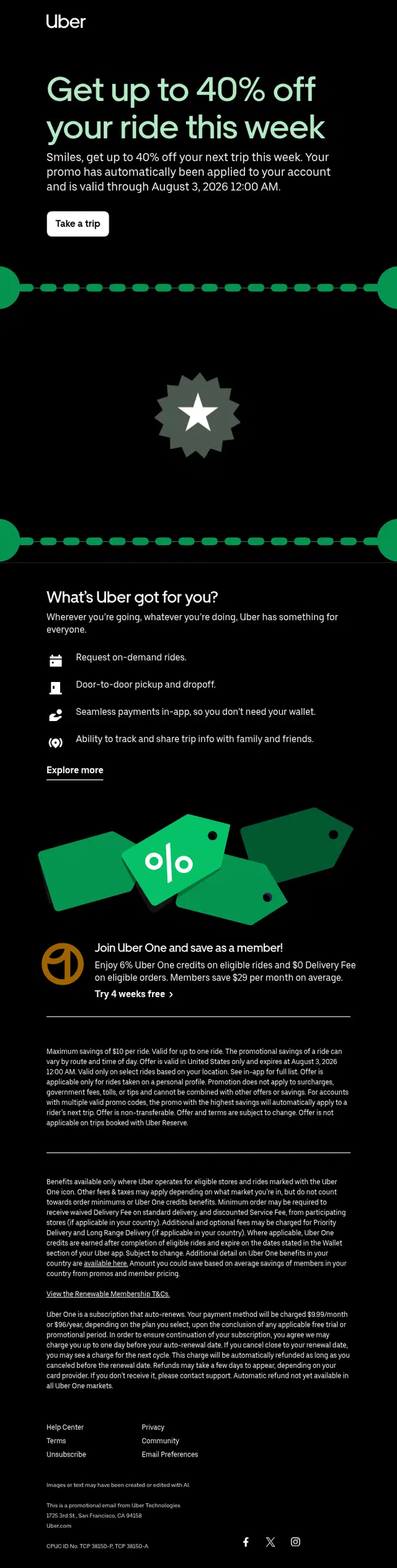
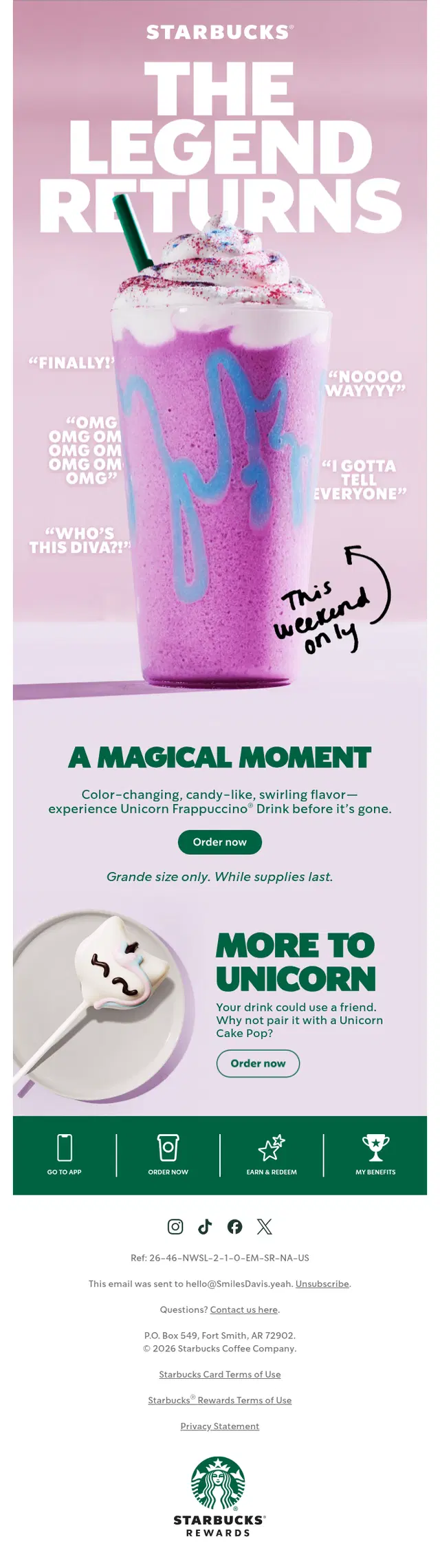
Urgency works best when there is something genuinely urgent.
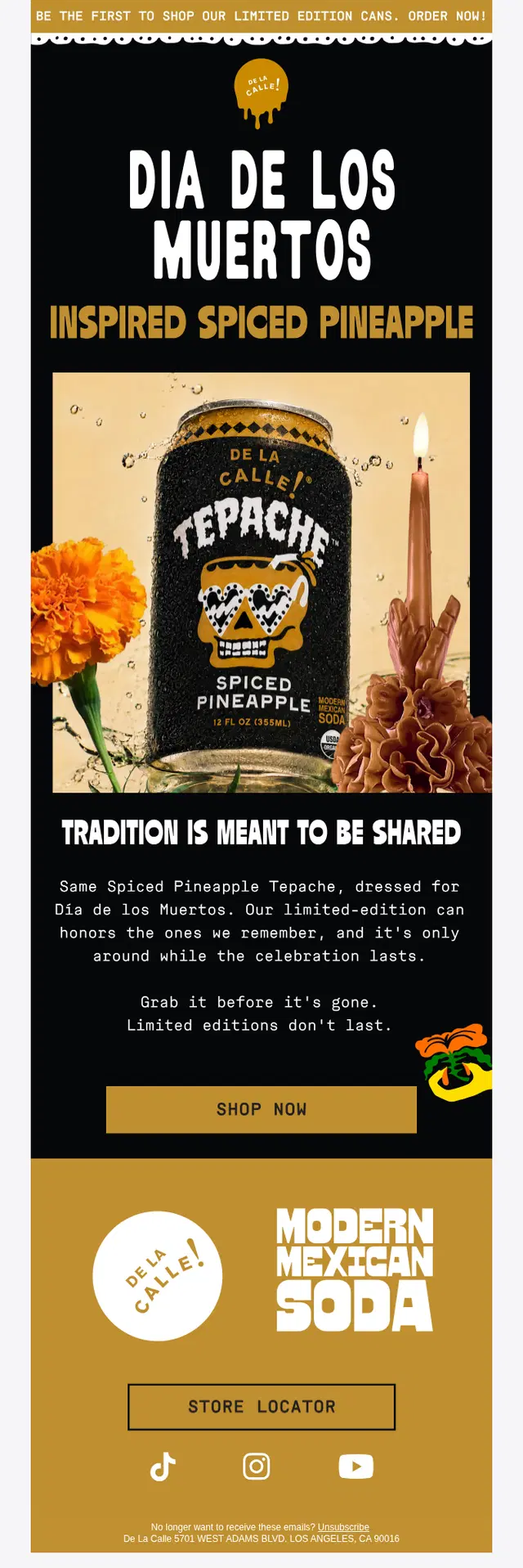
A flash sale ending at midnight, a weekend-only offer, a limited-edition release, or a promotion available while stock lasts gives the reader a real decision to make. These emails tend to get simpler as the deadline gets closer. The offer becomes more prominent, supporting copy gets shorter, and the CTA has less competition.


Event and Announcement Promotional Email Examples
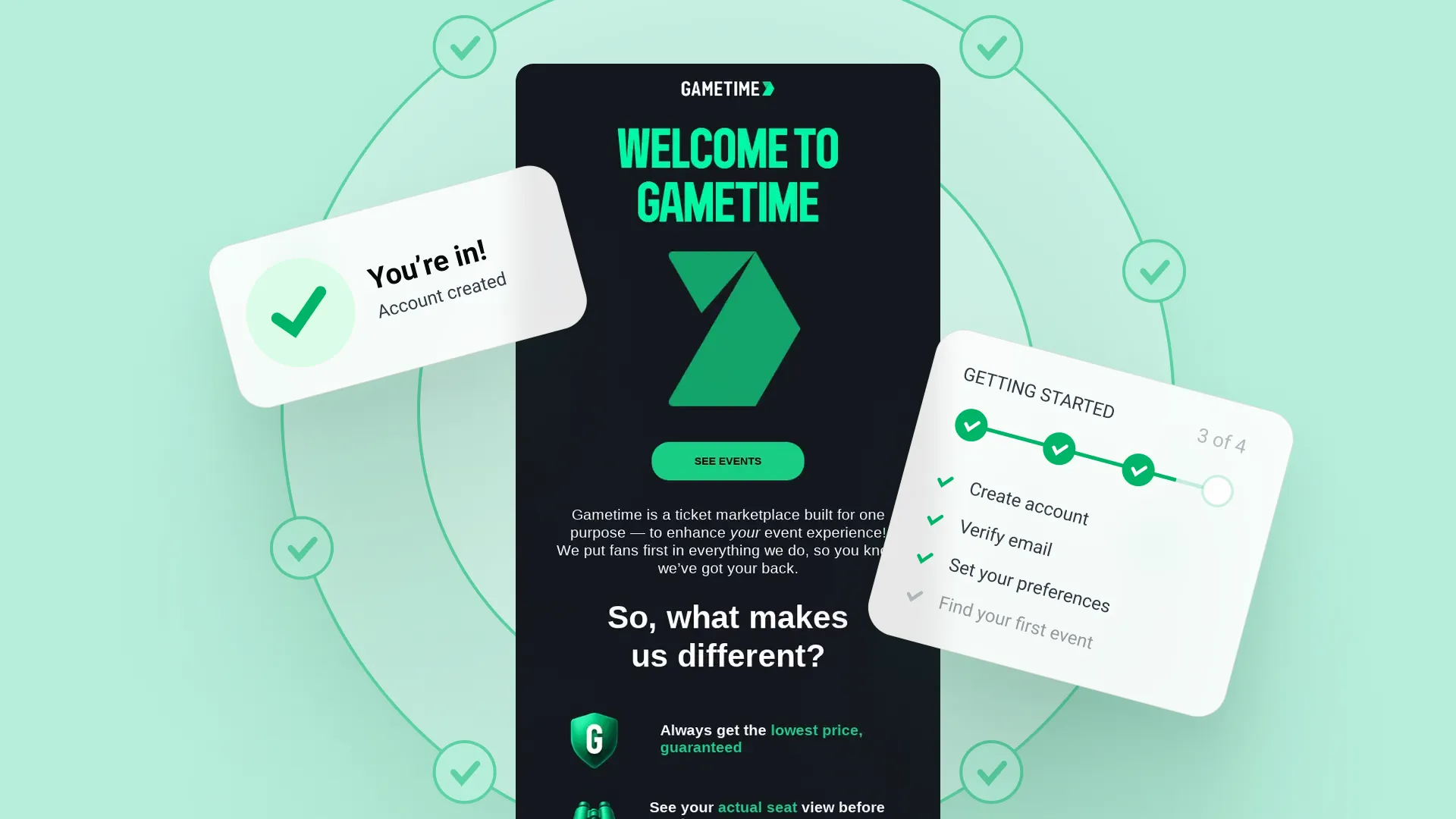
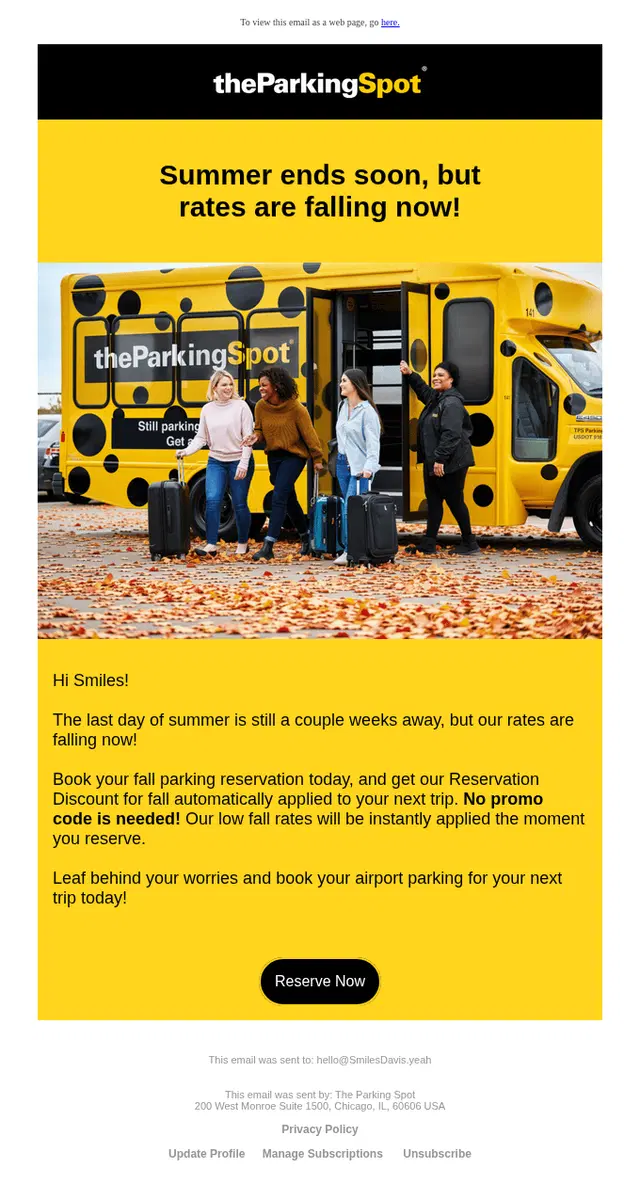
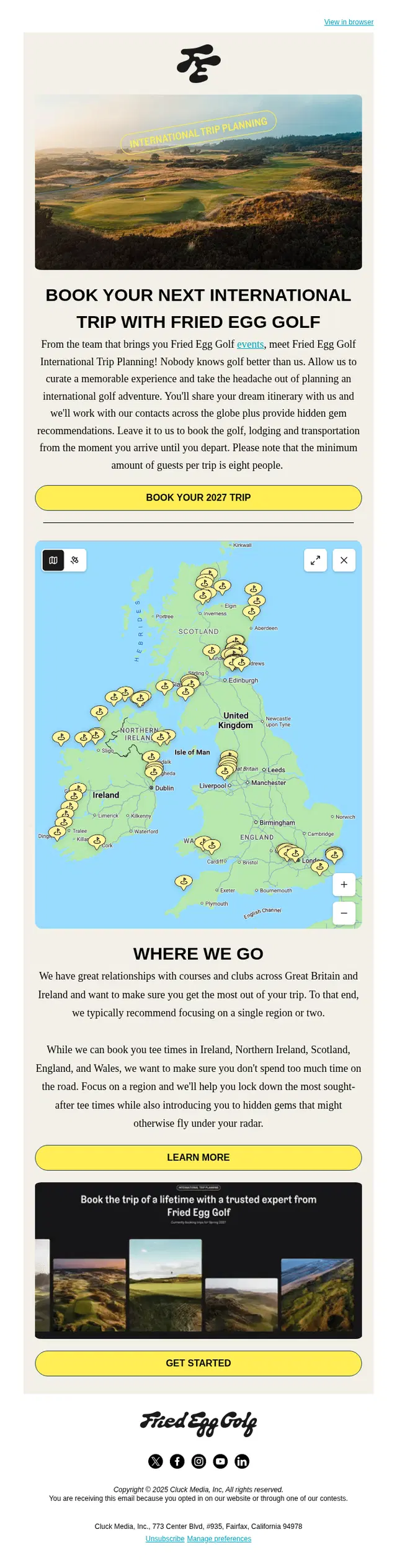
Not every promotional email needs to lead to a product page.
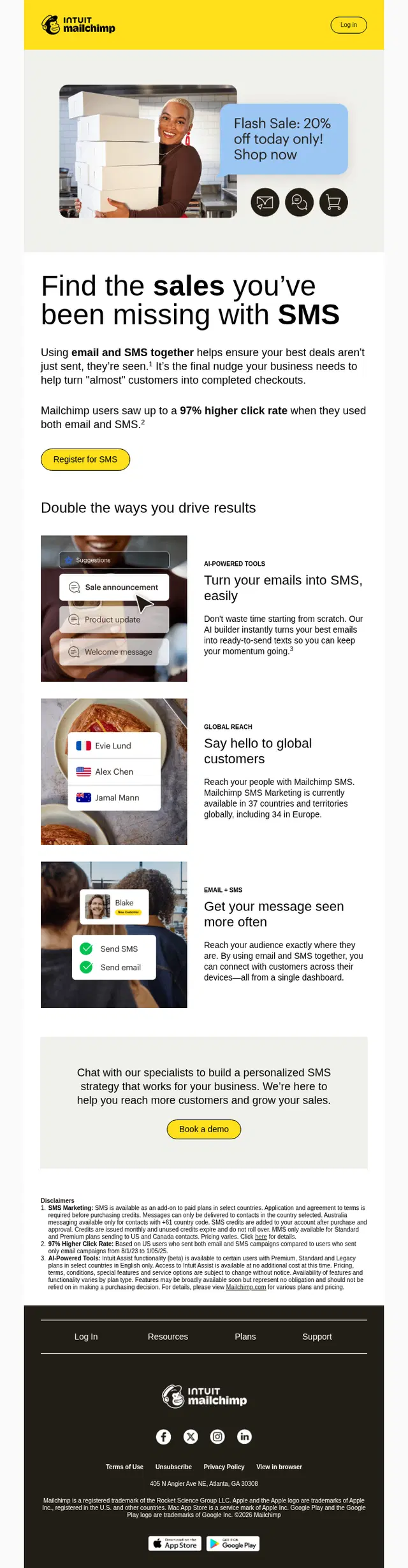
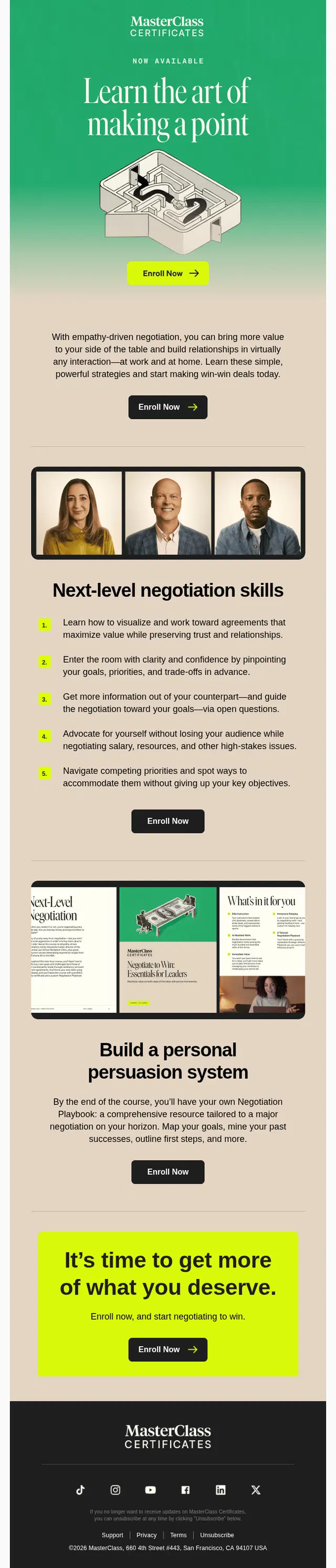
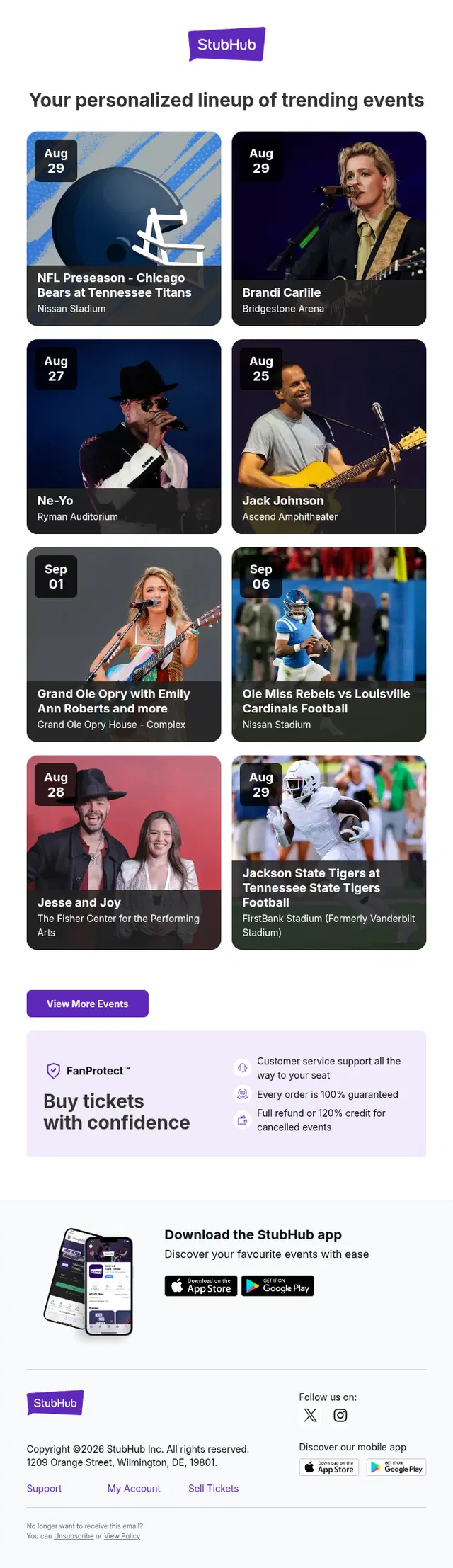
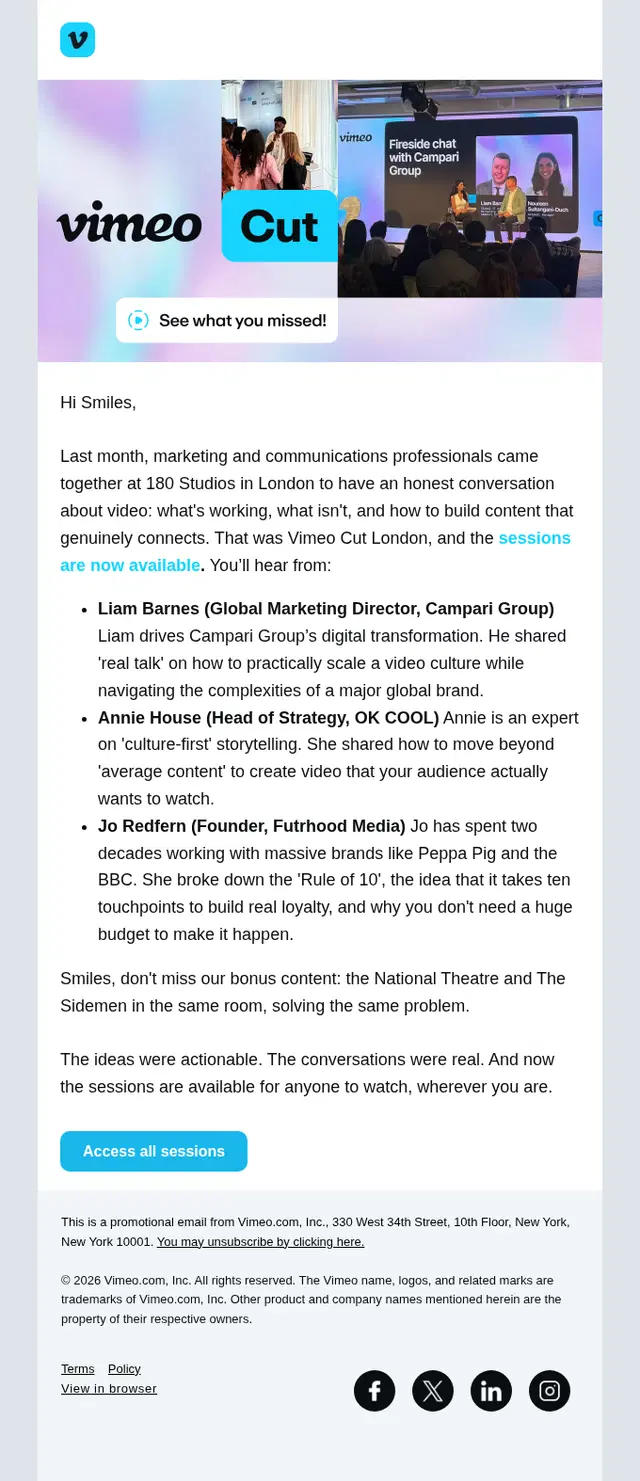
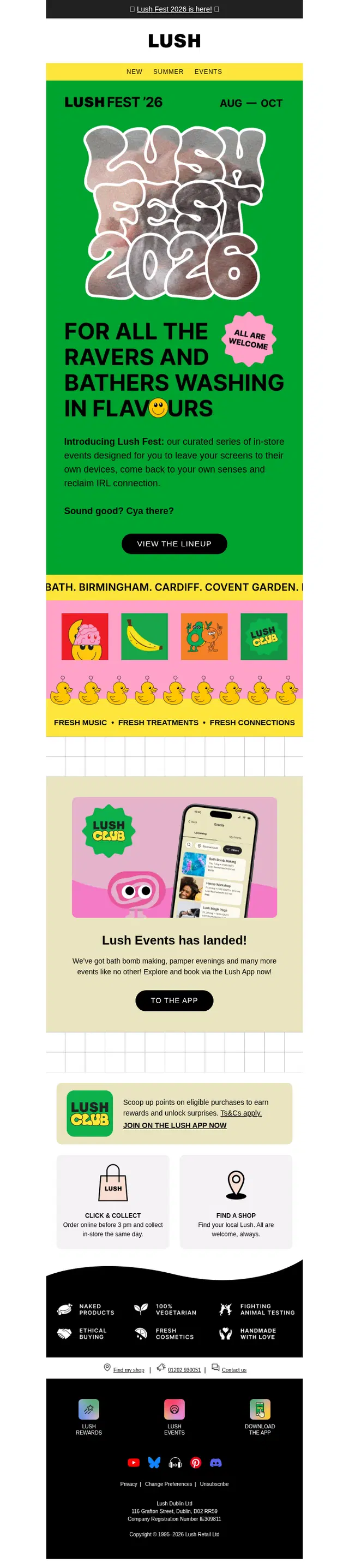
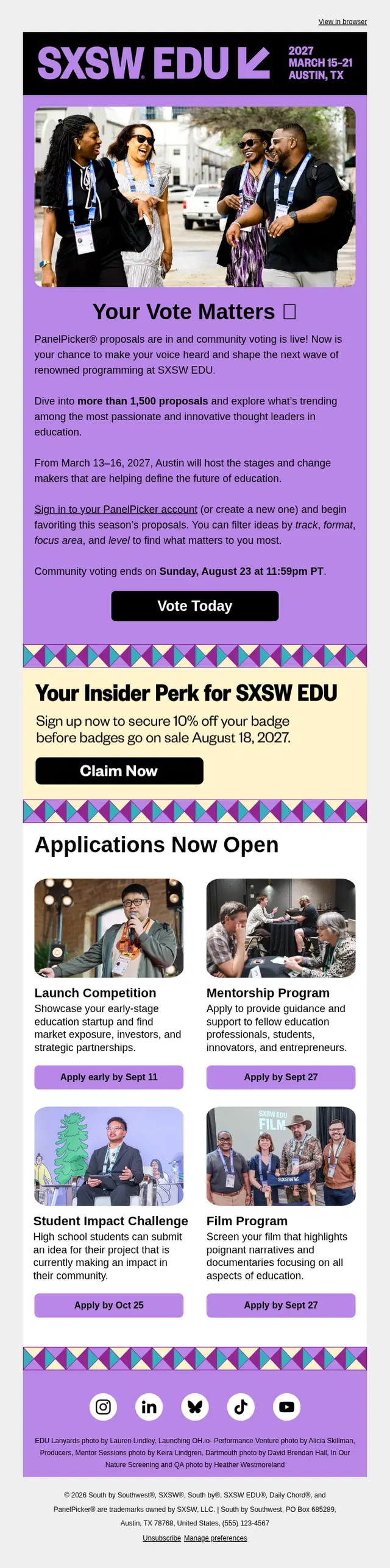
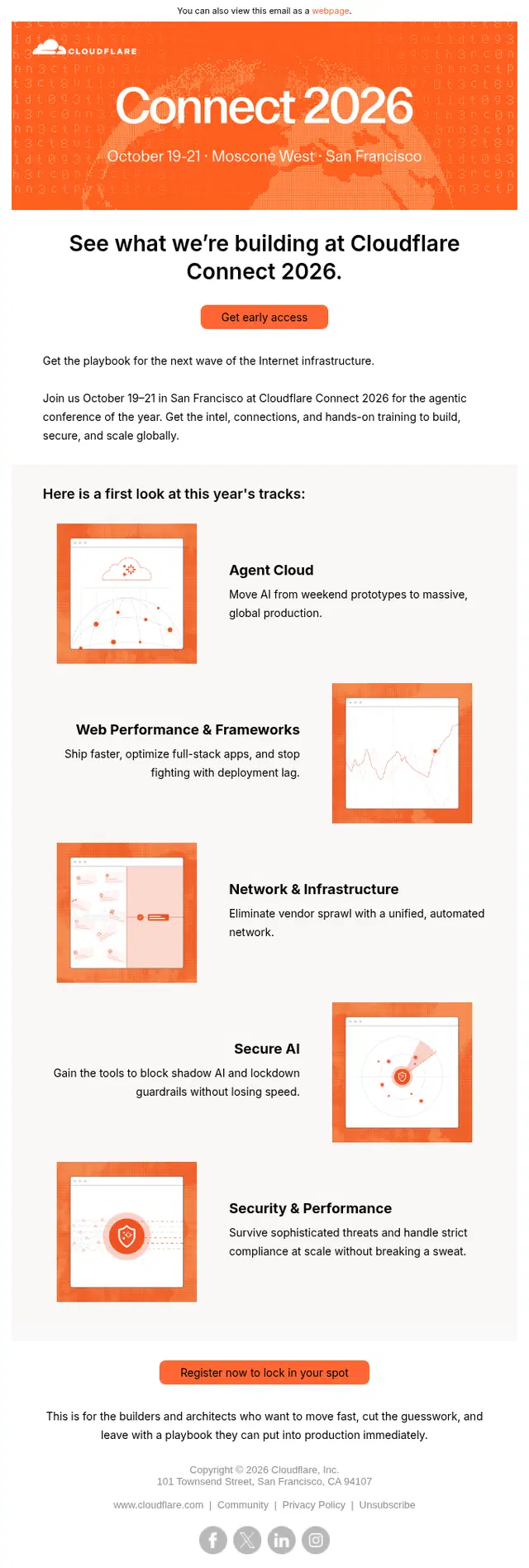
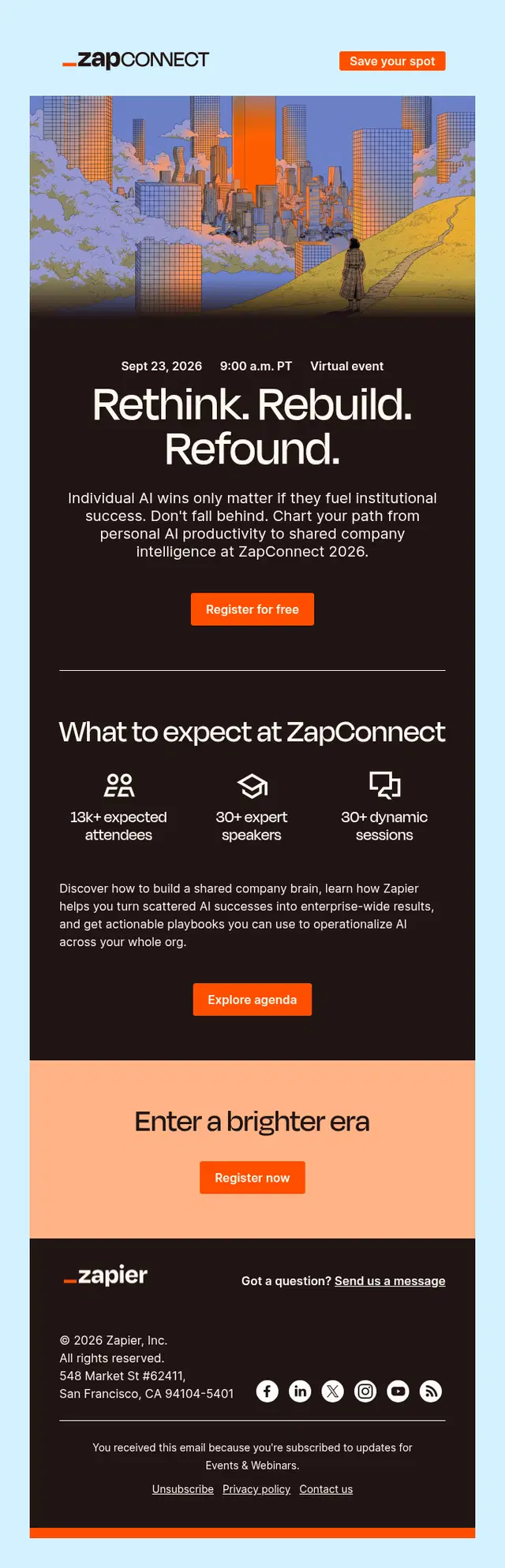
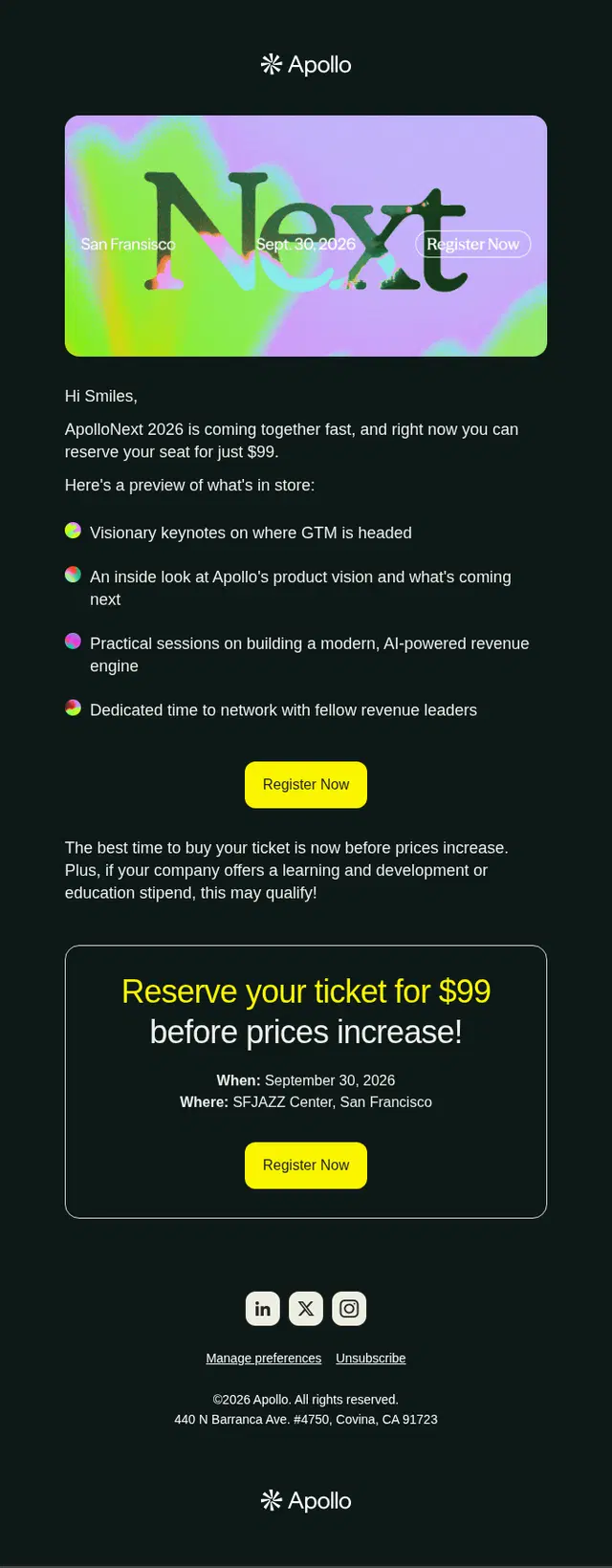
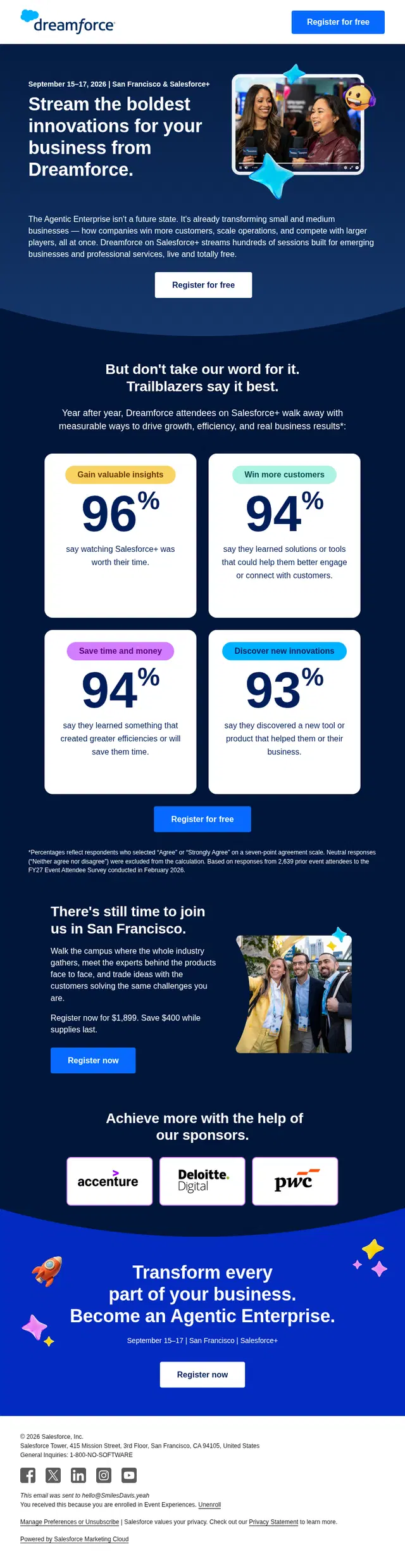
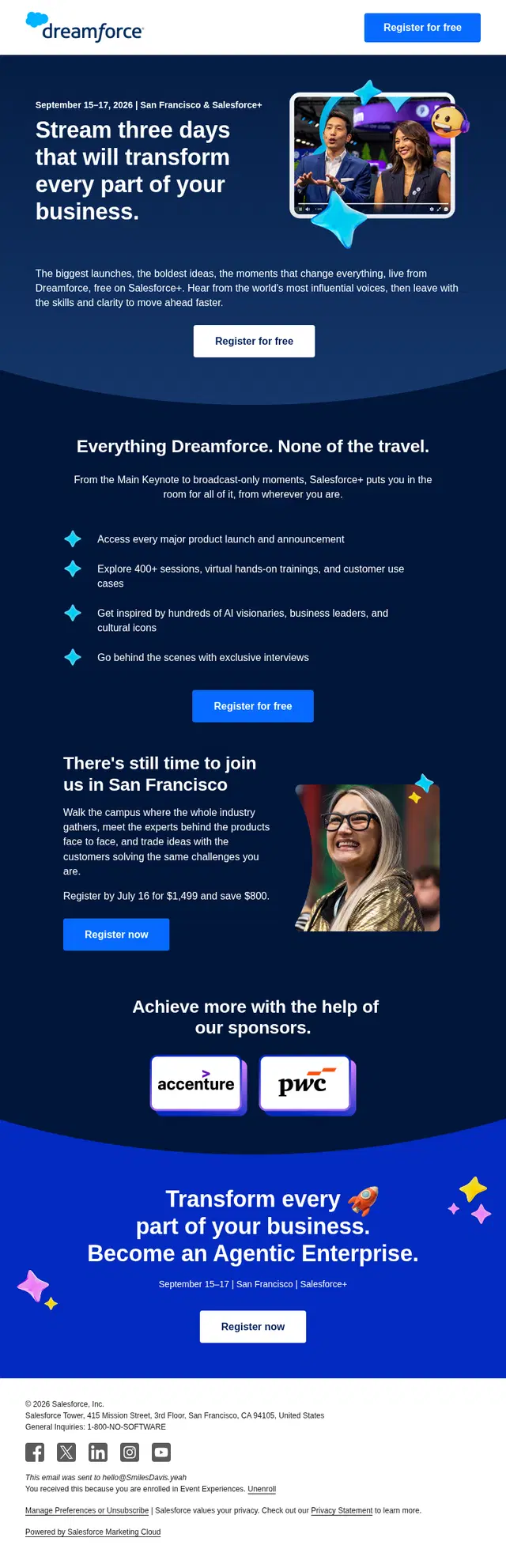
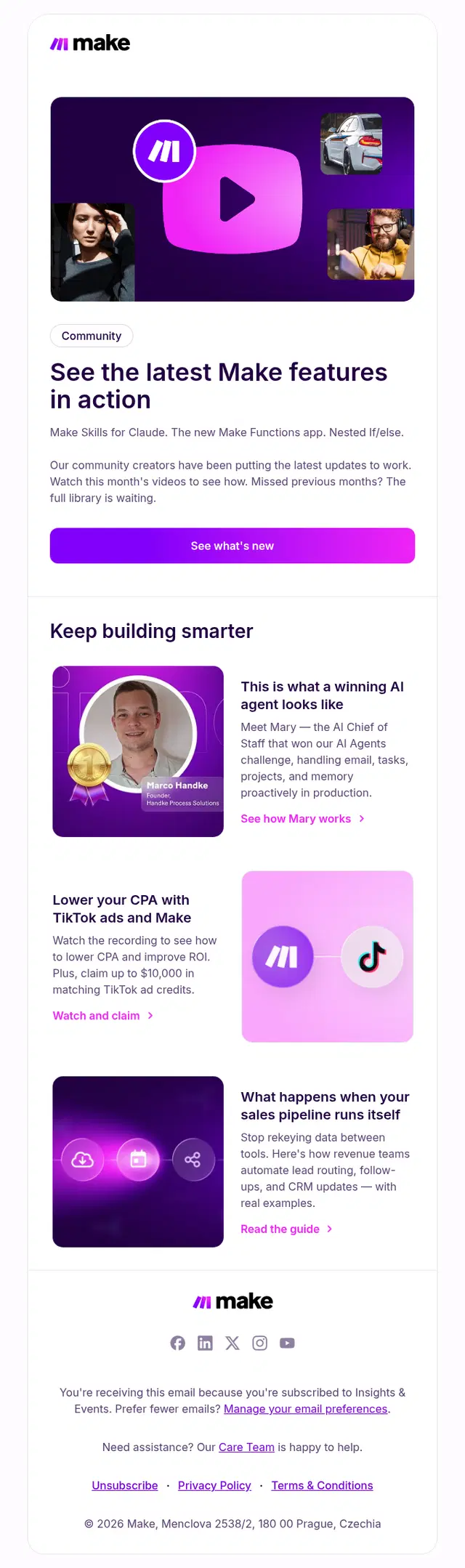
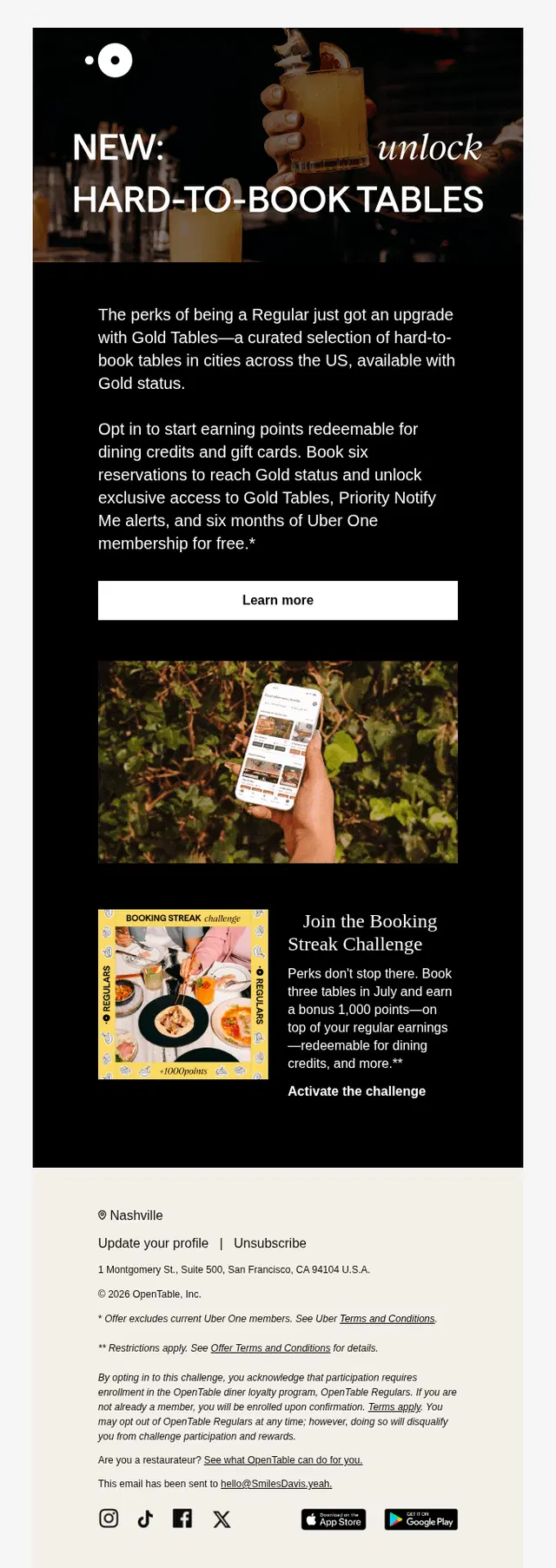
Brands also use email to fill conferences, launch services, announce collaborations, introduce new features, promote webinars, open new locations, and bring online audiences into real-world events. These examples show how an announcement can still have a clear promotional goal without feeling like a traditional sales email.



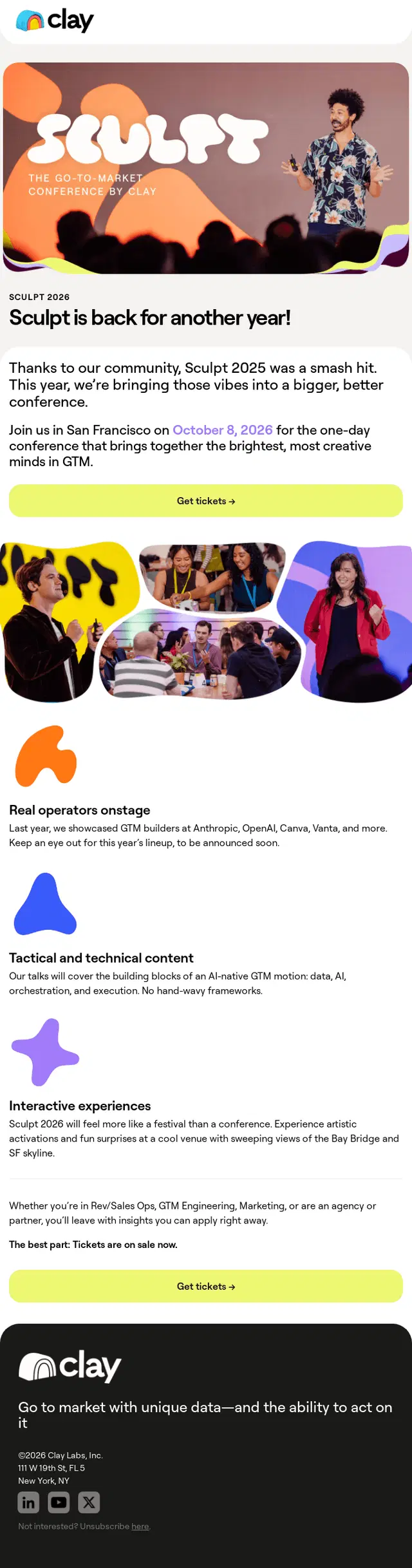
B2B and Business Promotional Email Examples
B2B promotional emails usually have a little more explaining to do.
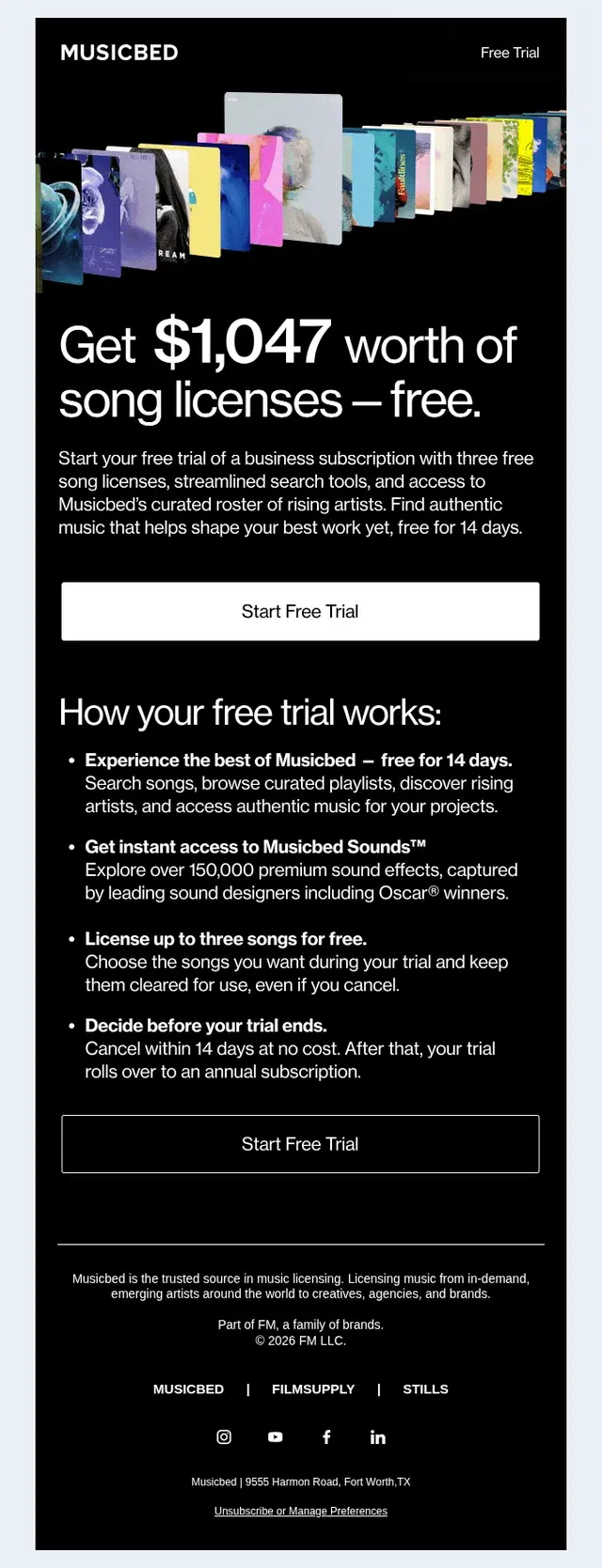
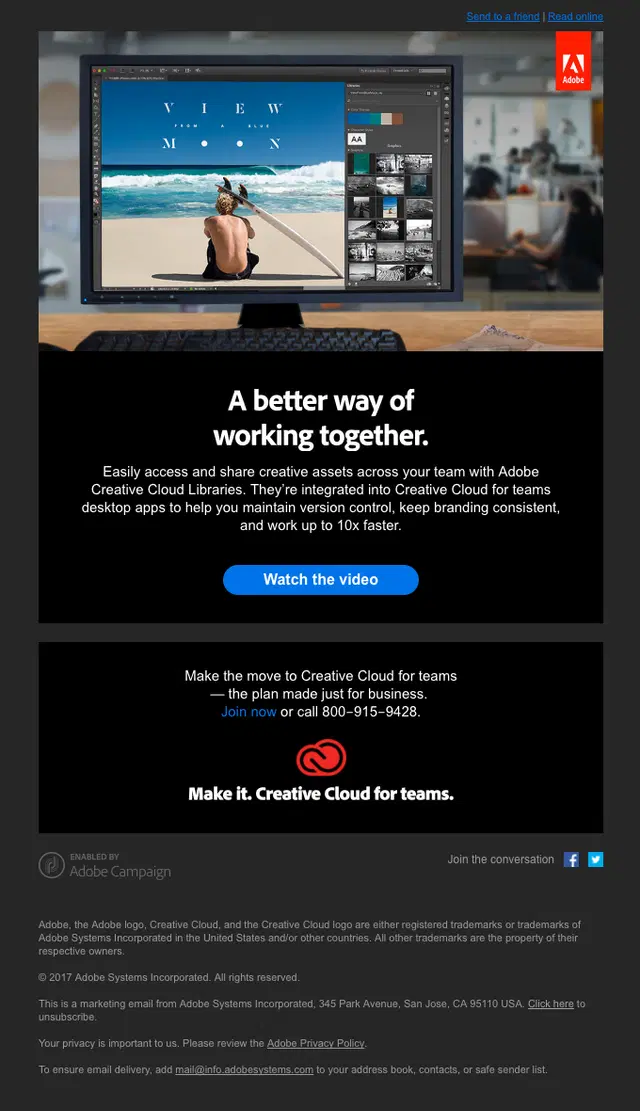
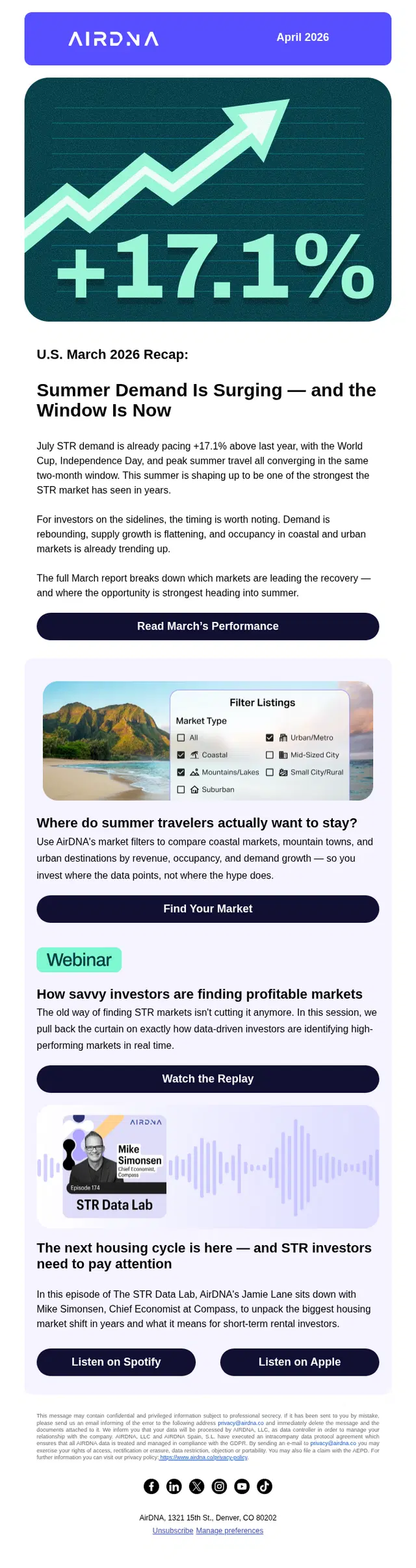
A software upgrade, business subscription, free trial, financial product, conference ticket, or professional service often involves a larger commitment than an impulse ecommerce purchase. The strongest B2B examples make the value concrete. They show what gets easier, faster, cheaper, or more useful instead of falling back on vague promises about growth.
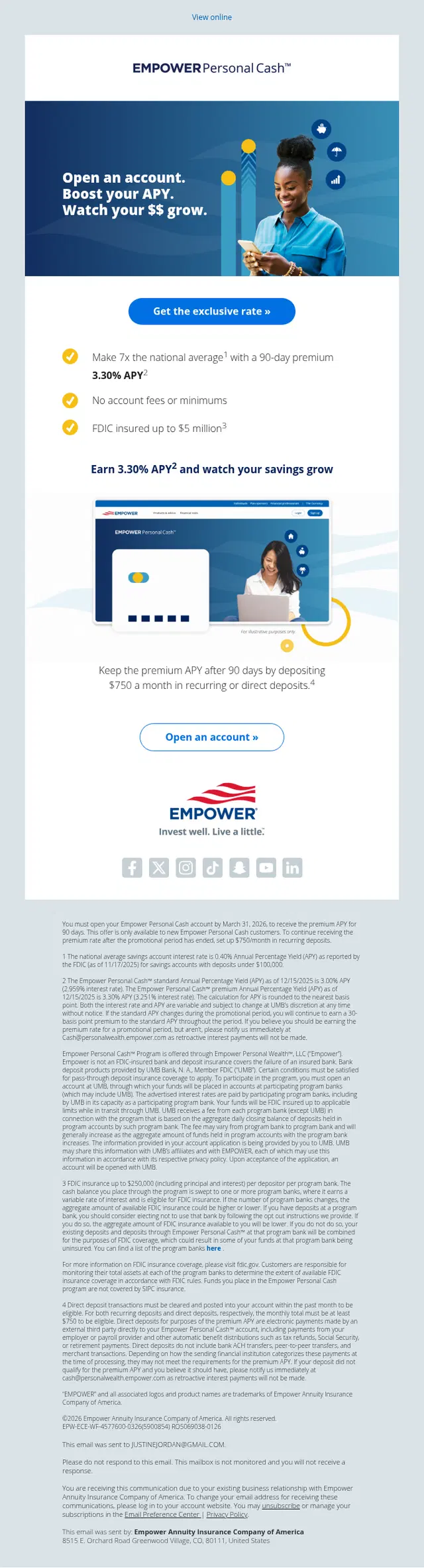
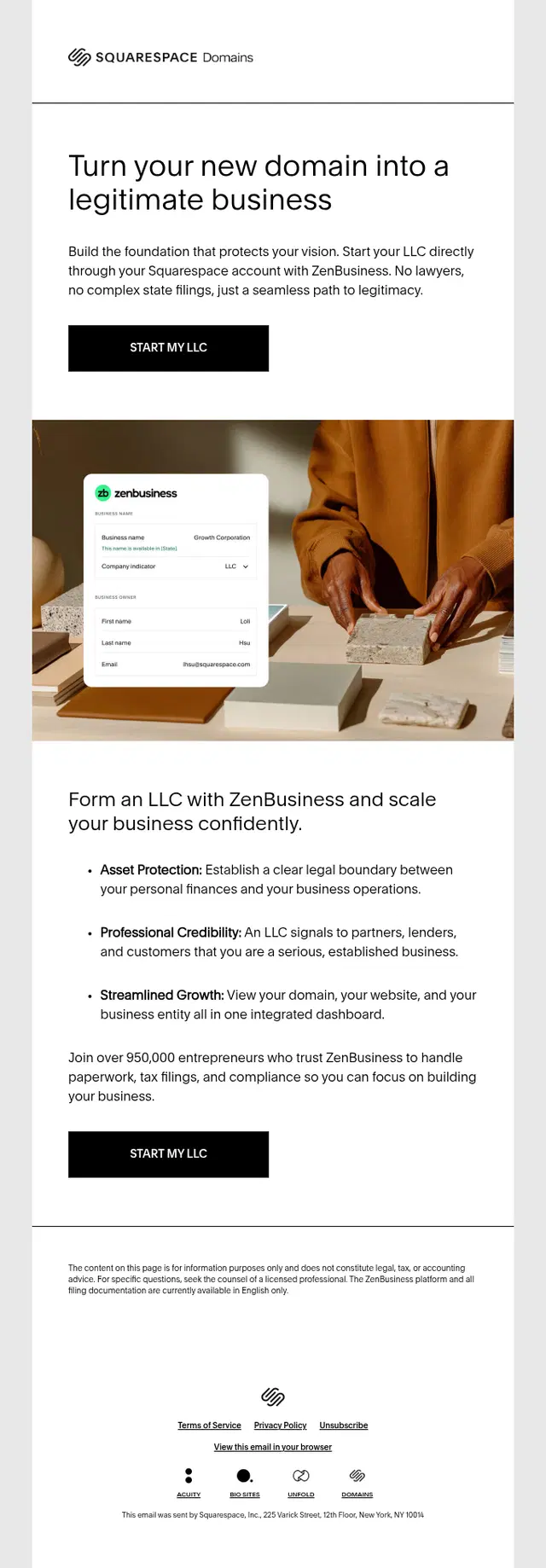

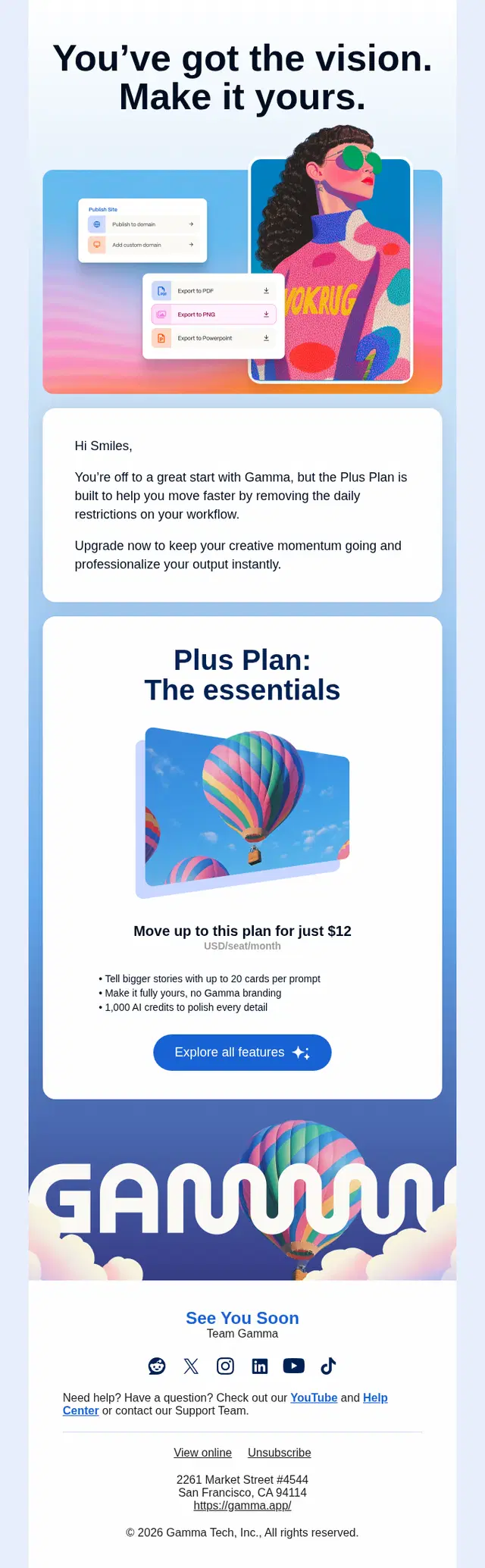



No-Discount Promotional Email Examples
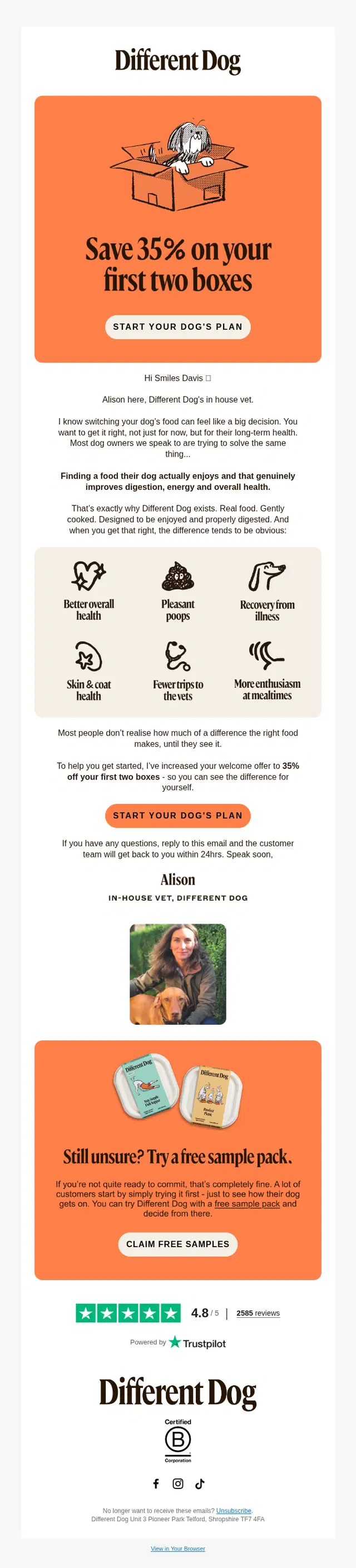
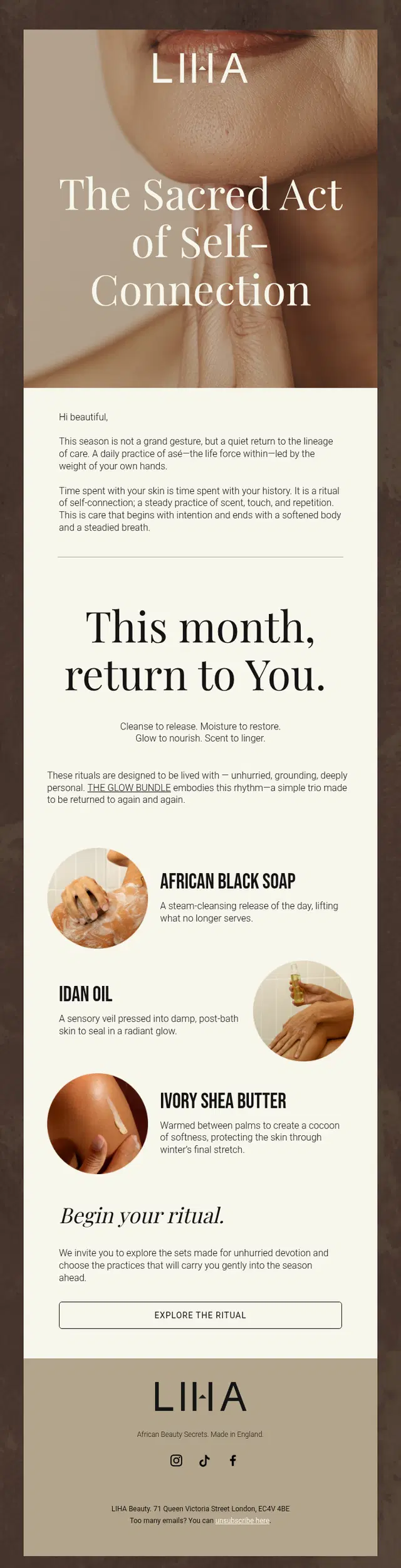
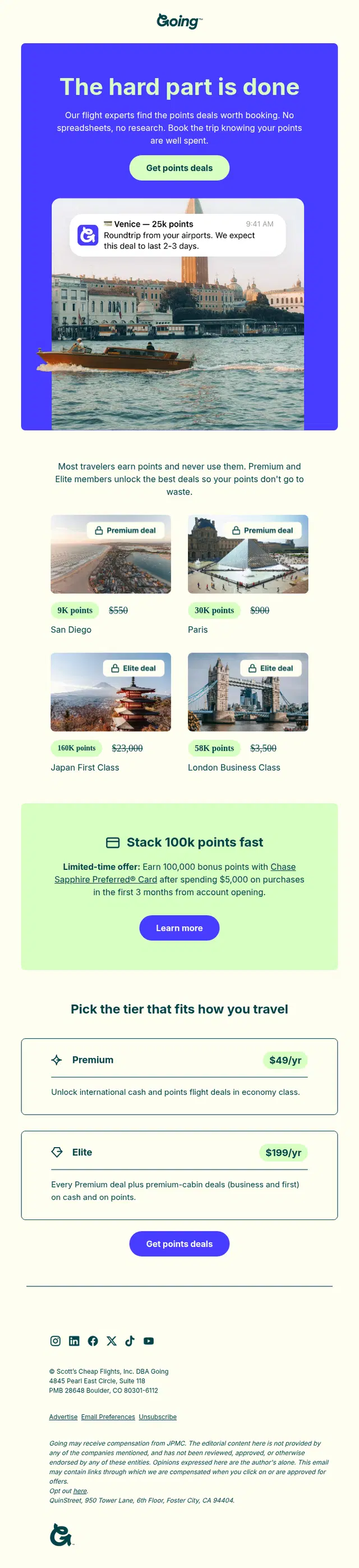
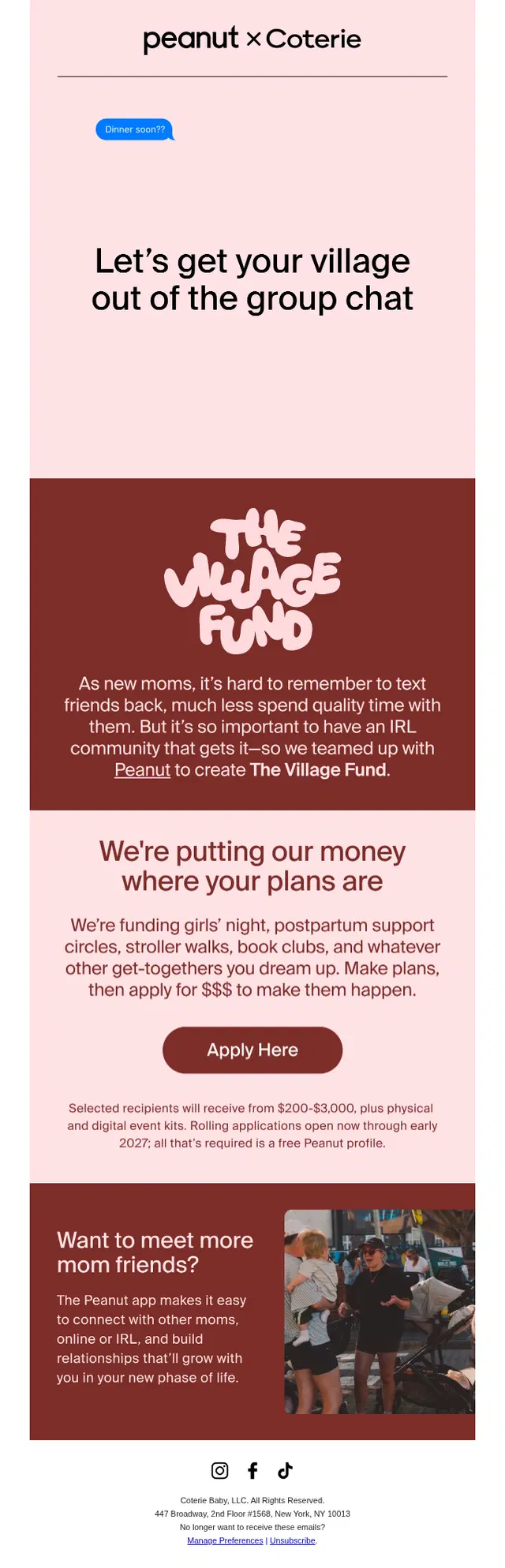
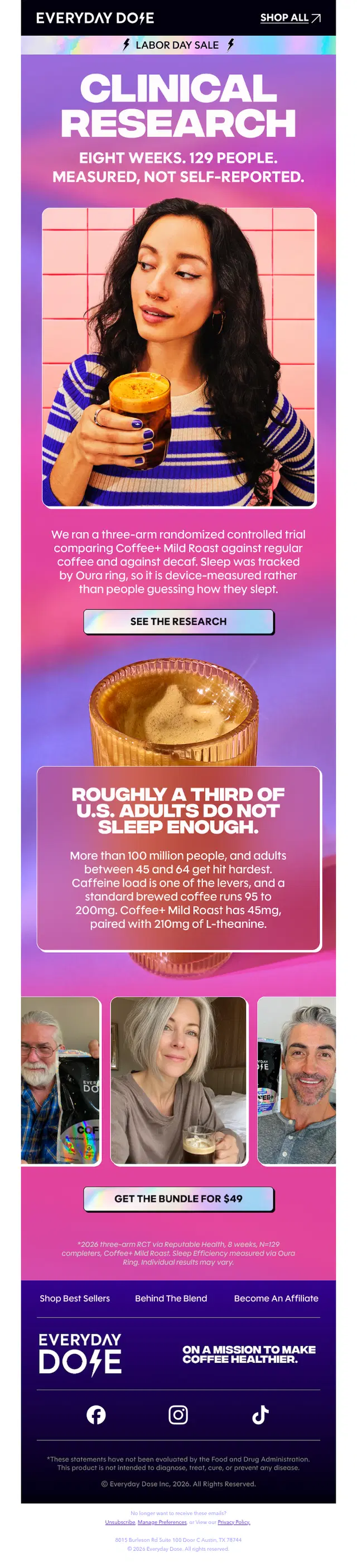
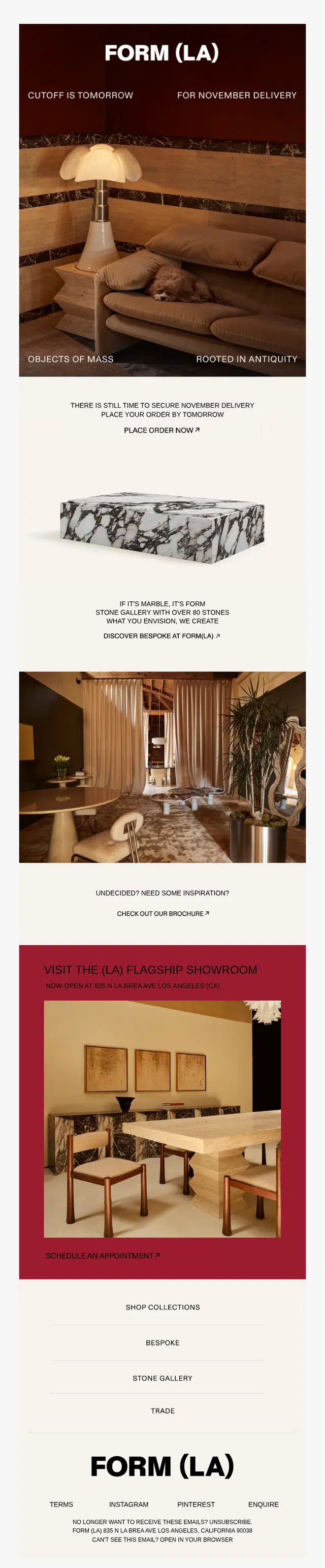
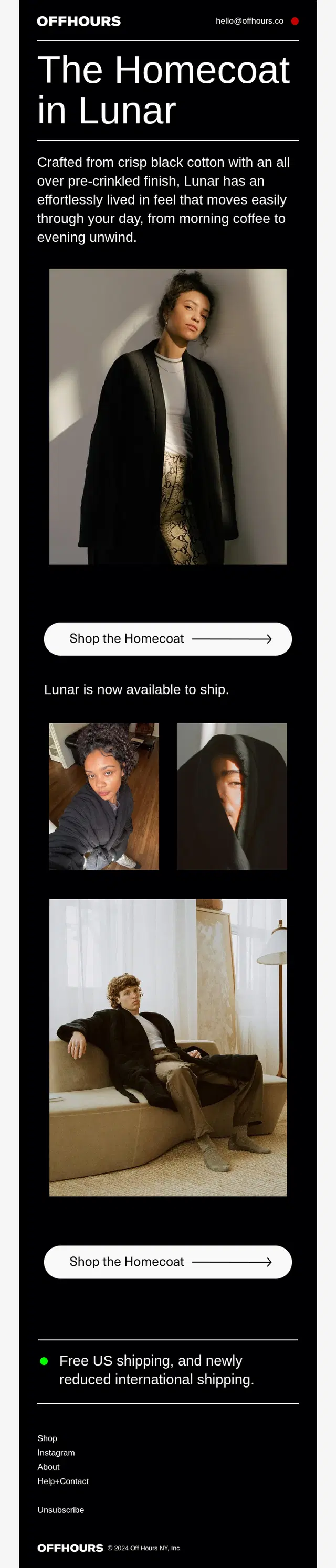
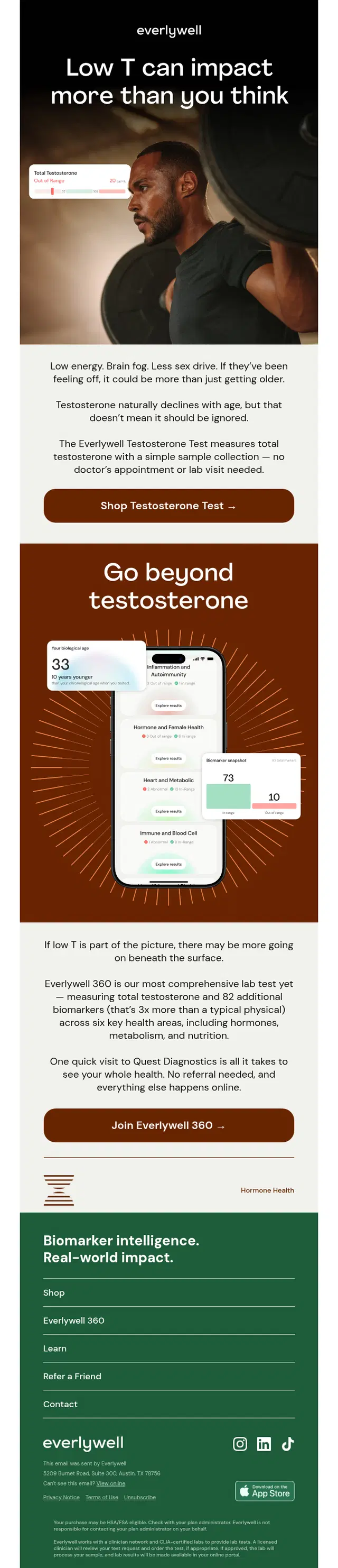
A promotion does not need a discount to give someone a reason to click. New collections, product education, research, customer proof, editorial stories, limited availability, new features, and seasonal relevance can all create enough interest on their own. Keeping discounts out of some campaigns also gives brands more room to protect their margins and avoids training subscribers to wait for the next sale.
The examples below show how a strong reason to click can come from the story, product, timing, or usefulness of the email itself.






Promotional Email Campaign Sequences
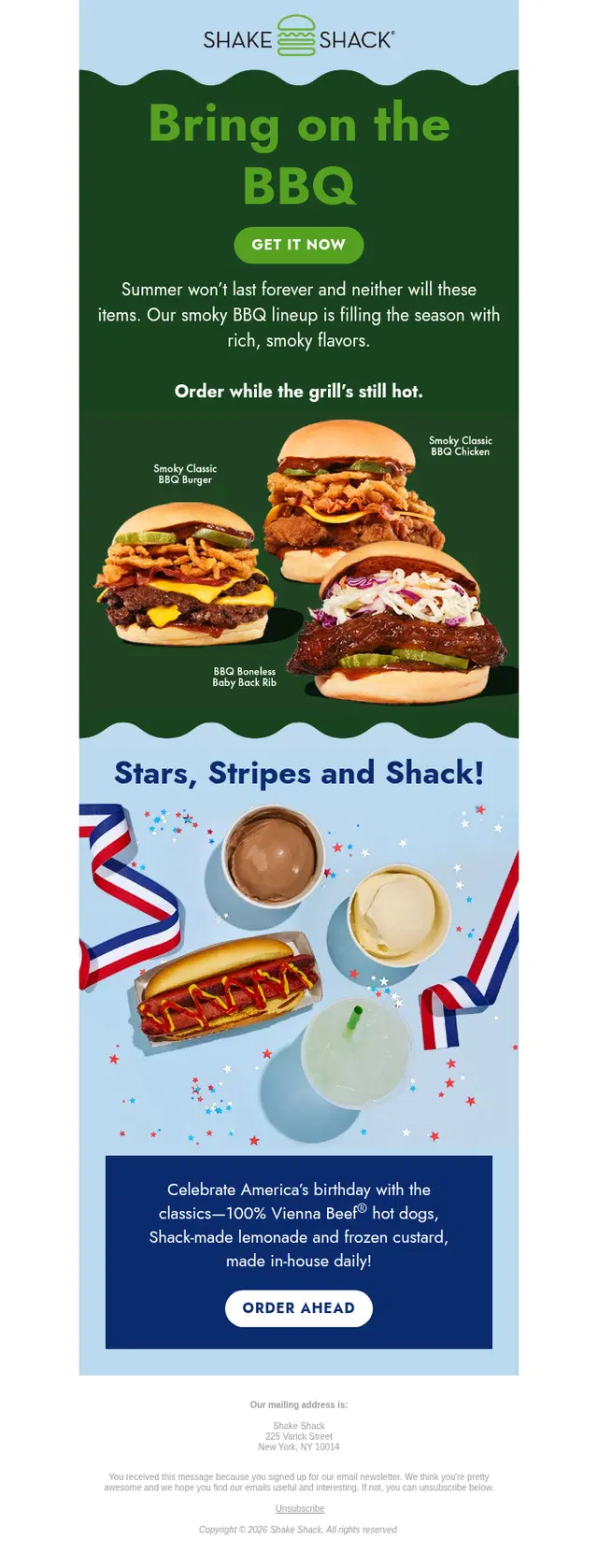
A promotional email campaign rarely needs to rely on a single send. The strongest sequences develop the same offer across several emails, changing the angle as the deadline gets closer. These real campaigns show different ways to move from an initial announcement to product-focused reminders, urgency, last-chance messaging, and even a sale extension.
Sale Extension Promotional Email Campaign
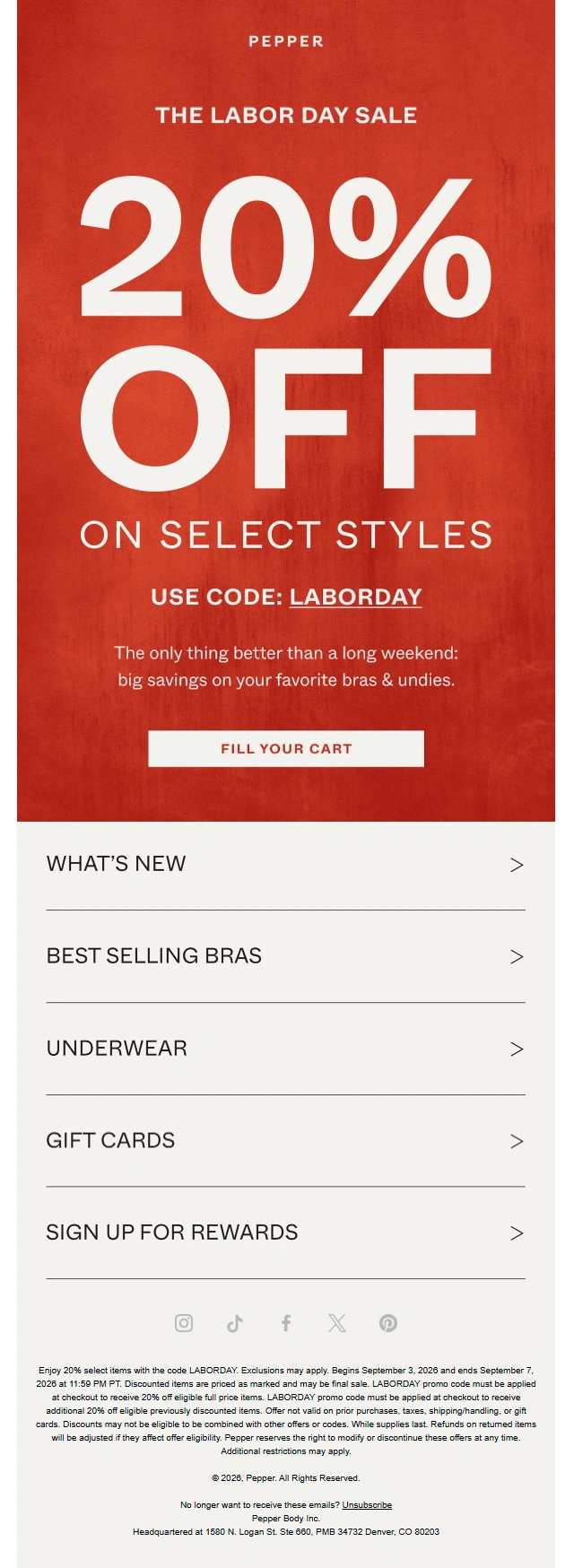
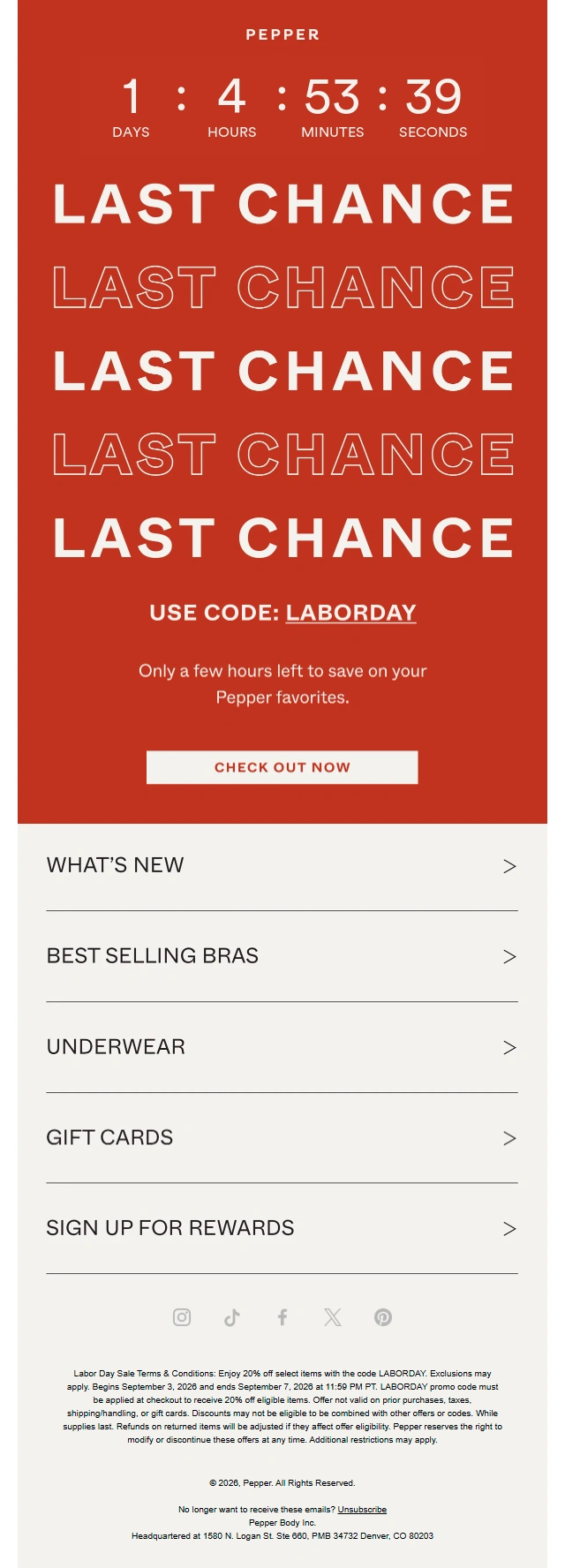
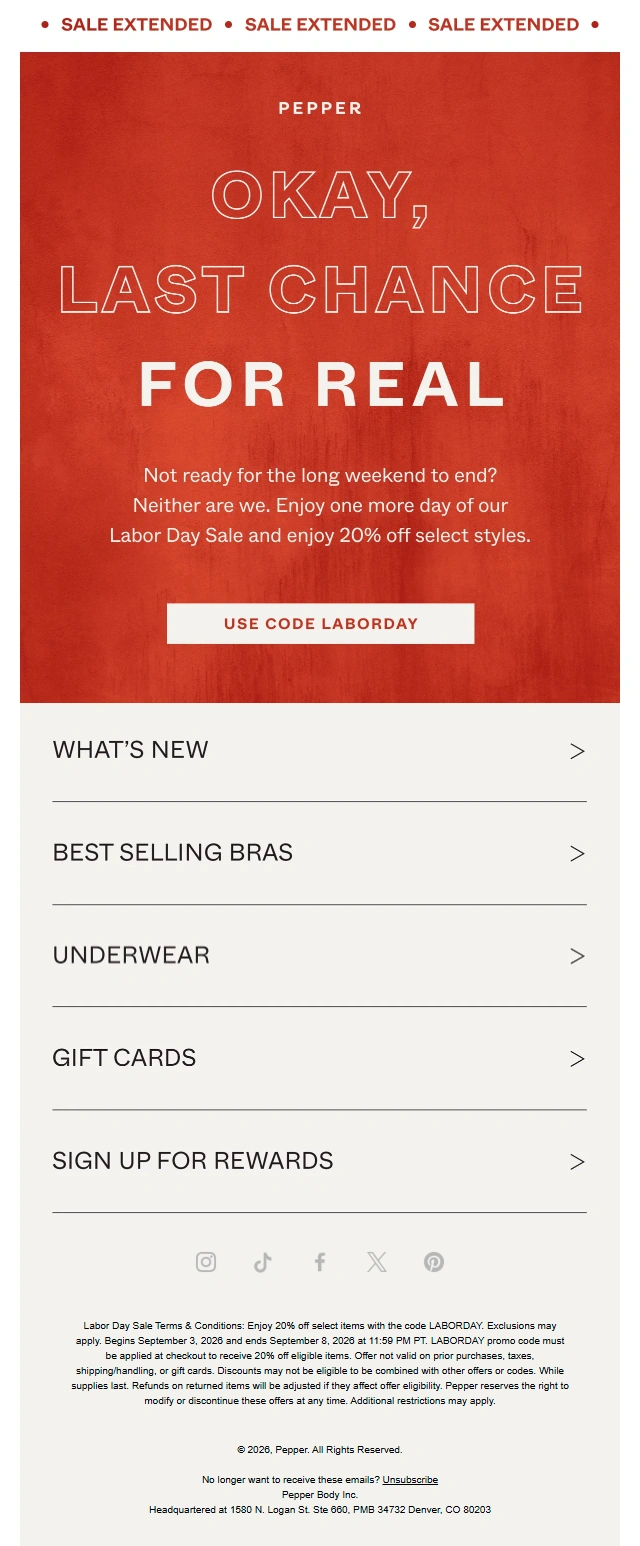
Pepper’s Labor Day campaign shows how a promotion can evolve over several sends without simply repeating the same message. The sequence starts with the 20% off announcement, moves into discounted bundles and popular products, narrows the focus to specific bestsellers, creates urgency with a countdown, and finishes by extending the sale for one more day.


Tiered Discount Promotional Email Campaign
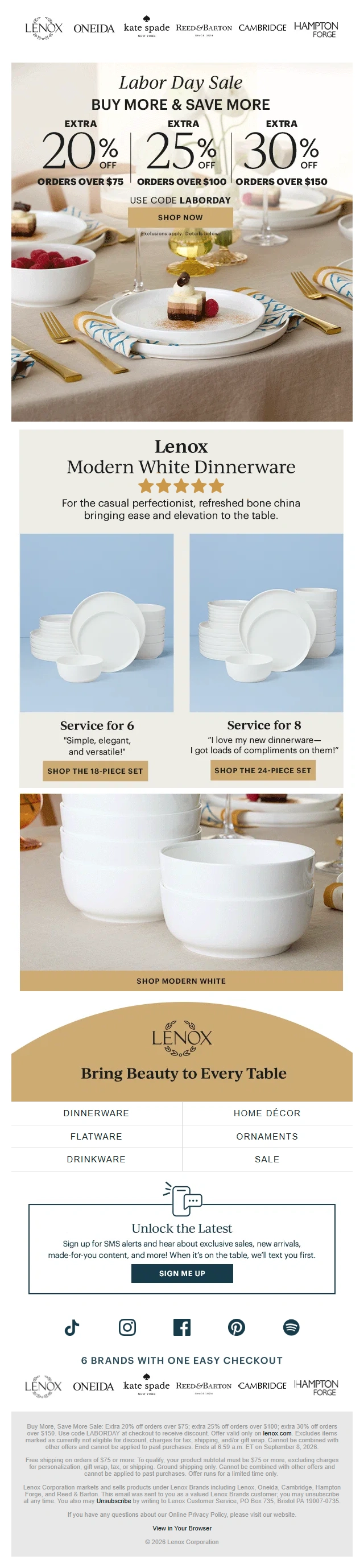
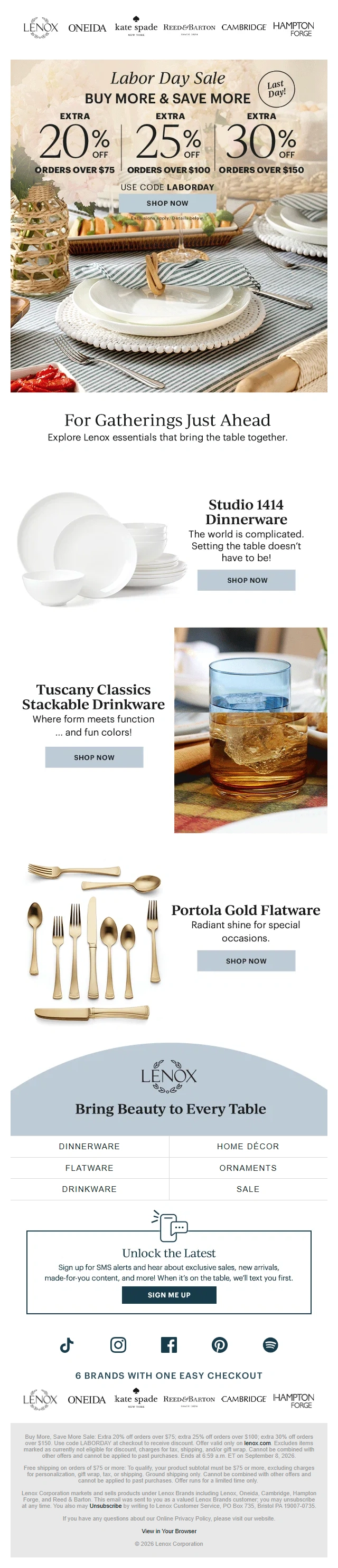
Lenox keeps the same tiered Labor Day offer running throughout the campaign-20% off over $75, 25% off over $100, and 30% off over $150-but changes the featured collection in every send. This creates repetition around the promotion without making the emails themselves feel identical.


Flash Sale Promotional Email Campaign
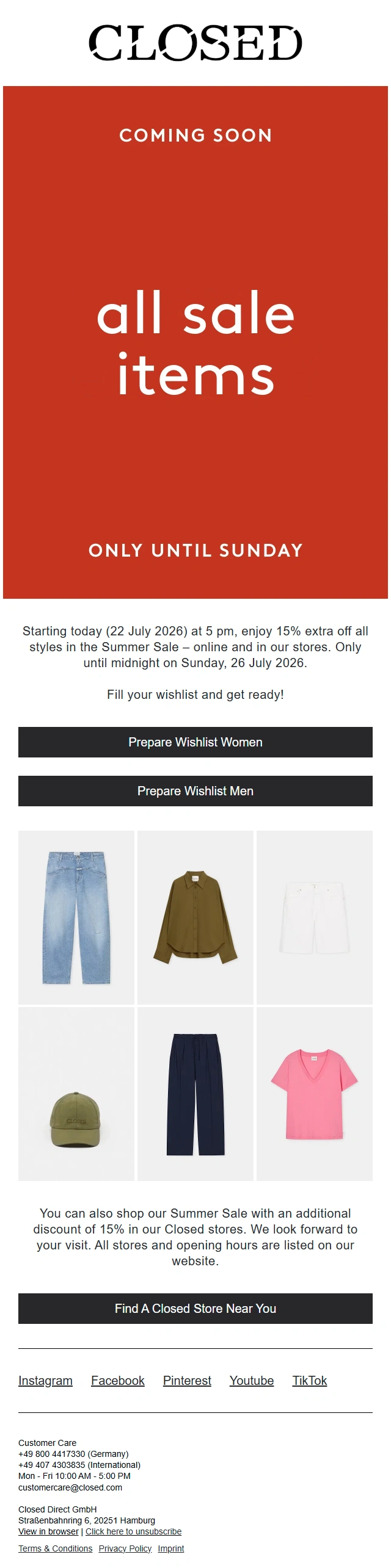
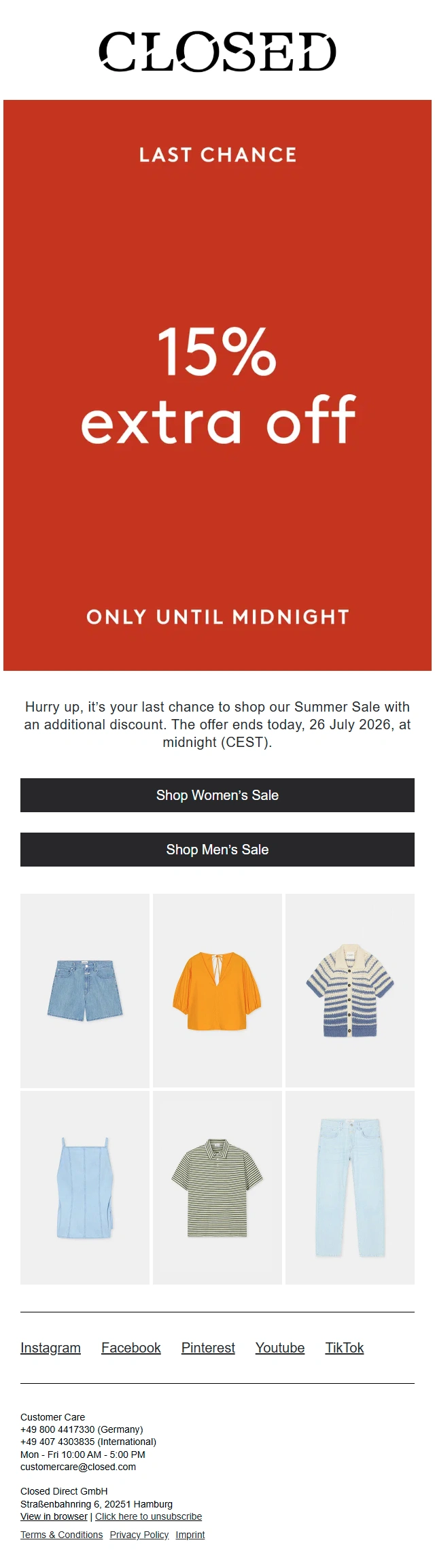
Closed uses one of the cleanest three-step promotional sequences: tease the offer before it begins, announce that the sale is live, and finish with a deadline-driven last chance. The messaging becomes progressively shorter and more urgent as the campaign moves toward midnight.

Back-to-School Promotional Email Campaign
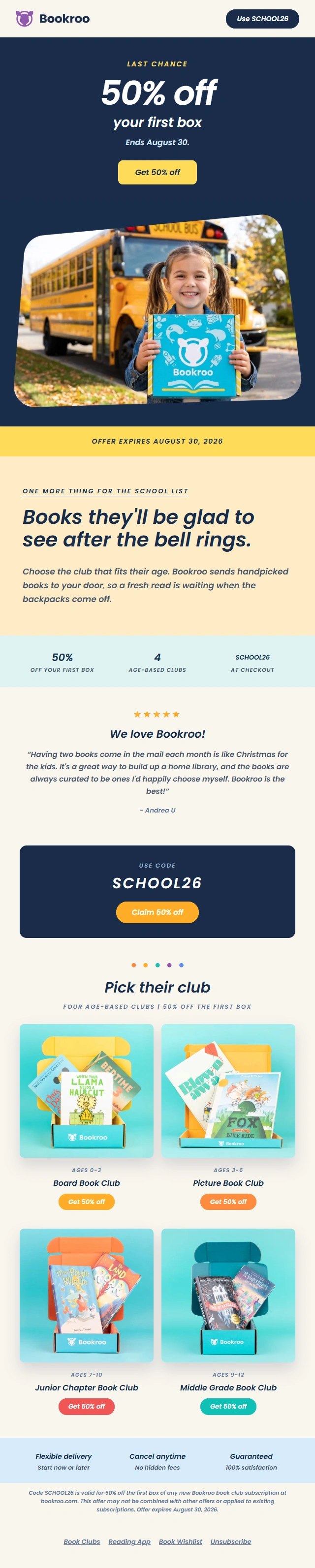
Bookroo shows that a promotional campaign does not have to be long. Its two-email sequence introduces a 50% back-to-school offer with plenty of product information and social proof, then follows with a more urgent reminder focused on the expiration date.

Sitewide Sale Promotional Email Campaign
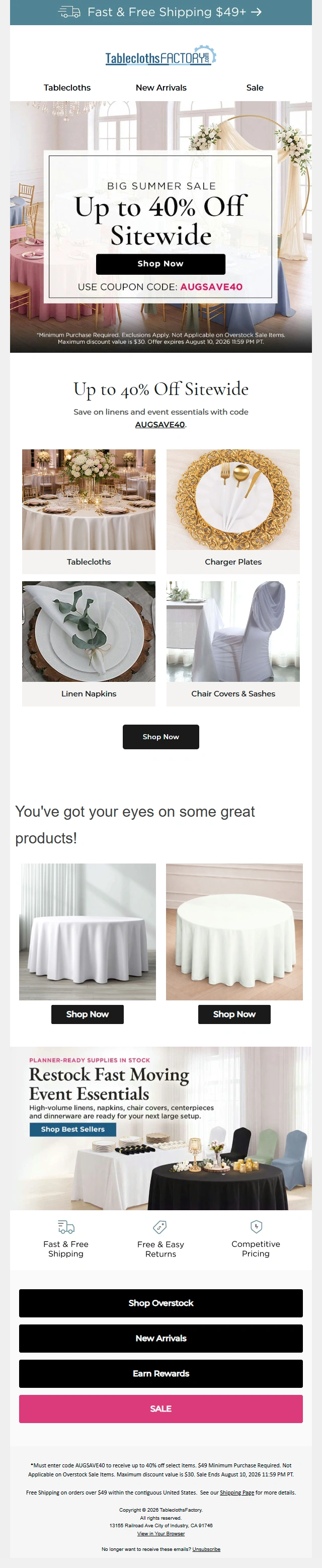
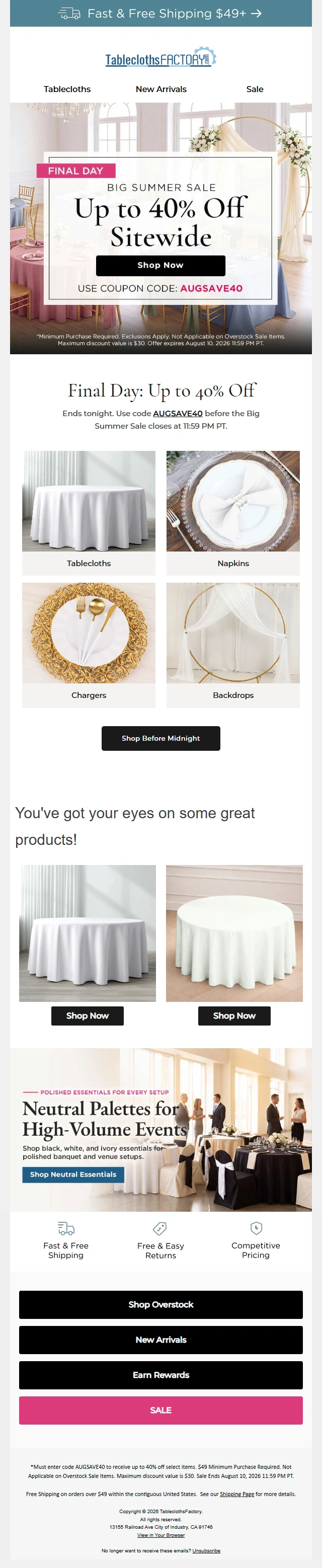
TableclothsFactory uses a straightforward two-step sale sequence. The first email launches up to 40% off sitewide and introduces relevant event products; the second keeps the same code and merchandising structure but replaces the launch message with a firm final-day deadline.
Build Promotional Campaigns That Go Beyond One Send
A strong promotion does not have to stop at one email. MailBakery can help you plan and build Klaviyo campaigns and flows around your offers, audience, and customer journey.
Promotional Email Templates
A promotional email template usually needs five things: a clear reason for the email, a benefit-led headline, enough supporting copy to make the offer easy to understand, one prominent CTA, and any deadline or conditions the reader needs before acting.
The structure can stay simple. The message should change depending on what you are actually promoting.
Sale Promotional Email Template
Subject line: Save [X%] on [product/category]
Headline: [X%] off starts now
[Product/category] is on sale through [date]. Shop [short description of what is included] and save [discount] with code [CODE].
CTA: Shop the Sale
Offer ends [date/time]. [Add essential exclusions or minimum spend if needed.]
Product Launch Promotional Email Template
Subject line: Meet [product name]
Headline: Introducing [product name]
We made [product name] for [specific use, problem, or audience].
[One sentence explaining the biggest benefit.]
[One sentence highlighting the feature or detail that makes it different.]
It is available now in [colors/styles/versions, if relevant].
CTA: Discover [Product Name]
Ecommerce Promotional Email Template
Subject line: A little extra for your next order
Headline: [Offer] when you spend [amount]
Fill your cart with [products/category] and get [free shipping/free gift/discount/reward] when your order reaches [threshold].
Already know what you want? You are probably closer to qualifying than you think.
CTA: Start Shopping
Offer ends [date]. [Add conditions.]
B2B Promotional Email Template
Subject line: A better way to [solve specific business problem]
Headline: Spend less time on [problem]
[Product/service] helps [type of customer] handle [specific task] without [common frustration].
You can use it to:
- [Benefit or use case]
- [Benefit or use case]
- [Benefit or use case]
[Trial, demo, incentive, or proof point.]
CTA: [Start Free Trial / Book a Demo / See How It Works]
Limited-Time Offer Promotional Email Template
Subject line: Ends [today/tonight/tomorrow]: [offer]
Headline: Last chance for [offer]
There is still time to get [offer], but not much.
Claim [discount/bonus/product] before [specific deadline].
CTA: Claim the Offer
Ends [date] at [time and time zone].
Need a promotional email built for your brand?
How to Write a Promotional Email
A good promotional email gives people a reason to act without making them work to understand what that reason is. One clear idea is usually stronger than several competing messages packed into the same send.
1. Choose One Promotional Goal
Decide what the email needs to accomplish before you write the headline.
The goal might be to sell a new product, increase orders during a sale, get registrations for an event, encourage upgrades, or move an older product back into consideration.
Trying to do all of those at once usually weakens the email. Pick the action that matters most and build around it.
2. Lead With the Main Benefit or Offer
Readers should not have to scroll halfway through the email to find out why you contacted them.
Put the strongest reason to care near the top. That could be 30% off, but it could just as easily be a new feature, free shipping, early access, a limited release, or a solution to a specific problem.
Specific language usually wins here. “Save $50 through Sunday” tells the reader much more than “An exciting offer is waiting.”
3. Write a Clear Promotional Email Subject Line
The subject line has one job before anything else: give someone a reason to open.
Clarity often beats cleverness, especially when there is a real offer to communicate. Mention the product, benefit, discount, deadline, or announcement if it is likely to make the email more relevant.
A little personality helps. Mystery for mystery’s sake usually does not.
4. Keep the Email Focused on One Primary CTA
Several links can appear in one promotional email, but they should not all compete for equal attention.
Choose the main action you want the reader to take and make that CTA easy to spot. Supporting links can handle secondary products or information further down.
CTA copy can also do more work than “Learn More.” Try language that matches the action: Shop the Sale, See the Collection, Reserve Your Seat, Build Your Bundle, or Start Your Trial.
5. Use Visuals to Reinforce the Promotion
Product photography, GIFs, illustrations, charts, and lifestyle images should help someone understand the message faster.
A product launch might need close-up images of the new design. A sale can benefit from bold typography and clear price hierarchy. A B2B email may work better with a product interface, short diagram, or proof point than a decorative hero image.
The visual should support the idea, not make the reader decode it.
6. Make Urgency Specific and Credible
“Act fast” means very little on its own.
“Ends tonight at 11:59 PM ET” gives the reader something real to respond to.
Deadlines, stock limits, early-access windows, event dates, and order cutoffs can all create urgency naturally. Artificial urgency used in every campaign eventually loses its effect.
7. Optimize the Email for Mobile
A promotional email can look excellent on desktop and still become frustrating on a phone.
Keep headlines readable, buttons easy to tap, body copy reasonably short, and important text out of images whenever possible. Product grids also need attention. Four tiny columns that work on desktop rarely make sense on a narrow screen.
8. Test Before You Send
Check the things that can cost you a conversion: links, promo codes, pricing, dates, personalization, product availability, mobile rendering, and the landing page behind the CTA.
Send test versions to different inboxes where possible. A broken discount code can undo all the work that went into the campaign.
Promotional Email Design Best Practices
Promotional email design has to do more than look good. It needs to make the message easier to understand and the next action easier to find.
Build a Clear Visual Hierarchy
Use size, spacing, contrast, and placement to show readers what matters most. Headlines, product names, prices, discounts, supporting details, and CTAs should not all compete for the same level of attention.
Break Long Emails Into Scannable Sections
Separate products, offers, categories, or ideas into clear visual groups. Descriptive headings, product cards, consistent spacing, and enough white space help readers find what interests them without working through the entire email.
Give Products Room to Sell Themselves
Keep product imagery large enough to be useful and pair it with the information someone needs to make a decision. Crowding too many products into one section can make individual items—and the promotion around them—easier to overlook.
Make Important Offer Details Easy to Spot
Prices, discount percentages, promo codes, deadlines, minimum spends, and exclusions should be visually distinct from surrounding copy. Important conditions should not disappear into small text at the bottom of the design.
Plan How the Layout Responds on Smaller Screens
Decide how columns, product grids, images, navigation, and content blocks should stack rather than simply shrinking the desktop design. Check that the reading order still makes sense once everything moves into a single column.
Keep Text Readable Without Relying on Images
Use live text for important information where possible, maintain readable type sizes and contrast, and add descriptive alt text to meaningful images. The promotion should still make sense when images are blocked or unavailable.
Let the Promotion Look Like Your Brand
Use typography, imagery, illustration, spacing, and product presentation that feel consistent with the rest of your brand. A sale can look urgent without turning into the same oversized percentage signs and generic promotional graphics as everyone else.
Promotional Email Subject Line Examples
A good promotional email subject line says enough to create interest without trying to fit the entire campaign into the inbox preview. Here are a few starting points you can adapt.
Sale Promotional Email Subject Lines
- 20% off starts now
- A better price on your favorites
- The sale you were waiting for
- Save $50 on [product]
- Your subscriber offer is inside
- More cart, less total
Limited-Time Promotional Subject Lines
- Ends tonight: 25% off
- A few hours left
- Last call for [offer]
- This disappears at midnight
- One weekend. One very good deal.
- Your extra 20% ends today
Product Promotional Subject Lines
- Meet [product name]
- Just dropped: [collection name]
- Something new just landed
- The newest addition to [category]
- Meet the upgrade
- [Product name] is finally here
Ecommerce Promotional Subject Lines
- Free shipping starts now
- Build a bundle and save
- A gift comes with this one
- Spend $75, get [reward]
- Buy two, get one on us
- Your cart can do better
B2B Promotional Subject Lines
- A faster way to [task]
- Take [pain point] off your list
- See what changed in [product]
- Get more from [tool/product]
- Your [trial/demo/event] invitation is here
- A better way to handle [business task]
No-Discount Promotional Subject Lines
- Meet the collection
- Back by popular demand
- The story behind [product]
- A closer look at [feature]
- See what everyone keeps ordering
- Something worth knowing about [topic/product]
When Is the Best Time to Send a Promotional Email?
There is no single best send time for every promotional email. Timing depends on your audience, the type of promotion, the deadline, and when customers are most likely to act.
| Promotion Type | When to Send | Why |
|---|---|---|
|
Product launch |
Around the launch or availability time |
Lets subscribers act while the announcement is fresh and the product is available. |
|
Weekend sale |
Before the weekend begins |
Gives customers time to see the offer and shop during the promotional window. |
|
Flash sale |
At or shortly before the sale starts |
Maximizes the usable time customers have to act on a short promotion. |
|
Final-hours reminder |
Several hours before the actual deadline |
Creates useful urgency while leaving enough time to complete a purchase. |
|
Event or webinar |
Far enough ahead to plan or register |
The right lead time depends on how much commitment the event requires. |
|
Time-sensitive local offer |
Before the relevant moment |
A lunch promotion, for example, needs to arrive before customers decide where to eat. |
|
General promotion |
Start with your audience’s historical engagement and purchase patterns |
Past clicks and conversions provide a more relevant starting point than a universal “best time.” |
Test day and time separately, account for subscriber time zones, and judge performance by the action the campaign is meant to drive. Opens can provide context, but clicks, conversions, revenue, registrations, or another goal-specific metric tell you more about whether the timing actually worked.
Frequently Asked Questions
What is a promotional email campaign?
A promotional email campaign is one email or a planned sequence of emails created to drive a marketing goal, such as generating sales, promoting a product launch, increasing event registrations, or encouraging upgrades. Multi-email campaigns often change the message over time, moving from announcement and education to reminders and urgency.
What are some examples of promotional emails?
Common promotional email examples include sales and discount emails, product launches, new arrivals, limited-time offers, flash sales, free-shipping promotions, bundles, seasonal campaigns, event invitations, B2B offers, subscription promotions, and no-discount campaigns built around product benefits, social proof, useful content, or brand storytelling.
How do you send a promotional email?
Start by choosing the audience and goal, then create the email in your email marketing platform. Add the subject line, content, design, links, and any personalization or segmentation. Test the email across devices, check the offer and landing page, choose the send time, and review campaign performance after it goes out.
Large promotional sends should go through a proper email marketing platform rather than a regular personal inbox so you can manage consent, unsubscribes, deliverability, segmentation, and reporting correctly.
What is the difference between a transactional and promotional email?
A transactional email is triggered by an action or account activity and delivers information the recipient needs, such as an order confirmation, password reset, receipt, or shipping update.
A promotional email is primarily marketing. Its purpose is to encourage an action such as buying, upgrading, registering, booking, or exploring an offer. The distinction matters because promotional and transactional emails may be treated differently under email rules and sending practices.
Can you send promotional emails to anyone?
No. Promotional emails should be sent in accordance with the consent, identification, unsubscribe, and other requirements that apply to your recipients and where you operate. The exact rules vary by jurisdiction, so your sending practices should reflect the laws that apply to your business and audience.
Turn Great Offers Into Better-Performing Emails
Sales, product launches, limited-time offers, and seasonal campaigns all compete for attention in a crowded inbox. Thoughtful email design helps the offer stand out, makes the value easy to understand, and guides readers naturally toward the next click.
MailBakery can design and code custom promotional emails around your brand, products, and campaign goals — ready to use for your next big offer or again and again as your promotions change.